

Motmot

マユグロアホウドリ 対 ヒメウミツバメ

Thalassarche melanophris 対 Hydrobates pelagicus

マユグロアホウドリとヒメウミツバメのクイズ
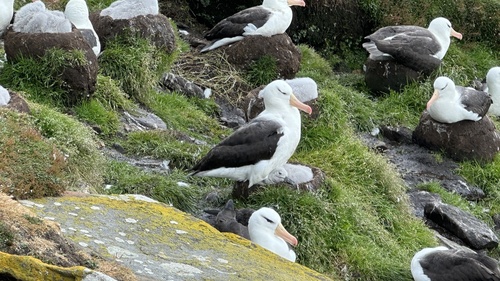
マユグロアホウドリ (Thalassarche melanophris) マユグロアホウドリ
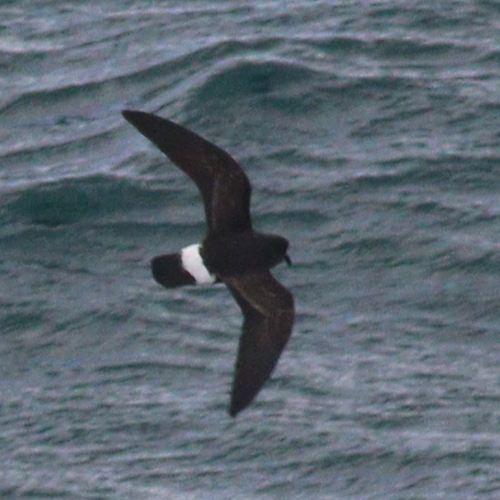
ヒメウミツバメ (Hydrobates pelagicus) ヒメウミツバメ

メディア

読み込み中…

要点

最も信頼できるフィールドマークはサイズです:マユグロアホウドリは翼幅が2メートル以上の巨大な海鳥であり、ヒメウミツバメはスワローのサイズにも満たない小さな鳥です。飛行中、マユグロアホウドリは厚い黒い縁取りのある広い白い下翼(すべての年齢)を示し、白い頭と強い暗い眉があります;ヒメウミツバメはすべて暗く、明るい白い尾羽と下翼に白いバーを持ち、コウモリのようにひらひらと飛びます。幼鳥のマユグロアホウドリは暗いくちばしとより暗い下翼を持っていますが、依然として巨大で構造的に異なります。遠くからでも、アホウドリの長い翼と滑空飛行は、ウミツバメの速く、ひらひらとした水面近くの動きと対照的です。お互いを間違えることができるのは、遠くのシルエットや大きさの誤認など、最も極端な条件下のみです。

識別のコツ

  1. サイズが究極の区別要因です: マユグロアホウドリは巨大で、翼幅は2メートル以上;ヒメウミツバメは小さく、スワローよりもわずかに大きい程度です。一度に両方を見ることができれば、その違いは圧倒的です。
  2. 飛行スタイル: アホウドリは長くて硬い翼で滑空し、めったに羽ばたかず;ウミツバメは速くひらひらと飛び、水面近くで短い滑空を交えます。鳥が波の上高く滑空している場合、それはウミツバメではありません。
  3. 下翼のパターン(すべての年齢): マユグロアホウドリは広く不規則な黒い縁取りのある白い下翼を示します;ヒメウミツバメは広い白いバーのある暗い下翼を持っています。アホウドリの下翼は主に白く、ウミツバメの下翼は主に暗いです。
  4. 頭とくちばし: アホウドリは強い暗い眉を持つ白い頭と大きなオレンジまたは角色のくちばし(幼鳥は暗いくちばし)を持っています;ウミツバメはすべて黒い頭を持ち、小さな黒いくちばしと顔のパターンがありません。
  5. 尾羽と尾: ウミツバメは明るい白い尾羽を持ち、尾の基部の両側に広がり、すべての年齢と羽毛で見えます;アホウドリは白い尾羽を持っていますが、対照的ではなく、尾はくさび形で、四角ではありません。
  6. 幼鳥の上翼: 幼鳥のウミツバメは上翼に狭い白いバーを示すことがあります;幼鳥のアホウドリは灰色の頭と襟を持つ暗い上翼を持っていますが、白い翼バーは決してありません。
  7. くちばしの色: 成鳥のアホウドリは暗い先端を持つ黄色-オレンジのくちばしを持っています;ウミツバメは常に小さな黒いくちばしを持っています。幼鳥のアホウドリは暗い先端を持つ角色のくちばしを持っています。
  8. 羽毛の摩耗: ウミツバメの羽毛は摩耗により暗い茶色に退色しますが、白い尾羽と下翼のバーは残ります;アホウドリはこの退色を示しません。
  9. 尾の形: ウミツバメの尾は四角です;アホウドリの尾はくさび形で、ディスプレイで扇形になります。
  10. 脚と足: ウミツバメの脚は飛行中に見えず、尾を越えて突出しません;アホウドリの脚は相対的にずっと短く、飛行中には見えません。
  11. 水上での行動: ウミツバメは餌を取る際に足で水面を叩くことがよくあります;アホウドリは重く着陸し、水面に高く浮かびます。
  12. 生息地の文脈: 北欧の島のコロニーの近くで見られた場合、ウミツバメの可能性が高いです;アホウドリは北大西洋では珍しい漂流者で、通常は南の海にいます。
  13. 声: アホウドリはコロニーで鳴き声を上げ、特に領土や求愛のディスプレイ中に大声で鳴きます;ウミツバメはコロニーでのディスプレイ追跡中に夜間の飛行音を出しますが、海では静かです。彼らの声は似ておらず、フィールドで混乱を引き起こす可能性は低いです。
  14. 性別と年齢の違い: どちらの種もフィールドで強い性差を示しません;幼鳥のマークはアホウドリ(暗いくちばし、灰色の襟)とウミツバメ(上翼のバー)にとってより関連性があります。
  15. 落とし穴: 極端な距離では、ウミツバメは白い尾羽を持つ暗い点に見えることがありますが、アホウドリのサイズ、形、または飛行スタイルを示すことはありません。幼鳥のアホウドリは決して全体が暗くなることはなく、常にウミツバメよりもはるかに大きいです。

大きさ

マユグロアホウドリは巨大です:長さ80〜95 cm、翼幅200〜240 cm、体重2.9〜4.7 kg [wikipedia][avonet]。ヒメウミツバメは比較すると非常に小さいです:長さ14〜18 cm、翼幅36〜39 cm、体重20〜38 g [wikipedia][avonet]。遠くからでも、アホウドリは長さが5倍以上で、翼幅はウミツバメの6倍以上です。その違いは非常に極端で、混乱は大きさの誤認や非常に悪い視界条件でのみ可能です。

羽色

行動

マユグロアホウドリは長くて硬い翼で滑空し、強風以外ではめったに羽ばたかず、少ない努力で広大な距離をカバーできます。彼らはしばしば波の上高く見られたり、コロニーを旋回したりし、陸上ではよちよち歩きで歩きます。ヒメウミツバメは弱く、ひらひらとしたコウモリのような飛行をし、餌を取る際に足で水面を叩くことがよくあります。彼らはめったに滑空せず、通常は水面近くで見られ、時には海に着陸します。陸上ではゆっくりと歩き、足を使ってバランスを取ります。アホウドリの飛行は力強く壮大であり、ウミツバメの飛行は速く、不規則で波に近いです。

生息環境

マユグロアホウドリは急な斜面や崖、時には平坦な沿岸の草地で繁殖し、主に南極海で見られますが、北大西洋では珍しい漂流者です。海では、彼らは開放的な海域を広範囲にわたって移動します。ヒメウミツバメは北欧の島々の隙間や巣穴で繁殖し、イギリス、アイルランド、アイスランドを含みます。海では、彼らは厳密に外洋性で、コロニー以外では陸に近く見られることはほとんどありません。両者は海洋性ですが、アホウドリは通常南の水域におり、ウミツバメは北の繁殖者です。両者を一緒に見ることができるのは、珍しい漂流の状況のみです。

声

マユグロアホウドリはコロニーで騒がしく、特に領土や求愛のディスプレイ中に大声で鳴きます。ヒメウミツバメはコロニーでのディスプレイ追跡中に夜間の飛行音を出しますが、海では一般的に静かです。彼らの声は似ておらず、フィールドで混乱を引き起こす可能性は低いです。

より良い説明を送る

比較と同じ項目を使ってください。文章はすぐに公開されます。

The most reliable field mark is size: Black-browed Albatross is a massive seabird with a 2+ meter wingspan, while European Storm-Petrel is tiny, barely the size of a swallow. In flight, Black-browed Albatross shows broad white underwings with thick black margins (all ages), a white head, and a strong dark eyebrow; European Storm-Petrel is all dark with a bright white rump and a white bar on the underwing, fluttering with bat-like flight. Juvenile Black-browed Albatrosses have dark bills and darker underwings, but are still huge and structurally different. Even at great distance, the albatross’s long wings and gliding flight contrast with the petrel’s quick, fluttering, low-to-water movements. Mistaking one for the other is only possible in the most extreme conditions, such as distant silhouettes or severe size misjudgment.

  1. Size is the ultimate separator: Black-browed Albatross is gigantic, with a wingspan over 2 meters; European Storm-Petrel is tiny, barely larger than a swallow. If you can see both at once, the difference is overwhelming.
  2. Flight style: Albatrosses soar and glide with long, stiff wings, rarely flapping; storm-petrels flutter rapidly, interspersed with short glides, often close to the water. If the bird is soaring high above the waves, it is not a storm-petrel.
  3. Underwing pattern (all ages): Black-browed Albatross shows a white underwing with broad, irregular black margins; European Storm-Petrel has a dark underwing with a broad white bar. The albatross’s underwing is mostly white, the petrel’s mostly dark.
  4. Head and bill: Albatross has a white head with a strong dark eyebrow and a large, orange or horn-colored bill (juveniles have a dark bill); storm-petrel has an all-black head with a tiny, black bill and no facial pattern.
  5. Rump and tail: Storm-petrel has a bright white rump extending to the sides of the tail base, visible in all ages and plumages; albatross has a white rump but it is not as contrasting, and the tail is wedge-shaped, not square.
  6. Upperwing in juveniles: Juvenile storm-petrels may show a narrow white bar on the upperwing; juvenile albatrosses have dark upperwings with a grey head and collar, but never a white wing bar.
  7. Bill color: Adult albatrosses have a yellow-orange bill with a darker tip; storm-petrels always have a small, black bill. Juvenile albatrosses have a horn-colored bill with a dark tip.
  8. Plumage wear: Storm-petrel plumage fades to dark brown with wear, but the white rump and underwing bar remain; albatrosses do not show this fading.
  9. Tail shape: Storm-petrel’s tail is square; albatross’s tail is wedge-shaped and fanned in display.
  10. Legs and feet: Storm-petrel’s legs are not visible in flight and do not project beyond the tail; albatross’s legs are proportionally much shorter and not visible in flight.
  11. Behavior on water: Storm-petrels often patter on the water with their feet while feeding; albatrosses land heavily and float high on the water.
  12. Habitat context: If seen near a northern European island colony, storm-petrel is likely; albatross is a rare vagrant in the North Atlantic and usually in southern oceans.
  13. Vocalizations: Albatrosses bray and cackle at colonies; storm-petrels give soft, nocturnal calls at colonies but are silent at sea. Calls are not similar.
  14. Sex and age differences: Neither species shows strong sex differences in the field; juvenile marks are more relevant for albatross (darker bill, grey collar) and storm-petrel (upperwing bar).
  15. Pitfalls: At extreme distance, a storm-petrel may appear as a dark dot with a white rump, but never shows the size, shape, or flight style of an albatross. Juvenile albatrosses are never all-dark and always much larger than any petrel.

Black-browed Albatross is enormous: 80–95 cm long, 200–240 cm wingspan, and 2.9–4.7 kg in weight [wikipedia][avonet]. European Storm-Petrel is minute by comparison: 14–18 cm long, 36–39 cm wingspan, and 20–38 g in weight [wikipedia][avonet]. Even at a distance, the albatross is more than five times the length and has a wingspan over six times greater than the petrel. The difference is so extreme that confusion is only possible with severe scale misjudgment or in extremely poor viewing conditions.

  • Juveniles/immatures:
  • Black-browed Albatross juveniles have a dark horn-colored bill with a dark tip, a grey head and collar, and dark underwings. The underwing still shows broad black margins against a white base, a key mark at all ages. The dark eyebrow is present, though less crisp in young birds.
  • European Storm-Petrel juveniles (fresh plumage) are all black except for a white rump and a narrow white bar on the upperwing. The white underwing bar is present in all ages. Plumage wears to dark brown, but the rump and underwing bar remain visible.
  • Adults:
  • Black-browed Albatross adults have a white head, strong dark eyebrow, orange bill with a darker tip, and a dark grey saddle and upperwings. The underwing is white with a broad, irregular black margin. The white rump and underparts contrast with the dark upperparts.
  • European Storm-Petrel adults are all black with a white rump extending to the tail sides and a broad white underwing bar. The tail is square. No bill or head pattern; the bill is small and black.
  • Key contrast: Albatross always shows a white underwing with thick black edges; storm-petrel is all dark above, with a white rump and a white underwing bar, never any strong head pattern or bill color.

Black-browed Albatrosses soar and glide with long, stiff wings, rarely flapping except in strong winds, and can cover vast distances with little effort. They are often seen high above the waves or circling colonies, and on land, they walk with a waddling gait. European Storm-Petrels have a weak, fluttering, bat-like flight, often pattering on the water surface with their feet while feeding. They rarely soar and are usually seen close to the water, sometimes settling on the sea. On land, they walk slowly, plantigrade, and use their wings for balance. The albatross’s flight is powerful and majestic; the petrel’s is quick, erratic, and close to the waves.

Black-browed Albatross breeds on steep slopes or cliffs, sometimes flat coastal grassland, mostly in the Southern Ocean but rarely as a vagrant in the North Atlantic. At sea, they are pelagic, ranging over open oceans. European Storm-Petrel breeds in crevices or burrows on islands off northern Europe, including the UK, Ireland, and Iceland. At sea, they are strictly pelagic, rarely seen near land except at colonies. Both are oceanic, but the albatross is usually in southern waters, while the storm-petrel is a northern breeder. Seeing both together is only possible in rare vagrancy situations.

Black-browed Albatrosses are noisy at colonies, braying and cackling harshly, especially during territorial or courtship displays. European Storm-Petrel gives nocturnal flight calls during display chases at colonies, but is generally silent at sea. Their calls are not similar and are unlikely to cause confusion in the field.

変更を破棄しますか?

保存していない編集があります。今離れると失われます。

マユグロアホウドリ · ヒメウミツバメ · 苦手な鳥