

Albatro sopracciglineri vs Uccello delle tempeste
Thalassarche melanophris contro Hydrobates pelagicus
Fai un quiz con Albatro sopracciglineri e Uccello delle tempeste
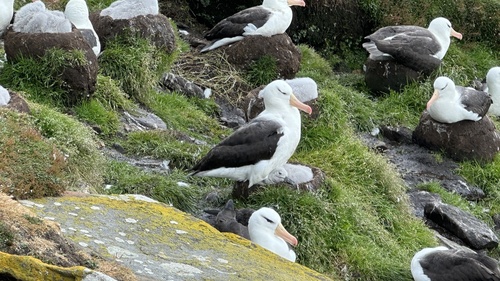 Albatro sopracciglineri
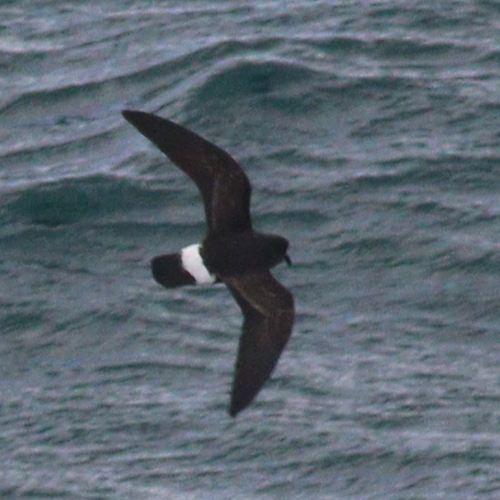 Uccello delle tempeste
In breve
Il segno distintivo più affidabile è la dimensione: l'Albatro sopracciglineri è un enorme uccello marino con un'apertura alare di oltre 2 metri, mentre l'Uccello delle tempeste è minuscolo, a malapena delle dimensioni di una rondine. In volo, l'Albatro sopracciglineri mostra ampie sottoali bianche con spesse margini neri (tutte le età), una testa bianca e una forte sopracciglia scura; l'Uccello delle tempeste è tutto scuro con un luminoso sottocoda bianco e una barra bianca sulla sottoala, svolazzando con un volo simile a quello di un pipistrello. Gli esemplari giovani di Albatro sopracciglineri hanno becchi scuri e sottoali più scure, ma sono comunque enormi e strutturalmente diversi. Anche a grande distanza, le lunghe ali dell'albatro e il volo planato contrastano con i rapidi movimenti svolazzanti e bassi dell'uccello delle tempeste. Confondere uno con l'altro è possibile solo nelle condizioni più estreme, come silhouette lontane o gravi errori di valutazione delle dimensioni.
Consigli di identificazione
- La dimensione è il separatore definitivo: L'Albatro sopracciglineri è gigantesco, con un'apertura alare di oltre 2 metri; l'Uccello delle tempeste è minuscolo, a malapena più grande di una rondine. Se riesci a vedere entrambi contemporaneamente, la differenza è schiacciante.
- Stile di volo: Gli albatri planano e scivolano con lunghe ali rigide, raramente battendo le ali; gli uccelli delle tempeste svolazzano rapidamente, intervallati da brevi planate, spesso vicino all'acqua. Se l'uccello sta planando in alto sopra le onde, non è un uccello delle tempeste.
- Schema della sottoala (tutte le età): L'Albatro sopracciglineri mostra una sottoala bianca con ampi margini neri irregolari; l'Uccello delle tempeste ha una sottoala scura con una larga barra bianca. La sottoala dell'albatro è per lo più bianca, quella dell'uccello delle tempeste è per lo più scura.
- Testa e becco: L'albatro ha una testa bianca con una forte sopracciglia scura e un grande becco arancione o color corno (i giovani hanno un becco scuro); l'uccello delle tempeste ha una testa completamente nera con un piccolo becco nero e nessuno schema facciale.
- Sottocoda e coda: L'uccello delle tempeste ha un luminoso sottocoda bianco che si estende ai lati della base della coda, visibile in tutte le età e piumaggi; l'albatro ha un sottocoda bianco ma non è così contrastante, e la coda è a forma di cuneo, non quadrata.
- Sopraala nei giovani: I giovani uccelli delle tempeste possono mostrare una stretta barra bianca sulla sopraala; i giovani albatri hanno sopraali scure con una testa e un collare grigi, ma mai una barra bianca sulla ala.
- Colore del becco: Gli albatri adulti hanno un becco giallo-arancione con una punta più scura; gli uccelli delle tempeste hanno sempre un piccolo becco nero. I giovani albatri hanno un becco color corno con una punta scura.
- Usura del piumaggio: Il piumaggio dell'uccello delle tempeste svanisce in un marrone scuro con l'usura, ma il sottocoda bianco e la barra della sottoala rimangono; gli albatri non mostrano questa usura.
- Forma della coda: La coda dell'uccello delle tempeste è quadrata; la coda dell'albatro è a forma di cuneo e si apre in mostra.
- Zampe e piedi: Le zampe dell'uccello delle tempeste non sono visibili in volo e non sporgono oltre la coda; le zampe dell'albatro sono proporzionalmente molto più corte e non sono visibili in volo.
- Comportamento sull'acqua: Gli uccelli delle tempeste spesso battono sull'acqua con i piedi mentre si nutrono; albatri atterrano pesantemente e galleggiano in alto sull'acqua.
- Contesto dell'habitat: Se visti vicino a una colonia di isole del nord Europa, è probabile che si tratti di un uccello delle tempeste; l'albatro è un raro vagabondo nell'Atlantico settentrionale e di solito negli oceani meridionali.
- Vocalizzazioni: Gli albatri brayano e cackle nelle colonie; gli uccelli delle tempeste emettono richiami notturni morbidi nelle colonie ma sono silenziosi in mare. I richiami non sono simili.
- Differenze di sesso e età: Nessuna delle due specie mostra forti differenze sessuali sul campo; i segni giovanili sono più rilevanti per l'albatro (becco più scuro, collare grigio) e l'uccello delle tempeste (barra sulla sopraala).
- Trappole: A grande distanza, un uccello delle tempeste può apparire come un punto scuro con un sottocoda bianco, ma non mostra mai la dimensione, la forma o lo stile di volo di un albatro. I giovani albatri non sono mai completamente scuri e sono sempre molto più grandi di qualsiasi petrello.
Taglia
L'Albatro sopracciglineri è enorme: 80–95 cm di lunghezza, 200–240 cm di apertura alare e 2,9–4,7 kg di peso [wikipedia][avonet]. L'Uccello delle tempeste è minuto in confronto: 14–18 cm di lunghezza, 36–39 cm di apertura alare e 20–38 g di peso [wikipedia][avonet]. Anche a distanza, l'albatro è più di cinque volte la lunghezza e ha un'apertura alare oltre sei volte maggiore di quella del petrello. La differenza è così estrema che la confusione è possibile solo con gravi errori di valutazione delle dimensioni o in condizioni di visione estremamente scarse.
Piumaggio
- Giovani/immaturi:
- I giovani Albatro sopracciglineri hanno un becco scuro color corno con una punta scura, una testa e un collare grigi, e sottoali scure. La sottoala mostra ancora ampi margini neri contro una base bianca, un segno chiave in tutte le età. La sopracciglia scura è presente, anche se meno netta nei giovani.
- I giovani Uccelli delle tempeste (piumaggio fresco) sono tutti neri tranne che per un sottocoda bianco e una stretta barra bianca sulla sopraala. La barra bianca della sottoala è presente in tutte le età. Il piumaggio svanisce in un marrone scuro, ma il sottocoda e la barra della sottoala rimangono visibili.
- Adulti:
- Gli adulti Albatro sopracciglineri hanno una testa bianca, una forte sopracciglia scura, un becco arancione con una punta più scura, e un sella e sopraali di un grigio scuro. La sottoala è bianca con un ampio margine nero irregolare. Il sottocoda bianco e le parti inferiori contrastano con le parti superiori scure.
- Gli adulti Uccelli delle tempeste sono tutti neri con un sottocoda bianco che si estende ai lati della coda e una larga barra bianca sulla sottoala. La coda è quadrata. Nessuno schema sul becco o sulla testa; il becco è piccolo e nero.
- Contrasto chiave: L'albatro mostra sempre una sottoala bianca con spessi bordi neri; l'uccello delle tempeste è tutto scuro sopra, con un sottocoda bianco e una barra bianca sulla sottoala, mai alcun forte schema sulla testa o colore del becco.
Comportamento
Gli Albatro sopracciglineri planano e scivolano con lunghe ali rigide, raramente battendo le ali tranne che in caso di forti venti, e possono coprire vaste distanze con poco sforzo. Sono spesso visti in alto sopra le onde o circling colonies, e a terra, camminano con un passo ondeggiante. Gli Uccelli delle tempeste hanno un volo debole e svolazzante, simile a quello di un pipistrello, spesso battendo sulla superficie dell'acqua con i piedi mentre si nutrono. Raramente planano e di solito sono visti vicino all'acqua, a volte posandosi sul mare. A terra, camminano lentamente, plantigradi, e usano le ali per l'equilibrio. Il volo dell'albatro è potente e maestoso; quello del petrello è rapido, erratico e vicino alle onde.
Habitat
L'Albatro sopracciglineri nidifica su pendii ripidi o scogliere, a volte su pianure costiere erbose, principalmente nell'Oceano Meridionale ma raramente come vagabondo nell'Atlantico Settentrionale. In mare, sono pelagici, vagando su oceani aperti. L'Uccello delle tempeste nidifica in crepe o tane su isole al largo del nord Europa, inclusi Regno Unito, Irlanda e Islanda. In mare, sono strettamente pelagici, raramente visti vicino alla terra tranne che nelle colonie. Entrambi sono oceanici, ma l'albatro è di solito in acque meridionali, mentre l'uccello delle tempeste è un nidificante settentrionale. Vedere entrambi insieme è possibile solo in rare situazioni di vagabondaggio.
Voce
Gli Albatro sopracciglineri sono rumorosi nelle colonie, brayando e ridacchiando aspramente, specialmente durante le esibizioni territoriali o di corteggiamento. L'Uccello delle tempeste emette richiami notturni durante le esibizioni di inseguimento nelle colonie, ma è generalmente silenzioso in mare. I loro richiami non sono simili e sono improbabili da causare confusione sul campo.
Albatro sopracciglineri · Uccello delle tempeste · I miei uccelli difficili