

Motmot

アカハシリュウキュウガモ 対 アオガン

Dendrocygna autumnalis 対 Branta ruficollis

アカハシリュウキュウガモとアオガンのクイズ
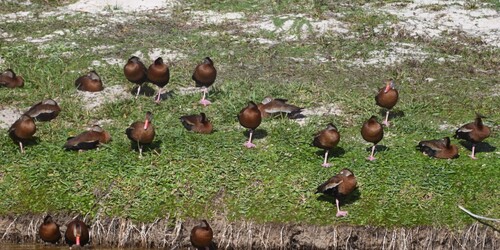
アカハシリュウキュウガモ (Dendrocygna autumnalis) アカハシリュウキュウガモ
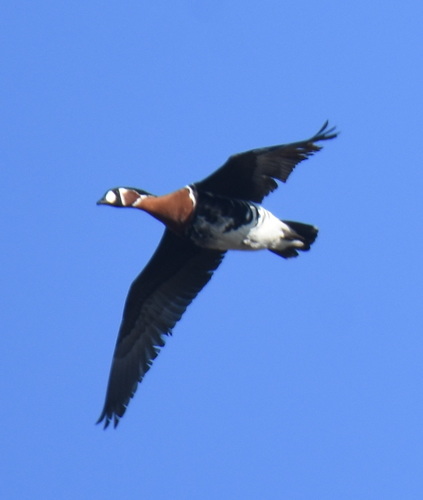
アオガン (Branta ruficollis) アオガン

メディア

読み込み中…

要点

アカハシリュウキュウガモとアオガンの最も信頼できるフィールドマークは、アカハシリュウキュウガモの大胆な白い翼の斑点で、これはすべての年齢で飛行中に明らかであり、アオガンには存在しません。止まっているか泳いでいる鳥では、くちばしの色と顔の模様に注目してください:アカハシリュウキュウガモは長いピンクのくちばしと淡い灰色の顔を持ち、アオガンは短い暗いくちばしと白と赤褐色の斑点がある目を引く三色の顔を示します。幼鳥のアカハシリュウキュウガモは灰色のくちばしを持ち、コントラストは少ないですが、飛行中には白い翼のバーを示しますが、アオガンは常に大胆な模様を持っています。構造とサイズも異なり、アオガンはよりがっしりしていて首が短いです。特に群れや遠くの鳥を観察する際には、これらのマークを組み合わせて使用してください。

識別のコツ

  1. 白い翼の斑点(すべての年齢での飛行中): アカハシリュウキュウガモは常に飛行中に上翼(第二次羽)に大胆な白い斑点を示し、黒い初級羽と対照的です;アオガンはこれを示さず、代わりに白と赤褐色の体のブロックを持つ暗い翼を持っています。
  2. くちばしの色と形: アカハシリュウキュウガモは長く明るいピンクのくちばし(幼鳥では灰色)を持ち、アオガンは短く暗いくちばしを持っています。くちばしの色は遠くからでも見え、鳥が泳いでいるか止まっているときの迅速な識別要素です。
  3. 顔の模様: アオガンは目を引く三色の顔を持っています:深い赤褐色の頬、白いストライプ、黒い冠;アカハシリュウキュウガモは淡い灰色の顔と首を持ち、薄い白いアイリングがあり、赤褐色や大胆な白い顔のストライプはありません。
  4. 腹部と尾: アカハシリュウキュウガモは黒い腹部と尾を持ち、栗色の体を持っています;アオガンは赤褐色の胸とすすけた黒の側面を持ち、白い側面の斑点があります。
  5. 幼鳥の羽毛のコントラスト: 幼鳥のアカハシリュウキュウガモは灰色のくちばしを持ち、腹部のコントラストはあまり明確ではありませんが、白い翼の斑点を保持しています;幼鳥のアオガンは依然として大胆な模様を持ち、顔と胸の色が存在します。
  6. 構造的な違い: アカハシリュウキュウガモは長い首、長い脚、スリムな体を持ち、アオガンはコンパクトで太い首と深い胸を持っています。飛行中、アカハシリュウキュウガモは伸びたように見え、アオガンはコンパクトで直接的です。
  7. 止まる行動: アカハシリュウキュウガモはしばしば木やポストに止まります;アオガンはめったに止まらず、主に陸上または水中にいます。
  8. 群れの構造: アオガンは通常、緊張した密な群れにいます;アカハシリュウキュウガモはより緩やかなグループやペアでいます。
  9. 生息地の文脈: アカハシリュウキュウガモは木のある温暖な湿地に見られます;アオガンはユーラシアに生息し、ツンドラ、ステップ、または農地に見られます。北アメリカでは、アオガンは非常に珍しく、逃げた個体である可能性が高いです。
  10. 鳴き声: アカハシリュウキュウガモは高く、明瞭な笛の音を出します;アオガンはホーンとシス音を出します。呼び声は聞こえるときに特異です。
  11. 白い側面の斑点: アオガンは大胆な白い側面の斑点と顔のストライプを示します;アカハシリュウキュウガモは淡い側面を示すことがありますが、同じブロック状の白い模様は決して示しません。
  12. 性的二形性: 両種は性別間で似ていますが、アオガンのオスはわずかに大きいです;これはフィールドで診断的であることは稀です。
  13. 他の種との混同: アカハシリュウキュウガモの白い翼の斑点はアカハシリュウキュウガモの中でユニークです;アオガンの顔の模様はアオガンの中でユニークです。飛行中に白い翼の斑点を見た場合、それはアオガンではありません。
  14. 遠くの鳥: 遠くから見ると、アオガンの赤い胸は暗く見えるかもしれませんが、顔の模様は診断的です;アカハシリュウキュウガモの淡い顔とピンクのくちばしは、良い光の下でまだ見えます。
  15. 季節的文脈: アカハシリュウキュウガモはアメリカで定住または局所的に分散しています;アオガンはユーラシアで渡り鳥です。範囲外の記録は出所を精査する必要があります。

大きさ

アオガンはアカハシリュウキュウガモよりもかなり重く(平均質量約1235g)わずかに長い(53–56 cm)ですが、体形の違いは長さだけよりも明らかです。アオガンはコンパクトで太い首と深い胸を持ち、アカハシリュウキュウガモはスリムで長い首と脚を持っています。翼幅もアオガンの方が大きく(最大135 cm対アカハシリュウキュウガモの94 cm)、飛行中により広い翼を持っているように見えます。これらの違いは、両種が一緒に見られるときや、スケールのために馴染みのある水鳥と一緒に見られるときに最も明らかです。

羽色

すべての年齢において、アカハシリュウキュウガモは飛行中に大胆な白い翼の斑点(第二次羽によって形成される)を示し、黒い初級羽と茶色の覆羽と対照的です;これはアカハシリュウキュウガモの中でユニークで、アオガンには完全に存在しません。幼鳥のアカハシリュウキュウガモは灰色のくちばしを持ち、腹部のコントラストは少ないですが、白い翼の斑点を保持しています。地上では、アカハシリュウキュウガモの羽毛は主に栗色で、黒い腹部と尾、淡い灰色の顔と首、薄い白いアイリングを持っています。対照的に、アオガンはすべての年齢で目を引く模様を持っています:深い赤褐色の胸と頬を持ち、顔と首には白いストライプで鋭く縁取られ、その他はすすけた黒の上面と側面に白い側面の斑点があります。アオガンの赤は遠くから見ると暗く見えることがありますが、三色の顔の模様は近くで診断的です。アカハシリュウキュウガモは決して大胆な白と赤褐色の顔や、アオガンのコンパクトでブロック状の色のブロックを示しません。

行動

アカハシリュウキュウガモはしばしば木やポストに止まり、その長い脚と半樹上の習性を反映し、通常は小さく緩やかな群れやペアで見られます。警戒心が少なく、近づきやすいです。アオガンは行動において真のガチョウです:緊張した密な群れで餌を探し、めったに止まらず、開けた水面や陸上で草を食べているのが見られることが多いです。アオガンは特に臆病で、巣作りの際には猛禽類の近くに依存して保護を求めることがよくあります。飛行中、アカハシリュウキュウガモは長い首とゆるい翼を持っているように見え、アオガンはコンパクトで速く、直接的です。

生息環境

アカハシリュウキュウガモは温暖な淡水湿地、池、洪水のある田んぼを好み、しばしば近くに木や巣箱があります;これは南部アメリカと中央および南アメリカの一部で一般的です。アオガンはユーラシアの種で、川や崖の近くの北極ツンドラで繁殖し、開けたステップや農地で大きな群れで越冬します。北アメリカでは、アオガンは逃げた個体または珍しい迷鳥である可能性が高く、アカハシリュウキュウガモは定期的な繁殖者および訪問者です。したがって、生息地の文脈は強い手がかりです:アカハシリュウキュウガモは水から遠くに離れることはめったになく、しばしば止まっているのが見られますが、アオガンはより陸上で群れを形成しています。

声

アカハシリュウキュウガモは高音で明瞭な笛の音を出し、しばしば飛行中または警戒時に鳴きます。アオガンは特に攻撃的または警戒した状況でホーンとシス音を出します。アカハシリュウキュウガモの笛の音は特異で、どのガチョウとも異なりますが、アオガンの呼び声はその家族の典型的なものです。

より良い説明を送る

比較と同じ項目を使ってください。文章はすぐに公開されます。

The most reliable field mark between Black-bellied Whistling-Duck and Red-breasted Goose is the bold white wing patch of the whistling-duck, which is obvious in flight for all ages and absent in the goose. In perched or swimming birds, focus on bill color and face pattern: Black-bellied Whistling-Duck has a long pink bill and pale gray face, while Red-breasted Goose shows a short dark bill and striking tricolor face with white and rufous patches. Juvenile whistling-ducks have a gray bill and less contrast but still show the white wing bar in flight, while the goose is always boldly patterned. Structure and size also differ, with the goose being bulkier and shorter-necked. Use these marks in combination, especially when viewing flocks or distant birds.

  1. White wing patch in flight (all ages): Black-bellied Whistling-Duck always shows a bold white patch on the upperwing (secondaries) in flight, contrasting with black primaries; Red-breasted Goose never shows this, instead having dark wings with white and rufous body blocks.
  2. Bill color and shape: Whistling-duck has a long, bright pink bill (gray in juveniles); goose has a short, dark bill. Bill color is visible even at a distance and is a quick separator when birds are swimming or perched.
  3. Face pattern: Red-breasted Goose has a striking tricolor face: deep rufous cheeks, white stripes, and black crown; whistling-duck has a pale gray face and neck with a thin white eye-ring, lacking any rufous or bold white facial stripes.
  4. Belly and tail: Whistling-duck has a black belly and tail with chestnut-brown body; goose has a rufous breast and sooty-black flanks, with white side patches.
  5. Plumage contrast in juveniles: Juvenile whistling-ducks have a gray bill and less distinct belly contrast but retain the white wing patch; juvenile geese are still boldly patterned, with face and breast color present.
  6. Structural differences: Whistling-duck is long-necked, long-legged, and slim; goose is compact, thick-necked, and deep-chested. In flight, the duck looks stretched and loose, the goose compact and direct.
  7. Perching behavior: Whistling-ducks often perch in trees or on posts; geese rarely perch and are mostly terrestrial or aquatic.
  8. Flock structure: Geese are usually in tight, nervous flocks; whistling-ducks are in looser groups or pairs.
  9. Habitat context: Whistling-ducks are found in warm wetlands with trees; geese are Eurasian, found in tundra, steppe, or agricultural fields. In North America, a Red-breasted Goose is extremely rare and likely an escapee.
  10. Vocalizations: Whistling-duck gives high, clear whistles; goose honks and hisses. Calls are distinctive when heard.
  11. White flank/side patches: Goose shows bold white side patches and face stripes; whistling-duck may show pale flanks but never the same blocky white pattern.
  12. Sexual dimorphism: Both species are similar between sexes, but goose males are slightly larger; this is rarely diagnostic in the field.
  13. Confusion with other species: Whistling-duck's white wing patch is unique among whistling ducks; goose's face pattern is unique among geese. If you see a white wing patch in flight, it's not a Red-breasted Goose.
  14. Distant birds: At long range, goose's red breast may look dark, but face pattern remains diagnostic; whistling-duck's pale face and pink bill are still visible with good light.
  15. Seasonal context: Whistling-duck is resident or locally dispersive in the Americas; Red-breasted Goose is migratory in Eurasia. Out-of-range records should be scrutinized for provenance.

Red-breasted Goose is substantially heavier (mean mass ~1235g) and slightly longer (53–56 cm) than Black-bellied Whistling-Duck (~831g, 47–56 cm), but the difference in body shape is more obvious than length alone. The goose is compact, thick-necked, and deep-chested, while the whistling-duck is slimmer, with a long neck and legs. Wingspan is also greater in the goose (up to 135 cm vs. 94 cm for the duck), making it appear broader-winged in flight. These differences are most apparent when both species are seen together or with familiar waterfowl for scale.

For all ages, Black-bellied Whistling-Duck shows a bold white wing patch (formed by the secondaries) in flight, contrasting with black primaries and brown coverts; this is unique among whistling ducks and entirely absent in Red-breasted Goose. Juvenile whistling-ducks have a gray bill and less contrast on the belly, but still retain the white wing patch. On the ground, the duck's plumage is mostly chestnut-brown with a black belly and tail, pale gray face and neck, and a thin white eye-ring. Red-breasted Goose, by contrast, is strikingly patterned at all ages: it has a deep rufous breast and cheeks, sharply bordered by white stripes on the face and neck, and otherwise sooty-black upperparts and flanks with white side patches. The goose's red can look dark at a distance, but the tricolor face pattern is diagnostic up close. The whistling-duck never shows the bold white-and-rufous face or the compact, blocky color blocks of the goose.

Black-bellied Whistling-Duck often perches in trees or on posts, reflecting its long legs and semi-arboreal habits, and is typically seen in small, loose flocks or pairs. It is less wary and can be approachable. Red-breasted Goose is a true goose in behavior: it forages in tight, nervous flocks, rarely perches, and is more likely to be seen on open water or grazing on land. The goose is notably timid and often relies on proximity to raptors for protection during nesting. In flight, the whistling-duck appears long-necked and loose-winged, while the goose is compact, fast, and direct.

Black-bellied Whistling-Duck favors warm, freshwater wetlands, ponds, and flooded fields, often with nearby trees or nest boxes; it is common in the southern US and parts of Central and South America. Red-breasted Goose is a Eurasian species, breeding in Arctic tundra near rivers or cliffs, and wintering in large flocks on open steppe or agricultural fields. In North America, any Red-breasted Goose is likely an escape or a rare vagrant, while the whistling-duck is a regular breeder and visitor. Habitat context is thus a strong clue: whistling-ducks rarely stray far from water and are often seen perched, while geese are more terrestrial and flock-oriented.

Black-bellied Whistling-Duck gives a high-pitched, clear whistling call, often in flight or when alarmed. Red-breasted Goose produces honking and hissing sounds, especially in aggressive or alarmed situations. The duck's whistling is distinctive and unlike any goose, while the goose's calls are more typical of its family.

変更を破棄しますか?

保存していない編集があります。今離れると失われます。

アカハシリュウキュウガモ · アオガン · 苦手な鳥