

Motmot

セグロフクレヤブモズ 対 マユジロヤブモズ

Dryoscopus cubla 対 Tchagra tchagra

セグロフクレヤブモズとマユジロヤブモズのクイズ
セグロフクレヤブモズ (Dryoscopus cubla) セグロフクレヤブモズ
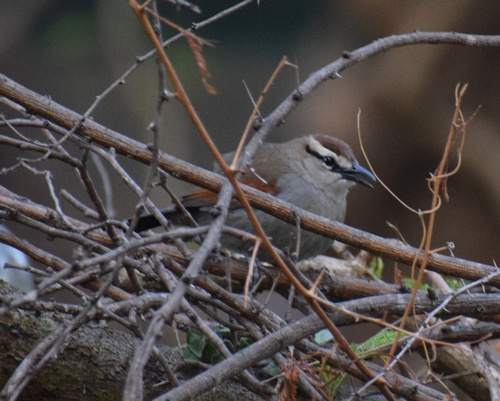
マユジロヤブモズ (Tchagra tchagra) マユジロヤブモズ

メディア

読み込み中…

要点

ブラックバックパフバックとマユジロヤブモズを区別する最も信頼できるフィールドマークは、パフバック(特に成鳥のオス)の黒と白の上面と純白の下面の強いコントラストであり、マユジロヤブモズの茶色の冠、黒いアイストライプ、栗色の翼と黒と白の尾を持つ淡い茶色の上面と対照的です。幼鳥と雌のパフバックは混乱を招くことがありますが、常にマユジロヤブモズの大胆な白いスーペリシリウムと茶色の冠を欠いています。構造も役立ちます:マユジロヤブモズは明らかに体が重く、尾が長く、より長く、より曲がったクチバシを持っています。両種は茂みの多い生息地で活発に活動することがありますが、マユジロヤブモズは密な低木や沿岸の茂みを好み、パフバックはより頻繁に森林の樹冠にいます。

識別のコツ

  1. Head pattern: マユジロヤブモズは常に茶色の冠、大胆な黒いアイストライプ、広い白いスーペリシリウムを示します。パフバックには茶色の冠はなく、オスは固体の黒い帽子を持ち、雌と幼鳥は黒いロラルスポットと白いスプラロラルエリアを持ちますが、完全なスーペリシリウムや茶色の冠はありません。
  2. Upperparts color: パフバックのオスは深い青黒色で光沢があります。雌と幼鳥は灰色がかっていますが、マユジロヤブモズの均一な淡い茶色の上面は欠いています。
  3. Underparts: パフバックのオスは純白の下面を持ち、雌と幼鳥はオフホワイトからバフィーですが、マユジロヤブモズほど灰色ではありません。マユジロヤブモズの下面は淡い灰色です(ノミネート種が最も暗く、ナタレンシスが最も淡い)。
  4. Wing pattern in flight: パフバックはリメージに白いエッジと白いスカプラーバー(亜種によって最も広いものと最も狭いものがあります)を示し、特にオスで顕著です。マユジロヤブモズの折りたたまれた翼は栗色で、飛行中には栗色のパネルが見えます。
  5. Tail: マユジロヤブモズは長い黒い尾の先が白く、パフバックの尾は短く、大胆な白い先端がありません。
  6. Bill shape: マユジロヤブモズのクチバシは長く、重く、より曲がっています。パフバックのクチバシは短く、あまり曲がっていません。
  7. Iris color: パフバックの成鳥は赤またはオレンジの虹彩を持ち(亜種によって異なる)、幼鳥は茶色です。マユジロヤブモズの虹彩の色は指定されていませんが、パフバックのオスの目を引く赤/オレンジは示しません。
  8. Sex differences: パフバックの性別は似ていますが区別可能です(オスは固体の黒い帽子、雌は黒いロラルスポットと灰色の背中を持ちます)。マユジロヤブモズの性別は似ていますが、若い鳥は鈍く、バフィーのアイストライプを持っています。
  9. Juvenile confusion: 幼鳥のパフバックは雌に似ていますが、常にマユジロヤブモズの茶色の冠と大胆なスーペリシリウムを欠いています。幼鳥のマユジロヤブモズは鈍いですが、頭のパターンを維持しています。
  10. Size and structure: マユジロヤブモズはより大きく、尾が長く、重い(46.8g対26.0g)、で、クチバシも長いです。パフバックはよりコンパクトです。
  11. Behavior: パフバックはより活発で樹上性であり、しばしば樹冠の中で単独、ペア、または家族グループで移動し、長時間静止することはほとんどありません。マユジロヤブモズはより隠れがちで、通常は密な低木や茂みの中に見られ、地面近くや厚いカバーの中にいることが多いです。パフバックはより高く、よりオープンに採餌する傾向がありますが、マユジロヤブモズは秘密主義で、歌ったりディスプレイしたりしない限り見落とされることがあります。パフバックの動きはよりエネルギッシュで敏捷ですが、マユジロヤブモズの動きは遅く、より慎重です。
  12. Habitat: パフバックは森林と森林の縁にいます。マユジロヤブモズは密な低木と沿岸の茂みにいます。
  13. Vocalization: マユジロヤブモズの下降する笛のような歌や雌のトリルを聞いた場合、それは診断的です。パフバックの声はここでは記載されていません。
  14. Subspecific variation: パフバックの亜種は翼と下面の白の範囲が異なりますが、常にマユジロヤブモズの頭のパターンは欠いています。
  15. Common pitfalls: 雌と幼鳥のパフバックは鈍く見えることがあり、マユジロヤブモズと混同されることがありますが、常に茶色の冠とスーペリシリウムの有無を確認し、構造と生息地に注意してください。

大きさ

マユジロヤブモズはブラックバックパフバックよりも明らかに大きく、重い(体重:46.8g対26.0g [wikidata])、また長さも異なります(17–21 cm対17 cm [wikipedia])。マユジロヤブモズはより大きく見え、尾が長く、より目立つ曲がったクチバシを持っています。パフバックはよりコンパクトで軽量で、クチバシと尾が短いです。これらの違いは、両種が並んで見られるときや経験があるときに最も明らかですが、単独でもマユジロヤブモズのサイズと形は目立ち、特に止まっている鳥では顕著です。

羽色

幼鳥と雌のブラックバックパフバックは、より灰色がかり、バフィーなトーンのためにマユジロヤブモズと混同されることがありますが、重要な違いが残ります。パフバック(すべての年齢)はマユジロヤブモズの茶色の冠を欠き、常に頭に黒が見られます(オスは固体の黒、雌と幼鳥は黒いロラルスポットを持ちます)。パフバックのオスは光沢のある黒い上面、黒い帽子、赤またはオレンジの虹彩、純白の下面を持ち、雌と幼鳥は鈍く、灰色の背中とバフィーな下面を持ちますが、依然として黒いロラルスポットを示し、マユジロヤブモズの広い白いスーペリシリウムは欠いています。すべての年齢のマユジロヤブモズは茶色の冠、大胆な黒いアイストライプ、広い白いスーペリシリウム、淡い茶色の上面、栗色の翼、白い先端の黒い尾を示します。幼鳥のマユジロヤブモズは鈍く、バフィーのアイストライプを持っていますが、依然として独特の頭のパターンを示します。飛行中、マユジロヤブモズの栗色の翼のパネルと白い先端の黒い尾が見え、パフバックはリメージに白いエッジ(亜種によってはより広い)と白いスカプラーバー(オスで顕著、雌/幼鳥ではあまり顕著でない)を示します。

行動

ブラックバックパフバックは落ち着きがなく活発で、しばしば単独、ペア、または家族グループで樹冠の中を移動し、長時間静止することはほとんどありません。マユジロヤブモズはより隠れがちで、通常は密な低木や茂みの中に見られ、地面近くや厚いカバーの中にいることが多いです。パフバックはより高く、よりオープンに採餌する傾向がありますが、マユジロヤブモズは秘密主義で、歌ったりディスプレイしたりしない限り見落とされることがあります。パフバックの動きはよりエネルギッシュで敏捷ですが、マユジロヤブモズの動きは遅く、より慎重です。

生息環境

ブラックバックパフバックは赤道の南側のさまざまな森林生息地に一般的に見られ、森林、森林の縁、庭などを含み、一般的に木や高い層を好みます。マユジロヤブモズは南アフリカ南部および南東部とエスワティニの密な低木や沿岸の茂みにより制限され、高い森林や開けた地域に入ることはほとんどありません。密で低く絡み合った植生の中で見られる場合、マユジロヤブモズの可能性が高く、高い森林や樹冠ではパフバックが期待されます。

声

マユジロヤブモズは特徴的な下降する笛のような歌(ttttrtr te te te teuuu)を持ち、ディスプレイフライトや止まり木から発声し、雌はトリルのtzerrrrrrrrを出します。ブラックバックパフバックの声は提供されたメモには記載されていないため、歌が聞こえたときに声はマユジロヤブモズの診断にのみ使用されます。記載されたマユジロヤブモズの歌が聞こえた場合、パフバックは除外できます。

より良い説明を送る

比較と同じ項目を使ってください。文章はすぐに公開されます。

The most reliable field mark to separate Black-backed Puffback from Southern Tchagra is the strong contrast of black-and-white upperparts and pure white underparts in the Puffback (especially adult males), versus the Tchagra’s brown crown, black eye-stripes, and pale brown upperparts with chestnut wings and a black-and-white tail. Juvenile and female Puffbacks can be confusing, but always lack the Tchagra’s bold white supercilium and brown crown. Structure also helps: Tchagra is noticeably heavier-bodied, longer-tailed, and has a longer, more decurved bill. Both species can be active in bushy habitats, but Tchagra prefers dense scrub and coastal bush, while Puffback is more often in woodland canopy.

  1. Head pattern: Southern Tchagra always shows a brown crown, bold black eye-stripes, and a broad white supercilium. Puffback never has a brown crown; males have a solid black cap, females and immatures have a black loral spot and white supraloral area, but never a full supercilium or brown crown.
  2. Upperparts color: Puffback males are deep blue-black above with a glossy sheen; females and immatures are greyer but still lack the Tchagra’s uniform pale brown upperparts.
  3. Underparts: Puffback males have pure white underparts; females and immatures are off-white to buffy but never as grey as Tchagra. Tchagra underparts are pale grey (darkest in nominate, palest in natalensis).
  4. Wing pattern in flight: Puffback shows white edging to remiges and a white scapular bar (broadest in some subspecies, narrowest in cubla), especially in males. Tchagra’s folded wings are chestnut, and in flight, the chestnut panel is visible.
  5. Tail: Tchagra has a long, black tail tipped white; Puffback’s tail is shorter and lacks the bold white tip.
  6. Bill shape: Tchagra’s bill is longer, heavier, and more decurved; Puffback’s is shorter and less curved.
  7. Iris color: Puffback adults have red or orange irides (depending on subspecies); immatures have brown. Tchagra’s iris color is not specified, but does not show the striking red/orange of Puffback males.
  8. Sex differences: Puffback sexes are similar but distinguishable (males with solid black cap, females with black loral spot and greyer back). Tchagra sexes are similar, but young birds are duller with a buff eye-stripe.
  9. Juvenile confusion: Juvenile Puffbacks resemble females but always lack the Tchagra’s brown crown and bold supercilium. Juvenile Tchagra is duller but maintains the head pattern.
  10. Size and structure: Tchagra is bulkier, longer-tailed, and heavier (46.8g vs 26.0g), with a longer bill. Puffback is more compact.
  11. Behavior: Puffback is more active and arboreal, often in tree canopies; Tchagra is skulking and prefers dense, low vegetation.
  12. Habitat: Puffback is in woodland and forest edge; Tchagra is in dense scrub and coastal bush.
  13. Vocalization: If you hear the Tchagra’s descending whistling song or female trill, it is diagnostic. Puffback’s voice is not described here.
  14. Subspecific variation: Puffback subspecies differ in extent of white on wings and underparts, but always lack the Tchagra’s head pattern.
  15. Common pitfalls: Female and immature Puffbacks can look dull and may be confused with Tchagra, but always check for the presence/absence of brown crown and supercilium, and note structure and habitat.

Southern Tchagra is significantly larger and heavier than Black-backed Puffback (body mass: 46.8g vs 26.0g [wikidata]), and also longer (17–21 cm vs 17 cm [wikipedia]). Tchagra appears bulkier, with a longer tail and a more prominent, decurved bill. Puffback is more compact and lighter, with a shorter bill and tail. These differences are most obvious when both species are seen side by side or with experience, but even singly, Tchagra’s size and shape stand out, especially in perched birds.

Juvenile and female Black-backed Puffbacks can be confused with Southern Tchagra due to their greyer and buffier tones, but key differences remain. Puffback (all ages) lacks the Tchagra’s brown crown and always shows some black on the head (solid in males, loral stripe in females/immatures). Puffback males are striking with glossy black upperparts, black cap, red or orange irides, and pure white underparts. Females and immatures are duller, with greyer backs and buffier underparts, but still show a black loral spot and lack the Tchagra’s broad white supercilium. Southern Tchagra of all ages shows a brown crown, bold black eye-stripes, broad white supercilium, pale brown upperparts, chestnut wings, and a black tail tipped white. Juvenile Tchagra is duller with a buff eye-stripe but still shows the distinctive head pattern. In flight, Tchagra’s chestnut wing panel and white-tipped black tail are visible, while Puffback shows white edging to remiges (broader in some subspecies) and a white scapular bar (distinct in males, less so in females/immatures).

Black-backed Puffback is restless and active, often moving singly, in pairs, or family groups through tree canopies, rarely sitting still for long. Southern Tchagra is more skulking, typically found in dense scrub or bush, often low to the ground or in thick cover. Puffback tends to forage higher and more openly, while Tchagra is secretive and may be overlooked unless singing or displaying. Puffback’s movement is more energetic and agile, whereas Tchagra’s is slower and more deliberate.

Black-backed Puffback is common to fairly common in a range of wooded habitats south of the equator, including woodland, forest edge, and gardens, generally preferring trees and higher strata. Southern Tchagra is more restricted to dense scrub and coastal bush in southern and southeastern South Africa and Eswatini, rarely venturing into taller woodland or open areas. If seen in dense, low, tangled vegetation, Tchagra is more likely; in taller woodland or canopy, Puffback is expected.

Southern Tchagra has a distinctive descending whistling song (ttttrtr te te te teuuu) given in display flight or from a perch, and the female gives a trilled tzerrrrrrrr. Black-backed Puffback’s vocalizations are not described in the provided notes, so voice is only diagnostic for Tchagra when the song is heard. If you hear the described Tchagra song, Puffback can be ruled out.

変更を破棄しますか?

保存していない編集があります。今離れると失われます。

セグロフクレヤブモズ · マユジロヤブモズ · 苦手な鳥