

Motmot

ヒゲワシ 対 シロエリハゲワシ

Gypaetus barbatus 対 Gyps fulvus

ヒゲワシとシロエリハゲワシのクイズ
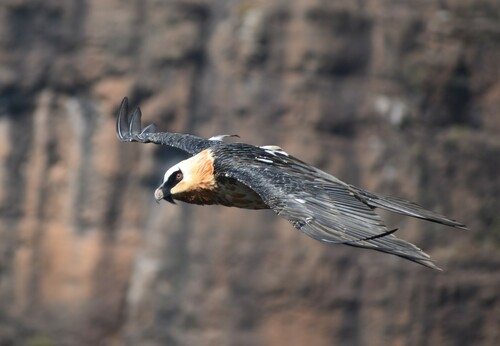
ヒゲワシ (Gypaetus barbatus) ヒゲワシ
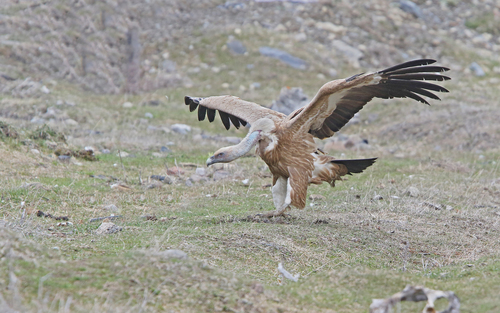
シロエリハゲワシ (Gyps fulvus) シロエリハゲワシ

メディア

読み込み中…

要点

ヒゲワシとシロエリハゲワシの最も信頼できるフィールドマークは尾です:ヒゲワシは翼の幅よりも明らかに長い、長くてくさび形の尾を持ち、シロエリハゲワシは短くて四角い尾を持っています。飛行中、ヒゲワシはより細身でハヤブサのように見え、長くて細い翼と小さな頭を持っていますが、シロエリハゲワシはよりがっしりしており、広い翼と大きくて淡い頭を持っています。幼鳥のヒゲワシは全体的に暗いですが、シロエリハゲワシの幼鳥はすでに淡い頭と対照的な翼の覆い羽を示しています。これらの違いはすべての年齢で見られますが、特に飛行中に顕著です。両種は巨大ですが、シロエリハゲワシはより重くてがっしりしています。

識別のコツ

  1. 尾の形と長さ: ヒゲワシは翼の幅を大きく超える長くてくさび形の尾を持ち、シロエリハゲワシの尾は短くて四角いです。これはすべての年齢において飛行中の最も信頼できるフィールドマークです。
  2. 飛行中の全体的なシルエット: ヒゲワシは細身で細長く、長くて細い翼と小さな頭を持ち、巨大なハヤブサを思わせます。シロエリハゲワシはがっしりしており、広い翼と飛行中により突出する大きくて淡い頭を持っています。
  3. 頭と首: ヒゲワシは淡い(クリーミーな)額と黒い目のストライプとひげを持つ羽毛のある頭を持っています。シロエリハゲワシは白い禿げた頭と目立つ白い首のフリルを持ち、ある程度の距離からでも見えます。
  4. 羽毛の色(成鳥): 成鳥のヒゲワシは暗い灰色で、錆色またはクリーミーな腹部(しばしば泥や埃浴びでオレンジ色に染まる)を持ち、黒いひげがあります。成鳥のシロエリハゲワシは淡い頭を持ち、体と翼の覆い羽が暗い飛行羽と対照的です。
  5. 幼鳥の羽毛: 幼鳥のヒゲワシは全体的に暗く、灰褐色の胸を持ち、淡い頭はありません。幼鳥のシロエリハゲワシはすでに淡い頭と首のフリルを示し、淡い体と暗い翼と対照的です。
  6. くちばしと顔: ヒゲワシは比較的小さく暗いくちばしを持ち、顎の下に黒い「ひげ」のような毛があります。シロエリハゲワシはより大きく黄色がかったくちばしを持ち、ひげはありません。
  7. サイズと体格: シロエリハゲワシは飛行中も地上でもより重くてがっしりしています。ヒゲワシは大きいですが、より細身で細長いです。
  8. 飛行行動: ヒゲワシはしばしば単独またはペアで旋回し、骨を運んでいるのが見られます。シロエリハゲワシは大きな群れで旋回しているのが見られることが多いです。
  9. 地上行動: ヒゲワシはよちよち歩きの歩様を持ち、長い尾を持ち、背中が丸まっています。シロエリハゲワシはより直立しており、がっしりしています。
  10. 生息地の文脈: ヒゲワシは高山や険しい地形により制限され、しばしば孤独です。シロエリハゲワシはより広範囲の開けた生息地に見られ、より社交的です。
  11. 声: 信頼できるフィールドマークではありません;両種ともほとんど静かですが、ヒゲワシは巣の近くで鋭い口笛やハヤブサのような鳴き声を出すことがあります。
  12. 化粧的な色合い: ヒゲワシは鉄分の多い泥の染みのために頭、胸、脚がオレンジ色または錆色に見えることがあります。シロエリハゲワシはこの色合いを示しません。
  13. 性別と季節: どちらの種にもフィールドマークにおいて重要な季節的または性的二形はありません;構造的および羽毛の違いは年間を通じて一貫しています。
  14. 落とし穴: 遠くから見ると、両種は巨大で暗く見えることがありますが、ヒゲワシの長くてくさび形の尾とシロエリハゲワシの淡い頭/首のフリルは、悪い光の中でも信頼できます。
  15. マークが失敗したとき: シルエットでは、まず尾の長さと形に焦点を当ててください;頭が淡く見え、尾が短い場合はシロエリハゲワシです。もし鳥が暗い頭を持ち、長い尾を持っているなら、ヒゲワシです。

大きさ

シロエリハゲワシはヒゲワシよりもかなり重く、成鳥の平均体重は8328 gに対し、ヒゲワシは5544 gです [wikidata]。両種は翼幅が似ており(約2.3〜2.8 m)、ヒゲワシはより細身で細長いですが、シロエリハゲワシはがっしりしており、翼が広いです。地上では、ヒゲワシはより細長く、長い尾を持ち、シロエリハゲワシはよりがっしりしており、頑丈な体格を持っています。

羽色

行動

ヒゲワシは骨を食べることに特化しており、骨を空中に持ち上げて岩に落として割るのがよく見られます。その飛行はよりハヤブサのようで、細長いプロファイルと長い尾を持っています。シロエリハゲワシは典型的なスカベンジャーで、死肉を食べ、大きな群れで旋回しているのがよく見られます。地上では、ヒゲワシはよちよち歩きの歩様を持ち、より細長く見えますが、シロエリハゲワシはがっしりしており、より直立しています。

生息環境

両種は山岳地域に見られますが、ヒゲワシは骨を見つけることができる高地の険しい地形に特化しています。シロエリハゲワシはより広範囲に分布し、崖、峡谷、時には低地を含むさまざまな開けた生息地に見られます。ヨーロッパでは、シロエリハゲワシはより大きな群れで見られることが多いですが、ヒゲワシは通常孤独またはペアで見られます。

声

ヒゲワシは一般的に静かですが、繁殖行動中に鋭い口笛を出したり、巣の近くでハヤブサのような「チーク・アーチーク」という鳴き声を出すことがあります。シロエリハゲワシの鳴き声はノートに記載されていませんが、どちらの種もフィールドで声で識別される可能性は低いです。

より良い説明を送る

比較と同じ項目を使ってください。文章はすぐに公開されます。

The most reliable field mark between Bearded Vulture and Griffon Vulture is the tail: Bearded Vulture has a long, wedge-shaped tail that is noticeably longer than the width of its wing, while Griffon Vulture has a short, squared-off tail. In flight, Bearded Vulture appears more slender and falcon-like, with long, narrow wings and a small head, whereas Griffon Vulture looks bulkier, with broad wings and a large, pale head. Juvenile Bearded Vultures are dark overall, while Griffon Vulture juveniles already show pale heads and contrasting wing coverts. These differences hold at all ages, but are especially apparent in flight. Both species are huge, but Griffon Vulture is heavier and bulkier.

  1. Tail shape and length: Bearded Vulture has a long, wedge-shaped tail that extends well beyond the width of the wing; Griffon Vulture's tail is short and square. This is the single most reliable field mark in flight for all ages.
  2. Overall silhouette in flight: Bearded Vulture appears slender and elongated, with long, narrow wings and a small head, reminiscent of a giant falcon. Griffon Vulture is bulkier, with broad wings and a large, pale head that protrudes more in flight.
  3. Head and neck: Bearded Vulture has a feathered head with a pale (creamy) forehead and a black eye-stripe and beard. Griffon Vulture has a bald, white head and a conspicuous white neck ruff, visible even at some distance.
  4. Plumage color (adults): Adult Bearded Vultures are dark grey above, with rusty or creamy underparts (often stained orange from mud or dust-bathing), and a black beard. Adult Griffon Vultures are pale-headed, with buff body and wing coverts contrasting with dark flight feathers.
  5. Juvenile plumage: Juvenile Bearded Vultures are dark all over, with a grey-brown breast and no pale head. Juvenile Griffon Vultures already show a pale head and neck ruff, with buffy body and contrasting dark wings.
  6. Bill and face: Bearded Vulture has a relatively small, dark bill and a black 'beard' of bristles under the chin. Griffon Vulture has a larger, yellowish bill and lacks any beard.
  7. Size and bulk: Griffon Vulture is heavier and bulkier, both in flight and on the ground. Bearded Vulture is large but more slender and elongated.
  8. Flight behavior: Bearded Vulture often soars alone or in pairs and may be seen carrying bones. Griffon Vulture is more likely to be seen in large soaring flocks.
  9. Ground behavior: Bearded Vulture has a waddling gait and appears long-tailed and hunched. Griffon Vulture is more upright and massive.
  10. Habitat context: Bearded Vulture is more restricted to high mountains and rugged terrain, often solitary. Griffon Vulture can be found in a wider range of open habitats and is more social.
  11. Voice: Not a reliable field mark; both are mostly silent, but Bearded Vulture may give shrill whistles or a falcon-like call near the nest.
  12. Cosmetic coloration: Bearded Vulture may appear orange or rust-colored on the head, breast, and legs due to iron-rich mud staining. Griffon Vulture never shows this coloration.
  13. Sex and season: No significant seasonal or sexual dimorphism in field marks for either species; structural and plumage differences are consistent year-round.
  14. Pitfalls: At great distance, both species can appear huge and dark, but the long, wedge-shaped tail of Bearded Vulture and the pale head/neck ruff of Griffon Vulture are reliable even in poor light.
  15. When marks fail: In silhouette, focus on tail length and shape first; if the head appears pale and the tail is short, it's Griffon Vulture. If the bird is dark-headed with a long tail, it's Bearded Vulture.

Griffon Vulture is significantly heavier than Bearded Vulture, with an average adult mass of 8328 g versus 5544 g for Bearded Vulture [wikidata]. Both species have similar wingspans (about 2.3–2.8 m), but Bearded Vulture is more slender and elongated, while Griffon Vulture is bulkier and broader-winged. On the ground, Bearded Vulture appears more elongated with a longer tail, while Griffon Vulture is more massive and has a stouter build.

  • Juvenile/Immature birds: Juvenile Bearded Vultures are dark black-brown over most of the body, with a grey-brown breast, and lack the pale head and neck ruff of Griffon Vulture. Juvenile Griffon Vultures, by contrast, already have a pale (white) head and neck ruff, with buff body and wing coverts contrasting with dark flight feathers. This contrast in head and body color is a key separation at all ages.
  • Adults: Adult Bearded Vultures are mostly dark grey above with creamy or rusty underparts, a pale forehead, and a distinctive black eye-stripe and beard. The head is never bald. Adult Griffon Vultures have a white, bald head, a conspicuous white neck ruff, and a yellow bill, with buff body and wing coverts and dark flight feathers. The tail remains short and square in Griffon Vulture, long and wedge-shaped in Bearded Vulture.
  • Wing and tail pattern in flight: Bearded Vulture's wings are long and narrow, and the tail is long and wedge-shaped, while Griffon Vulture's wings are broad and the tail is short and square. No distinctive upperwing pattern is described for either species, but overall shape and tail length are diagnostic.

Bearded Vulture is specialized in feeding on bones and is often seen carrying bones aloft to drop them on rocks to crack them open. Its flight is more falcon-like, with a slender, elongated profile and long tail. Griffon Vulture is a typical scavenger, feeding on carrion, and is often seen soaring in large groups. On the ground, Bearded Vulture has a waddling gait and appears more elongated, while Griffon Vulture is bulkier and more upright.

Both species are found in mountainous regions, but Bearded Vulture is more specialized for high-altitude, rugged terrain where it can find bones to feed on. Griffon Vulture is more widespread and can be found in a variety of open habitats, including cliffs, gorges, and sometimes lower elevations. In Europe, Griffon Vulture is more likely to be seen in larger groups, while Bearded Vulture is usually solitary or in pairs.

Bearded Vulture is generally silent, except for shrill whistles during breeding displays and a falcon-like 'cheek-acheek' call near the nest. Griffon Vulture's vocalizations are not described in the notes, but neither species is likely to be identified by voice in the field.

変更を破棄しますか?

保存していない編集があります。今離れると失われます。

ヒゲワシ · シロエリハゲワシ · 苦手な鳥