

Motmot

ヒゲワシ 対 エジプトハゲワシ

Gypaetus barbatus 対 Neophron percnopterus

ヒゲワシとエジプトハゲワシのクイズ
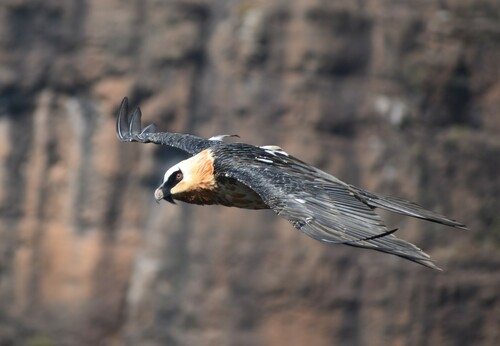
ヒゲワシ (Gypaetus barbatus) ヒゲワシ
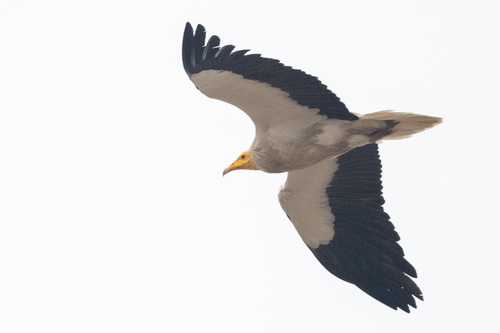
エジプトハゲワシ (Neophron percnopterus) エジプトハゲワシ

メディア

読み込み中…

要点

ヒゲワシとエジプトハゲワシの最も信頼できるフィールドマークはサイズと構造です:ヒゲワシは巨大で、長く狭い翼の形状と非常に長いくさび形の尾を持っていますが、エジプトハゲワシははるかに小さく、尖った翼と短いくさび形の尾を持っています。幼鳥の羽毛は異なります:若いヒゲワシは全体的に暗い黒褐色ですが、幼鳥のエジプトハゲワシは黒と白の斑点があるチョコレート色です。飛行中、ヒゲワシは隼のように見えますが、はるかに大きいです。一方、エジプトハゲワシはよりコンパクトで、白い体に黒い飛行羽を持っています。両種は土壌からの錆びたまたはオレンジ色の染みを示すことがありますが、全体的な比率と飛行の印象は明らかに異なります。

識別のコツ

  1. Size is the first check: ヒゲワシはエジプトハゲワシの2倍以上の質量を持ち、翼幅もはるかに長いです。もしその鳥がワシやコンドルのサイズに見えるなら、それはヒゲワシです。
  2. Tail shape and length: ヒゲワシの尾は非常に長く、くさび形で、翼の幅よりも長く、飛行中に明らかです。エジプトハゲワシの尾もくさび形ですが、はるかに短く、目立ちません。
  3. Wing shape: ヒゲワシは巨大な隼を思わせる長く狭い翼を持っていますが、エジプトハゲワシの翼はより尖っており、第三の一次羽が最も長く、あまり細長く見えません。
  4. Flight jizz: ヒゲワシは重く、力強く、直接的な飛行で上昇し、しばしば崖の高いところを飛んでいます。エジプトハゲワシは軽く、より浮力があり、しばしば上昇気流で旋回しているのが見られます。
  5. Juvenile plumage: 若いヒゲワシはほぼ全体が暗く、淡いまたは白い部分がありませんが、幼鳥のエジプトハゲワシは黒と白の斑点がある茶色で、よりコントラストが見られます。
  6. Adult head pattern: ヒゲワシの成鳥はクリーミーな額、黒いマスク、顎の下に特徴的な黒い「ひげ」を持っています。エジプトハゲワシの成鳥は裸の黄色い顔を持ち、ひげはなく、白い頭(ただし土で汚れている場合を除く)です。
  7. Body color: 成鳥のヒゲワシは一般的に上面が暗い灰色で、腹部と頭に変動するオレンジまたは錆色があります。エジプトハゲワシは白い体に黒い飛行羽を持っていますが、土壌からの汚れで錆びたまたは茶色っぽく見えることがあります。
  8. Bill structure: ヒゲワシは骨を砕くのに適した大きく力強いくちばしを持っています。エジプトハゲワシのくちばしは細く、長く、先端がフック状で、成鳥では黄色または淡い基部があります。
  9. Facial skin: エジプトハゲワシは喉まで黄色い裸の皮膚を示します。ヒゲワシは黒いマスクとひげを除いて羽毛のある顔を持っています。
  10. Leg color: エジプトハゲワシの成鳥はピンクの脚を持っています。ヒゲワシの脚の色はフィールドでは特に目立ちません。
  11. Ground behavior: ヒゲワシは地面で重く、よちよち歩いているように見えますが、エジプトハゲワシはより直立で活発です。
  12. Habitat context: ヒゲワシはほぼ常に遠隔の高山地域にいますが、エジプトハゲワシは人間の活動や開けた国に近い場所で見られる可能性が高いです。
  13. Cosmetic coloration: 両種は土壌からオレンジまたは錆色に見えることがありますので、識別のためにこれだけに頼らないでください。
  14. Sex differences: 両種は羽毛において性的二形性がほとんど見られません。サイズだけがわずかに異なる場合がありますが、二つを混同するほどではありません。
  15. Vocalizations: どちらの種もフィールドで声で識別される可能性は低く、鳴き声は珍しく、分離のための診断にはなりません。

大きさ

ヒゲワシは劇的に大きく、平均5544 g(5.5 kg以上)で、翼幅は最大2.83 mです。エジプトハゲワシは平均1977 g(約2 kg)で、はるかにコンパクトです。距離があっても、ヒゲワシのサイズはワシやコンドルに近いですが、エジプトハゲワシはほとんどの他の旧世界のハゲワシよりも小さいです。両種の雌は雄よりもわずかに大きいですが、その違いは種間の差に比べると小さいです。

羽色

行動

ヒゲワシは骨を食べることに特化しており、大きな骨を持ち上げて岩に落として割るのがよく見られます。彼の飛行は力強く直接的で、長く狭い翼と特徴的なくさび形の尾を持ち、高高度で滑空したり上昇したりします。エジプトハゲワシはより一般的な掃除屋で、昼間に上昇気流で旋回しているのがよく見られ、軽く、より敏捷な飛行をします。地面では、ヒゲワシはよちよち歩きの歩き方をし、重く見えますが、エジプトハゲワシはより直立で活発です。両者は死骸の近くで見られることがありますが、ヒゲワシは通常、肉を無視して骨を好みます。

生息環境

両種は山岳地帯や開けた風景を好みますが、ヒゲワシは高山、崖、険しい地形により厳密に関連しており、しばしば樹木の上にいます。エジプトハゲワシはより適応性があり、山から開けた平原、農地、人間の集落の近くまで見られ、特に南ヨーロッパ、北アフリカ、南アジアで見られます。エジプトハゲワシは村やゴミ捨て場の近くで見られる可能性が高いですが、ヒゲワシは遠隔の岩の多い地域から遠くに見られることはほとんどありません。

声

ヒゲワシは主に静かで、繁殖行動中の鋭い笛の音や巣の近くでの隼のような「チーク-チーク」という呼び声を除いてはほとんど音を発しません。エジプトハゲワシの鳴き声は提供されたメモには記載されていませんが、どちらの種も特に声を出すことはなく、フィールドで音で識別される可能性は低いです。

より良い説明を送る

比較と同じ項目を使ってください。文章はすぐに公開されます。

The most reliable field mark between Bearded Vulture and Egyptian Vulture is size and structure: Bearded Vulture is enormous, with a long, narrow wing shape and a very long, wedge-shaped tail, while Egyptian Vulture is much smaller, with pointed wings and a shorter wedge-shaped tail. Juvenile plumages differ: young Bearded Vultures are dark black-brown overall, whereas juvenile Egyptian Vultures are chocolate brown with black and white patches. In flight, Bearded Vulture appears falcon-like but much bulkier, while Egyptian Vulture is more compact and white-bodied with black flight feathers. Both species may show rusty or orange staining from soil, but their overall proportions and flight jizz are unmistakably different.

  1. Size is the first check: Bearded Vulture is over twice the mass of Egyptian Vulture and has a much longer wingspan; if the bird looks eagle- or condor-sized, it's Bearded.
  2. Tail shape and length: Bearded Vulture's tail is extremely long and wedge-shaped, longer than the width of its wing, and obvious in flight. Egyptian Vulture's tail is also wedge-shaped but much shorter and less prominent.
  3. Wing shape: Bearded Vulture has long, narrow wings reminiscent of a giant falcon, while Egyptian Vulture's wings are more pointed, with the third primary longest, and appear less elongated.
  4. Flight jizz: Bearded Vulture soars with a heavy, powerful, and direct flight, often high above cliffs; Egyptian Vulture is lighter, more buoyant, and often seen circling in thermals.
  5. Juvenile plumage: Young Bearded Vultures are nearly all dark, lacking pale or white areas, while juvenile Egyptian Vultures are brown with black and white patches, showing more contrast.
  6. Adult head pattern: Bearded Vulture adults have a creamy forehead, black mask, and distinctive black 'beard' of bristles under the chin. Egyptian Vulture adults have a bare yellow face, no beard, and a white head (unless stained by soil).
  7. Body color: Adult Bearded Vultures are generally dark grey above with variable orange/rust on the underparts and head; Egyptian Vultures are white-bodied with black flight feathers, but may appear rusty or brownish from soil.
  8. Bill structure: Bearded Vulture has a large, powerful bill suited for breaking bones; Egyptian Vulture's bill is slender, long, and hooked at the tip, with a yellow or pale base in adults.
  9. Facial skin: Egyptian Vulture shows yellow bare skin down to the throat; Bearded Vulture has feathered face except for the black mask and beard.
  10. Leg color: Egyptian Vulture adults have pink legs; Bearded Vulture's leg color is not distinctive in the field.
  11. Ground behavior: Bearded Vulture appears heavy and waddling on the ground; Egyptian Vulture is more upright and active.
  12. Habitat context: Bearded Vulture is almost always in remote, high mountain areas; Egyptian Vulture is more likely near human activity or in open country.
  13. Cosmetic coloration: Both species may appear orange or rusty from soil, so do not rely on this alone for identification.
  14. Sex differences: Both species show little sexual dimorphism in plumage; only size may differ slightly, but not enough to confuse the two.
  15. Vocalizations: Neither species is likely to be identified by voice in the field; calls are rare and not diagnostic for separation.

Bearded Vulture is dramatically larger, averaging 5544 g (over 5.5 kg), with a wingspan up to 2.83 m. Egyptian Vulture averages only 1977 g (about 2 kg) and is much more compact. Even at a distance, Bearded Vulture's size is closer to an eagle or condor, while Egyptian Vulture is smaller than most other Old World vultures. Females of both species are slightly larger than males, but the difference is minor compared to the gulf between species.

  • Juveniles: Young Bearded Vultures are dark black-brown all over with a grey-brown breast, lacking the white or pale areas of adults. They gradually become paler over several years, only reaching full adult plumage at 5–7 years. Juvenile Egyptian Vultures are chocolate brown with black and white patches, already showing some contrast, and also take about five years to reach adult plumage.
  • Adults: Adult Bearded Vultures have a creamy forehead, dark mask, and black beard, with variable orange or rust staining on the head, breast, and legs (from mud or dust-bathing). Their upperparts are grey-blue to grey-black, and the tail and wings are dark grey. Adult Egyptian Vultures are white with black flight feathers, but wild birds often appear rusty or brownish due to soil staining. The bill is slender and long, with yellow unfeathered facial skin. The tail is wedge-shaped but shorter than Bearded Vulture's. Both species show cosmetic coloration, but Bearded Vulture is always darker and bulkier, with a more pronounced mask and beard.

Bearded Vulture is specialized for bone-eating, often seen carrying large bones aloft and dropping them onto rocks to break them open. Its flight is powerful and direct, with long, narrow wings and a distinctive wedge-shaped tail, often gliding or soaring at high altitudes. Egyptian Vulture is a more general scavenger, often seen soaring in thermals during the day, with a lighter, more agile flight. On the ground, Bearded Vulture has a waddling gait and appears heavy, while Egyptian Vulture is more upright and active. Both may be seen at carcasses, but Bearded Vulture usually ignores meat in favor of bones.

Both species favor mountainous or open landscapes, but Bearded Vulture is more strictly associated with high mountains, cliffs, and rugged terrain, often above the treeline. Egyptian Vulture is more adaptable, found from mountains to open plains, farmland, and near human settlements, especially in southern Europe, North Africa, and South Asia. Egyptian Vulture is more likely to be seen near villages or rubbish dumps, while Bearded Vulture is rarely found far from remote, rocky areas.

Bearded Vulture is mostly silent, except for shrill whistles during breeding displays and a falcon-like 'cheek-acheek' call near the nest. Egyptian Vulture's vocalizations are not described in the provided notes, but neither species is particularly vocal or likely to be identified by sound in the field.

変更を破棄しますか?

保存していない編集があります。今離れると失われます。

ヒゲワシ · エジプトハゲワシ · 苦手な鳥