

Gipeto vs Capovaccaio
Gypaetus barbatus contro Neophron percnopterus
Fai un quiz con Gipeto e Capovaccaio
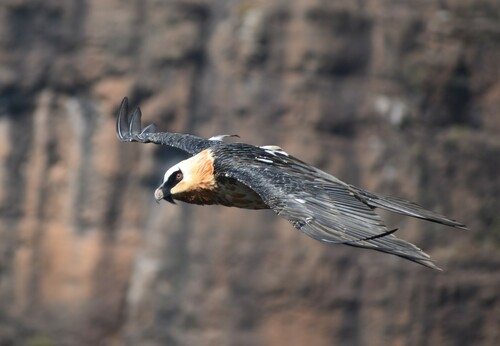 Gipeto
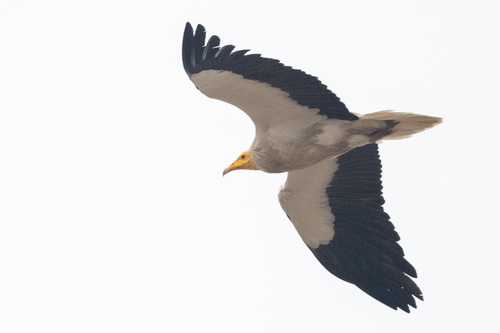 Capovaccaio
In breve
Il segno distintivo più affidabile tra Gipeto e Capovaccaio è la dimensione e la struttura: il Gipeto è enorme, con una forma delle ali lunga e stretta e una coda a forma di cuneo molto lunga, mentre il Capovaccaio è molto più piccolo, con ali appuntite e una coda a forma di cuneo più corta. Le piume giovanili differiscono: i giovani Gipeti sono di un nero-bruno scuro complessivo, mentre i giovani Capovaccai sono di un marrone cioccolato con macchie nere e bianche. In volo, il Gipeto appare simile a un falco ma molto più massiccio, mentre il Capovaccaio è più compatto e di colore bianco con piume di volo nere. Entrambe le specie possono mostrare macchie ruggine o arancioni dal suolo, ma le loro proporzioni complessive e il modo di volare sono indiscutibilmente diversi.
Consigli di identificazione
- La dimensione è il primo controllo: Il Gipeto pesa più del doppio del Capovaccaio e ha un'apertura alare molto più lunga; se l'uccello sembra delle dimensioni di un'aquila o di un condor, è un Gipeto.
- Forma e lunghezza della coda: La coda del Gipeto è estremamente lunga e a forma di cuneo, più lunga della larghezza della sua ala, e ovvia in volo. La coda del Capovaccaio è anch'essa a forma di cuneo ma molto più corta e meno prominente.
- Forma dell'ala: Il Gipeto ha ali lunghe e strette che ricordano un falco gigante, mentre le ali del Capovaccaio sono più appuntite, con il terzo primario il più lungo, e appaiono meno allungate.
- Modo di volare: Il Gipeto vola con un volo pesante, potente e diretto, spesso in alto sopra le scogliere; il Capovaccaio è più leggero, più galleggiante e spesso visto circolare nelle termiche.
- Piumaggio giovanile: I giovani Gipeti sono quasi tutti scuri, privi di aree chiare o bianche, mentre i giovani Capovaccai sono marroni con macchie nere e bianche, mostrando più contrasto.
- Schema della testa degli adulti: Gli adulti Gipeti hanno una fronte cremosa, una maschera nera e una distintiva 'barba' nera di setole sotto il mento. Gli adulti Capovaccai hanno un viso giallo nudo, senza barba, e una testa bianca (a meno che non sia macchiata dal suolo).
- Colore del corpo: Gli adulti Gipeti sono generalmente grigio scuro sopra con variabili macchie arancioni/ruggine sui sottoparti e sulla testa; i Capovaccai sono di colore bianco con piume di volo nere, ma possono apparire rugginosi o marroni a causa delle macchie di suolo.
- Struttura del becco: Il Gipeto ha un grande becco potente adatto a rompere le ossa; il becco del Capovaccaio è snello, lungo e ricurvo all'estremità, con una base gialla o chiara negli adulti.
- Pelle facciale: Il Capovaccaio mostra pelle nuda gialla fino alla gola; il Gipeto ha un viso piumato tranne che per la maschera nera e la barba.
- Colore delle gambe: Gli adulti Capovaccai hanno gambe rosa; il colore delle gambe del Gipeto non è distintivo sul campo.
- Comportamento a terra: Il Gipeto appare pesante e zoppicante a terra; il Capovaccaio è più eretto e attivo.
- Contesto dell'habitat: Il Gipeto si trova quasi sempre in aree montane remote e alte; il Capovaccaio è più probabile che si trovi vicino ad attività umane o in campagna aperta.
- Colorazione cosmetica: Entrambe le specie possono apparire arancioni o rugginosi dal suolo, quindi non fare affidamento solo su questo per l'identificazione.
- Differenze sessuali: Entrambe le specie mostrano poco dimorfismo sessuale nel piumaggio; solo la dimensione può differire leggermente, ma non abbastanza da confondere i due.
- Vocalizzazioni: Nessuna delle due specie è probabile che venga identificata per voce sul campo; i richiami sono rari e non diagnostici per la separazione.
Taglia
Il Gipeto è drammaticamente più grande, con un peso medio di 5544 g (oltre 5,5 kg), con un'apertura alare fino a 2,83 m. Il Capovaccaio pesa in media solo 1977 g (circa 2 kg) ed è molto più compatto. Anche a distanza, la dimensione del Gipeto è più vicina a quella di un'aquila o di un condor, mentre il Capovaccaio è più piccolo della maggior parte degli altri avvoltoi del Vecchio Mondo. Le femmine di entrambe le specie sono leggermente più grandi dei maschi, ma la differenza è minore rispetto al divario tra le specie.
Piumaggio
- Giovani: I giovani Gipeti sono di un nero-bruno scuro ovunque con un petto grigio-bruno, privi delle aree bianche o chiare degli adulti. Diventano gradualmente più chiari nel corso di diversi anni, raggiungendo il piumaggio adulto completo solo a 5–7 anni. I giovani Capovaccai sono di un marrone cioccolato con macchie nere e bianche, mostrando già un certo contrasto, e impiegano anche circa cinque anni per raggiungere il piumaggio adulto.
- Adulti: Gli adulti Gipeti hanno una fronte cremosa, una maschera scura e una barba nera, con macchie di arancione o ruggine variabili sulla testa, sul petto e sulle gambe (da fango o bagni di polvere). Le loro parti superiori sono grigio-bluastre a grigio-nerastre, e la coda e le ali sono grigio scuro. Gli adulti Capovaccai sono bianchi con piume di volo nere, ma gli uccelli selvatici spesso appaiono rugginosi o marroni a causa delle macchie di suolo. Il becco è snello e lungo, con pelle facciale nuda gialla. La coda è a forma di cuneo ma più corta di quella del Gipeto. Entrambe le specie mostrano colorazione cosmetica, ma il Gipeto è sempre più scuro e massiccio, con una maschera e una barba più pronunciate.
Comportamento
Il Gipeto è specializzato nel mangiare ossa, spesso visto trasportare grandi ossa in alto e lasciandole cadere sulle rocce per romperle. Il suo volo è potente e diretto, con ali lunghe e strette e una coda a forma di cuneo distintiva, spesso planando o sorvolando ad alta quota. Il Capovaccaio è un avvoltoio più generale, spesso visto planare nelle termiche durante il giorno, con un volo più leggero e agile. A terra, il Gipeto ha un passo zoppicante e appare pesante, mentre il Capovaccaio è più eretto e attivo. Entrambi possono essere visti su carcasse, ma il Gipeto di solito ignora la carne a favore delle ossa.
Habitat
Entrambe le specie preferiscono paesaggi montuosi o aperti, ma il Gipeto è più strettamente associato a montagne alte, scogliere e terreni accidentati, spesso sopra la linea degli alberi. Il Capovaccaio è più adattabile, trovato da montagne a pianure aperte, terreni agricoli e vicino a insediamenti umani, specialmente nel sud Europa, Nord Africa e Sud Asia. Il Capovaccaio è più probabile che venga visto vicino a villaggi o discariche, mentre il Gipeto è raramente trovato lontano da aree remote e rocciose.
Voce
Il Gipeto è per lo più silenzioso, tranne per fischi acuti durante le esibizioni di corteggiamento e un richiamo simile a 'cheek-acheek' vicino al nido. Le vocalizzazioni del Capovaccaio non sono descritte nelle note fornite, ma nessuna delle due specie è particolarmente vocale o probabile da identificare per suono sul campo.