

Motmot

ヒゲワシ 対 クロハゲワシ

Gypaetus barbatus 対 Aegypius monachus

ヒゲワシとクロハゲワシのクイズ
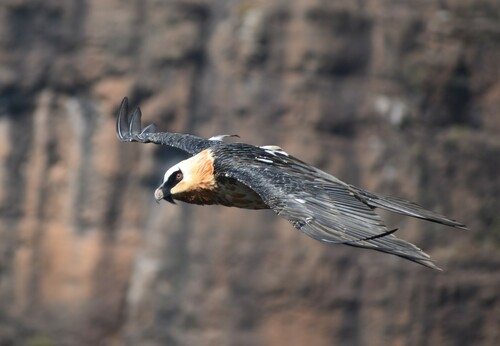
ヒゲワシ (Gypaetus barbatus) ヒゲワシ
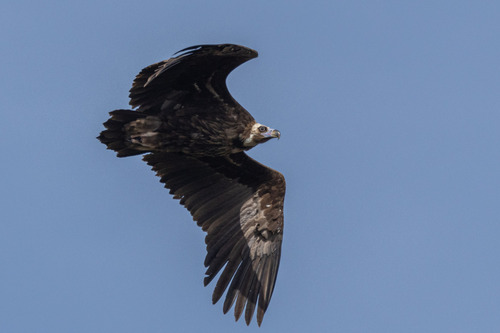
クロハゲワシ (Aegypius monachus) クロハゲワシ

メディア

読み込み中…

要点

ヒゲワシとクロハゲワシを区別する最も信頼できる方法は、全体の構造と飛行シルエットによるものです:ヒゲワシは長くて細い、ほぼ鷹のような翼と長いくさび形の尾を持ち、クロハゲワシはより大きく、非常に広い「バンドア」翼と短くて丸みを帯びた尾を持っています。未熟なヒゲワシは暗いですが、特徴的な尾と翼の形を示しますが、すべての年齢のクロハゲワシは均一に暗く、淡い頭と巨大なくちばしを持っています。長くてひし形の尾と細い翼を持つ巨大なハゲワシを見たら、それはヒゲワシです;翼が広く、鳥が大きく見え、淡い羽毛の頭を持っている場合、それはクロハゲワシです。どちらも巨大ですが、クロハゲワシは特に止まっているときに重くて大きいです。

識別のコツ

  1. Tail shape in flight: ヒゲワシは常に長く、くさび形またはひし形の尾を示し、クロハゲワシの尾よりもはるかに長いです。これは、どの年齢でも最も信頼できるフィールドマークです。
  2. Wing shape: ヒゲワシは長くて細い翼(ほぼ鷹のような)を持ち、クロハゲワシは非常に広い長方形の翼(「バンドア」効果)を持っています。飛行中、ヒゲワシはスレンダーで優雅に見え、クロハゲワシは巨大でブロック状に見えます。
  3. Head and bill: ヒゲワシは小さく淡いクリーム色の額と、顎の下に特徴的な「ひげ」のような毛がある黒い目のストライプを持っています。クロハゲワシは淡い羽毛の頭と首(青灰色の皮膚)を持ち、巨大で重いくちばしと茶色の目を持っています。クロハゲワシのくちばしははるかに目立ち、力強く見えます。
  4. Plumage color (adult): 成熟したヒゲワシは、頭、胸、脚が錆色またはクリーム色(泥の汚れによる)で、上面は灰青色から灰黒色です。クロハゲワシは均一に暗い茶色から黒っぽく、淡い頭を持っていますが、オレンジや錆色のトーンはありません。
  5. Plumage color (immature/juvenile): 未熟なヒゲワシは全体的に暗いですが、長い尾と細い翼を示します。未熟なクロハゲワシは上面がセピア色で、下面が淡く、淡い羽毛の頭と巨大なくちばしを持っています。どちらも遠くから見ると暗く見えることがありますが、構造は異なります。
  6. Flight style: ヒゲワシは敏捷に上昇し、少ない努力で滑空し、バンクしますが、クロハゲワシは遅く、重く、深い翼の打撃を持ち、鈍重な感じがします。
  7. Perched posture: ヒゲワシは長い首と細い体に見え、時には背中を丸め、小さな頭を持っています。クロハゲワシはより大きく、太い首と巨大で重いくちばしを持っています。
  8. Behavior: ヒゲワシだけが高いところから骨を持ち運び、落として割る行動が見られます。クロハゲワシはこの行動を示しません。
  9. Habitat context: ヒゲワシは山岳地帯やアルプスの地形にいる可能性が高く、クロハゲワシはより広範囲の開けた生息地、草原や森林の端に見られます。
  10. Relative size: どちらも巨大ですが、クロハゲワシは特に並んでいるときや止まっているときに重くて大きいです。
  11. Head pattern: ヒゲワシの黒い目のストライプと「ひげ」はユニークで、近距離で見ることができます;クロハゲワシの頭は淡く羽毛状で、強い顔の模様はありません。
  12. Tail vs. wing width: ヒゲワシでは、尾は翼の幅よりも長いです;クロハゲワシでは、尾は翼の幅よりも短いです。
  13. Color of legs and cere: クロハゲワシは淡い青灰色の脚と紫がかったセレを持っています;ヒゲワシの脚の色はフィールドではあまり目立ちません。
  14. Voice: 信頼できるフィールドマークではありません;どちらも一般的に静かです。
  15. Pitfalls: 遠くからの視界や逆光の視界では、どちらの種も均一に暗く見えることがあります;常に色よりも構造(尾と翼の形)を優先してください。

大きさ

ヒゲワシは大きい(体重約5.5 kg [avonet])ですが、クロハゲワシはさらに大きくて重く、雌は最大12.5 kg、翼幅は最大3.1 mに達します [wikipedia]。ヒゲワシは長くて細く、翼幅は2.3〜2.8 m、体長は最大1.25 mですが、クロハゲワシはより大きく、翼幅は2.5〜3.1 m、体長はわずかに長く(最大1.2 m)なります。フィールドでは、クロハゲワシはより重くて威圧的に見え、ヒゲワシはより長くて流線型に見えます。

羽色

幼鳥と未熟なヒゲワシは全体的に暗い黒褐色で、灰褐色の胸を持ち、数年かけて成鳥の淡い頭と錆色/オレンジ色の腹部を徐々に獲得します。重要なのは、若いヒゲワシでも長いくさび形の尾と細い翼を保持しており、どの年齢のクロハゲワシとも区別されることです。成鳥のヒゲワシは淡いクリーム色の額、黒い目のストライプ、顎の下に黒い「ひげ」を持ち、頭、胸、脚には変動するオレンジまたは錆色があります(化粧品の汚れによる)。クロハゲワシ(すべての年齢)は全体的に非常に暗い茶色から黒っぽく、成鳥は淡い羽毛の頭と首、茶色の目、巨大な青灰色のくちばしを示します。未熟なものは上面がセピア色で、下面が淡く、頭には灰色の羽毛があります。飛行中、クロハゲワシは均一に暗く、広い翼と短く丸い尾を持ち、ヒゲワシはより対照的な頭の模様と長いひし形の尾を持っています。

行動

ヒゲワシは翼を平らにまたはわずかにアーチさせて上昇し、長くて細い翼と特徴的なくさび形の尾を示します。その飛行は、同サイズの鳥としては敏捷で鷹のようです。地上では、ヒゲワシはよちよち歩きの歩き方をします。クロハゲワシは飛行中、遅くて重く、深い重い打撃と広い翼を持ち、まっすぐまたはわずかにアーチさせて保持します。そのシルエットはブロック状で巨大であり、空中でも地上でもより鈍重に見えます。ヒゲワシは高いところから骨を落として割ることで有名であり、これはクロハゲワシでは見られない行動です。

生息環境

どちらの種もスカベンジャーですが、ヒゲワシはより専門的で、骨を見つけて食べることができる山岳地域にしばしば見られます。クロハゲワシは温帯ユーラシア全体に広がり、高山にあまり依存せず、開けた国、草原、森林の端にしばしば見られます。重複する地域では、文脈が役立つかもしれません:ヒゲワシは険しいアルプスまたは亜アルプスの地形にいる可能性が高いです。

声

どちらの種も一般的に静かです。ヒゲワシは繁殖行動中に鋭い口笛を発することがあり、巣の近くで鷹のような「チーク・ア・チーク」という呼び声を発しますが、これらはフィールドではほとんど聞かれません。クロハゲワシには特に目立つフィールドの声は記録されていません。

より良い説明を送る

比較と同じ項目を使ってください。文章はすぐに公開されます。

The most reliable way to separate Bearded Vulture from Black Vulture is by overall structure and flight silhouette: Bearded Vulture has long, narrow, almost falcon-like wings and a long, wedge-shaped tail, while Black Vulture is bulkier with very broad, 'barn door' wings and a shorter, more rounded tail. Immature Bearded Vultures are dark but still show the distinctive tail and wing shape, whereas Black Vultures of all ages appear uniformly dark with a pale head and massive bill. If you see a huge vulture with a long, diamond-shaped tail and narrow wings, it's a Bearded; if the wings are broad and the bird looks hulking with a pale, downy head, it's a Black Vulture. Both are enormous, but Black Vulture is heavier and bulkier, especially when perched.

  1. Tail shape in flight: Bearded Vulture always shows a long, wedge- or diamond-shaped tail, much longer than the tail of Black Vulture, whose tail is shorter and more rounded. This is the single most reliable field mark at any age.
  2. Wing shape: Bearded Vulture has long, narrow wings (almost falcon-like), while Black Vulture has very broad, rectangular wings ('barn door' effect). In flight, Bearded looks slender and elegant; Black looks massive and blocky.
  3. Head and bill: Bearded Vulture has a small, pale, creamy forehead and a black eye-stripe with a distinct 'beard' of bristles under the chin. Black Vulture has a pale, downy head and neck (bluish-grey skin), with a huge, heavy bill and brown eyes. The bill of Black Vulture is much more prominent and powerful-looking.
  4. Plumage color (adult): Adult Bearded Vulture is rusty-orange or cream on the head, breast, and legs (from mud-staining), with grey-blue to grey-black upperparts. Black Vulture is uniformly dark brown to blackish, with a paler head but no orange or rust tones.
  5. Plumage color (immature/juvenile): Immature Bearded Vulture is dark overall but still shows the long tail and narrow wings. Immature Black Vulture is sepia-brown above, paler below, with a pale, downy head and massive bill. Both can appear dark at a distance, but the structure is different.
  6. Flight style: Bearded Vulture soars with agility, often gliding and banking with little effort, while Black Vulture is slower, with heavy, deep wingbeats and a ponderous feel.
  7. Perched posture: Bearded Vulture appears long-necked and slender, sometimes hunched, with a small head. Black Vulture is bulkier, with a thick neck and a massive, heavy bill.
  8. Behavior: Only Bearded Vulture is seen carrying and dropping bones from height to crack them open. Black Vulture does not exhibit this behavior.
  9. Habitat context: Bearded Vulture is more likely in mountainous or alpine terrain, while Black Vulture is found in a wider range of open habitats, including steppe and woodland edges.
  10. Relative size: Both are huge, but Black Vulture is noticeably heavier and bulkier, especially when seen side-by-side or perched.
  11. Head pattern: Bearded Vulture's black eye-stripe and 'beard' are unique and visible at close range; Black Vulture's head is pale and downy with no strong facial markings.
  12. Tail vs. wing width: On Bearded Vulture, the tail is longer than the width of the wing; on Black Vulture, the tail is shorter than the wing width.
  13. Color of legs and cere: Black Vulture has pale blue-grey legs and a purplish cere; Bearded Vulture's leg color is less distinctive in the field.
  14. Voice: Not a reliable field mark; both are generally silent.
  15. Pitfalls: Distant or backlit views can make both species appear uniformly dark; always prioritize structure (tail and wing shape) over color.

Bearded Vulture is large (body mass ~5.5 kg [avonet]), but Black Vulture is even bigger and bulkier, with females reaching up to 12.5 kg and wingspans up to 3.1 m [wikipedia]. Bearded Vulture is long and slender, with a wingspan of 2.3–2.8 m and a body length up to 1.25 m, while Black Vulture is more massive, with a wingspan of 2.5–3.1 m and a slightly longer body (up to 1.2 m). In the field, Black Vulture appears heavier and more imposing, while Bearded Vulture looks longer and more streamlined.

Juvenile and immature Bearded Vultures are dark black-brown overall with a grey-brown breast, gradually acquiring the adult's pale head and rusty/orange underparts over several years. The key is that even young Bearded Vultures retain the long, wedge-shaped tail and narrow wings, setting them apart from Black Vulture of any age. Adult Bearded Vultures have a pale, creamy forehead, black eye-stripe, and a black 'beard' under the chin, with variable orange or rust on the head, breast, and legs (from cosmetic staining). Black Vultures (all ages) are very dark brown to blackish overall, with adults showing a pale, downy head and neck, brown eyes, and a massive blue-grey bill. Immatures are sepia-brown above with a paler underside and grey down on the head. In flight, Black Vulture looks uniformly dark with broad wings and a short, rounded tail; Bearded Vulture has a more contrasting head pattern and a long, diamond-shaped tail.

Bearded Vulture often soars with wings held flat or slightly arched, showing long, narrow wings and a distinctive wedge-shaped tail. Its flight is agile and falcon-like for a bird of its size. On the ground, it has a waddling gait. Black Vulture is slower and heavier in flight, with deep, heavy flaps and broad wings held straight or slightly arched. Its silhouette is blocky and massive, and it appears more ponderous both in the air and on the ground. Bearded Vulture is famous for dropping bones from height to crack them, a behavior not seen in Black Vulture.

Both species are scavengers, but Bearded Vulture is more specialized, often found in mountainous regions where it can find bones to feed on. Black Vulture is more widespread across temperate Eurasia and is less tied to high mountains, often found in open country, steppe, and woodland edges. In areas of overlap, context may help: Bearded Vulture is more likely in rugged alpine or subalpine terrain.

Both species are generally silent. Bearded Vulture may give shrill whistles during breeding displays and a falcon-like 'cheek-acheek' call near the nest, but these are rarely heard in the field. No distinctive field vocalizations are noted for Black Vulture.

変更を破棄しますか?

保存していない編集があります。今離れると失われます。

ヒゲワシ · クロハゲワシ · 苦手な鳥