

Motmot

オオソリハシシギ 対 イソシギ

Limosa lapponica 対 Actitis hypoleucos

オオソリハシシギとイソシギのクイズ
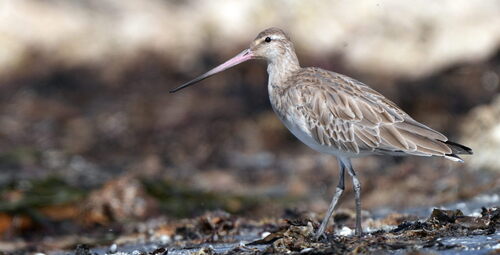
オオソリハシシギ (Limosa lapponica) オオソリハシシギ
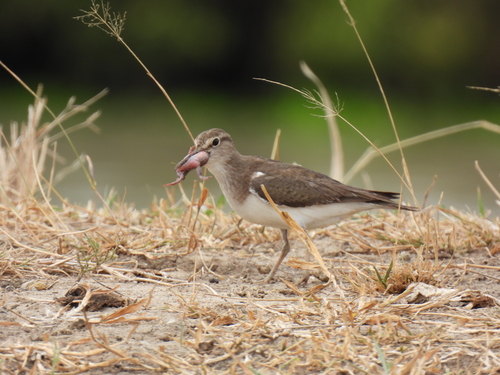
イソシギ (Actitis hypoleucos) イソシギ

メディア

読み込み中…

要点

オオソリハシシギとイソシギを区別する最も信頼できるフィールドマークは、全体のサイズと構造です:オオソリハシシギは、長く、わずかに上向きのくちばしと長い脚を持つ、はるかに大きく、重い鳥であり、一方イソシギは小さく、コンパクトで、短く、まっすぐなくちばしと短い黄褐色の脚を持っています。飛行中、オオソリハシシギは多くの水鳥の強い翼の模様が欠けており、幼鳥や非繁殖期のイソシギは、上翼により多くの縞模様があり、近距離でより鮮明な翼の模様を示します。繁殖羽衣のオオソリハシシギは、豊かな赤色の腹部を示します(特にオス)、これはイソシギには決して見られません。長く、わずかに上向きのくちばしと青灰色の脚を持つ中型から大型の水鳥を見たら、それはオオソリハシシギです;小型で短いくちばしを持ち、尾を上下に動かしながら、硬く低い飛行をする鳥はイソシギです。

識別のコツ

  1. サイズは最も迅速な区別要素です: オオソリハシシギはイソシギの2倍以上の長さと体積があります;大きな水鳥を見たら、それはイソシギではありません。
  2. くちばしの形と長さ: オオソリハシシギは長く、わずかに上向きのくちばし(基部はピンク、先端は黒)を持っています;イソシギのくちばしは短く、まっすぐで、わずかに二色です。これは中距離でも確認できます。
  3. 脚の色と長さ: オオソリハシシギは青灰色の長い脚を持っています;イソシギは短く、暗い黄褐色の脚を持っています。脚の色は特に止まっている鳥に役立ちます。
  4. 繁殖羽衣: 繁殖期にオオソリハシシギのオス(およびやや少ないがメス)だけが春/夏に赤褐色から栗色の腹部を示します。イソシギは常に上面が茶色で、下面が白です。
  5. 非繁殖羽衣: 両種ともに地味になりますが、オオソリハシシギはより大きく、上面がより均一な灰褐色で微妙な縞模様があります;イソシギは小さく、近距離で翼により明白な(しかし細かい)縞模様があります。
  6. 幼鳥/未成熟の模様: 幼鳥のイソシギは、上面により多くの縞模様を示し、羽毛の縁が黄褐色で、オオソリハシシギの幼鳥よりも鮮明な上翼の模様を持っています。オオソリハシシギの幼鳥は、より均一に黄褐色で、下面に縞模様があります。
  7. 飛行スタイル: オオソリハシシギは強く、直接に飛び、しばしば高く、群れで飛びます;イソシギは水面を低く飛び、硬く、迅速な翼の打撃と特徴的な波打つ飛行をします。
  8. 尾と臀部: オオソリハシシギはオグロシギの強い白い臀部と黒い尾帯が欠けていますが、平坦な背中と尾を持っています;イソシギは平坦な茶色の尾と背中を持ち、目立つ臀部の模様はありません。
  9. 地上での行動: イソシギは常に尾を上下に動かしながら、ポンピング動作で餌を探しています;オオソリハシシギはより安定して立ち、長いくちばしで泥を探ります。
  10. 生息地の文脈: オオソリハシシギはほぼ常に開放的な干潟や河口にいます;イソシギはより多くの淡水の縁や保護された沿岸地域にいます。
  11. 社会的行動: オオソリハシシギはしばしば緩い群れで、特に移動中や越冬地で見られます;イソシギは通常孤独または小さな群れで見られます。
  12. 性的二形性: 繁殖羽衣のオオソリハシシギのオスは、腹部がはるかに明るい赤色です;メスは鈍いですが、まだ栗色を示します。イソシギはあまり性的二形性を示しません。
  13. 季節的タイミング: 春または初夏に赤い腹の神楽を見たら、それはオオソリハシシギのオスです;イソシギはこれを決して示しません。
  14. 混乱のリスク: 非繁殖羽衣の遠くにいる孤独なオオソリハシシギは地味に見え、大きなシギと間違われることがありますが、サイズとくちばしの形が明確にします。幼鳥のイソシギは上面に模様があるように見えるかもしれませんが、常にはるかに小さく、短いくちばしです。
  15. ノートに強い音声の手がかりはありません: コールはここでは説明されていないので、視覚的なマークに頼ってください。

大きさ

オオソリハシシギは劇的に大きいです:体重は平均約333.5gで、長さは37〜41cm、翼幅は70〜80cmです。イソシギははるかに小さく、長さは18〜20cm、翼幅は32〜35cm(体重と体積の半分未満)です。距離があっても、オオソリハシシギのサイズと長脚、長くてくちばしの比率は、イソシギのコンパクトで短脚の外観と比較して際立っています。両方を一緒に見ると、混乱はほぼ不可能です。

羽色

行動

オオソリハシシギは通常、干潟や河口を探る姿が見られ、しばしば緩い群れで、儀式的または追跡飛行を行うことがありますが、オグロシギのような転がり飛行や不規則な飛行はありません。その飛行は強く、直接的で、長距離移動者にふさわしいものです。イソシギは通常孤独または小さな群れで見られ、混合群れにはめったに見られず、特徴的な尾の上下動と硬い翼での低く波打つ飛行で有名です。地上では、イソシギは特徴的なポンピング尾と突き出た頭の動きで歩きますが、オオソリハシシギはこの動作を行いません。

生息環境

オオソリハシシギは、特に移動中や冬に開放的な沿岸の干潟や河口を好み、北極のツンドラで繁殖します。イソシギは、淡水湖、川、流れの縁に沿って見られることが多いですが、泥や砂の岸でも見られ、特に通過中に見られます。移動中に重複が発生することがありますが、オオソリハシシギは開放的な潮汐生息地に非常に結びついているのに対し、イソシギはより小さく、より保護された水域を好みます。

より良い説明を送る

比較と同じ項目を使ってください。文章はすぐに公開されます。

The most reliable field mark to separate Bar-tailed Godwit from Common Sandpiper is overall size and structure: Bar-tailed Godwit is a much larger, heavier bird with a long, slightly upturned bill and long legs, while Common Sandpiper is small, compact, with a short, straight bill and short yellowish legs. In flight, Bar-tailed Godwit lacks the strong wing patterning of many waders, while juvenile and non-breeding Common Sandpipers show more barring on the upperwing and a crisper wing pattern at close range. Bar-tailed Godwit in breeding plumage shows rich red underparts (especially males), which Common Sandpiper never shows. If you see a medium-to-large wader with a long, slightly upturned bill and blue-grey legs, it's a Bar-tailed Godwit; a small, short-billed, tail-bobbing bird with a stiff, low flight is a Common Sandpiper.

  1. Size is the quickest separator: Bar-tailed Godwit is more than twice the length and bulk of Common Sandpiper; if you see a large wader, it's not a Common Sandpiper.
  2. Bill shape and length: Bar-tailed Godwit has a long, slightly upturned bill (pink at base, black at tip); Common Sandpiper's bill is short, straight, and only slightly bicolored. This is visible even at medium range.
  3. Leg color and length: Bar-tailed Godwit has blue-grey, long legs; Common Sandpiper has short, dark yellowish legs. Leg color is especially useful on perched birds.
  4. Breeding plumage: Only Bar-tailed Godwit males (and to a lesser extent females) show brick-red to chestnut underparts in spring/summer. Common Sandpiper is always brown above, white below.
  5. Non-breeding plumage: Both species become plainer, but Bar-tailed Godwit remains larger, with a more uniform grey-brown above and subtle striping; Common Sandpiper is smaller, with more obvious (but fine) barring on the wings at close range.
  6. Juvenile/immature pattern: Juvenile Common Sandpiper shows more barring above and buff-edged wing feathers, giving a crisper upperwing pattern than juvenile Bar-tailed Godwit, which is more uniformly buff and streaked below.
  7. Flight style: Bar-tailed Godwit flies strongly and directly, often high and in flocks; Common Sandpiper flies low over water with stiff, rapid wingbeats and a distinctive undulating path.
  8. Tail and rump: Bar-tailed Godwit lacks the strong white rump and black tail band of Black-tailed Godwit, but has a plain back and tail; Common Sandpiper has a plain brown tail and back, with no striking rump pattern.
  9. Behavior on ground: Common Sandpiper is constantly bobbing its tail and foraging with a pumping motion; Bar-tailed Godwit stands and walks more steadily, probing mud with its long bill.
  10. Habitat context: Bar-tailed Godwit is almost always on open tidal flats or estuaries; Common Sandpiper is more often on the edges of freshwater or sheltered coastal areas.
  11. Social behavior: Bar-tailed Godwit is often in loose flocks, especially on migration or wintering grounds; Common Sandpiper is usually solitary or in small groups.
  12. Sexual dimorphism: Bar-tailed Godwit males in breeding plumage are much brighter red below; females are duller but still show some chestnut. Common Sandpiper shows little sexual dimorphism.
  13. Seasonal timing: If you see a red-bellied godwit in spring or early summer, it's a Bar-tailed Godwit male; Common Sandpiper never shows this.
  14. Confusion risk: Distant, lone Bar-tailed Godwits in non-breeding plumage can look plain and might be mistaken for a larger sandpiper, but size and bill shape should clarify. Juvenile Common Sandpipers might look patterned above, but are always much smaller and shorter-billed.
  15. No strong vocal clues in notes: Calls are not described here, so rely on visual marks.

Bar-tailed Godwit is dramatically larger: body mass averages about 333.5 g, with a length of 37–41 cm and a wingspan of 70–80 cm. Common Sandpiper is much smaller, at 18–20 cm in length and a 32–35 cm wingspan (less than half the mass and bulk). Even at a distance, the godwit’s size and long-legged, long-billed proportions stand out compared to the sandpiper’s compact, short-legged look. If you see both together, confusion is almost impossible.

  • Juveniles/immatures in flight: Juvenile Common Sandpiper shows more extensive barring above and buff edges to wing feathers, giving a crisper, more patterned look on the upperwing than Bar-tailed Godwit juveniles, which are more uniformly buff and streaked below but lack strong wing patterning.
  • Non-breeding (winter) plumage: Bar-tailed Godwit is plain grey-brown above with darker feather centers and whitish below, appearing rather uniform and subtly striped. Common Sandpiper is greyish-brown above and white below, but in winter shows more obvious barring on the wings (though only at close range).
  • Breeding plumage: Male Bar-tailed Godwit is strikingly brick-red below and dark brown above; females are duller but still show chestnut to cinnamon tones on the belly. Common Sandpiper never shows any red or chestnut tones, remaining brown above and white below year-round.
  • Bill and leg color: Bar-tailed Godwit has blue-grey legs and a long, slightly upturned, bi-colored bill (pink at base, black at tip); Common Sandpiper has short, dark yellowish legs and a short, straight bill with a pale base and dark tip.

Bar-tailed Godwit is usually seen probing mudflats or estuaries, often in loose flocks, and may perform ceremonial or pursuit flights but lacks the tumbling, erratic flight of Black-tailed Godwit. Its flight is strong and direct, befitting a long-distance migrant. Common Sandpiper is typically solitary or in small groups, rarely in mixed flocks, and is famous for its distinctive tail-bobbing and stiff-winged, low, undulating flight over water. On the ground, Common Sandpiper walks with a characteristic pumping tail and thrusting head movement, which Bar-tailed Godwit does not do.

Bar-tailed Godwit favors open coastal mudflats and estuaries, especially during migration and winter, and breeds on Arctic tundra. Common Sandpiper is more often found along the edges of freshwater lakes, rivers, and streams, but also occurs on muddy or sandy shores, especially on passage. Overlap can occur on migration, but Bar-tailed Godwit is much more tied to open, tidal habitats, while Common Sandpiper prefers smaller, more sheltered water bodies.

変更を破棄しますか?

保存していない編集があります。今離れると失われます。

オオソリハシシギ · イソシギ · 苦手な鳥