

Motmot

マミジロミツドリ 対 コクロアカウソ

Coereba flaveola 対 Loxigilla noctis

マミジロミツドリとコクロアカウソのクイズ
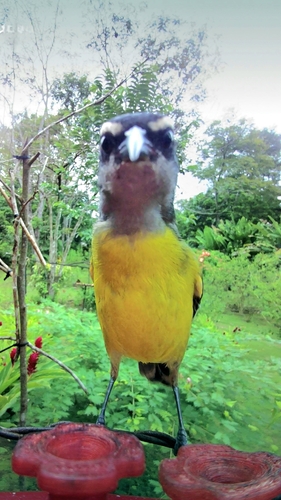
マミジロミツドリ (Coereba flaveola) マミジロミツドリ
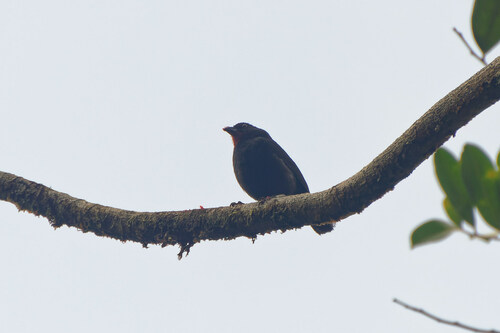
コクロアカウソ (Loxigilla noctis) コクロアカウソ

メディア

読み込み中…

要点

バナナキットとコクロアカウソを区別する最も信頼できるフィールドマークは、バナナキットの大胆な白いアイストライプと黄色い腹部であり、これはコクロアカウソには決して存在しません。コクロアカウソのオスは主に黒で、短い赤い眉斑とオレンジがかった赤い喉を持ち、メスは温かみのある茶色で錆びた色合いをしています—どちらの性別もバナナキットの暗い上面、白い顔のストライプ、そして下部の黄色の組み合わせを示しません。幼鳥のバナナキットは鈍い色合いですが、まだ黄色と淡い眉毛を示し、すべてのコクロアカウソは完全に黄色を欠いています。くちばしの形状も重要です:バナナキットは蜜を吸うために細長く強く曲がったくちばしを持ち、コクロアカウソのくちばしは太く、フィンチのようです。両種は庭で活発に見られることがありますが、その構造と羽毛は良い視界で区別されます。

識別のコツ

  1. 白いアイストライプ(バナナキットのみ): 目の上に大胆な白いストライプを探してください;すべてのバナナキットの年齢と性別に存在し、コクロアカウソには決してありません。
  2. 黄色い腹部(バナナキットのみ): バナナキットは常に胸、腹、そして尾に黄色を示します(いくつかの全体的に黒っぽい島嶼型を除く);コクロアカウソは下部に黄色を持ちません。
  3. くちばしの形状: バナナキットは蜜を吸うために適応した細長く強く曲がったくちばしを持ち、コクロアカウソのくちばしは太く、円錐形でフィンチのようで、種子や果物に適しています。
  4. オスのコクロアカウソの羽毛: 成熟したオスのコクロアカウソは主に黒で、短い赤い眉斑とオレンジがかった赤い喉を持ち—下部に黄色や白はなく、白いアイストライプもありません。
  5. メスのコクロアカウソの羽毛: メスのコクロアカウソは全体的に温かみのある茶色で、錆びた色のロアと錆びた縁の大きな羽毛を持ち、白い顔のマーキングや下部の黄色を欠いています。
  6. 幼鳥のバナナキット: 大人よりも鈍いですが、まだ下部に黄色と淡い眉毛を示し、コクロアカウソのように均一な茶色や黒ではありません。
  7. 尾羽の覆羽: コクロアカウソは一部の亜種で赤褐色や栗色の尾羽の覆羽を示すことがありますが、これらはバナナキットのように黄色や白ではありません。
  8. サイズと構造: バナナキットは小さく、スリムで、より繊細です;コクロアカウソは大きく、重く、より頑丈です。
  9. 採餌行動: バナナキットはしばしば花やフィーダーを探して蜜を吸っているのが見られ、時には蜜を「盗む」こともあります;コクロアカウソは典型的なフィンチのように種子や果物を食べます。
  10. 飛行と動き: バナナキットは素早く、敏捷で、しばしば花の間を飛び回ります;コクロアカウソはより慎重で、アクロバティックではありません。
  11. 生息地の重複: 両方が庭や開けた場所で見られることがあるので、IDのために生息地だけに頼らないでください。
  12. 亜種の変異: 一部の島嶼型のバナナキットは黒っぽいですが、依然として曲がったくちばしを持ち、コクロアカウソの太いくちばしや全体的な構造を欠いています。
  13. コクロアカウソに黄色はない: コクロアカウソはどの年齢や性別でも黄色の羽毛を示しません。
  14. コクロアカウソに白いアイストライプはない: コクロアカウソはどの年齢や性別でも白いアイストライプを示しません。
  15. くちばしの色: コクロアカウソのオスは黒または暗褐色のくちばしを持ち;メスは黒っぽい上顎と褐色または角のような下顎を持ちます。バナナキットのくちばしはすべての年齢で暗く細長いです。

大きさ

コクロアカウソはバナナキットよりも明らかに大きく、重いです。コクロアカウソは長さ14〜15.5 cm、質量は平均18.4 g [wikidata]で、バナナキットは10〜13 cm、5.5〜19 g(ほとんどが下限)と小さいです [wikipedia]。フィールドでは、バナナキットはより繊細で軽量に見え、コクロアカウソのより頑丈で重い印象と比較されます。

羽色

ほとんどの亜種の幼鳥と成鳥のバナナキットは、暗い(ほぼ黒い)上面、目立つ白いアイストライプ、そして黄色い腹部(胸、腹、尾)の目を引く組み合わせを示します。幼鳥は鈍いですが、まだ黄色と淡い眉毛を示します。一部の島嶼型のバナナキットの亜種は全体的に黒っぽいか、喉が淡いですが、これらの形態でも細長く曲がったくちばしを保持し、コクロアカウソの太いくちばしや全体的な構造を欠いています。コクロアカウソのオスは主に黒で、短い赤い眉斑とオレンジがかった赤い喉を持ち;メスは温かみのある茶色で、錆びたロア、茶色の上面、そして錆びた縁の大きな羽毛を持ちます。どの年齢や性別のコクロアカウソも黄色の腹部や白いアイストライプを示しません。コクロアカウソの尾羽の覆羽は一部の亜種で赤褐色になることがありますが、決して黄色や白ではありません。飛行中、どちらの種も診断的な上翼のパターンを示しませんが、顔と下部の止まった視界は非常に信頼できます。

行動

バナナキットは活発で敏捷な蜜の採餌者で、しばしば花の間を飛び回り、時には側面から花を突いて「蜜を盗む」ことがあります。蜜を吸うためには止まる必要があり、ハチドリのようにホバリングしません。バナナキットは頻繁に庭やフィーダーを訪れ、時には非常に人懐っこくなります。コクロアカウソも庭や開けた生息地で見られますが、典型的なフィンチのように振る舞い、重く遅い動きで種子や果物を食べます。花を突くのが見られる可能性は低く、地面や低木の近くで採餌しているのが見られる可能性が高いです。両種は人懐っこくなることがありますが、採餌行動は大きく異なります。

生息環境

両種はレッサーアンティル諸島の庭、公園、開けた半開放生息地で一般的ですが、バナナキットはより広範囲に分布し、西インド諸島全体(キューバを除く)、南メキシコ、熱帯南アメリカに生息しています。コクロアカウソはレッサーアンティル諸島の島々に制限されています。どちらの種も密林や高地の典型的な生息地ではありません。重複する地域では、両方が類似の郊外やエッジの生息地で見られることがあるため、生息地だけでは診断的ではありません。

より良い説明を送る

比較と同じ項目を使ってください。文章はすぐに公開されます。

The most reliable field mark to separate Bananaquit from Lesser Antillean Bullfinch is the Bananaquit's bold white eyestripe and yellow underparts, which are never present on the bullfinch. Lesser Antillean Bullfinch males are mostly black with a short red supercilium and orangish red throat, while females are warm brown with rusty tones—neither sex shows the Bananaquit's combination of dark upperparts, white facial stripe, and yellow below. Juvenile Bananaquits are duller but still show yellow and a pale eyebrow, while all bullfinches lack yellow entirely. Bill shape is also key: Bananaquit has a slender, strongly curved bill for nectar feeding, while the bullfinch's bill is thick and finch-like. Both species can be active in gardens, but their structure and plumage are distinct in good views.

  1. White eyestripe (Bananaquit only): Look for a bold white stripe above the eye; present in all Bananaquit ages and sexes, never in bullfinch.
  2. Yellow underparts (Bananaquit only): Bananaquit always shows yellow on the chest, belly, and rump (except in a few all-blackish insular forms); bullfinch never has yellow below.
  3. Bill shape: Bananaquit has a slender, strongly decurved bill adapted for nectar feeding; bullfinch's bill is thick, conical, and finch-like, suited for seeds and fruit.
  4. Male bullfinch plumage: Adult male Lesser Antillean Bullfinch is mostly black with a short red supercilium and orangish red throat—never yellow or white below, and no white eyestripe.
  5. Female bullfinch plumage: Female bullfinch is warm brown overall with rusty lores and rusty-edged greater coverts, lacking any white facial markings or yellow below.
  6. Juvenile Bananaquit: Duller than adults, but still shows yellow below and a pale eyebrow; never uniform brown or black like bullfinch.
  7. Undertail coverts: Bullfinch may show rufous or chestnut undertail coverts in some subspecies, but these are never yellow or white as in Bananaquit.
  8. Size and structure: Bananaquit is smaller, slimmer, and more delicate; bullfinch is larger, heavier, and more robust.
  9. Feeding behavior: Bananaquit is often seen probing flowers or feeders for nectar, sometimes 'robbing' nectar; bullfinch feeds more like a typical finch, eating seeds and fruit.
  10. Flight and jizz: Bananaquit is quick, agile, and often flits among flowers; bullfinch is more deliberate and less acrobatic.
  11. Habitat overlap: Both can occur in gardens and open areas, so do not rely on habitat alone for ID.
  12. Subspecies variation: Some insular Bananaquit forms are blackish, but still have a curved bill and lack the bullfinch's thick bill and overall structure.
  13. No yellow in bullfinch: At no age or sex does Lesser Antillean Bullfinch show yellow plumage.
  14. No white eyestripe in bullfinch: At no age or sex does bullfinch show a white eyestripe.
  15. Bill color: Bullfinch males have a black or dark brown bill; females have a blackish upper and brownish or horn lower mandible. Bananaquit's bill is dark and slender in all ages.

Lesser Antillean Bullfinch is noticeably larger and heavier than Bananaquit. Bullfinch measures 14–15.5 cm in length and averages 18.4 g in mass [wikidata], while Bananaquit is smaller at 10–13 cm and 5.5–19 g (most at the lower end) [wikipedia]. In the field, Bananaquit appears more delicate and lightweight, with a finer build, compared to the bullfinch's stockier, more robust impression.

Juvenile and adult Bananaquits of most subspecies show a striking combination of dark (almost black) upperparts, a prominent white eyestripe, and yellow underparts (chest, belly, and rump). Juveniles are duller but still show yellow and a pale eyebrow. Some insular Bananaquit subspecies are overall blackish or have paler throats, but even these forms retain a slender, curved bill and lack the bullfinch's thick bill and overall structure. Lesser Antillean Bullfinch males are mostly black with a short red supercilium and orangish red throat; females are warm brown with rusty lores, brown upperparts, and rusty-edged greater coverts. No bullfinch of any age or sex shows yellow underparts or a white eyestripe. The bullfinch's undertail coverts can be rufous-chestnut in some subspecies, but never yellow or white. In flight, neither species shows distinctive upperwing patterns that are diagnostic, but perched views of the face and underparts are highly reliable.

Bananaquit is an active, agile nectar feeder, often seen flitting among flowers and sometimes 'nectar robbing' by piercing flowers from the side. It must perch to feed and does not hover like a hummingbird. Bananaquit frequently visits gardens and feeders, sometimes becoming quite tame. Lesser Antillean Bullfinch is also found in gardens and open habitats but behaves more like a typical finch, feeding on seeds and fruits with a heavier, slower jizz. It is less likely to be seen probing flowers and more likely to be seen foraging on or near the ground or in shrubs. Both species can be confiding, but their feeding behaviors differ markedly.

Both species are common in gardens, parks, and open to semi-open habitats in the Lesser Antilles, but Bananaquit is more widespread, occurring throughout the West Indies (except Cuba), southern Mexico, and tropical South America. Bullfinch is restricted to the Lesser Antilles island chain. Neither species is typical of dense forest or high elevations. In overlapping areas, both may be seen in similar suburban or edge habitats, so habitat alone is not diagnostic.

変更を破棄しますか?

保存していない編集があります。今離れると失われます。

マミジロミツドリ · コクロアカウソ · 苦手な鳥