

Bananaquit vs Lesser Antillean Bullfinch
Coereba flaveola contro Loxigilla noctis
Fai un quiz con Bananaquit e Lesser Antillean Bullfinch
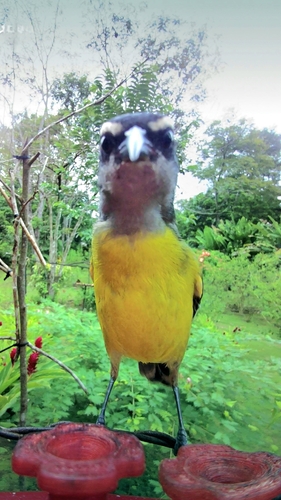 Bananaquit
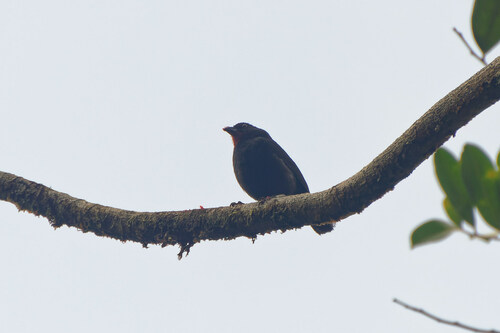 Lesser Antillean Bullfinch
In breve
Il segno di campo più affidabile per separare il Bananaquit dal Lesser Antillean Bullfinch è la marcata striscia bianca sopra l'occhio e le parti inferiori gialle del Bananaquit, che non sono mai presenti nel bullfinch. I maschi del Lesser Antillean Bullfinch sono per lo più neri con un breve supercilium rosso e una gola rosso-arancione, mentre le femmine sono di un marrone caldo con toni rugginosi—nessun sesso mostra la combinazione di parti superiori scure, striscia facciale bianca e giallo sotto del Bananaquit. I giovani Bananaquit sono più opachi ma mostrano ancora giallo e un sopracciglio pallido, mentre tutti i bullfinch mancano completamente di giallo. Anche la forma del becco è fondamentale: il Bananaquit ha un becco snello e fortemente curvato per l'alimentazione con nettare, mentre il becco del bullfinch è spesso e simile a quello di un fringuello. Entrambe le specie possono essere attive nei giardini, ma la loro struttura e il piumaggio sono distinti in buone viste.
Consigli di identificazione
- Striscia bianca sopra l'occhio (solo Bananaquit): Cerca una marcata striscia bianca sopra l'occhio; presente in tutte le età e sessi del Bananaquit, mai nel bullfinch.
- Parti inferiori gialle (solo Bananaquit): Il Bananaquit mostra sempre giallo sul petto, sull'addome e sulla coda (eccetto in alcune forme insulari completamente nere); il bullfinch non ha mai giallo sotto.
- Forma del becco: Il Bananaquit ha un becco snello e fortemente curvato adattato per l'alimentazione con nettare; il becco del bullfinch è spesso, conico e simile a quello di un fringuello, adatto per semi e frutta.
- Piumaggio del maschio bullfinch: Il maschio adulto del Lesser Antillean Bullfinch è per lo più nero con un breve supercilium rosso e una gola rosso-arancione—mai giallo o bianco sotto, e nessuna striscia bianca sopra l'occhio.
- Piumaggio della femmina bullfinch: La femmina del bullfinch è di un marrone caldo complessivo con lore rugginosi e copritrici maggiori con bordi rugginosi, priva di qualsiasi marcatura facciale bianca o giallo sotto.
- Giovane Bananaquit: Più opaco degli adulti, ma mostra ancora giallo sotto e un sopracciglio pallido; mai marrone uniforme o nero come il bullfinch.
- Copritrici sotto la coda: Il bullfinch può mostrare copritrici sotto la coda rugginose o castanee in alcune sottospecie, ma queste non sono mai gialle o bianche come nel Bananaquit.
- Dimensioni e struttura: Il Bananaquit è più piccolo, più snello e più delicato; il bullfinch è più grande, più pesante e più robusto.
- Comportamento alimentare: Il Bananaquit è spesso visto mentre esplora fiori o mangiatoie per nettare, a volte 'rubando' nettare; il bullfinch si nutre più come un tipico fringuello, mangiando semi e frutta.
- Volo e jizz: Il Bananaquit è veloce, agile e spesso svolazza tra i fiori; il bullfinch è più deliberato e meno acrobatico.
- Sovrapposizione dell'habitat: Entrambi possono verificarsi in giardini e aree aperte, quindi non fare affidamento solo sull'habitat per l'ID.
- Variazione delle sottospecie: Alcune forme insulari di Bananaquit sono nere, ma hanno comunque un becco curvato e mancano del becco spesso e della struttura complessiva del bullfinch.
- Nessun giallo nel bullfinch: A nessuna età o sesso il Lesser Antillean Bullfinch mostra piumaggio giallo.
- Nessuna striscia bianca sopra l'occhio nel bullfinch: A nessuna età o sesso il bullfinch mostra una striscia bianca sopra l'occhio.
- Colore del becco: I maschi bullfinch hanno un becco nero o marrone scuro; le femmine hanno una mandibola superiore nerastra e una mandibola inferiore marrone o cornea. Il becco del Bananaquit è scuro e snello in tutte le età.
Taglia
Il Lesser Antillean Bullfinch è visibilmente più grande e pesante del Bananaquit. Il bullfinch misura 14–15,5 cm di lunghezza e pesa in media 18,4 g [wikidata], mentre il Bananaquit è più piccolo, misurando 10–13 cm e pesando 5,5–19 g (la maggior parte nella parte inferiore) [wikipedia]. Sul campo, il Bananaquit appare più delicato e leggero, con una costruzione più fine, rispetto all'impressione più robusta e massiccia del bullfinch.
Piumaggio
I giovani e gli adulti Bananaquit della maggior parte delle sottospecie mostrano una combinazione sorprendente di parti superiori scure (quasi nere), una marcata striscia bianca sopra l'occhio e parti inferiori gialle (petto, addome e coda). I giovani sono più opachi ma mostrano ancora giallo e un sopracciglio pallido. Alcune sottospecie insulari di Bananaquit sono complessivamente nere o hanno gole più chiare, ma anche queste forme mantengono un becco snello e curvato e mancano del becco spesso e della struttura complessiva del bullfinch. I maschi del Lesser Antillean Bullfinch sono per lo più neri con un breve supercilium rosso e una gola rosso-arancione; le femmine sono di un marrone caldo con lore rugginosi, parti superiori marroni e copritrici maggiori con bordi rugginosi. Nessun bullfinch di qualsiasi età o sesso mostra parti inferiori gialle o una striscia bianca sopra l'occhio. Le copritrici sotto la coda del bullfinch possono essere rugginose-castanee in alcune sottospecie, ma mai gialle o bianche. In volo, nessuna delle due specie mostra schemi distintivi delle ali superiori che siano diagnostici, ma le viste in posizione eretta del volto e delle parti inferiori sono altamente affidabili.
Comportamento
Il Bananaquit è un alimentatore di nettare attivo e agile, spesso visto mentre svolazza tra i fiori e a volte 'ruba' nettare perforando i fiori di lato. Deve posarsi per nutrirsi e non fluttua come un colibrì. Il Bananaquit visita frequentemente giardini e mangiatoie, diventando a volte piuttosto domestico. Il Lesser Antillean Bullfinch si trova anche in giardini e habitat aperti, ma si comporta più come un tipico fringuello, nutrendosi di semi e frutta con un jizz più pesante e lento. È meno probabile che venga visto mentre esplora i fiori e più probabile che venga visto mentre cerca cibo a terra o vicino al suolo o nei cespugli. Entrambe le specie possono essere confidenziali, ma i loro comportamenti alimentari differiscono notevolmente.
Habitat
Entrambe le specie sono comuni in giardini, parchi e habitat aperti o semi-aperti nelle Piccole Antille, ma il Bananaquit è più diffuso, presente in tutta le Indie Occidentali (eccetto Cuba), nel sud del Messico e nel Sud America tropicale. Il bullfinch è ristretto alla catena insulare delle Piccole Antille. Nessuna delle due specie è tipica di foreste dense o di alte elevazioni. Nelle aree sovrapposte, entrambe possono essere viste in habitat suburbani o di margine simili, quindi l'habitat da solo non è diagnostico.
Bananaquit · Lesser Antillean Bullfinch · I miei uccelli difficili