

Motmot

ミナミワタリガラス 対 ミナミコワタリガラス

Corvus coronoides 対 Corvus mellori

ミナミワタリガラスとミナミコワタリガラスのクイズ
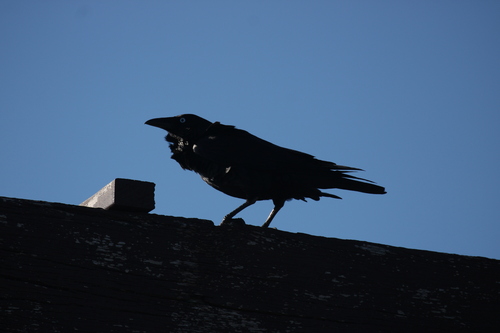
ミナミワタリガラス (Corvus coronoides) ミナミワタリガラス
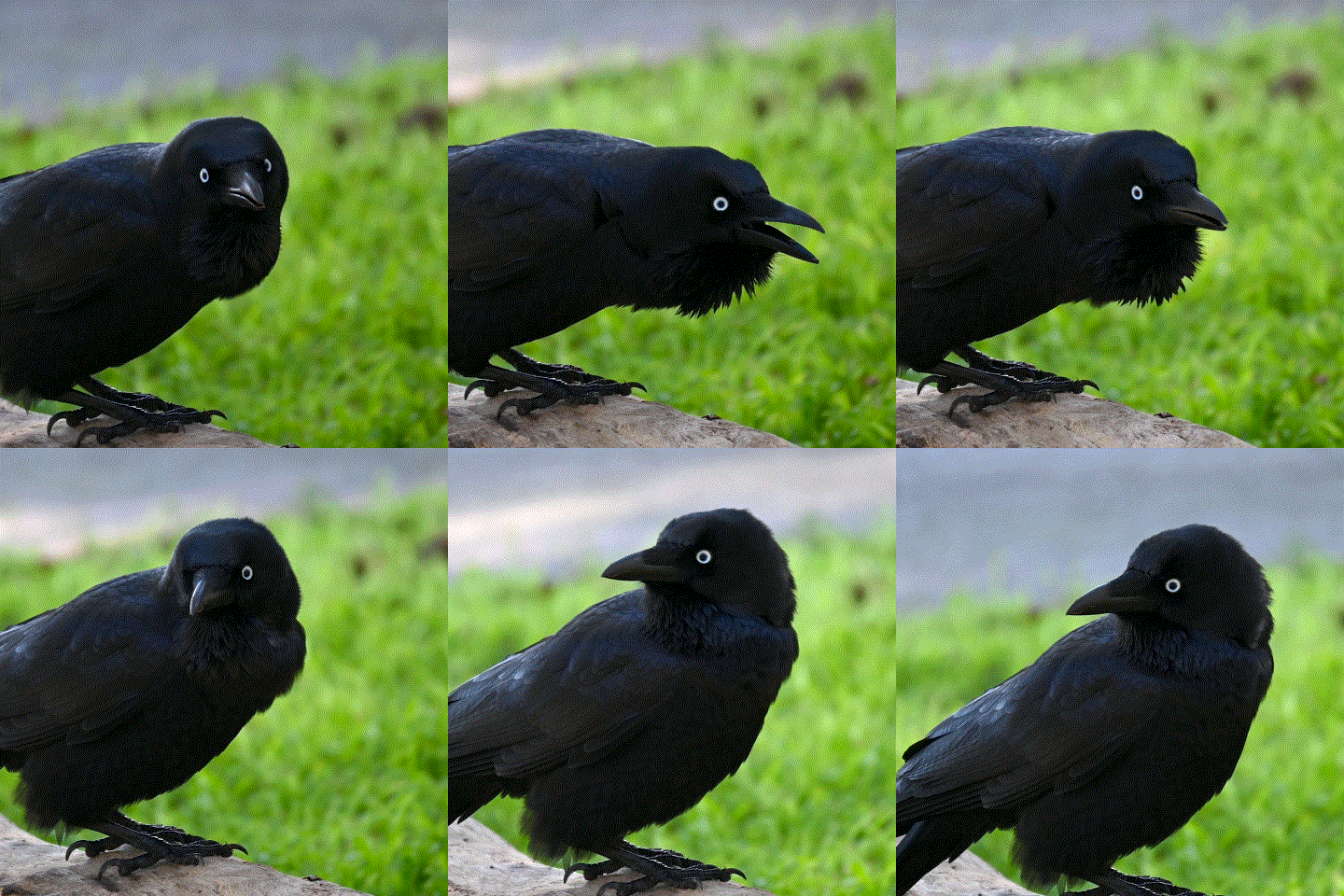
ミナミコワタリガラス (Corvus mellori) ミナミコワタリガラス

メディア

読み込み中…

要点

オーストラリアワタリガラスとミナミコワタリガラスの最も信頼できるフィールドマークは喉の羽毛です:成鳥のオーストラリアワタリガラスは、呼び鳴きの際にしばしば広がる長く、ふさふさした、丸みを帯びた羽毛を示し、'ひげ'のような外観を与えます。一方、ミナミコワタリガラスは短く、目立たない羽毛を持っています。両種の幼鳥は羽毛がなく、分離が難しくなります。成鳥はどちらも全身が黒く、白い虹彩を持っていますが、オーストラリアワタリガラスは体格が重く、光沢があり、くちばしが長く、重く、尾はわずかにくさび形です。フィールドでは、違いは微妙で、特に未熟な個体の場合は、近くで長時間観察する必要があります。

識別のコツ

  1. 喉の羽毛(成鳥のみ): オーストラリアワタリガラスは、呼び鳴きの際にしばしば広がる長く、ふさふさした、丸みを帯びた羽毛を持ち、'ひげ'のような外観を与えます。ミナミコワタリガラスの羽毛は短く、目立たないです。これは成鳥にとって最も信頼できるフィールドマークであり、特に鳥が鳴いているときに重要です。
  2. 幼鳥/未熟な鳥: 両種の幼鳥は羽毛がなく、似たような柔らかい茶色がかった、ふさふさした羽毛とピンクがかった口を持っています。この年齢での分離は非常に難しく、フィールドではしばしば不可能です。
  3. くちばしの構造: オーストラリアワタリガラスは、頭に対して相対的に長い、重く、わずかにフック状のくちばしを持っています。ミナミコワタリガラスのくちばしは短く、深さが少ないです。これは微妙で、良い視界が必要です。
  4. 光沢と艶: オーストラリアワタリガラスは光沢があり、特に上面と耳の覆い羽に青紫色から青緑色の艶があります。ミナミコワタリガラスは光沢が少ないですが、これは光によって変動し、常に信頼できるわけではありません。
  5. 尾の形: オーストラリアワタリガラスの尾はわずかにくさび形または丸みを帯びており、ミナミコワタリガラスの尾はより四角い先端を持っています。この違いは微妙で、飛行中または尾が扇形に広がっているときに最もよく見られます。
  6. くちばしの下の裸の皮膚: オーストラリアワタリガラスは、くちばしの下と横に裸の皮膚の部分を持っていますが、これはフィールドでは非常に見えにくく、ほとんどの観察者にとって実用的なマークではありません。
  7. 年齢による目の色: 両種の成鳥は白い虹彩を持っています。幼鳥と未熟な個体は、年齢とともに青灰色から茶色、ヘーゼルに移行し、青い縁を持ちます。目の色はこれらの二種を分けるのには役立ちませんが、鳥の年齢を知る手助けにはなります。
  8. 鳴き声: オーストラリアワタリガラスの鳴き声は遅く、引き延ばされたもので、ミナミコワタリガラスの鳴き声はより速く、粗いです。長く悲しげな'aah-aah-aah-aaaaah'を聞いたらオーストラリアワタリガラスを疑い、速い'kar-kar-kar-karrr'の呼び声が聞こえたらミナミコワタリガラスを疑ってください。呼び声は重なることがあるため、注意して使用してください。
  9. 呼び鳴きの際の翼のひらひら: 両種は呼び鳴きの際に翼をひらひらさせたり伸ばしたりすることがありますが、この行動は彼らを確実に分けるものではありません。
  10. 生息地と文脈: メルボルンやオーストラリア南東部の多くの地域では、特に群れや都市部ではミナミコワタリガラスがより一般的です。シドニー、キャンベラ、より開けた農村地域ではオーストラリアワタリガラスがより一般的です。しかし、両種は一緒に見られることがあるため、文脈はあくまで補助的な手がかりとして使用してください。
  11. 群れのサイズ: ミナミコワタリガラスは、特に繁殖期以外では群れや緩いコロニーで見られる可能性が高いです。オーストラリアワタリガラスはより孤独またはペアで見られますが、小さなグループでも見られることがあります。
  12. 採餌行動: ミナミコワタリガラスは昆虫を多く食べ、しばしば地面で共同で採餌しているのが見られます。オーストラリアワタリガラスはより雑食性で、採餌においては共同性が少ないです。
  13. 巣の配置: ミナミコワタリガラスは、特に両種が重なる場所で、木の低い位置や緩いコロニーに巣を作ることが多いです。オーストラリアワタリガラスは高い位置に巣を作り、より領土的ですが、巣の位置はフィールドの観察者にはほとんど見えません。
  14. サイズと体格: オーストラリアワタリガラスは重く、体格が大きく、胸が広いですが、サイズの重なりが大きく、鳥が並んでいない限り信頼できません。サイズだけではフィールドでの診断は稀です。
  15. 羽根の基部: 両種は灰色の羽根の基部を持っています(カラスとは異なります)が、これは羽根が風で乱れたときにのみ見え、実用的なフィールドマークではありません。

大きさ

オーストラリアワタリガラスは、ミナミコワタリガラス(平均541 g)よりも一貫して大きく、重い(平均630 g)ですが、体長は重なります(オーストラリアワタリガラス46–53 cm、ミナミコワタリガラス48–50 cm)。オーストラリアワタリガラスは体格が大きく、胸が広く、くちばしが重いですが、これらの違いは鳥が並んでいない限り判断が難しいです。サイズだけではフィールドでの診断は稀です。

羽色

両種の幼鳥と未熟な鳥は非常に似ています:どちらも全身が黒く、喉の羽毛がなく、茶色がかった柔らかい、よりふさふさした羽毛を持ち、ピンクがかった口と青灰色から茶色の虹彩を持っています。成鳥は主に喉で異なります:オーストラリアワタリガラスは、呼び鳴きの際に特に目立つ長く、丸みを帯びた、ふさふさした羽毛を持ち、ミナミコワタリガラスの羽毛は短く、目立たないです。両種は光沢のある黒い上面を持ち、青紫色または緑がかった艶がありますが、オーストラリアワタリガラスの光沢はより顕著です。羽根の基部は両方とも灰色ですが、これはフィールドではほとんど見えません。くちばしや裸の皮膚の詳細(オーストラリアワタリガラスのくちばしの下の裸の部分など)は微妙で、通常は遠くからは見えません。

行動

オーストラリアワタリガラスは孤独またはペアでいる傾向があり、しばしば目立つ場所に止まっているか、単独または小さなグループで採餌しているのが見られます。ミナミコワタリガラスは群れで見られる可能性が高く、特に繁殖期以外では緩いコロニーで巣を作ることが多いです。両種は地面で採餌しますが、ミナミコワタリガラスは昆虫と共同採餌を好む傾向があります。両種は都市部でも見られますが、ミナミコワタリガラスはメルボルンのような都市では豊富である可能性が高く、オーストラリアワタリガラスはシドニーやキャンベラのような場所で優勢です。

生息環境

両種はオーストラリア南東部に生息し、多くの生息地で重なります。オーストラリアワタリガラスはより広範囲に分布し、都市の周辺(特にシドニーやキャンベラ)を含むさまざまな開けた森林生息地で見られます。ミナミコワタリガラスはオーストラリア南東部、特にメルボルン周辺でより一般的で、都市環境に適応しています。両種が共存する地域では、ミナミコワタリガラスは低い位置に巣を作ったり、緩いコロニーで巣を作ることが多く、オーストラリアワタリガラスはより領土的です。

声

両種は粗く、喉の奥から出るような鳴き声を持っていますが、オーストラリアワタリガラスの鳴き声は遅く、引き延ばされた'aah-aah-aah-aaaaah'で悲しげな質感があります。一方、ミナミコワタリガラスの鳴き声はより速く、粗い'kar-kar-kar-karrr'または'ark-ark-ark-arrk'で、時には引き延ばされた終わりがあります。両種は呼び鳴きの際に翼を伸ばしたりひらひらさせたりすることがありますが、これはどちらの種にも特有ではありません。野生では両種とも鳴き声の模倣は稀です。

より良い説明を送る

比較と同じ項目を使ってください。文章はすぐに公開されます。

The most reliable field mark between Australian Raven and Little Raven is the throat hackles: adult Australian Ravens show long, shaggy, rounded hackles that are often flared when calling, giving a 'bearded' look, while Little Ravens have shorter, less conspicuous hackles. Juveniles of both species lack hackles, making separation trickier. Both are all-black with white irises as adults, but Australian Raven is heavier-set and glossier, with a longer, heavier bill and a slightly wedge-shaped tail. In the field, differences are subtle and often require close, prolonged views—especially for immatures.

  1. Throat hackles (adults only): Australian Raven has long, shaggy, rounded hackles that are often flared when calling, giving a 'bearded' look. Little Raven's hackles are shorter and less conspicuous. This is the most reliable field mark for adults, especially when birds are vocalizing.
  2. Juvenile/immature birds: Both species' juveniles lack hackles and have similar soft, brownish, ruffled plumage and a pinkish gape. Separation at this age is extremely difficult and often not possible in the field.
  3. Bill structure: Australian Raven has a longer, heavier, and slightly hooked bill that is proportionally longer than the head. Little Raven's bill is shorter and less deep. This is subtle and requires good views.
  4. Gloss and sheen: Australian Raven is glossier, with a blue-purple to blue-green sheen, especially on the upperparts and ear coverts. Little Raven is less glossy, but this is variable with light and not always reliable.
  5. Tail shape: Australian Raven's tail is slightly wedge-shaped or rounded, while Little Raven's is more square-tipped. This difference is subtle and best seen in flight or when the tail is fanned.
  6. Bare skin under bill: Australian Raven has a bare patch of skin under and beside the bill, but this is very hard to see in the field and not a practical mark for most observers.
  7. Eye color by age: Both species' adults have white irises. Juveniles and immatures transition from blue-grey to brown to hazel with a blue rim as they age. Eye color is not useful for separating these two species, but can help age the bird.
  8. Vocalizations: Australian Raven's call is slower and more drawn-out, while Little Raven's is more rapid and harsh. If you hear a long, mournful 'aah-aah-aah-aaaaah,' suspect Australian Raven; if the call is a rapid 'kar-kar-kar-karrr,' suspect Little Raven. Use with caution, as calls can overlap.
  9. Wing flicking when calling: Both species may flick or stretch their wings when calling, so this behavior does not reliably separate them.
  10. Habitat and context: In Melbourne and much of southeastern Australia, Little Raven is more likely, especially in flocks or urban areas. In Sydney, Canberra, and more open or rural areas, Australian Raven is more likely. However, both can occur together, so use context only as a supporting clue.
  11. Group size: Little Raven is more likely to be seen in flocks or loose colonies, especially outside breeding season. Australian Raven is more solitary or in pairs, but may also be seen in small groups.
  12. Feeding behavior: Little Raven feeds more on insects and is often seen foraging communally on the ground. Australian Raven is more omnivorous and less communal in feeding.
  13. Nest placement: Little Raven often nests lower in trees or in loose colonies, especially where both species overlap. Australian Raven nests higher and is more territorial, but nest location is rarely visible to field observers.
  14. Size and bulk: Australian Raven is heavier and bulkier, with a broader chest, but size overlap is significant and not reliable unless birds are side by side.
  15. Feather bases: Both species have grey feather bases (unlike crows), but this is only visible if feathers are ruffled by wind and is not a practical field mark.

Australian Raven is consistently larger and heavier (average 630 g) than Little Raven (average 541 g), but their lengths overlap (Australian Raven 46–53 cm, Little Raven 48–50 cm). The Australian Raven is bulkier, with a broader chest and heavier bill, but these differences are difficult to judge unless birds are side by side. Size alone is rarely diagnostic in the field.

Juvenile and immature birds of both species are very similar: both are all-black, lack throat hackles, and have brownish, softer, more ruffled plumage with a possible pinkish gape and blue-grey to brown irises. Adults differ mainly in the throat: Australian Raven has long, rounded, shaggy hackles that are especially obvious when calling, while Little Raven's hackles are shorter and less noticeable. Both species have glossy black upperparts with a blue-purple or greenish sheen, but Australian Raven's gloss is more pronounced. The base of the feathers is grey in both, but this is rarely visible in the field. Bill and bare skin details (such as the bare patch under the bill in Australian Raven) are subtle and not usually visible at a distance.

Australian Raven tends to be solitary or in pairs, often seen perched prominently or foraging alone or in small groups. Little Raven is more likely to be seen in flocks, especially outside the breeding season, and often nests in loose colonies. Both species feed on the ground, but Little Raven has a stronger preference for insects and communal foraging. Both can be seen in urban areas, but Little Raven is more likely to be abundant in cities like Melbourne, while Australian Raven dominates in places like Sydney and Canberra.

Both species occur in southeastern Australia and overlap in many habitats. Australian Raven is more widespread and can be found in a variety of open and wooded habitats, including urban fringes (especially in Sydney and Canberra). Little Raven is more common in southeastern Australia, especially in and around Melbourne, and adapts well to urban environments. In areas where both occur, Little Raven may nest lower or in looser colonies, while Australian Raven is more territorial.

Both species have harsh, guttural calls, but Australian Raven's call is a slow, drawn-out 'aah-aah-aah-aaaaah' with a mournful quality, while Little Raven's call is a more rapid, harsh 'kar-kar-kar-karrr' or 'ark-ark-ark-arrk,' sometimes with a drawn-out ending. Both can stretch or flick their wings when calling, but this is not unique to either species. Vocal mimicry is rare in the wild for both.

変更を破棄しますか?

保存していない編集があります。今離れると失われます。

ミナミワタリガラス · ミナミコワタリガラス · 苦手な鳥