

Australian Raven vs Little Raven
Corvus coronoides contro Corvus mellori
Fai un quiz con Australian Raven e Little Raven
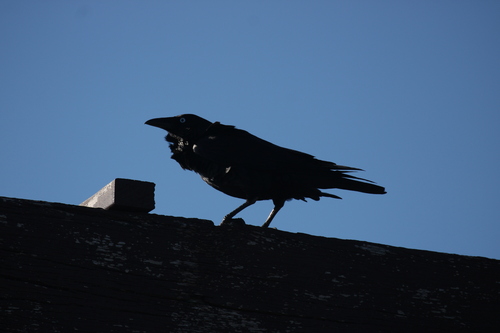 Australian Raven
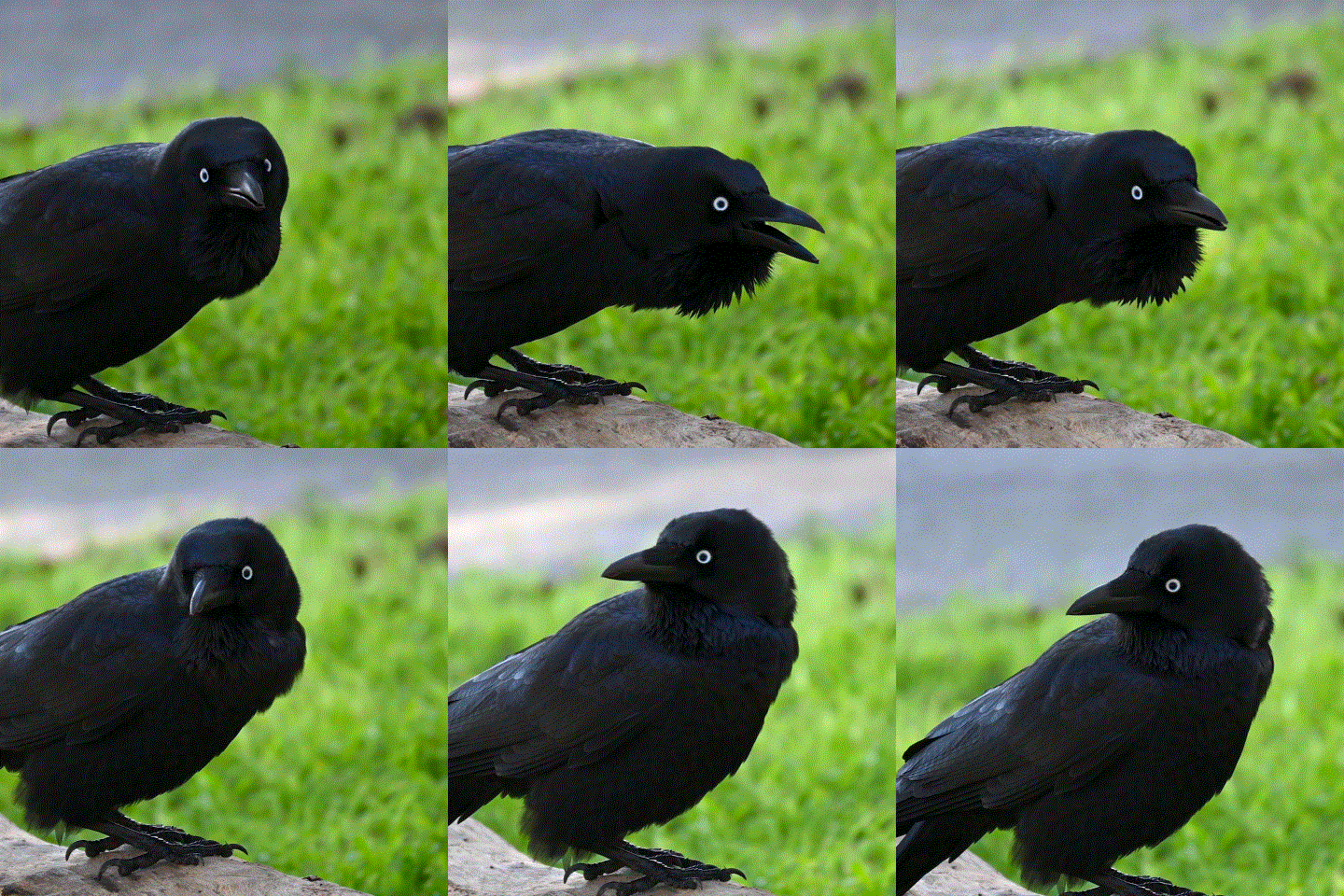 Little Raven
In breve
Il segno di campo più affidabile tra Australian Raven e Little Raven sono le hackles della gola: gli Australian Ravens adulti mostrano hackles lunghe, arruffate e arrotondate che spesso si aprono quando chiamano, dando un aspetto 'barbuto', mentre i Little Ravens hanno hackles più corte e meno evidenti. I giovani di entrambe le specie mancano di hackles, rendendo la separazione più difficile. Entrambi sono completamente neri con iridi bianche da adulti, ma l'Australian Raven è più robusto e lucido, con un becco più lungo e pesante e una coda leggermente a forma di cuneo. Sul campo, le differenze sono sottili e spesso richiedono osservazioni ravvicinate e prolungate, specialmente per gli immaturi.
Consigli di identificazione
- Hackles della gola (solo adulti): L'Australian Raven ha hackles lunghe, arruffate e arrotondate che spesso si aprono quando chiamano, dando un aspetto 'barbuto'. Le hackles del Little Raven sono più corte e meno evidenti. Questo è il segno di campo più affidabile per gli adulti, specialmente quando gli uccelli vocalizzano.
- Uccelli giovani/immaturi: I giovani di entrambe le specie mancano di hackles e hanno un piumaggio simile, morbido, marrone e arruffato e una bocca rossastra. La separazione a questa età è estremamente difficile e spesso non possibile sul campo.
- Struttura del becco: L'Australian Raven ha un becco più lungo, pesante e leggermente ricurvo che è proporzionalmente più lungo della testa. Il becco del Little Raven è più corto e meno profondo. Questo è sottile e richiede buone osservazioni.
- Lucentezza e riflesso: L'Australian Raven è più lucido, con un riflesso blu-viola o blu-verde, specialmente sulle parti superiori e sulle copritrici auricolari. Il Little Raven è meno lucido, ma questo è variabile con la luce e non sempre affidabile.
- Forma della coda: La coda dell'Australian Raven è leggermente a forma di cuneo o arrotondata, mentre quella del Little Raven è più quadrata. Questa differenza è sottile e meglio visibile in volo o quando la coda è aperta.
- Pelle nuda sotto il becco: L'Australian Raven ha una macchia di pelle nuda sotto e accanto al becco, ma questo è molto difficile da vedere sul campo e non è un segno pratico per la maggior parte degli osservatori.
- Colore degli occhi per età: Gli adulti di entrambe le specie hanno iridi bianche. I giovani e gli immaturi passano da blu-grigio a marrone a nocciola con un bordo blu man mano che invecchiano. Il colore degli occhi non è utile per separare queste due specie, ma può aiutare a determinare l'età dell'uccello.
- Vocalizzazioni: Il richiamo dell'Australian Raven è più lento e prolungato, mentre quello del Little Raven è più rapido e aspro. Se senti un lungo e malinconico 'aah-aah-aah-aaaaah', sospetta l'Australian Raven; se il richiamo è un rapido 'kar-kar-kar-karrr', sospetta il Little Raven. Usa con cautela, poiché i richiami possono sovrapporsi.
- Battito delle ali quando chiamano: Entrambe le specie possono battere o allungare le ali quando chiamano, quindi questo comportamento non le separa in modo affidabile.
- Habitat e contesto: A Melbourne e in gran parte del sud-est dell'Australia, il Little Raven è più probabile, specialmente in stormi o aree urbane. A Sydney, Canberra e in aree più aperte o rurali, l'Australian Raven è più probabile. Tuttavia, entrambi possono verificarsi insieme, quindi usa il contesto solo come indizio di supporto.
- Dimensione del gruppo: Il Little Raven è più probabile che venga visto in stormi o colonie sparse, specialmente al di fuori della stagione di nidificazione. L'Australian Raven è più solitario o in coppie, ma può anche essere visto in piccoli gruppi.
- Comportamento alimentare: Il Little Raven si nutre più di insetti ed è spesso visto foraggiare in modo comunitario a terra. L'Australian Raven è più onnivoro e meno comunitario nell'alimentazione.
- Posizionamento del nido: Il Little Raven spesso nidifica più in basso negli alberi o in colonie sparse, specialmente dove le due specie si sovrappongono. L'Australian Raven nidifica più in alto ed è più territoriale, ma la posizione del nido è raramente visibile agli osservatori sul campo.
- Dimensione e massa: L'Australian Raven è più pesante e massiccio, con un torace più ampio, ma la sovrapposizione di dimensioni è significativa e non affidabile a meno che gli uccelli non siano affiancati.
- Basi delle piume: Entrambe le specie hanno basi di piume grigie (a differenza dei corvi), ma questo è visibile solo se le piume sono arruffate dal vento e non è un segno pratico sul campo.
Taglia
L'Australian Raven è costantemente più grande e pesante (media 630 g) rispetto al Little Raven (media 541 g), ma le loro lunghezze si sovrappongono (Australian Raven 46–53 cm, Little Raven 48–50 cm). L'Australian Raven è più massiccio, con un torace più ampio e un becco più pesante, ma queste differenze sono difficili da giudicare a meno che gli uccelli non siano affiancati. La dimensione da sola è raramente diagnostica sul campo.
Piumaggio
Gli uccelli giovani e immaturi di entrambe le specie sono molto simili: entrambi sono completamente neri, mancano di hackles della gola e hanno un piumaggio marrone, più morbido e arruffato con una possibile bocca rossastra e iridi blu-grigio a marrone. Gli adulti differiscono principalmente nella gola: l'Australian Raven ha hackles lunghe, arrotondate e arruffate che sono particolarmente evidenti quando chiamano, mentre le hackles del Little Raven sono più corte e meno visibili. Entrambe le specie hanno parti superiori nere lucide con un riflesso blu-viola o verdastro, ma la lucentezza dell'Australian Raven è più pronunciata. La base delle piume è grigia in entrambe, ma questo è raramente visibile sul campo. I dettagli del becco e della pelle nuda (come la macchia nuda sotto il becco nell'Australian Raven) sono sottili e di solito non visibili a distanza.
Comportamento
L'Australian Raven tende a essere solitario o in coppie, spesso visto appollaiato in modo prominente o foraggiando da solo o in piccoli gruppi. Il Little Raven è più probabile che venga visto in stormi, specialmente al di fuori della stagione di nidificazione, e spesso nidifica in colonie sparse. Entrambe le specie si nutrono a terra, ma il Little Raven ha una preferenza più forte per gli insetti e il foraggiamento comunitario. Entrambi possono essere visti in aree urbane, ma il Little Raven è più probabile che sia abbondante in città come Melbourne, mentre l'Australian Raven domina in luoghi come Sydney e Canberra.
Habitat
Entrambe le specie si trovano nel sud-est dell'Australia e si sovrappongono in molti habitat. L'Australian Raven è più diffuso e può essere trovato in una varietà di habitat aperti e boschivi, comprese le periferie urbane (specialmente a Sydney e Canberra). Il Little Raven è più comune nel sud-est dell'Australia, specialmente a Melbourne e nei suoi dintorni, e si adatta bene agli ambienti urbani. Nelle aree in cui entrambe le specie si trovano, il Little Raven può nidificare più in basso o in colonie più sparse, mentre l'Australian Raven è più territoriale.
Voce
Entrambe le specie hanno richiami aspri e gutturali, ma il richiamo dell'Australian Raven è un 'aah-aah-aah-aaaaah' lento e prolungato con una qualità malinconica, mentre il richiamo del Little Raven è un 'kar-kar-kar-karrr' o 'ark-ark-ark-arrk' più rapido e aspro, a volte con una conclusione prolungata. Entrambi possono allungare o battere le ali quando chiamano, ma questo non è unico per nessuna delle due specie. La mimetizzazione vocale è rara in natura per entrambe.