

Motmot

オーストラリアチゴハヤブサ 対 マユグロナキサンショウクイ

Falco longipennis 対 Lalage atrovirens

オーストラリアチゴハヤブサとマユグロナキサンショウクイのクイズ
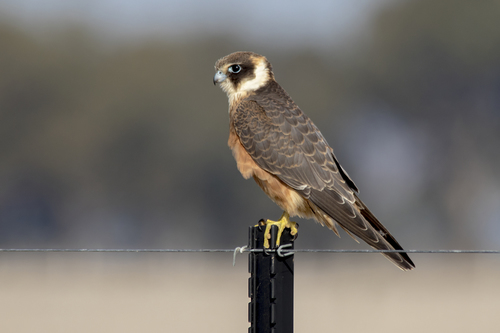
オーストラリアチゴハヤブサ (Falco longipennis) オーストラリアチゴハヤブサ
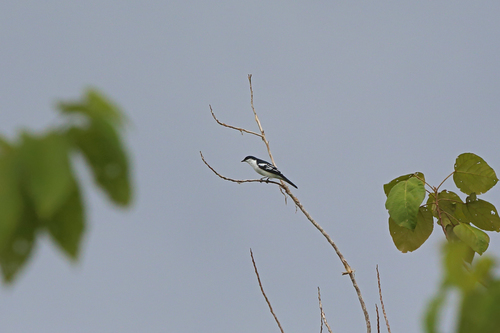
マユグロナキサンショウクイ (Lalage atrovirens) マユグロナキサンショウクイ

メディア

読み込み中…

要点

オーストラリアチゴハヤブサとマユグロナキサンショウクイを区別する最も信頼できる方法は、全体的な構造と飛行スタイルによるものです:オーストラリアチゴハヤブサは、急速でちらちらとした羽ばたきと敏捷で低い飛行を持つ細長い長翼のハヤブサであり、一方マユグロナキサンショウクイは、典型的なスズメ目の比率を持つ小さな止まり木にとまる歌鳥で、劇的でない飛行をします。オーストラリアチゴハヤブサは、変動する腹部を持つ印象的な黒い帽子とマスクを示し、しばしば赤褐色または青灰色で縞模様があり、鉤状のくちばしを持っています。マユグロナキサンショウクイはこれらの猛禽類の特徴を欠き、はるかに小さいです。飛行中に見られた場合、オーストラリアチゴハヤブサの長く尖った翼と速くジグザグに動く動きは診断的であり、マユグロナキサンショウクイの飛行は小さな森林の鳥に典型的です。サイズの違いは極端で、オーストラリアチゴハヤブサは7倍以上重いです。生息地は役立つことがありますが、構造と飛行は最も迅速なフィールドチェックです。

識別のコツ

  1. Size and structure: オーストラリアチゴハヤブサははるかに大きく重く、長く尖った翼を持つ猛禽類の形をしています;マユグロナキサンショウクイは小さくスリムな歌鳥です。遠くからでも、これはしばしば最初で最も信頼できる手がかりです。
  2. Bill shape: オーストラリアチゴハヤブサはハヤブサに典型的な強い鉤状のくちばしを持っています;マユグロナキサンショウクイは他のスズメ目のような小さく真っ直ぐな昆虫食のくちばしを持っています。
  3. Head pattern: オーストラリアチゴハヤブサの大胆な黒い帽子とマスク、白っぽい額と半襟を探してください—マユグロナキサンショウクイはこれを示しません。
  4. Underparts: オーストラリアチゴハヤブサの腹部は青灰色または赤褐色で常に濃い縞模様があります;マユグロナキサンショウクイは縞模様や赤褐色として記述されておらず、ハヤブサの模様を欠いています。
  5. Wings and flight: オーストラリアチゴハヤブサの翼は長く、細く、尖っており、急速なちらちらとした羽ばたき、低速の速い通過、敏捷なジグザグによって特徴づけられます。マユグロナキサンショウクイは短く丸い翼を持ち、小さな止まり木の鳥に典型的な劇的でない直接的な飛行をします。
  6. Tail: オーストラリアチゴハヤブサはホバリング中に尾を扇ぐことがあります;マユグロナキサンショウクイの尾は小さな歌鳥に典型的で、猛禽類のような動作には使用されません。
  7. Feet and cere: オーストラリアチゴハヤブサは鈍い黄色の足と淡い黄色がかった灰色のセレを持っています;マユグロナキサンショウクイの足とセレは記述されていませんが、猛禽類のようではありません。
  8. Perched posture: オーストラリアチゴハヤブサはしばしば露出した枝やポールに直立して警戒してとまります;マユグロナキサンショウクイはより水平にとまり、葉の中に溶け込みます。
  9. Behavior: オーストラリアチゴハヤブサは孤独で攻撃的であり、他の猛禽類を攻撃することがあります;マユグロナキサンショウクイはペアや小さな群れで静かに採餌しているのが見られることが多いです。
  10. Vocalizations: オーストラリアチゴハヤブサは厳しい急速なおしゃべりの呼び声とキュートなチッター音を出します;マユグロナキサンショウクイは、歌鳥として、より柔らかくメロディックな呼び声を出すでしょう(資料には記述されていません)。
  11. Habitat: 開けた国、農地、または都市部ではオーストラリアチゴハヤブサが見られる可能性が高いです;ニューギニアの密な低地森林やマングローブではマユグロナキサンショウクイが見られる可能性があります。
  12. Flight jizz: もしあなたが鳥が急降下したり、舞い上がったり、ホバリングしているのを見たら、それはオーストラリアチゴハヤブサです;マユグロナキサンショウクイはこれらの猛禽類の行動を決して行いません。
  13. Juvenile confusion: どちらの種にも特有の幼鳥の上翼や飛行パターンのマークは記述されていませんが、若いオーストラリアチゴハヤブサは猛禽類の構造と顔のパターンを保持しています。
  14. Sex and age variation: オーストラリアチゴハヤブサの羽毛は性別と年齢によって変化します(湿った地域では暗く、乾燥した地域では明るく)、しかし常に猛禽類の構造と顔を示します;マユグロナキサンショウクイはこの変化に近づくことはありません。
  15. Pitfalls: 遠くから見ると、オーストラリアチゴハヤブサは予想よりも小さく見えるかもしれませんし、近くで見た場合にはマユグロナキサンショウクイが大きく見えるかもしれませんが、構造的および行動的な違いは注意深く観察すれば常に存在します。

大きさ

オーストラリアチゴハヤブサはマユグロナキサンショウクイよりも劇的に大きく重い(246 g対33 g)です。オーストラリアチゴハヤブサは翼幅66〜87 cm、体長30〜35.5 cmの中型のハヤブサであり、一方マユグロナキサンショウクイは小さくスリムな歌鳥です。遠くからでも、オーストラリアチゴハヤブサのサイズと猛禽類の体型は、はるかに小さく、より繊細なマユグロナキサンショウクイに対して際立っています。

羽色

どちらの種にも年齢特有の上翼や飛行パターンのマークは記述されていませんが、全体的な羽毛と頭の模様は非常に異なります。オーストラリアチゴハヤブサ(成鳥と幼鳥)は黒い帽子とマスク、白っぽい額、半襟を示し、腹部は青灰色または赤褐色で濃い縞模様があります。セレは淡い黄色がかった灰色、目のリングは淡い青、足は鈍い黄色です。羽毛は年齢、性別、地域によって変化しますが、猛禽類の顔の模様は常に存在します。それに対してマユグロナキサンショウクイは、猛禽類の顔のマーキングを欠き、典型的な止まり木の鳥のくちばしを持ち、縞模様やマスクとして記述されていません;それは地味で小さな森林の鳥です。マユグロナキサンショウクイの羽毛の特徴は、オーストラリアチゴハヤブサの大胆な頭の模様や縞模様の腹部と混同されることはありません。

行動

オーストラリアチゴハヤブサは孤独で攻撃的なハヤブサであり、急速でちらちらとした羽ばたきで獲物を狩る姿がよく見られ、長く尖った翼で滑空し、開けた地面や木の間を低速で速いジグザグの飛行を行います。尾を扇いで一時的にホバリングすることがあり、獲物や他の猛禽類に対して劇的な急降下を行うことができます。マユグロナキサンショウクイは典型的な小さなスズメ目のように振る舞い、木にとまり、葉の中を移動し、劇的でない直接的な飛行で短い距離を飛びます。マユグロナキサンショウクイは舞い上がったり、ホバリングしたり、急降下したりしません。

生息環境

オーストラリアチゴハヤブサはオーストラリア全土およびインドネシアとニューギニアに生息し、しばしば開けた国、森林、水辺近くに見られますが、都市部を含む広範な生息地で見られることがあります。マユグロナキサンショウクイはニューギニア北部に制限されており、亜熱帯または熱帯の湿った低地森林やマングローブに生息しています。ニューギニアの密な低地森林やマングローブにいる場合、マユグロナキサンショウクイが見られる可能性があります;開けた国や都市部では、オーストラリアチゴハヤブサがはるかに可能性が高いです。

声

オーストラリアチゴハヤブサは獲物を持っているときや驚いたときに急速で不機嫌なおしゃべり(Kee-Kee-Kee-Kee-Kee)をし、社会的または食事の文脈でキュートなチッター音を出します。幼鳥は乞食のときにチッター音を出します。呼び声はハヤブサの雄よりも高い音域に似ています。マユグロナキサンショウクイの音声は資料には記述されていませんが、止まり木の歌鳥として、その呼び声はオーストラリアチゴハヤブサの厳しい猛禽類のようなおしゃべりとは非常に異なるでしょう。

より良い説明を送る

比較と同じ項目を使ってください。文章はすぐに公開されます。

The most reliable way to separate Australian Hobby from Black-browed Triller is by overall structure and flight style: the hobby is a slender, long-winged falcon with rapid, flickering wingbeats and agile, low flight, while the triller is a small, perching songbird with typical passerine proportions and undramatic flight. Hobbies show a striking black cap and mask with variable underparts, often rufous or blue-grey and streaked, and have a hooked bill; trillers lack these raptor features and are much smaller. If seen in flight, the hobby’s long, pointed wings and fast, zig-zagging movements are diagnostic, while the triller’s flight is typical of small forest birds. Size difference is extreme: the hobby is over seven times heavier. Habitat can help, but structure and flight are the quickest field checks.

  1. Size and structure: The hobby is much larger and heavier, with a long, pointed-winged raptor shape; the triller is a small, slim songbird. Even at a distance, this is often the first and most reliable clue.
  2. Bill shape: Hobbies have a strong, hooked bill typical of falcons; trillers have a small, straight, insect-eating bill like other passerines.
  3. Head pattern: Look for the hobby’s bold black cap and mask with a whitish forehead and half-collar—never shown by triller.
  4. Underparts: Hobby underparts are blue-grey or rufous and always streaked darker; triller is not described as streaked or rufous and lacks the falcon’s pattern.
  5. Wings and flight: Hobby wings are long, thin, and pointed, with flight characterized by rapid flickering beats, low fast passes, and agile zig-zags. Triller has short, rounded wings and undramatic, direct flight typical of small perching birds.
  6. Tail: Hobby may fan its tail when hovering; triller’s tail is typical of a small songbird and not used in raptor-like maneuvers.
  7. Feet and cere: Hobby has dull yellow feet and a pale yellowish-grey cere; triller’s feet and cere are not described but are not raptor-like.
  8. Perched posture: Hobbies perch upright and alert, often on exposed branches or poles; trillers perch more horizontally, blending into foliage.
  9. Behavior: Hobbies are solitary, aggressive, and may attack other raptors; trillers are more likely to be seen in pairs or small groups, foraging quietly.
  10. Vocalizations: Hobby gives harsh, rapid chattering calls and squeaky ticking; triller, as a songbird, would give softer, more melodic calls (not described in sources).
  11. Habitat: In open country, farmland, or urban areas, hobby is likely; in dense lowland forest or mangroves in New Guinea, triller is possible.
  12. Flight jizz: If you see a bird stooping, soaring, or hovering, it is a hobby; triller never performs these raptor behaviors.
  13. Juvenile confusion: No distinctive juvenile upperwing or flight pattern marks are described for either species, but even young hobbies retain raptor structure and face pattern.
  14. Sex and age variation: Hobby plumage varies with sex and age (darker in humid areas, lighter in dry), but always shows raptor structure and face; triller does not approach this variation.
  15. Pitfalls: At a great distance, a hobby might appear smaller than expected, or a triller larger if seen close, but the structural and behavioral differences are always present if observed carefully.

Australian Hobby is dramatically larger and heavier (246 g vs 33 g) than Black-browed Triller. The hobby is a medium-sized falcon with a wingspan of 66–87 cm and length of 30–35.5 cm, while the triller is a small, slim songbird. Even at a distance, the hobby’s size and raptor build stand out against the much smaller, more delicate triller.

No age-specific upperwing or flight pattern marks are described for either species, but overall plumage and head pattern are very different. The Australian Hobby (adult and immature) shows a black cap and mask, whitish forehead, and a half-collar, with underparts that can be blue-grey or rufous and streaked darker. Its cere is pale yellowish grey, eye ring pale blue, and feet dull yellow. Plumage varies with age, sex, and region, but the raptor face pattern is always present. The Black-browed Triller, by contrast, lacks any raptor facial markings, has a typical perching bird bill, and is not described as streaked or masked; it is a plain, small forest bird. No triller plumage features could be confused for the hobby’s bold head pattern or streaked underparts.

Australian Hobby is a solitary, aggressive falcon, often seen hunting with rapid, flickering wingbeats, gliding on long, pointed wings, and performing low, fast, zig-zagging flights over open ground or between trees. It may hover briefly with fanned tail and is capable of dramatic stoops at prey or other raptors. The Black-browed Triller behaves like a typical small passerine: perching in trees, moving through foliage, and flying short distances with undramatic, direct flight. It does not soar, hover, or stoop.

Australian Hobby occurs throughout Australia and into Indonesia and New Guinea, often in open country, woodland, and near water, but can be seen in a wide range of habitats, including urban areas. Black-browed Triller is restricted to northern New Guinea and is found in subtropical or tropical moist lowland forests and mangroves. If you are in dense lowland forest or mangroves in New Guinea, triller is possible; in open country or urban areas, hobby is far more likely.

Australian Hobby gives a rapid, peevish chatter (Kee-Kee-Kee-Kee-Kee) when bringing prey or alarmed, and a squeaky chittering/ticking in social or food contexts. Juveniles give a chittering whine when begging. Calls are similar to, but higher-pitched than, male Peregrine Falcon. No vocalizations are described for Black-browed Triller in the sources, but as a perching songbird, its calls would be very different from the hobby's harsh, raptor-like chattering.

変更を破棄しますか?

保存していない編集があります。今離れると失われます。

オーストラリアチゴハヤブサ · マユグロナキサンショウクイ · 苦手な鳥