

Australian Hobby vs Black-browed Triller
Falco longipennis contro Lalage atrovirens
Fai un quiz con Australian Hobby e Black-browed Triller
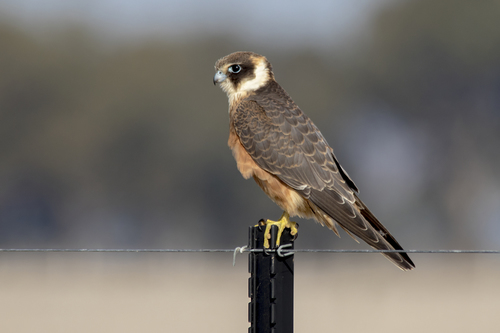 Australian Hobby
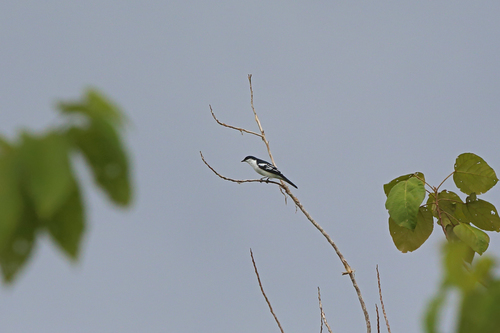 Black-browed Triller
In breve
Il modo più affidabile per separare l'Australian Hobby dal Black-browed Triller è attraverso la struttura generale e lo stile di volo: l'hobby è un falco snello e dalle ali lunghe con battiti d'ala rapidi e flickering e un volo agile e basso, mentre il triller è un piccolo uccello canoro che si posa con proporzioni tipiche dei passeriformi e un volo poco drammatico. Gli hobby mostrano un cappuccio e una maschera neri sorprendenti con parti inferiori variabili, spesso ruggine o blu-grigio e striate, e hanno un becco ricurvo; i triller mancano di queste caratteristiche rapaci e sono molto più piccoli. Se visti in volo, le lunghe ali appuntite dell'hobby e i movimenti rapidi e a zig-zag sono diagnostici, mentre il volo del triller è tipico dei piccoli uccelli forestali. La differenza di dimensioni è estrema: l'hobby è oltre sette volte più pesante. L'habitat può aiutare, ma la struttura e il volo sono i controlli sul campo più rapidi.
Consigli di identificazione
- Dimensioni e struttura: L'hobby è molto più grande e pesante, con una forma di rapace dalle ali lunghe e appuntite; il triller è un piccolo uccello canoro snello. Anche a distanza, questo è spesso il primo e più affidabile indizio.
- Forma del becco: Gli hobby hanno un becco forte e ricurvo tipico dei falchi; i triller hanno un piccolo becco dritto, mangiatore di insetti, come altri passeriformi.
- Schema della testa: Cerca il cappuccio e la maschera neri audaci dell'hobby con una fronte biancastra e un mezzo collare—mai mostrato dal triller.
- Parti inferiori: Le parti inferiori dell'hobby sono blu-grigio o ruggine e sempre striate più scure; il triller non è descritto come striato o ruggine e manca del motivo del falco.
- Ali e volo: Le ali dell'hobby sono lunghe, sottili e appuntite, con un volo caratterizzato da battiti rapidi e flickering, passaggi bassi e veloci, e zig-zag agili. Il triller ha ali corte e arrotondate e un volo poco drammatico e diretto tipico dei piccoli uccelli canori.
- Coda: L'hobby può aprire la coda quando è in volo stazionario; la coda del triller è tipica di un piccolo uccello canoro e non viene utilizzata in manovre simili a quelle dei rapaci.
- Piedi e cere: L'hobby ha piedi gialli opachi e una cere di un grigio giallastro pallido; i piedi e la cere del triller non sono descritti ma non sono simili a quelli dei rapaci.
- Postura in perching: Gli hobby si posano eretti e all'erta, spesso su rami o pali esposti; i triller si posano più orizzontalmente, mimetizzandosi nel fogliame.
- Comportamento: Gli hobby sono solitari, aggressivi e possono attaccare altri rapaci; i triller sono più propensi a essere visti in coppie o piccoli gruppi, cercando cibo in silenzio.
- Vocalizzazioni: L'hobby emette richiami aspri e rapidi e ticchettii striduli; il triller, come uccello canoro, emetterebbe richiami più morbidi e melodici (non descritti nelle fonti).
- Habitat: In campagna aperta, terreni agricoli o aree urbane, è probabile vedere l'hobby; in foreste pluviali dense o mangrovie in Nuova Guinea, è possibile vedere il triller.
- Volo jizz: Se vedi un uccello che si tuffa, plana o è in volo stazionario, è un hobby; il triller non esegue mai questi comportamenti rapaci.
- Confusione giovanile: Non sono descritti segni distintivi di volo o schemi di ali superiori per nessuna delle due specie, ma anche i giovani hobby mantengono la struttura e il motivo del viso dei rapaci.
- Variazione di sesso e età: Il piumaggio dell'hobby varia con il sesso e l'età (più scuro in aree umide, più chiaro in quelle secche), ma mostra sempre la struttura e il viso dei rapaci; il triller non si avvicina a questa variazione.
- Trappole: A grande distanza, un hobby potrebbe apparire più piccolo del previsto, o un triller più grande se visto da vicino, ma le differenze strutturali e comportamentali sono sempre presenti se osservate attentamente.
Taglia
L'Australian Hobby è drammaticamente più grande e pesante (246 g contro 33 g) rispetto al Black-browed Triller. L'hobby è un falco di dimensioni medie con un'apertura alare di 66–87 cm e una lunghezza di 30–35,5 cm, mentre il triller è un piccolo uccello canoro snello. Anche a distanza, le dimensioni e la struttura rapace dell'hobby si distinguono rispetto al triller, molto più piccolo e delicato.
Piumaggio
Non sono descritti segni specifici di età per le ali superiori o schemi di volo per nessuna delle due specie, ma il piumaggio generale e il motivo della testa sono molto diversi. L'Australian Hobby (adulto e immaturo) mostra un cappuccio e una maschera neri, una fronte biancastra e un mezzo collare, con parti inferiori che possono essere blu-grigio o ruggine e striate più scure. La sua cere è di un grigio giallastro pallido, l'anello oculare è di un blu pallido e i piedi sono gialli opachi. Il piumaggio varia con età, sesso e regione, ma il motivo del viso rapace è sempre presente. Il Black-browed Triller, al contrario, manca di qualsiasi segno facciale rapace, ha un becco tipico degli uccelli canori e non è descritto come striato o mascherato; è un uccello forestale semplice e piccolo. Nessuna caratteristica del piumaggio del triller potrebbe essere confusa con il motivo audace della testa dell'hobby o le parti inferiori striate.
Comportamento
L'Australian Hobby è un falco solitario e aggressivo, spesso visto cacciare con battiti d'ala rapidi e flickering, planando su lunghe ali appuntite e eseguendo voli bassi, veloci e a zig-zag sopra terreni aperti o tra gli alberi. Può rimanere in volo stazionario brevemente con la coda aperta ed è capace di tuffi drammatici su prede o altri rapaci. Il Black-browed Triller si comporta come un tipico piccolo passeriforme: si posa sugli alberi, si muove attraverso il fogliame e vola per brevi distanze con un volo diretto e poco drammatico. Non plana, non rimane in volo stazionario e non si tuffa.
Habitat
L'Australian Hobby si trova in tutta l'Australia e in Indonesia e Nuova Guinea, spesso in campagna aperta, boschi e vicino all'acqua, ma può essere visto in una vasta gamma di habitat, comprese le aree urbane. Il Black-browed Triller è limitato alla Nuova Guinea settentrionale e si trova in foreste pluviali umide subtropicali o tropicali e mangrovie. Se ti trovi in una foresta pluviale densa o in mangrovie in Nuova Guinea, è possibile vedere il triller; in campagna aperta o aree urbane, è molto più probabile vedere l'hobby.
Voce
L'Australian Hobby emette un rapido e irritante chiacchierio (Kee-Kee-Kee-Kee-Kee) quando porta prede o è allarmato, e un ticchettio stridulo in contesti sociali o alimentari. I giovani emettono un lamento stridulo quando chiedono cibo. I richiami sono simili, ma più acuti rispetto a quelli del maschio del Falco pellegrino. Nessuna vocalizzazione è descritta per il Black-browed Triller nelle fonti, ma come uccello canoro, i suoi richiami sarebbero molto diversi da quelli aspri e simili a quelli dei rapaci dell'hobby.
Australian Hobby · Black-browed Triller · I miei uccelli difficili