

Motmot

アンナハチドリ 対 フトオハチドリ

Calypte anna 対 Selasphorus platycercus

アンナハチドリとフトオハチドリのクイズ
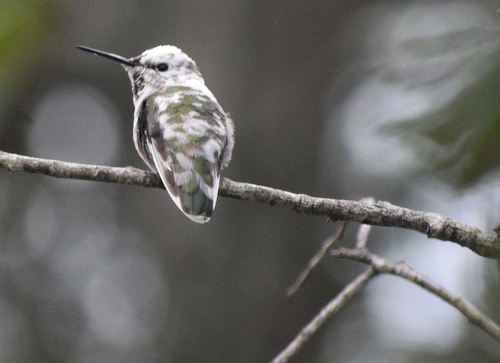
アンナハチドリ (Calypte anna) アンナハチドリ
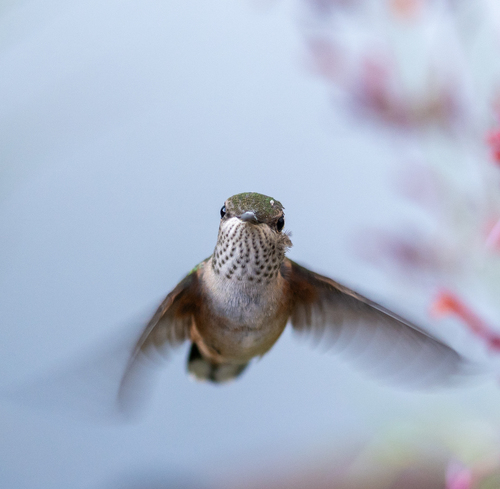
フトオハチドリ (Selasphorus platycercus) フトオハチドリ

メディア

読み込み中…

要点

アンナハチドリとフトオハチドリの最も信頼できるフィールドマークは、成鳥のオスにおける頭部と喉の色彩です:アンナハチドリは、完全に虹色の赤みがかったピンクの冠とゴルゲットを持つ北アメリカの唯一のハチドリであり、フトオハチドリのオスはバラ色のゴルゲットを持っていますが、冠は緑色です。メスと幼鳥はより難しいですが、アンナハチドリは顔が地味で、フトオハチドリの白いアイリングとシナモン色の脇腹が欠けています。飛行中、フトオハチドリのオスは特有の機械的な羽音を出し、アンナハチドリにはこれがありません。両種は緑色の背中を持っていますが、尾の形、顔のパターン、声の微妙な違いがIDを確定するのに役立ちます。特に繁殖シーズン外や非成鳥のオスの場合において。

識別のコツ

  1. 成鳥のオスのアンナハチドリは、完全に虹色の赤みがかったピンクの冠とゴルゲットを持っています—この組み合わせを持つ北アメリカの唯一のハチドリです。赤い冠を見たら、それはアンナハチドリです。
  2. 成鳥のオスのフトオハチドリは、バラ色のゴルゲットを持っていますが、冠は緑色です—赤い冠は決してありません。冠が緑色で喉だけがバラ色の場合は、フトオハチドリを考えてください。
  3. メス/幼鳥:アンナハチドリは地味な灰色の顔と喉を持ち、時々赤い斑点がいくつかあり、強い顔のマーキングが欠けています。
  4. メス/幼鳥:フトオハチドリは明確な白いアイリングとシナモン色の脇腹を示し、斑点のある頬を持っています—側面と顔のこれらの微妙な色のパッチを探してください。
  5. 尾の形:両種ともに丸い尾を持っていますが、フトオハチドリの尾は止まっているときに翼の先端を超えて突き出し、しばしばより明らかに丸く、黒い先端を持っています;アンナハチドリの尾は暗く、オスはわずかに分かれており、メスは丸く、外側の羽の先端に白い部分があります。
  6. 飛行中、フトオハチドリのオスは機械的な羽音を出します—急速で昆虫のような音が遠くで聞こえ、特にディスプレイ飛行中に聞こえます。アンナハチドリはこのトリルが全くありません。
  7. アンナハチドリのオスはディスプレイダイブの底で尾を使って爆発的な鳴き声を出します、トリルではありません。これは短く、ディスプレイ中にのみ聞こえます。
  8. アンナハチドリのオスは止まっているときに細く金属的な歌を歌います—北部のハチドリの中でユニークです。フトオハチドリは歌いませんが、鋭い「チート」と呼ぶ声を出します。
  9. くちばしの形は両者で似ています:長く、まっすぐで、細い—分離のための有用なフィールドマークではありません。
  10. 背中の色は両種ともに虹色の緑色です;これをIDに頼らないでください。
  11. 生息地の文脈が役立つ場合があります:アンナハチドリは沿岸の庭や都市公園で一般的で、フトオハチドリは山の草原や高地の森林に生息しています。
  12. 季節と場所が重要です:アンナハチドリは太平洋沿岸に常駐または冬を越し、フトオハチドリは特に夏に高地に存在します。
  13. サイズは信頼できません:アンナハチドリはわずかに重く、フトオハチドリは少し翼が長いですが、これらの違いは微妙で重なります。
  14. 幼鳥/未熟な上翼のパターンはどちらの種でも特徴的ではありません—代わりに顔と脇腹の色に焦点を当ててください。
  15. 顔が地味でアイリングがなく、喉に赤い斑点がいくつかだけあるハチドリを見た場合、特に沿岸の低地で、アンナハチドリの可能性が高いです。白いアイリング、シナモン色の脇腹、山の草原で機械的な羽音を聞いた場合は、フトオハチドリがあなたの鳥です。

大きさ

アンナハチドリはフトオハチドリよりもわずかに重い(体重約4.3 g)ですが、両者の長さは非常に近いです(アンナハチドリ:9.9–10.9 cm;フトオハチドリ:約10 cm)。フトオハチドリはわずかに長い翼幅を持っています(13.3 cm対アンナハチドリの12 cm)が、これは微妙で通常はフィールドでの診断には役立ちません。サイズだけでは分離のための信頼できる指標ではありません。

羽色

成鳥のオスの場合、アンナハチドリは独特の虹色の赤みがかったピンクの冠とゴルゲットで際立っていますが、フトオハチドリのオスはバラ色のゴルゲットを持っていますが、緑色の冠を保持しています。両種のメスと幼鳥は緑色の背中を持っていますが、アンナハチドリのメス/幼鳥は地味な灰色の顔と喉を示し、時々赤い斑点がいくつかあり、外側の羽の先端に白い部分を持つ丸い尾を持っています。フトオハチドリのメス/幼鳥はより明確な白いアイリング、シナモン色の脇腹、斑点のある頬を持っています。フトオハチドリの尾は丸く、止まっているときに翼の先端を超えて突き出します。どちらの種にも年齢特有の上翼パターンは記載されていないため、非成鳥のオスの場合は頭、顔、脇腹の色に焦点を当ててください。

行動

アンナハチドリのオスは、底で爆発的な尾生成の鳴き声を伴う劇的な空中ダイブを行いますが、フトオハチドリのオスは遠くで聞こえる機械的な羽音でディスプレイします。両種は似たような方法でホバリングし、餌を取りますが、フトオハチドリの羽音は飛行中のディスプレイの重要な行動的手がかりです。アンナハチドリのオスは、止まっているときに細くて鳴くような歌を歌う点でも北部のハチドリの中でユニークです。

生息環境

アンナハチドリは、ブリティッシュコロンビアからアリゾナまでの太平洋沿岸の開けた森林、低木地、庭、都市公園で最もよく見られます。フトオハチドリは、高地の生息地—山の草原、開けた森林、山地のクリアリング—を好み、アメリカ西部からメキシコ、グアテマラにかけて分布しています。一部の西部の州では重なりが可能ですが、アンナハチドリはより沿岸部と低地に多く、フトオハチドリはより山地に多いです。

声

アンナハチドリのオスは、止まっているときに細くて鳴くような金属的な歌を歌い、ディスプレイダイブ中に尾羽で爆発的な鳴き声を出します。フトオハチドリの鳴き声は鋭い繰り返しの「チート」で、最も特徴的な音は、飛行とディスプレイ中に男性の機械的な羽音(第9および第10次羽によって生成される)であり、アンナハチドリにはこれがありません。このトリリング音を飛行中にフトオハチドリのために聞いてください、特に繁殖シーズン中に。

より良い説明を送る

比較と同じ項目を使ってください。文章はすぐに公開されます。

The most reliable field mark between Anna's and Broad-tailed Hummingbird is the head and throat coloration in adult males: Anna's is the only North American hummer with a fully iridescent reddish-pink crown and gorget, while Broad-tailed males have a rose-red gorget but a green crown. Females and immatures are trickier, but Anna's shows a plainer face and lacks the Broad-tailed's white eye ring and cinnamon flanks. In flight, Broad-tailed males produce a distinctive mechanical wing trill, absent in Anna's. Both species have green backs, but subtle differences in tail shape, face pattern, and vocalizations can help clinch the ID, especially outside the breeding season or with non-adult males.

  1. Adult male Anna's has a fully iridescent reddish-pink crown and gorget—the only North American hummer with this combination. If you see a red crown, it's Anna's.
  2. Adult male Broad-tailed has a rose-red gorget but a green crown—never a red crown. If the crown is green and only the throat is rosy, think Broad-tailed.
  3. Females/immatures: Anna's has a plain grayish face and throat, sometimes with a few red spots, and lacks strong facial markings.
  4. Females/immatures: Broad-tailed shows a distinct white eye ring and cinnamon-washed flanks, with spotted cheeks—look for these subtle color patches on the sides and face.
  5. Tail shape: Both have rounded tails, but Broad-tailed's tail projects beyond the wingtips when perched, and is often more obviously rounded and black-tipped; Anna's tail is dark, slightly forked in males, rounded in females, with white tips on outer feathers.
  6. In flight, Broad-tailed males produce a mechanical wing trill—a rapid, insect-like buzz audible at a distance, especially during display flights. Anna's lacks this trill entirely.
  7. Anna's males produce an explosive squeak with their tail at the bottom of display dives, not a trill. This is brief and only heard during display.
  8. Anna's males sing a thin, metallic song from perches—unique among northern hummers. Broad-tailed does not sing, but gives sharp "cheet" calls.
  9. Bill shape is similar in both: long, straight, and slender—not a useful field mark for separation.
  10. Back color is iridescent green in both species; do not rely on this for ID.
  11. Habitat context can help: Anna's is common in coastal gardens and urban parks, Broad-tailed in mountain meadows and high-elevation forests.
  12. Season and location matter: Anna's is resident or wintering along the Pacific coast, while Broad-tailed is present in highland areas, especially in summer.
  13. Size is not reliable: Anna's is slightly heavier, Broad-tailed a bit longer-winged, but these differences are subtle and overlap.
  14. Juvenile/immature upperwing pattern is not distinctive in either species—focus on face and flank coloration instead.
  15. If you see a hummingbird with a plain face, no eye ring, and only a few red spots on the throat, especially in a coastal lowland setting, Anna's is likely. If you see a white eye ring, cinnamon flanks, and hear a mechanical wing trill in a mountain meadow, Broad-tailed is your bird.

Anna's Hummingbird is slightly heavier (body mass ~4.3 g) than Broad-tailed (~3.6 g), but both are very close in length (Anna's: 9.9–10.9 cm; Broad-tailed: ~10 cm). Broad-tailed has a marginally longer wingspan (13.3 cm vs. Anna's 12 cm), but this is subtle and not usually diagnostic in the field. Size alone is unreliable for separation.

For adult males, Anna's Hummingbird stands out with a unique iridescent reddish-pink crown and gorget, while Broad-tailed males have a rose-red gorget but retain a green crown. Females and immatures of both species have green backs, but Anna's females/juveniles show a plain grayish face and throat, sometimes with a few red spots, and a rounded tail with white tips on the outer feathers. Broad-tailed females/immatures have a more distinct white eye ring, cinnamon-washed flanks, and spotted cheeks. The tail of Broad-tailed is rounded and projects beyond the wingtips when perched. No age-specific upperwing pattern is described for either species, so focus on head, face, and flank coloration for non-adult males.

Anna's males perform dramatic aerial dives with an explosive tail-generated squeak at the bottom, while Broad-tailed males display with a mechanical wing trill audible at a distance. Both species hover and feed in similar ways, but Broad-tailed's wing trill is a key behavioral clue during flight displays. Anna's males are also unique among northern hummers in singing a thin, squeaky song from perches.

Anna's Hummingbird is most often found in open woodlands, shrubby areas, gardens, and urban parks along the Pacific coast, from British Columbia to Arizona. Broad-tailed Hummingbird prefers highland habitats—mountain meadows, open forests, and montane clearings—across the western US and into Mexico and Guatemala. Overlap is possible in some western states, but Anna's is more coastal and lowland, while Broad-tailed is more montane.

Anna's Hummingbird males sing a thin, squeaky, metallic song from perches, and produce an explosive squeak with their tail feathers during display dives. Broad-tailed Hummingbird's call is a sharp repeated "cheet", but the most distinctive sound is the male's mechanical wing trill (produced by the 9th and 10th primaries) during flight and display, which Anna's lacks. Listen for this trilling buzz in flight for Broad-tailed, especially in breeding season.

変更を破棄しますか?

保存していない編集があります。今離れると失われます。

アンナハチドリ · フトオハチドリ · 苦手な鳥