

Motmot

アムールサンコウチョウ 対 ブライスサンコウチョウ

Terpsiphone incei 対 Terpsiphone affinis

アムールサンコウチョウとブライスサンコウチョウのクイズ
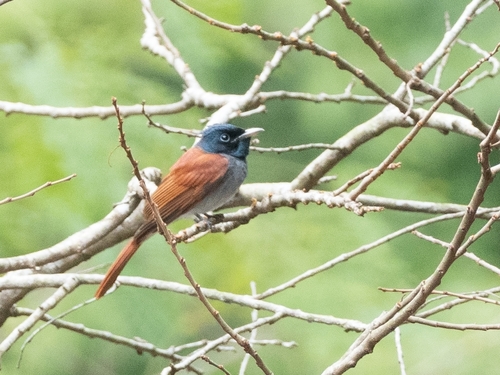
アムールサンコウチョウ (Terpsiphone incei) アムールサンコウチョウ
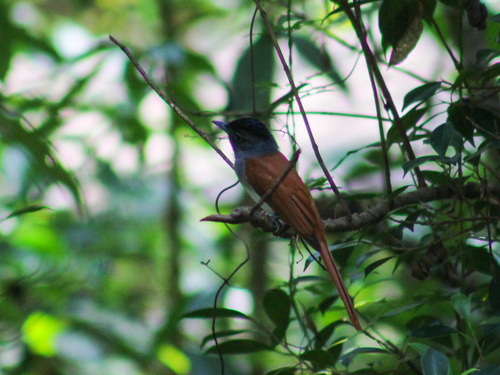
ブライスサンコウチョウ (Terpsiphone affinis) ブライスサンコウチョウ

メディア

読み込み中…

要点

アムールサンコウチョウとブライスサンコウチョウを区別する最も信頼できるフィールドマークは、ルフス形態の尾羽の色と下部のコントラストの鮮明さです:アムールは白い尾羽と鮮明な白黒のコントラストを示し、ブライスは淡いルフスの尾羽と下部へのグラデーションがより緩やかです。両種は二形のオス(ルフスと白の形態)、黒いフード、青いアイリング、繁殖期のオスには長い尾羽を持ち、一見非常に似ています。冠の形状とアイリングの強度は役立ちますが、微妙です。メスと非繁殖の鳥は特に難しいため、可能な限り尾羽の色と下部のコントラストに注目してください。

識別のコツ

  1. 尾羽の色が鍵: アムールは白い尾羽を示し(すべての年齢と性別)、ブライスはルフス形態とメスに淡いルフスの尾羽を持っています。これは最も信頼できるフィールドマークです。
  2. 下部のコントラスト: アムールは黒いフードと白い下部の間に鮮明なコントラストがあります;ブライスのルフス形態は灰色の下部へのグラデーションがより緩やかで、鮮明な境界がありません。
  3. 白の形態のマーク: ブライスの白の形態のオスは翼と中央の尾羽の軸に暗い筋を示し、アムールには記載されていません。良い光の中でこれらの微妙なマークを確認してください。
  4. 冠の形状: ブライスは短く丸い冠を持ち、アムールは小さいが特に丸くはありません。これは微妙で、直接比較で最もよく使われます。
  5. アイリングの色: 両者とも青いアイリングを持っていますが、ブライスのメスと非繁殖の鳥はアムールよりも鮮やかな青ではありません。これは小さなポイントで、フィールドで判断するのが難しい場合があります。
  6. 尾羽の長さ: 繁殖羽衣の両方のオスは体長のほぼ2倍の尾羽を持っているため、これは区別にはなりません。
  7. メスの混乱: 両種のメスは非常に似ているため、尾羽の色と下部のコントラストに頼り、他の特徴が重なる場合があります。
  8. 生息地の文脈: 中国やロシア極東の成熟した森林で見られた場合、アムールの可能性が高いです;東南アジアの庭、プランテーション、またはエッジの生息地では、ブライスが好まれますが、範囲の重複や移動が混乱を引き起こす可能性があります。
  9. 声: これらのメモにはブライスの歌/コールが記載されています。もし「wiwiwiwiwiwiwi」という鳴り響く音や鼻声の「ji-jeh」を聞いた場合、ブライスを支持しますが、歌の不在は診断的ではありません。
  10. ルフス形態の落とし穴: 両種はルフス形態を持っているため、全体のルフスの色合いだけを使用しないでください。尾羽と下部のコントラストに注目してください。
  11. 白の形態の落とし穴: 両者とも白の形態を示すことがあります;ブライスの暗い軸の筋を探してください、アムールには記載されていません。
  12. 冠とジズ: 冠の形状は微妙で、常に見えるわけではありません;これだけに頼らないでください。
  13. 未熟/幼鳥の混乱: 特徴的な未熟な翼や飛行パターンのマークは記載されていないため、若い鳥でも尾羽と下部のコントラストに注目してください。
  14. 季節的文脈: アムールは東南アジアでの渡り鳥であるため、タイミングが役立つかもしれませんが、冬にブライスとの重複が可能です。
  15. 疑わしい場合: 尾羽の色と下部のコントラストが見えず、生息地や声が役立たない場合、フィールドでこれらの種を自信を持って区別することはできないかもしれません。

大きさ

利用可能な情報源には、アムールサンコウチョウとブライスサンコウチョウの間に直接的なサイズの違いは記載されていません。両者は典型的なサンコウチョウで、オスは繁殖羽衣で非常に長い尾を示します。構造(くちばし、翼、体)はこれらの種の区別として強調されていません。

羽色

行動

利用可能なメモには、これら二種の間に特有の行動の違いは記載されていません。両者は典型的なサンコウチョウで、昆虫を捕まえるために飛び出したり、中層や樹冠に止まったりする姿が見られるでしょう。

生息環境

アムールサンコウチョウは中国とロシア極東に生息し、東南アジアで越冬します。ブライスサンコウチョウは常緑広葉樹林、森林のエッジ、二次成長、低地や丘陵地域の庭やプランテーションにより関連しています。両者は東南アジアの重複する越冬地域に出現する可能性がありますが、ブライスは乱れたまたはエッジの生息地でより可能性が高く、アムールはより成熟した森林を好むかもしれません(ただし、これは決定的ではありません)。

声

ブライスサンコウチョウのみがメモに記載された声を持っています:「wiwiwiwiwiwiwi」という鳴り響く音のシリーズと、鼻声の「ji-jeh」または「ji-jeh-jeh」というコールです。これらのメモにはアムールの声の記載はないため、声は信頼できる区別にはなりません、ブライスのコールに慣れていない限り。

より良い説明を送る

比較と同じ項目を使ってください。文章はすぐに公開されます。

The most reliable field mark to separate Amur Paradise-Flycatcher from Blyth's Paradise-Flycatcher is the color of the undertail and the sharpness of contrast on the underparts in rufous morphs: Amur shows a white undertail and crisp black-and-white contrast, while Blyth's has a pale rufous undertail and a more gradual transition to grey below. Both species have dimorphic males (rufous and white morphs), black hoods, blue eye-rings, and long tail streamers in breeding males, making them very similar at a glance. Crest shape and eye-ring intensity can help, but are subtle. Females and non-breeding birds are especially tricky, so focus on undertail color and underpart contrast whenever possible.

  1. Undertail color is key: Amur shows a white undertail (all ages and sexes), while Blyth's has a pale rufous undertail in rufous morphs and females. This is the single most reliable field mark.
  2. Underpart contrast: Amur has a sharp contrast between the black hood and white underparts; Blyth's rufous morphs have a more gradual transition to greyish underparts, lacking a crisp divide.
  3. White morph marks: Blyth's white morph males show dark streaks on the wings and central tail feather shafts, which are not noted for Amur. Check for these subtle marks in good light.
  4. Crest shape: Blyth's has a short, rounded crest; Amur's is small but not specifically rounded. This is subtle and best used in direct comparison.
  5. Eye-ring color: Both have blue eye-rings, but Blyth's females and non-breeding birds have a less vibrant blue than Amur. This is a minor point and may be hard to judge in the field.
  6. Tail streamer length: Both males in breeding plumage have tail streamers nearly twice the body length, so this is not a separator.
  7. Female confusion: Females of both species are very similar; rely on undertail color and underpart contrast, as other features overlap.
  8. Habitat context: If seen in mature forest in China or the Russian Far East, Amur is more likely; in Southeast Asian gardens, plantations, or edge habitats, Blyth's is favored, but range overlap and migration can cause confusion.
  9. Voice: Only Blyth's has a described song/call in these notes. If you hear a ringing "wiwiwiwiwiwiwi" or nasal "ji-jeh", it supports Blyth's, but absence of song is not diagnostic.
  10. Rufous morph pitfalls: Both species have rufous morphs, so do not use overall rufous coloration alone. Focus on undertail and underpart contrast.
  11. White morph pitfalls: Both can show white morphs; look for the dark shaft streaks on Blyth's, which are not described for Amur.
  12. Crest and jizz: Crest shape is subtle and not always visible; do not rely on this alone.
  13. Immature/juvenile confusion: No distinctive immature wing or flight pattern marks are described, so focus on undertail and underpart contrast even in young birds.
  14. Seasonal context: Amur is a migrant in Southeast Asia, so timing may help, but overlap with Blyth's is possible in winter.
  15. When in doubt: If undertail color and underpart contrast are not visible, and habitat or voice do not help, it may not be possible to separate these species confidently in the field.

No direct size differences are noted between Amur and Blyth's Paradise-Flycatchers in the available sources. Both are typical paradise-flycatchers, with males showing extremely long tails in breeding plumage. Structure (bill, wing, body) is not highlighted as a separator in these species.

  • Juvenile/immature plumage: No specific juvenile or immature upperwing or flight pattern differences are described in the available notes for either species. If you encounter a bird in flight, focus on undertail color and underpart contrast if visible.

  • Adult males (breeding): Both species have two male morphs (rufous and white), with long tail streamers, black hoods, blue eye-rings, and small crests. Amur males have white underparts and a white undertail, with a sharp contrast between the black hood and white belly. Blyth's rufous morph males have a pale rufous undertail and a gradual transition from darker upperparts to greyish underparts, lacking the sharp contrast of Amur. White morph Blyth's males show dark streaks on the wing and central tail shaft, which are not mentioned for Amur.

  • Females and non-breeding birds: Females of both species resemble rufous males but Blyth's females have a paler head and a less vibrant blue eye-ring. The undertail remains a key separator: white in Amur, pale rufous in Blyth's. The underpart contrast is also less sharp in Blyth's.

  • Crest: Blyth's has a short, rounded crest; Amur's is described as small but not specifically shaped.

No distinctive behavioral differences are described between these two species in the available notes. Both are typical flycatchers, likely to be seen sallying for insects and perching in mid-story or canopy.

Amur Paradise-Flycatcher is native to China and the Russian Far East, wintering in Southeast Asia. Blyth's Paradise-Flycatcher is more associated with evergreen broadleaf forests, forest edges, secondary growth, gardens, and plantations in lowland and foothill regions. While both can occur in overlapping wintering areas in Southeast Asia, Blyth's is more likely in disturbed or edge habitats, whereas Amur may prefer more mature forest (though this is not definitive).

Only Blyth's Paradise-Flycatcher has described vocalizations in the notes: a ringing series of "wiwiwiwiwiwiwi" notes and a nasal "ji-jeh" or "ji-jeh-jeh" call. No vocal description is provided for Amur in these notes, so voice is not a reliable separator unless you are familiar with Blyth's calls.

変更を破棄しますか?

保存していない編集があります。今離れると失われます。

アムールサンコウチョウ · ブライスサンコウチョウ · 苦手な鳥