

Motmot

アメリカミヤコドリ 対 ミズカキチドリ

Haematopus palliatus 対 Charadrius semipalmatus

アメリカミヤコドリとミズカキチドリのクイズ
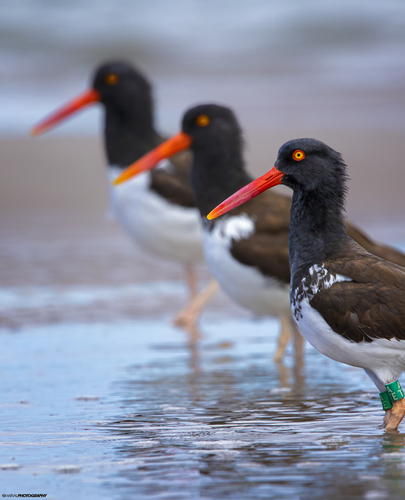
アメリカミヤコドリ (Haematopus palliatus) アメリカミヤコドリ
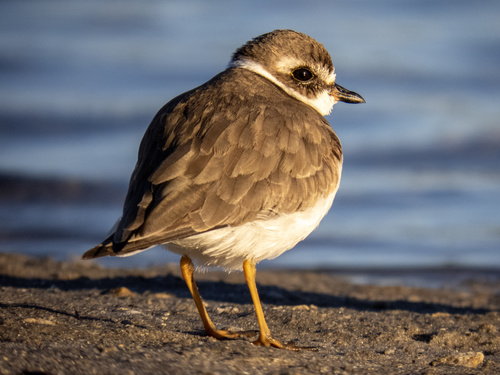
ミズカキチドリ (Charadrius semipalmatus) ミズカキチドリ

メディア

読み込み中…

要点

アメリカミヤコドリとミズカキチドリを区別する最も信頼できる方法は、サイズとくちばしです:アメリカミヤコドリははるかに大きく、長くて太く、明るいオレンジ色のくちばしを持っていますが、ミズカキチドリは小さく、短いオレンジと黒のくちばしを持っています。飛んでいるとき、アメリカミヤコドリは大胆な黒と白の翼と尾のパターンを示しますが、ミズカキチドリはより控えめな茶色と白の上面を持ち、単一の黒い胸の帯があります。遠くからでも、アメリカミヤコドリの際立ったコントラストと体格は、ミズカキチドリの繊細でコンパクトな外観に対して際立っています。両種はビーチや干潟で見られることがありますが、構造と羽毛は注意深い観察によって明確に異なります。

識別のコツ

  1. Size is the most immediate clue: アメリカミヤコドリはミズカキチドリの2倍以上の長さです。両方を一緒に見ると、アメリカミヤコドリはミズカキチドリを圧倒します。
  2. Bill shape and color: アメリカミヤコドリは長くて太い明るいオレンジ色のくちばしを持っています;ミズカキチドリのくちばしは短くて細く、オレンジ色で黒い先端があります。遠くからでも、アメリカミヤコドリのくちばしは明らかです。
  3. Head and breast pattern: アメリカミヤコドリは黒い頭と胸を持ち、白い腹部と鋭く対照的です。ミズカキチドリは茶色の帽子、白い額、黒いマスク、そしてそれ以外は白い腹部に単一の黒い胸の帯を持っています。
  4. Leg color: アメリカミヤコドリの脚はピンク色です;ミズカキチドリの脚は鈍く、目立ちません。
  5. Wing pattern in flight: アメリカミヤコドリは内側の翼に大胆な白い斑点を示し、強い黒と白の尾のパターンを持っています。ミズカキチドリは大胆な白いパネルがないより均一な茶色の翼を持っています。
  6. Eye color and facial features: アメリカミヤコドリはオレンジ色の眼窩輪を持つ黄色い虹彩を持っています;ミズカキチドリの目は暗く、黒いマスクに囲まれています。
  7. Body shape and posture: アメリカミヤコドリは長い脚を持ち、重い体で、背筋を伸ばして立っています。ミズカキチドリはコンパクトで、短い脚を持ち、しゃがんでいます。
  8. Feeding behavior: アメリカミヤコドリは貝類を探るか叩くことで餌を探すことが多く、貝類の床をゆっくり歩いているのが見られます。ミズカキチドリは走ったり、止まったりして小さな無脊椎動物をついばんでいます。
  9. Habitat context: 内陸や草地で見られた場合、ほぼ確実にミズカキチドリです。アメリカミヤコドリは海岸から離れることはほとんどありません。
  10. Plumage confusion: ミズカキチドリは決して黒い頭と胸、または長いオレンジ色のくちばしを示しません。アメリカミヤコドリは決して単一の黒い胸の帯や茶色の帽子を示しません。
  11. Juvenile confusion: 提供されたメモには、どちらの種についても年齢特有の上翼のマークは記載されていないため、未熟な個体についてはサイズと構造に焦点を当ててください。
  12. Group context: アメリカミヤコドリはしばしば孤立しているか、小さな群れで見られます;ミズカキチドリは他の小さな海岸鳥と混ざった大きな群れにいることがあります。
  13. Voice: メモには記載されていないため、ここでの区別のために鳴き声に頼らないでください。
  14. Seasonal confusion: 両種は海岸での移動中に一緒に見られることがありますが、アメリカミヤコドリのサイズとくちばしは年間を通じて診断的です。
  15. At a distance: 羽毛の詳細が見えにくい場合でも、アメリカミヤコドリのサイズ、長いくちばし、そして飛行中の大胆な黒と白のパターンは、小さくて整った茶色と白のミズカキチドリと比較して明確です。

大きさ

アメリカミヤコドリは劇的に大きく、長さは42–52 cm(17–20 in)です [wikipedia]、一方、ミズカキチドリはわずか17–19 cm(6.7–7.5 in)です [wikipedia]。アメリカミヤコドリは重く、長い脚を持つ海岸鳥で頑丈な体型をしていますが、ミズカキチドリは小さく、軽量でコンパクトです。アメリカミヤコドリのくちばしだけで、ミズカキチドリの頭全体とほぼ同じ長さであり、両方が見えるときにサイズが最も即座で信頼できるフィールドマークになります。

羽色

どちらの種についても年齢特有の上翼パターンは記載されていませんが、全体的な飛行中と止まっているときの羽毛は特徴的です。成鳥のアメリカミヤコドリは黒い頭と胸、暗い灰色がかった黒の上面、白い腹部、そして飛行中に見える内側の翼に大胆な白い斑点を持っています。彼らの長く明るいオレンジ色のくちばしとピンクの脚は診断的です。対照的に、ミズカキチドリは茶色の帽子と上面、白い腹部、そして単一の黒い胸の帯を持っています。彼らの顔は黒いマスクと白い額を示し、短いオレンジと黒のくちばしを持っています。飛行中、ミズカキチドリはアメリカミヤコドリの大胆な白い翼のパネルを欠き、代わりにより均一な茶色と白のパターンを示します。提供されたメモには、どちらの種についても幼鳥や未熟な特有の上翼マークは記載されていません。

行動

アメリカミヤコドリは強いくちばしで貝類を探るか叩くことで餌を探し、貝類の床をゆっくり歩いているのが見られます。ミズカキチドリは視覚で餌を探し、走ったり、止まったりして泥干潟やビーチで小さな無脊椎動物をついばんでいます。アメリカミヤコドリは動きがより慎重で力強いのに対し、ミズカキチドリは素早く、敏捷で、優雅です。アメリカミヤコドリは大きな貝類を運んだり操作したりしているのが見られることがありますが、これはミズカキチドリには見られない行動です。

生息環境

両種はビーチや干潟に生息していますが、アメリカミヤコドリはより厳密に海岸に生息し、貝類の床や岩の多い岸で見られることが多いです。ミズカキチドリはビーチ、干潟、さらには移動中の野原など、より広範囲の開けた地面を利用します。ミズカキチドリは植生の少ない開けた地面に巣を作りますが、アメリカミヤコドリは年間を通じて海洋生息地により結びついています。

より良い説明を送る

比較と同じ項目を使ってください。文章はすぐに公開されます。

The most reliable way to separate American Oystercatcher from Semipalmated Plover is by size and bill: oystercatchers are much larger, with a long, thick, bright orange bill, while Semipalmated Plovers are small and have a short, orange-and-black bill. In flight, American Oystercatchers show bold black-and-white wing and tail patterns, whereas Semipalmated Plovers have more subdued, brown-and-white upperparts with a single dark breast band. Even at a distance, the oystercatcher’s striking contrast and bulk stand out against the plover’s delicate, compact look. Both species may be seen along beaches and tidal flats, but their structure and plumage are unmistakably different with careful observation.

  1. Size is the most immediate clue: American Oystercatcher is more than twice the length of Semipalmated Plover. If you see both together, the oystercatcher will dwarf the plover.
  2. Bill shape and color: Oystercatcher has a long, thick, bright orange bill; plover’s bill is short, thin, and orange with a black tip. Even at a distance, the oystercatcher’s bill is obvious.
  3. Head and breast pattern: Oystercatcher has a solid black head and breast, sharply contrasting with its white belly. Semipalmated Plover has a brown cap, white forehead, black mask, and a single black breast band on otherwise white underparts.
  4. Leg color: Oystercatcher’s legs are pink; plover’s legs are duller and less conspicuous.
  5. Wing pattern in flight: Oystercatcher shows a bold white patch on the inner wing and a strong black-and-white tail pattern. Plovers have more uniform brown wings with no bold white panel.
  6. Eye color and facial features: Oystercatcher has a yellow iris with an orange orbital ring; plover’s eye is dark, surrounded by a black mask.
  7. Body shape and posture: Oystercatcher is long-legged, heavy-bodied, and stands tall. Plovers are compact, short-legged, and squat.
  8. Feeding behavior: Oystercatchers are often seen prying or hammering at shellfish; plovers run, pause, and pick at small prey.
  9. Habitat context: If seen inland or in grassy fields, it is almost certainly a plover. Oystercatchers are rarely away from marine coasts.
  10. Plumage confusion: Plovers never show a solid black head and breast or a long orange bill. Oystercatchers never show a single black breast band or brown cap.
  11. Juvenile confusion: No age-specific upperwing marks are described for either species, so focus on size and structure for immatures.
  12. Group context: Oystercatchers are often solitary or in small groups; plovers may be in larger mixed flocks with other small shorebirds.
  13. Voice: Not described in the notes, so do not rely on vocalization for separation here.
  14. Seasonal confusion: Both species can occur together on migration along coasts, but the oystercatcher’s size and bill remain diagnostic year-round.
  15. At a distance: Even when plumage details are hard to see, the oystercatcher’s size, long bill, and bold black-and-white pattern in flight are unmistakable compared to the small, neat, brown-and-white plover.

American Oystercatcher is dramatically larger, measuring 42–52 cm (17–20 in) in length [wikipedia], while Semipalmated Plover is only 17–19 cm (6.7–7.5 in) long [wikipedia]. Oystercatchers are heavy, long-legged shorebirds with a robust build, whereas Semipalmated Plovers are small, lightweight, and compact. The oystercatcher’s bill alone is nearly as long as the plover’s entire head, making size the most immediate and reliable field mark when both are visible.

No age-specific upperwing pattern is described for either species, but overall flight and perched plumage are distinctive. Adult American Oystercatchers have a black head and breast, dark greyish-black upperparts, white underparts, and a bold white patch on the inner wing visible in flight. Their long, bright orange bill and pink legs are diagnostic. Semipalmated Plovers, by contrast, have a brown cap and upperparts, white underparts, and a single black breast band. Their face shows a black mask and white forehead, with a short orange-and-black bill. In flight, plovers lack the oystercatcher’s bold white wing panels and instead show a more uniform brown-and-white pattern. Juvenile or immature-specific upperwing marks are not described for either species in the provided notes.

American Oystercatchers forage by probing or hammering at shellfish with their strong bill, often seen walking slowly over shellfish beds. Semipalmated Plovers forage by sight, running and pausing to pick at small invertebrates on mudflats or beaches. Oystercatchers are more deliberate and powerful in their movements, while plovers are quick, agile, and dainty. Oystercatchers may be seen carrying or manipulating large shellfish, a behavior not shown by plovers.

Both species frequent beaches and tidal flats, but American Oystercatchers are more strictly coastal, often found on shellfish beds and rocky shores. Semipalmated Plovers use a wider range of open ground, including beaches, tidal flats, and even fields during migration. Plovers nest on open ground with little vegetation, while oystercatchers are more tied to marine habitats year-round.

変更を破棄しますか?

保存していない編集があります。今離れると失われます。

アメリカミヤコドリ · ミズカキチドリ · 苦手な鳥