

American Oystercatcher vs Semipalmated Plover
Haematopus palliatus contro Charadrius semipalmatus
Fai un quiz con American Oystercatcher e Semipalmated Plover
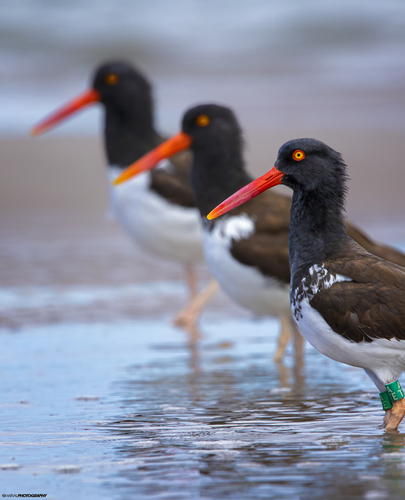 American Oystercatcher
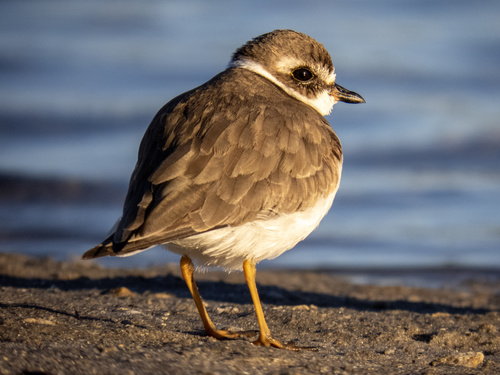 Semipalmated Plover
In breve
Il modo più affidabile per separare l'American Oystercatcher dal Semipalmated Plover è per dimensioni e becco: gli oystercatchers sono molto più grandi, con un lungo, spesso e brillante becco arancione, mentre i Semipalmated Plovers sono piccoli e hanno un becco corto, arancione e nero. In volo, gli American Oystercatchers mostrano audaci modelli neri e bianchi sulle ali e sulla coda, mentre i Semipalmated Plovers hanno parti superiori più sobrie, marroni e bianche, con una singola banda scura sul petto. Anche a distanza, il contrasto e la massa impressionanti dell'oystercatcher si distinguono rispetto all'aspetto delicato e compatto del plover. Entrambe le specie possono essere viste lungo le spiagge e le pianure di marea, ma la loro struttura e il loro piumaggio sono indiscutibilmente diversi con un'attenta osservazione.
Consigli di identificazione
- Size is the most immediate clue: L'American Oystercatcher è più lungo di oltre il doppio rispetto al Semipalmated Plover. Se vedi entrambi insieme, l'oystercatcher sovrasterà il plover.
- Bill shape and color: L'oystercatcher ha un lungo, spesso e brillante becco arancione; il becco del plover è corto, sottile e arancione con una punta nera. Anche a distanza, il becco dell'oystercatcher è ovvio.
- Head and breast pattern: L'oystercatcher ha una testa e un petto neri solidi, in forte contrasto con il suo ventre bianco. Il Semipalmated Plover ha un cappello marrone, una fronte bianca, una maschera nera e una singola banda nera sul petto altrimenti bianco.
- Leg color: Le gambe dell'oystercatcher sono rosa; le gambe del plover sono più opache e meno appariscenti.
- Wing pattern in flight: L'oystercatcher mostra una audace macchia bianca sull'ala interna e un forte modello nero e bianco sulla coda. I plovers hanno ali marroni più uniformi senza un pannello bianco audace.
- Eye color and facial features: L'oystercatcher ha un'iride gialla con un anello orbitale arancione; l'occhio del plover è scuro, circondato da una maschera nera.
- Body shape and posture: L'oystercatcher ha gambe lunghe, corpo pesante e sta in piedi alto. I plovers sono compatti, con gambe corte e accovacciati.
- Feeding behavior: Gli oystercatchers sono spesso visti a frugare o battere sui molluschi; i plovers corrono, si fermano e beccano piccole prede.
- Habitat context: Se visti nell'entroterra o in campi erbosi, è quasi certamente un plover. Gli oystercatchers raramente si allontanano dalle coste marine.
- Plumage confusion: I plovers non mostrano mai una testa e un petto neri solidi o un lungo becco arancione. Gli oystercatchers non mostrano mai una singola banda nera sul petto o un cappello marrone.
- Juvenile confusion: Non sono descritti segni specifici per le ali superiori per età per nessuna delle due specie, quindi concentrati su dimensioni e struttura per gli immaturi.
- Group context: Gli oystercatchers sono spesso solitari o in piccoli gruppi; i plovers possono trovarsi in stormi misti più grandi con altri uccelli costieri piccoli.
- Voice: Non descritta nelle note, quindi non fare affidamento sulla vocalizzazione per la separazione qui.
- Seasonal confusion: Entrambe le specie possono verificarsi insieme durante la migrazione lungo le coste, ma le dimensioni e il becco dell'oystercatcher rimangono diagnostici tutto l'anno.
- At a distance: Anche quando i dettagli del piumaggio sono difficili da vedere, le dimensioni dell'oystercatcher, il lungo becco e il modello audace nero e bianco in volo sono inconfondibili rispetto al piccolo, ordinato plover marrone e bianco.
Taglia
L'American Oystercatcher è drammaticamente più grande, misurando 42–52 cm (17–20 in) di lunghezza [wikipedia], mentre il Semipalmated Plover è lungo solo 17–19 cm (6.7–7.5 in) [wikipedia]. Gli oystercatchers sono uccelli costieri pesanti e dalle gambe lunghe con una struttura robusta, mentre i Semipalmated Plovers sono piccoli, leggeri e compatti. Il becco dell'oystercatcher da solo è quasi lungo quanto l'intera testa del plover, rendendo le dimensioni il segno di campo più immediato e affidabile quando entrambi sono visibili.
Piumaggio
Non è descritto alcun modello specifico per le ali superiori per età per nessuna delle due specie, ma il piumaggio complessivo in volo e in posizione è distintivo. Gli adulti American Oystercatchers hanno una testa e un petto neri, parti superiori grigio scuro, parti inferiori bianche e una audace macchia bianca sull'ala interna visibile in volo. Il loro lungo becco arancione brillante e le gambe rosa sono diagnostici. I Semipalmated Plovers, al contrario, hanno un cappello marrone e parti superiori, parti inferiori bianche e una singola banda nera sul petto. Il loro viso mostra una maschera nera e una fronte bianca, con un breve becco arancione e nero. In volo, i plovers mancano dei pannelli bianchi audaci delle ali dell'oystercatcher e mostrano invece un modello più uniforme marrone e bianco. Non sono descritti segni specifici per le ali superiori per immaturi per nessuna delle due specie nelle note fornite.
Comportamento
Gli American Oystercatchers si nutrono frugando o battendo sui molluschi con il loro forte becco, spesso visti camminare lentamente su letti di molluschi. I Semipalmated Plovers si nutrono per vista, correndo e fermandosi per beccare piccoli invertebrati su fanghi o spiagge. Gli oystercatchers sono più deliberati e potenti nei loro movimenti, mentre i plovers sono veloci, agili e delicati. Gli oystercatchers possono essere visti trasportare o manipolare grandi molluschi, un comportamento non mostrato dai plovers.
Habitat
Entrambe le specie frequentano spiagge e pianure di marea, ma gli American Oystercatchers sono più strettamente costieri, spesso trovati su letti di molluschi e coste rocciose. I Semipalmated Plovers utilizzano una gamma più ampia di terreni aperti, comprese spiagge, pianure di marea e persino campi durante la migrazione. I plovers nidificano su terreni aperti con poca vegetazione, mentre gli oystercatchers sono più legati agli habitat marini tutto l'anno.
American Oystercatcher · Semipalmated Plover · I miei uccelli difficili