

Motmot

アメリカミヤコドリ 対 クロミヤコドリ

Haematopus palliatus 対 Haematopus bachmani

アメリカミヤコドリとクロミヤコドリのクイズ
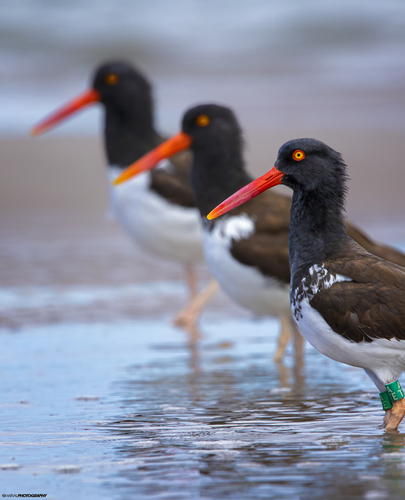
アメリカミヤコドリ (Haematopus palliatus) アメリカミヤコドリ
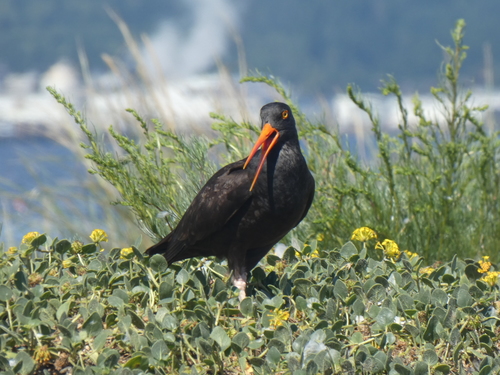
クロミヤコドリ (Haematopus bachmani) クロミヤコドリ

メディア

読み込み中…

要点

アメリカミヤコドリとクロミヤコドリの最も信頼できるフィールドマークは全体の羽色です:アメリカは大胆な黒と白ですが、クロはほぼ全体が暗いです。飛んでいる時や休んでいる時、アメリカミヤコドリは目を引く白い腹部と白い翼の斑点を示し、それが黒い頭と胸と鋭く対照的です;クロミヤコドリははるかに均一に暗く、体には微妙な茶色のトーンがあるだけで、下部には白がありません。両者ともに長く明るいオレンジ色のくちばしとピンクの脚を持っていますが、アメリカのくちばしはしばしばわずかに長く、先細りに見えます。バハの北の太平洋沿岸で赤いくちばしを持つほぼ黒い海鳥を見たら、それはほぼ確実にクロミヤコドリです。重複は最小限で、主にバハカリフォルニアにあります。

識別のコツ

  1. 羽色の対比が重要:アメリカミヤコドリは常に黒い頭/胸と白い下部の間に鋭い境界を示し、飛んでいる時には翼と尾に白が見えます。クロミヤコドリは均一に暗く、すべての年齢で白い腹部や翼のストライプはありません。
  2. 飛行時の視点:アメリカミヤコドリの大胆な白い翼のストライプと尾の斑点を探してください;クロミヤコドリは飛行中にすべて暗い翼と体を示し、白はありません。
  3. 休んでいる鳥:アメリカミヤコドリの白い腹部と側面は、止まっている時でも明らかです;クロミヤコドリは完全に暗く見え、時には体に茶色がかっていることがあります。
  4. くちばしの色と形:両者ともに長く明るいオレンジ色のくちばしを持っていますが、アメリカのものはわずかに長く、先細りに見えることがあります。これは微妙で、常に信頼できるわけではありません。
  5. 脚の色:両者ともにピンクの脚を持っています;これは有用な区別ではありません。
  6. 目の色:両者ともに黄色い虹彩と赤/オレンジの眼窩リングを持っています;フィールドでは診断的ではありません。
  7. 生息地と範囲:バハカリフォルニアの北の太平洋沿岸では、どのミヤコドリもほぼ確実にクロです。大西洋、メキシコ湾、またはカリブ海の沿岸では、アメリカになります。バハでは羽色を注意深く確認してください。
  8. 好まれる基盤:クロミヤコドリはほぼ常に岩の多い岸にいます;アメリカは砂、泥、または岩の上に見つかることがあります。
  9. 行動:両種は潮間帯の貝類のベッドで餌を探しますが、クロミヤコドリは岩に厳密に結びついており、非常に縄張り意識が強いです。
  10. 季節と年齢:重要な季節的または年齢に関連する羽色の重複はありません;黒と白の対比はすべての年齢に当てはまります。
  11. 幼鳥/未成熟の鳥:若い鳥に特有の上翼や飛行のマークは記載されていません;同じ一般的な羽色のルールが適用されます。
  12. サイズと構造:両者ともに大きく、重い体を持つ海鳥で、長い脚とくちばしを持っています;サイズは信頼できるフィールドマークではありません。
  13. 声:両者ともに騒がしいですが、ノートには診断的な違いは記載されていません。
  14. 一般的な落とし穴:くちばしの色や脚の色だけに頼らないでください、両者ともに似ています。アメリカミヤコドリの下部と翼に白があるかどうかを常に確認してください。
  15. 混乱が最も起こりやすい場所:重複はバハカリフォルニアに限られています;他の場所では、範囲と生息地が通常IDを解決します。

大きさ

フィールドでの直接的なサイズ比較は難しいです。両種は大きなミヤコドリで、全体の構造が似ています。利用可能なデータによると、成鳥のクロミヤコドリの体重は約681g [wikidata]で、大きなミヤコドリの典型的な範囲内です。アメリカミヤコドリの長さは42〜52cm [wikipedia]ですが、直接的な体重は示されていません。実際には、両種は同様に頑丈に見え、長い脚と重い、まっすぐなくちばしを持っています。サイズだけでは信頼できる区別にはなりません。

羽色

羽色はすべての年齢で最も有用な区別です。アメリカミヤコドリ(成鳥と未熟鳥)は大胆なパターンを持っています:黒い頭と胸、白い下部、そして暗い灰色-黒の上部です。飛行中には、広い白い翼のストライプ(内側の一次羽と覆羽から)、白い尾、そして白い尾の基部を示します。これらの白い部分は、遠くの鳥や飛んでいる鳥でも見えます。クロミヤコドリはほぼ完全に暗いです:黒い頭、首、胸、そして暗い茶色-黒の体と翼。下部も暗く、白い腹部や翼のストライプはありません。幼鳥でさえ全体的に暗く、トーンのわずかな変化(北に行くほど暗くなる)があります。両種ともに長く明るいオレンジ色のくちばしとピンクの脚を持っていますが、アメリカのくちばしはわずかに長く、より細く見えることがあります。目の色は似ています(黄色い虹彩、赤/オレンジの眼窩リング)が、遠くからは診断的ではありません。どちらの種にも年齢特有の上翼パターンは記載されていないため、黒と白の対比はすべての羽色に当てはまります。

行動

両種は潮間帯の地域を歩きながら餌を探し、くちばしを使って貝類をこじ開けたり叩いたりします。クロミヤコドリは特に岩の多い岸に結びついており、非常に縄張り意識が強く、餌や巣のエリアを大きな声で守る姿がよく見られます。アメリカミヤコドリも沿岸にいますが、砂や混合した岸でも見られ、岩だけではありません。両種は満潮時に休んでいるのを見ることがあります。飛行中、両者は強く直接的ですが、アメリカの白い翼と尾の斑点は遠くからでもしばしば見えます。

生息環境

生息地は強い手がかりです。クロミヤコドリはほぼ完全に太平洋沿岸の岩の多い岸に見られ、アラスカからバハカリフォルニアまで、潮間帯のすぐ近くから離れることはほとんどありません。岩の突起、埠頭、入り江を強く好みます。アメリカミヤコドリは大西洋とメキシコ湾の沿岸、カリブ海に見られ、クロとはバハカリフォルニアでのみ重なります。砂浜、干潟、貝類のベッド、そして岩の多い岸を含む広範な沿岸生息地を利用します。太平洋のバハの北にいる場合、黒っぽいミヤコドリはほぼ確実にクロです;大西洋またはメキシコ湾では、アメリカになります。

声

両種は大きく目立ち、特に縄張りを守るときに騒がしいですが、ノートには特有の声の違いは記載されていません。両者は鋭い、ピーピーという呼び声を出しますが、利用可能な情報に基づいて声は信頼できる区別ではありません。

より良い説明を送る

比較と同じ項目を使ってください。文章はすぐに公開されます。

The most reliable field mark between American Oystercatcher and Black Oystercatcher is overall plumage: American is boldly black-and-white, while Black is nearly all dark. In flight or at rest, American Oystercatcher shows a striking white belly and white wing patches, contrasting sharply with its black head and breast; Black Oystercatcher is much more uniformly dark, with only subtle brownish tones on the body and no white on the underparts. Both have long, bright orange bills and pink legs, but the American’s bill often appears slightly longer and more tapered. If you see a mostly black shorebird with a red bill on the Pacific coast north of Baja, it’s almost certainly Black Oystercatcher. Overlap is minimal and mostly in Baja California.

  1. Plumage contrast is key: American Oystercatcher always shows a sharp division between black head/breast and white underparts, with white visible on the wings and rump in flight. Black Oystercatcher is uniformly dark, with no white belly or wing stripe, at all ages.
  2. Flight view: Look for bold white wing stripe and rump patch on American Oystercatcher; Black Oystercatcher shows all-dark wings and body in flight, with no white.
  3. Resting bird: American Oystercatcher’s white belly and flanks are obvious even when perched; Black Oystercatcher appears entirely dark, sometimes with a brownish tinge to the body.
  4. Bill color and shape: Both have long, bright orange-red bills, but the American’s may look slightly longer and more tapered. This is subtle and not always reliable.
  5. Leg color: Both have pink legs; not a useful separator.
  6. Eye color: Both have yellow irises and red/orange orbital rings; not diagnostic in the field.
  7. Habitat and range: On the Pacific coast north of Baja California, any oystercatcher is almost certainly Black. On the Atlantic, Gulf, or Caribbean coasts, it will be American. In Baja, check plumage carefully.
  8. Preferred substrate: Black Oystercatcher is almost always on rocky shores; American can be found on sand, mud, or rock.
  9. Behavior: Both species forage on intertidal shellfish beds, but Black Oystercatcher is more strictly tied to rocks and is highly territorial.
  10. Season and age: No significant seasonal or age-related plumage overlap; the black-and-white vs. all-dark contrast holds for all ages.
  11. Juvenile/immature birds: No unique upperwing or flight marks are described for young birds; the same general plumage rules apply.
  12. Size and structure: Both are large, heavy-bodied shorebirds with long legs and bills; size is not a reliable field mark.
  13. Voice: Both are noisy, but no diagnostic differences are described in the notes.
  14. Common pitfalls: Do not rely on bill color or leg color alone, as both are similar. Always check for white on the underparts and wings for American Oystercatcher.
  15. Where confusion is most likely: Overlap is limited to Baja California; elsewhere, range and habitat usually resolve the ID.

Direct size comparison is difficult in the field, as both species are large oystercatchers with similar overall structure. Available data gives adult Black Oystercatcher a body mass of about 681 g [wikidata], which is within the typical range for large oystercatchers. American Oystercatcher’s length is 42–52 cm [wikipedia], but no direct mass is given. In practice, both species appear similarly robust, with long legs and a heavy, straight bill. Size alone is not a reliable separator.

Plumage is the single most useful distinction at all ages. American Oystercatcher (adult and immature) is boldly patterned: black head and breast, white underparts, and dark gray-black upperparts. In flight, it shows a broad white wing stripe (from the inner primaries and coverts), a white rump, and a white tail base. These white areas are visible even on distant or flying birds. Black Oystercatcher is almost entirely dark: black head, neck, and breast, with dark brownish-black body and wings. The underparts are also dark, lacking any white belly or wing stripe. Even juveniles are dark overall, with only slight variation in tone (darker further north). Both species have a long, bright orange-red bill and pink legs, but the American’s bill may appear slightly longer and more slender. Eye color is similar (yellow iris, red/orange orbital ring), but is rarely diagnostic at distance. No age-specific upperwing patterns are described for either species, so the black-and-white vs. all-dark contrast holds for all plumages.

Both species forage by walking over intertidal areas and using their bills to pry open or hammer shellfish. Black Oystercatcher is especially tied to rocky shorelines and is highly territorial, often seen defending its feeding and nesting areas with loud calls. American Oystercatcher is also coastal but can be found on sandy or mixed shores, not just rocks. Both species may be seen resting during high tide. In flight, both are strong and direct, but American’s white wing and rump patches are often visible even at a distance.

Habitat is a strong clue. Black Oystercatcher is almost exclusively found on rocky shorelines of the Pacific coast, from Alaska to Baja California, rarely straying from the immediate intertidal zone. It strongly prefers rocky outcrops, jetties, and embayments. American Oystercatcher is found on Atlantic and Gulf coasts, the Caribbean, and overlaps with Black only in Baja California. It uses a wider range of coastal habitats, including sandy beaches, mudflats, and shellfish beds, as well as rocky shores. If you are north of Baja on the Pacific, a blackish oystercatcher is almost certainly Black; on the Atlantic or Gulf, it will be American.

Both species are loud and conspicuous, especially when defending territory, but no distinctive vocal differences are described in the notes. Both give sharp, piping calls, but voice is not a reliable separator based on available information.

変更を破棄しますか?

保存していない編集があります。今離れると失われます。

アメリカミヤコドリ · クロミヤコドリ · 苦手な鳥