

American Oystercatcher vs Black Oystercatcher
Haematopus palliatus contro Haematopus bachmani
Fai un quiz con American Oystercatcher e Black Oystercatcher
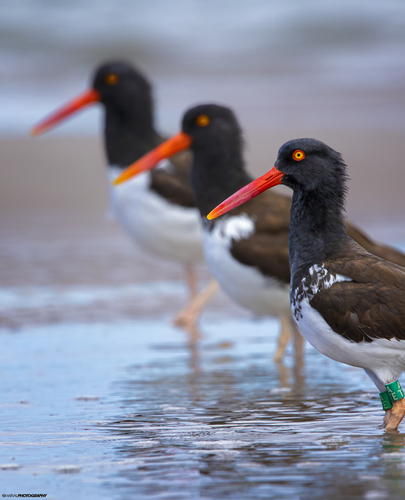 American Oystercatcher
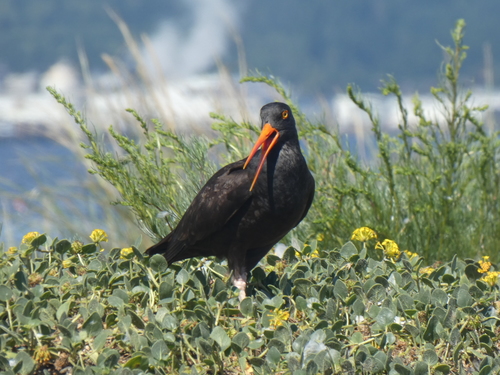 Black Oystercatcher
In breve
Il segno distintivo più affidabile tra American Oystercatcher e Black Oystercatcher è il piumaggio complessivo: l'American è audacemente bianco e nero, mentre il Black è quasi tutto scuro. In volo o a riposo, l'American Oystercatcher mostra un ventre bianco e macchie bianche sulle ali, in netto contrasto con la sua testa e il suo petto neri; il Black Oystercatcher è molto più uniformemente scuro, con solo sottili tonalità brune sul corpo e senza bianco sulle parti inferiori. Entrambi hanno becchi lunghi e di un brillante arancione e zampe rosa, ma il becco dell'American appare spesso leggermente più lungo e più affusolato. Se vedi un uccello costiero per lo più nero con un becco rosso sulla costa del Pacifico a nord di Baja, è quasi certamente un Black Oystercatcher. La sovrapposizione è minima e per lo più in Baja California.
Consigli di identificazione
- Il contrasto del piumaggio è fondamentale: l'American Oystercatcher mostra sempre una netta divisione tra testa/petto neri e parti inferiori bianche, con il bianco visibile sulle ali e sul dorso in volo. Il Black Oystercatcher è uniformemente scuro, senza ventre bianco o striscia bianca sulle ali, in tutte le età.
- Vista in volo: Cerca una netta striscia bianca sulle ali e una macchia sul dorso dell'American Oystercatcher; il Black Oystercatcher mostra ali e corpo completamente scuri in volo, senza bianco.
- Uccello a riposo: Il ventre e i fianchi bianchi dell'American Oystercatcher sono evidenti anche quando è posato; il Black Oystercatcher appare completamente scuro, a volte con una sfumatura brunastra sul corpo.
- Colore e forma del becco: Entrambi hanno becchi lunghi e di un brillante arancione-rosso, ma quello dell'American può apparire leggermente più lungo e più affusolato. Questo è sottile e non sempre affidabile.
- Colore delle zampe: Entrambi hanno zampe rosa; non è un separatore utile.
- Colore degli occhi: Entrambi hanno iridi gialle e anelli orbitali rossi/arancioni; non diagnostico sul campo.
- Habitat e distribuzione: Sulla costa del Pacifico a nord di Baja California, qualsiasi oystercatcher è quasi certamente Black. Sulle coste atlantiche, del Golfo o caraibiche, sarà American. In Baja, controlla attentamente il piumaggio.
- Substrato preferito: Il Black Oystercatcher è quasi sempre su coste rocciose; l'American può essere trovato su sabbia, fango o rocce.
- Comportamento: Entrambe le specie si nutrono su letti di molluschi intertidali, ma il Black Oystercatcher è più strettamente legato alle rocce ed è altamente territoriale.
- Stagione e età: Nessuna sovrapposizione significativa del piumaggio stagionale o legata all'età; il contrasto bianco e nero rispetto a tutto scuro si mantiene per tutte le età.
- Uccelli giovani/immaturi: Non sono descritti segni unici sulle ali superiori o di volo per gli uccelli giovani; si applicano le stesse regole generali del piumaggio.
- Dimensione e struttura: Entrambi sono grandi uccelli costieri dal corpo pesante con lunghe zampe e becchi; la dimensione non è un segno affidabile.
- Voce: Entrambi sono rumorosi, ma non sono descritte differenze diagnostiche nelle note.
- Trappole comuni: Non fare affidamento solo sul colore del becco o delle zampe, poiché entrambi sono simili. Controlla sempre la presenza di bianco sulle parti inferiori e sulle ali per l'American Oystercatcher.
- Dove è più probabile la confusione: La sovrapposizione è limitata a Baja California; altrove, la distribuzione e l'habitat risolvono solitamente l'identificazione.
Taglia
Il confronto diretto delle dimensioni è difficile sul campo, poiché entrambe le specie sono grandi oystercatchers con una struttura complessiva simile. I dati disponibili indicano che l'Black Oystercatcher adulto ha una massa corporea di circa 681 g [wikidata], che rientra nell'intervallo tipico per i grandi oystercatchers. La lunghezza dell'American Oystercatcher è di 42–52 cm [wikipedia], ma non è fornita una massa diretta. In pratica, entrambe le specie appaiono simili robusti, con lunghe zampe e un becco pesante e dritto. La dimensione da sola non è un separatore affidabile.
Piumaggio
Il piumaggio è la distinzione più utile in tutte le età. L'American Oystercatcher (adulto e immaturo) ha un motivo audace: testa e petto neri, parti inferiori bianche e parti superiori grigio scuro-nerastre. In volo, mostra una larga striscia bianca sulle ali (dalle primarie interne e dalle copritrici), un dorso bianco e una base della coda bianca. Queste aree bianche sono visibili anche su uccelli lontani o in volo. Il Black Oystercatcher è quasi completamente scuro: testa, collo e petto neri, con corpo e ali di un nero bruno scuro. Anche le parti inferiori sono scure, prive di qualsiasi ventre bianco o striscia bianca sulle ali. Anche i giovani sono complessivamente scuri, con solo lievi variazioni di tono (più scuri a nord). Entrambe le specie hanno un becco lungo, di un brillante arancione-rosso e zampe rosa, ma il becco dell'American può apparire leggermente più lungo e più snello. Il colore degli occhi è simile (iride gialla, anello orbitale rosso/arancione), ma raramente è diagnostico a distanza. Non sono descritti schemi specifici delle ali superiori per età per nessuna delle due specie, quindi il contrasto bianco e nero rispetto a tutto scuro si mantiene per tutti i piumaggi.
Comportamento
Entrambe le specie si nutrono camminando su aree intertidali e usando i loro becchi per aprire o colpire i molluschi. Il Black Oystercatcher è particolarmente legato alle coste rocciose ed è altamente territoriale, spesso visto difendere le sue aree di alimentazione e nidificazione con forti richiami. L'American Oystercatcher è anch'esso costiero ma può essere trovato su spiagge sabbiose o miste, non solo su rocce. Entrambe le specie possono essere viste riposare durante l'alta marea. In volo, entrambe sono forti e dirette, ma le macchie bianche sulle ali e sul dorso dell'American sono spesso visibili anche a distanza.
Habitat
L'habitat è un forte indizio. Il Black Oystercatcher si trova quasi esclusivamente sulle coste rocciose della costa del Pacifico, dall'Alaska a Baja California, raramente allontanandosi dalla zona intertidale immediata. Preferisce fortemente le sporgenze rocciose, i moli e le insenature. L'American Oystercatcher si trova sulle coste atlantiche e del Golfo, nei Caraibi, e si sovrappone al Black solo in Baja California. Utilizza una gamma più ampia di habitat costieri, comprese spiagge sabbiose, fanghi e letti di molluschi, oltre alle coste rocciose. Se ti trovi a nord di Baja nel Pacifico, un oystercatcher scuro è quasi certamente Black; sull'Atlantico o sul Golfo, sarà American.
Voce
Entrambe le specie sono rumorose e appariscenti, specialmente quando difendono il territorio, ma non sono descritte differenze vocali distintive nelle note. Entrambi emettono richiami acuti e squillanti, ma la voce non è un separatore affidabile basato sulle informazioni disponibili.
American Oystercatcher · Black Oystercatcher · I miei uccelli difficili