

Motmot

アメリカバン 対 ハエトリツグミ

Gallinula galeata 対 Myadestes townsendi

アメリカバンとハエトリツグミのクイズ
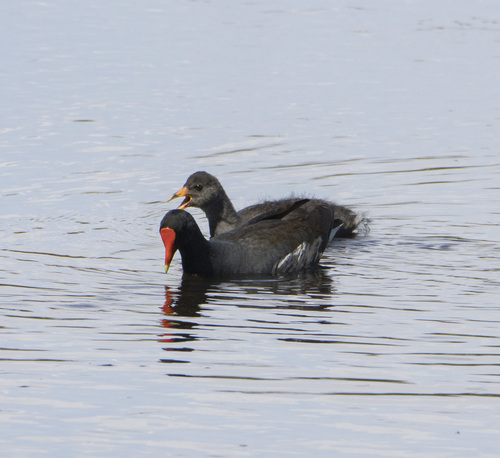
アメリカバン (Gallinula galeata) アメリカバン
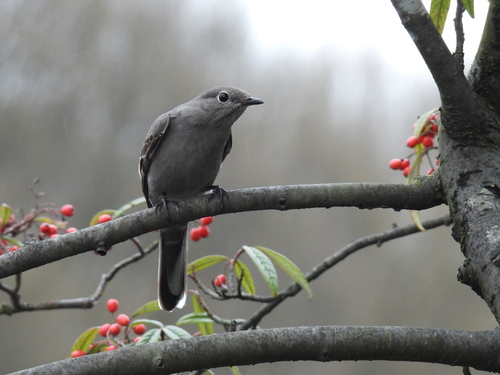
ハエトリツグミ (Myadestes townsendi) ハエトリツグミ

メディア

読み込み中…

要点

アメリカバンとハエトリツグミの最も信頼できるフィールドマークは、全体の構造と色です:アメリカバンは顔に赤いシールドと黄色い脚を持つ暗い鶏のような湿地の鳥であり、一方ハエトリツグミは白いアイリングと淡い翼のストライプを持つスリムで直立した灰色のツグミです。幼鳥のアメリカバンはより茶色で赤いシールドがなく、白い尾羽と黄色がかった脚を示しますが、ハエトリツグミの灰色で白い縁のある尾羽と直立した姿勢とは異なります。アメリカバンは常に水の中または近くに見られ、浮遊植物の上を歩くことが多いですが、ハエトリツグミは高く直立して止まり、通常は乾燥した森林や低木の生息地にいます。サイズの違いは極端で、アメリカバンはハエトリツグミの約10倍の重さです。

識別のコツ

  1. Habitat: アメリカバンは水から遠くない場所にいることはありません;ハエトリツグミは湿地や開けた水の中にはほとんどいません。生息地を最初のフィルターとして使用してください。
  2. Size: アメリカバンはハエトリツグミの約10倍の重さで、はるかに大きいです。もしその鳥が鶏のサイズに見えるなら、それはハエトリツグミではありません。
  3. Structure: アメリカバンは鶏のような体、短い尾、植物の上を歩くための長くて幅の広い足を持っています。ハエトリツグミはスリムで、長くて先細りの尾と直立したツグミのような姿勢を持っています。
  4. Bill: アメリカバンは赤い前頭シールドを持つ短くて太い赤いくちばしを持っています;ハエトリツグミはシールドのない短くて太い黒っぽいくちばしを持っています。
  5. Legs and Feet: アメリカバンは明るい黄色の脚と非常に大きな足を持っています;ハエトリツグミは普通で目立たない脚と足を持っています。
  6. Facial Markings: アメリカバン(成鳥)はくちばしの上に大胆な赤いシールドを示します;ハエトリツグミは白いアイリングを持ち、シールドはありません。
  7. Plumage Color: アメリカバンは全体的に暗く、白い尾羽を持っています;ハエトリツグミは滑らかな灰色で、淡い翼のストライプと白い縁のある尾羽を持っています。
  8. Wing Pattern: ハエトリツグミはすべての年齢で淡い翼のストライプと白い尾の縁を示します;アメリカバンは翼にストライプや白を示すことはありません。
  9. Juvenile Plumage: 幼鳥のアメリカバンはより茶色で、赤いシールドがなく、白い尾羽と黄色がかった脚を持っています。幼鳥のハエトリツグミは灰色と白のまだら模様で、淡いアイリングとすでに存在する淡い翼のストライプを持っています。
  10. Tail: アメリカバンは白い尾羽を持つ短くて四角い尾を持っています;ハエトリツグミは白で縁取られた長くて先細りの尾を持っています。
  11. Posture: アメリカバンは水平で、しばしば隠れたり泳いだりします;ハエトリツグミは直立して高く止まり、静止しています。
  12. Behavior: アメリカバンは浮遊植物の上を歩いたり泳いだりします;ハエトリツグミは止まり木に止まり、昆虫を捕まえ、ベリーの生息地を守ります。
  13. Vocalizations: アメリカバンは厳しいガーグル音やシュー音を出します;ハエトリツグミはメロディックでフルートのようなフレーズを歌い、キュッという呼び声を出します。
  14. Context: 鳥が湿地や水の中にいる場合はアメリカバンを考え、乾燥した森や高い止まり木にいる場合はハエトリツグミを考えてください。
  15. Pitfalls: 未成熟のアメリカバンは赤いシールドが欠けていることがあり、より茶色に見えることがありますが、翼のストライプやアイリングを示すことはありません。ハエトリツグミは、幼鳥であっても常にいくらかの淡いまだら模様と白いアイリングを示します。

大きさ

アメリカバンはハエトリツグミ(32 g、20–24 cm、37 cmの翼幅)よりもはるかに大きく重い(310–456 g、32–35 cm、54–62 cmの翼幅)です。アメリカバンは頑丈で鶏のサイズの鳥ですが、ハエトリツグミは細身で小さなツグミです。距離があっても、アメリカバンの体格と長い足は、ハエトリツグミの小さく直立したシルエットと比較して明らかです。

羽色

行動

アメリカバンはしばしば秘密主義で、密な湿地の植物の中を隠れたり、浮遊植物の上を歩いたりしますが、いくつかの地域では人懐っこくなり、目に見えることがあります。彼らは泳いだり、歩いたり、時にはアヒルのように逆さまになったりします。ハエトリツグミは直立して止まり、高くて露出した場所にいることが多く、長時間動かずに座っていることがあります。彼らはベリーや昆虫を食べ、しばしば止まり木から飛び出し、ジュニパーの周りの冬のテリトリーを守ります。アメリカバンは高く止まったり、長時間開けた場所で静止したりすることはほとんどありません。

生息環境

アメリカバンは常に水—湿地、池、運河、または密な植生のある湖に関連しています。もし水から離れた場所でその鳥を見た場合、それはほぼ確実にアメリカバンではありません。ハエトリツグミは乾燥した森林や低木の生息地を好み、特に冬にはジュニパーのある地域を好みます。彼らは森林や低木のある地域の地面に巣を作り、湿地や開けた水の中には決して巣を作りません。生息地だけでこれらの2種を分けるのに十分なことがよくあります。

声

アメリカバンはさまざまなガーグル音や大きなシュー音を出し、特に警戒するときにそうします。彼らの鳴き声は音楽的ではありません。ハエトリツグミは大きくメロディックでフルートのような歌を歌い、上昇と下降のフレーズを持ち、時には機械的な質感を持ち、キュッという呼び声や柔らかい口笛を出します。もし音楽的な歌を聞いたら、それはハエトリツグミです;もし厳しいガーグル音やシュー音を聞いたら、それはアメリカバンです。

より良い説明を送る

比較と同じ項目を使ってください。文章はすぐに公開されます。

The most reliable field mark between American Moorhen and Townsend's Solitaire is overall structure and color: the moorhen is a dark, chicken-like marsh bird with a red shield on its face and yellow legs, while the solitaire is a slim, upright gray thrush with a white eye ring and buffy wing stripe. Juvenile moorhens are browner and lack the red shield, but still show a white undertail and yellowish legs, unlike the solitaire's gray, white-edged tail and upright posture. Moorhens are always found in or near water, often walking on floating vegetation, while solitaires perch high and upright, usually in drier, wooded or shrubby habitats. Size difference is extreme: the moorhen is nearly ten times heavier than the solitaire.

  1. Habitat: Moorhen is never far from water; solitaire is almost never in marshes or on open water. Use habitat as your first filter.
  2. Size: Moorhen is nearly ten times heavier and much bulkier than the solitaire. If the bird looks chicken-sized, it's not a solitaire.
  3. Structure: Moorhen has a chicken-like body, short tail, and long, wide toes for walking on vegetation. Solitaire is slim, with a long, tapered tail and upright, thrush-like stance.
  4. Bill: Moorhen has a short, thick, red bill with a red frontal shield; solitaire has a short, thick, blackish bill with no shield.
  5. Legs and Feet: Moorhen has bright yellow legs and very large feet; solitaire has normal, inconspicuous legs and feet.
  6. Facial Markings: Moorhen (adult) shows a bold red shield above the bill; solitaire has a white eye ring and no shield.
  7. Plumage Color: Moorhen is dark overall with a white undertail; solitaire is smooth gray with a buffy wing stripe and white-edged tail.
  8. Wing Pattern: Solitaire shows a buffy wing stripe and white tail edges in all ages; moorhen never shows a wing stripe or white in the wing.
  9. Juvenile Plumage: Juvenile moorhen is browner, lacks the red shield, but still has a white undertail and yellowish legs. Juvenile solitaire is mottled gray and white, with a pale eye ring and buffy wing stripe.
  10. Tail: Moorhen has a short, square tail with a white undertail; solitaire has a long, tapered tail edged with white.
  11. Posture: Moorhen is horizontal, often skulking or swimming; solitaire is upright, perching high and still.
  12. Behavior: Moorhen walks on floating plants or swims; solitaire perches, sallies for insects, and defends berry patches.
  13. Vocalizations: Moorhen gives harsh gargles and hisses; solitaire sings melodious, flute-like phrases and gives a squeaky call.
  14. Context: If the bird is in a marsh or on water, think moorhen; if it's in dry woods or on a high perch, think solitaire.
  15. Pitfalls: Immature moorhens can lack the red shield and appear browner, but will never show a wing stripe or eye ring. Solitaires, even as juveniles, always show some pale mottling and a white eye ring.

American Moorhen is much larger and heavier (310–456 g, 32–35 cm long, 54–62 cm wingspan) than Townsend's Solitaire (32 g, 20–24 cm long, 37 cm wingspan). The moorhen is a robust, chicken-sized bird, while the solitaire is a slender, small thrush. Even at a distance, the moorhen's bulk and long toes are obvious compared to the solitaire's petite, upright silhouette.

  • Juvenile/immature birds: Juvenile moorhens are browner overall, lack the adult's red facial shield, but still show a white undertail and yellowish legs. Juvenile solitaires are mottled gray and white, with a pale eye ring and buffy wing stripe already present. The solitaire's tail is always edged with white, even in young birds, and is long and tapered.
  • Adults: Adult moorhens are dark (almost blackish) with a bold red shield above the bill, yellow legs, and a white undertail. Adult solitaires are smooth gray with a white eye ring, buffy wing stripe, and white-edged tail. The moorhen never shows a wing stripe or eye ring; the solitaire never shows a red shield or yellow legs. In flight, the solitaire's white tail edges and wing stripe are visible; the moorhen shows a flash of white under the tail but otherwise remains dark.

Moorhens are often secretive, skulking through dense marsh vegetation or walking on floating plants, but can become tame and visible in some areas. They swim, walk, and sometimes upend like ducks. Solitaires perch upright, often high and exposed, and may sit motionless for long periods. They feed on berries and insects, often sallying from perches, and defend winter territories around juniper bushes. Moorhens rarely perch high or remain still in the open for long.

American Moorhen is always associated with water—marshes, ponds, canals, or lakes with dense vegetation. If you see the bird away from water, it is almost certainly not a moorhen. Townsend's Solitaire prefers dry, wooded, or shrubby habitats, especially areas with juniper in winter. It nests on the ground in forested or brushy areas, never in marshes or open water. Habitat alone is often enough to separate these two species.

Moorhen gives a variety of gargling calls and loud hisses, especially when alarmed. Its calls are not musical. Townsend's Solitaire sings a loud, melodious, flute-like song with rising and falling phrases, sometimes with a mechanical quality, and gives a squeaky 'eeek' or soft whistle as a call. If you hear a musical song, it's a solitaire; if you hear harsh gargles or hisses, it's a moorhen.

変更を破棄しますか?

保存していない編集があります。今離れると失われます。

アメリカバン · ハエトリツグミ · 苦手な鳥