

Motmot

アメリカバン 対 アメリカオオバン

Gallinula galeata 対 Fulica americana

アメリカバンとアメリカオオバンのクイズ
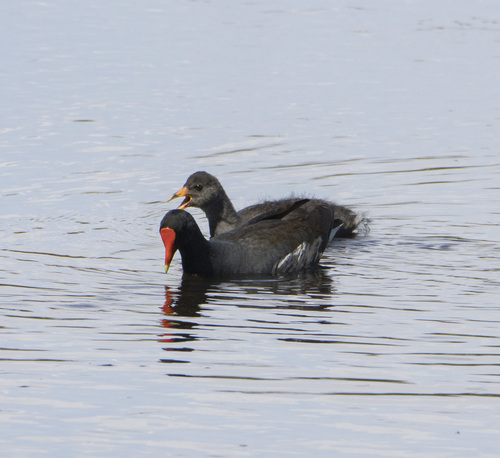
アメリカバン (Gallinula galeata) アメリカバン
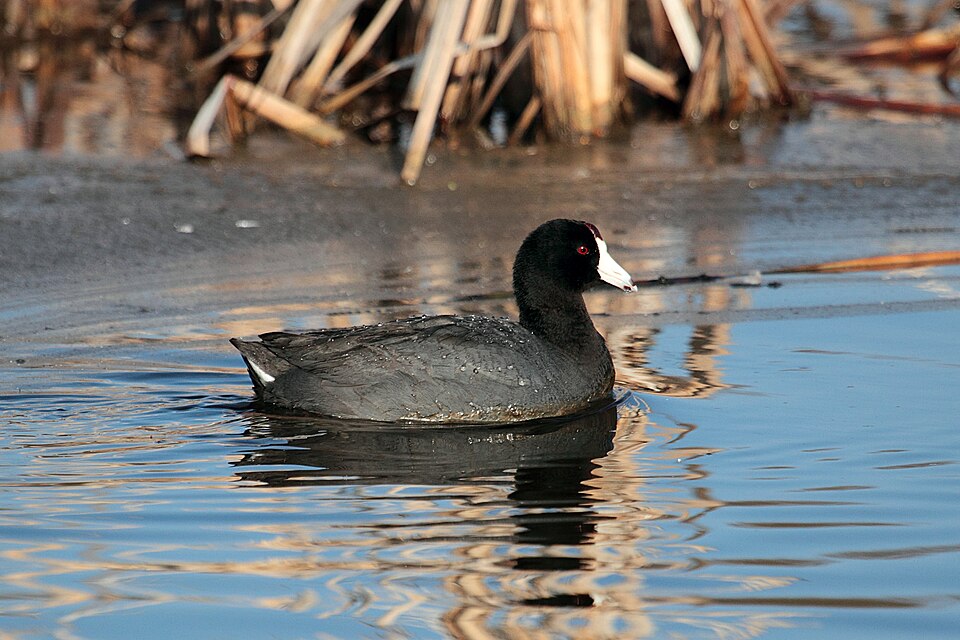
アメリカオオバン (Fulica americana) アメリカオオバン

メディア

読み込み中…

要点

アメリカバン (Gallinula galeata) とアメリカオオバン (Fulica americana) を区別する最も信頼できるフィールドマークは、くちばしと前盾の色です:成鳥のバンは明るい赤いくちばしと黄色の先端、赤い盾を持ち、成鳥のオオバンは白いくちばしと盾に赤褐色の斑点があります。幼鳥の羽毛は混乱を招くことがありますが、バンの幼鳥は全体的に茶色で赤い盾がなく、オオバンの幼鳥はオリーブブラウンの冠と灰色の体を持っています。両種は白いアンダーテイルを持つ暗い水鳥ですが、オオバンはよりがっしりとしており、よりアヒルのような丸みを帯びたプロファイルを持っています。飛行中または水上では、バンの黄色い足とオオバンの特徴的なローブ状の足を探してください。両種は似たような湿地生息地に生息しているため、くちばし、盾、足の色に注意を払うことが重要です。

識別のコツ

  1. Bill and Frontal Shield (Adults): 成鳥のバンは明るい赤いくちばしと黄色の先端、赤い前盾を持ち、成鳥のオオバンは白いくちばしと盾に赤褐色の斑点があります。これは近距離から中距離で最も信頼できるマークです。
  2. Juvenile Plumage: 幼鳥のバンは全体的に茶色で赤い盾がなく、幼鳥のオオバンはオリーブブラウンの冠と灰色の体を持っています。もし鳥が茶色がかっていて顔に赤がない場合はバンを考慮し、灰色がかっていてオリーブブラウンの冠がある場合はオオバンを考慮してください。
  3. Leg and Feet Color: バンは黄色い足を持ち、止まっている時や歩いている時に見ることができます。オオバンは灰色がかった足を持ち、広いローブ状の足があります—水から出ている鳥や岸に登っている鳥を見たらこれを探してください。
  4. Body Shape and Size: オオバンはよりがっしりとしており、丸みを帯びていて、特に水中ではアヒルのように見えます。バンはより細身で、より繊細な鶏のようなプロファイルを持っています。
  5. Swimming Posture: オオバンは水中でより高く座り、より直立して見えます;バンはより低く、より水平に見えます。
  6. Behavior on Land: オオバンはローブ状の足のおかげで、開けた地面をより容易に歩くことができます;バンは浮遊する植物の上や葦の中を歩いているのが見られることが多いです。
  7. Flight Pattern: 両種は弱く、ひらひらした飛行をし、足を引きずりますが、飛行の特徴は二つの間で強く診断できるものではありません。
  8. Undertail Pattern: 両種は白いアンダーテイルを持っているため、これは信頼できる区別にはなりません。
  9. Habitat Use: 両種は湿地や池で重なり合いますが、バンはより密な植生に密接に結びついている可能性があり、オオバンは冬に開水域や塩水で見られることが多いです。
  10. Aggression and Sociality: オオバンはより大きな群れで見られることが多く、開水域ではより攻撃的です;バンは繁殖期にはより孤立しているか、ペアで見られます。
  11. Vocalizations: 両種は騒がしいですが、与えられた音符に基づいてフィールドでの呼び声は信頼できる区別にはなりません。
  12. Seasonal Variation: 両種は水が凍らない場所で一年中見られますが、オオバンは水が開いている場合、北部地域で越冬する可能性が高いです。
  13. Sex Differences: 両種は性別間で似ています;オオバンのサイズ差(オスが大きい)は微妙で、フィールドでは役に立ちません。
  14. Subspecies Variation: フィールドで信頼できる区別はできません;移動傾向のため、場所は安全なガイドではありません。
  15. Common Pitfall: 最も頻繁な混同は、成鳥のくちばしの色が欠けている未熟な鳥との混同です—全体的な体色(バンは茶色がかり、オオバンは灰色がかり)と足の色に焦点を当ててください。

大きさ

アメリカオオバンは一般的にアメリカバンよりも大きく、重いです。オオバンは長さ34–43 cm、翼幅58–71 cm、成鳥の体重は427–848 gで、オスがメスよりも大きいです。バンはやや小さく、長さ32–35 cm、翼幅54–62 cm、体重310–456 gです。フィールドでは、オオバンはしばしばより頑丈で丸みを帯びて見え、バンは細身でより繊細な体型をしています。

羽色

幼鳥の羽毛は重要な落とし穴です:若いアメリカバンは全体的に茶色で赤い前盾がなく、幼鳥のアメリカオオバンはオリーブブラウンの冠と灰色がかった体を持ち、約4ヶ月で成鳥の色に移行します。成鳥のバンは全体的に暗く、白いアンダーテイル、黄色い足、黄色の先端と赤い盾を持つ目を引く赤いくちばしを持っています。成鳥のオオバンも暗く、白いアンダーテイルを持っていますが、くちばしと盾は白で赤褐色の斑点があります。両種は飛行中に強い上翼パターンを欠いているため、頭とくちばしの色に基づいて区別する必要があります、特に遠くや光が悪い場合には。足の色も役立ちます:バンは黄色い足を持ち、オオバンは広いローブ状の足を持つ灰色がかった足を持っています。

行動

両種は水辺で泳いだり餌を探したりしているのがよく見られますが、アメリカオオバンはローブ状の足のおかげで陸上を歩いているのが見られることが多いです。バンは広い足を持ち、スイレンの葉のような浮遊植物の上で跳ねるのが得意です。オオバンはしばしばより攻撃的に見え、丸い体と直立した姿勢のためにアヒルと間違われることが多いです。バンは一般的により秘密主義ですが、一部の地域では人懐っこくなることがあります。両種は繁殖期に自分のテリトリーを激しく守ります。

生息環境

両種はよく植生のある湿地、池、湖に生息し、同じ湿地で共存することがよくあります。バンは密な出現植物に密接に結びついており、しばしば岸の周りや葦の中をうろついているのが見られます。オオバンはより適応性があり、開水域や湿地でも見られ、冬には塩水環境で見られることが多いです。両種は広範囲に分布し、地域的に豊富に見られます。

声

アメリカバンは脅かされたときに多様なガーガー音や大きなシュー音を出します。アメリカオオバンも声を出しますが、その呼び声は詳細には記述されていません。一般的に、両種は繁殖期に騒がしいですが、声は利用可能な情報に基づいての区別の主要なフィールドマークではありません。

より良い説明を送る

比較と同じ項目を使ってください。文章はすぐに公開されます。

The most reliable field mark to separate American Moorhen (Gallinula galeata) from American Coot (Fulica americana) is the color of the bill and frontal shield: adult moorhens show a bright red bill with a yellow tip and a red shield, while adult coots have a white bill and shield with a reddish-brown spot. Juvenile plumage can be confusing, but moorhen juveniles are browner and lack the red shield, whereas coot juveniles have olive-brown crowns and a gray body. Both species are dark waterbirds with white undertails, but coots are bulkier and have a more duck-like, rounded profile. In flight or on the water, look for the moorhen’s yellow legs and the coot’s distinctive lobed toes. Both species occur in similar marshy habitats, so careful attention to bill, shield, and leg color is key.

  1. Bill and Frontal Shield (Adults): Adult moorhens have a bright red bill with a yellow tip and a red frontal shield; adult coots have a white bill and shield with a reddish-brown spot. This is the most reliable mark at close to moderate range.
  2. Juvenile Plumage: Juvenile moorhens are browner overall and lack the red shield, while juvenile coots have olive-brown crowns and a gray body. If the bird is brownish and lacks any red on the face, consider moorhen; if grayish with an olive-brown crown, consider coot.
  3. Leg and Feet Color: Moorhens have yellow legs, which can be seen when perched or walking. Coots have grayish legs with broad, lobed toes—look for these if you see the bird out of the water or climbing onto a bank.
  4. Body Shape and Size: Coots are bulkier, more rounded, and often appear duck-like, especially on the water. Moorhens are slimmer, with a more delicate, chicken-like profile.
  5. Swimming Posture: Coots often sit higher in the water and appear more upright; moorhens are lower-slung and more horizontal.
  6. Behavior on Land: Coots walk more readily on open ground due to their lobed toes; moorhens are more likely to be seen walking on floating vegetation or skulking in reeds.
  7. Flight Pattern: Both species have weak, fluttery flight with legs trailing, but flight jizz is not strongly diagnostic between the two.
  8. Undertail Pattern: Both have white undertails, so this is not a reliable separator.
  9. Habitat Use: Both species overlap in marshes and ponds, but moorhens may be more closely tied to dense vegetation, while coots are more often seen in open water or even saltwater in winter.
  10. Aggression and Sociality: Coots are often seen in larger flocks and are more aggressive in open water; moorhens are more solitary or in pairs, especially in breeding season.
  11. Vocalizations: Both are noisy, but calls are not reliably separable in the field based on the notes provided.
  12. Seasonal Variation: Both species can be found year-round where water does not freeze, but coots are more likely to overwinter in northern areas if water remains open.
  13. Sex Differences: Both species are similar between sexes; size difference in coots (males larger) is subtle and not useful in the field.
  14. Subspecies Variation: Not reliably separable in the field; location is not a safe guide due to migratory tendencies.
  15. Common Pitfall: The most frequent mix-up is with immature birds lacking adult bill color—focus on overall body color (brownish for moorhen, grayish for coot) and leg color if visible.

American Coots are generally larger and heavier than American Moorhens. Coots measure 34–43 cm in length with a wingspan of 58–71 cm and adult body mass ranging from 427–848 g, with males being larger than females. Moorhens are slightly smaller, at 32–35 cm in length and a wingspan of 54–62 cm, with a weight of 310–456 g. In the field, coots often appear more robust and rounded, while moorhens are slimmer and more delicate in build.

Juvenile plumage is a key pitfall: young American Moorhens are browner overall and lack the red frontal shield, while juvenile American Coots have olive-brown crowns and a grayish body, transitioning to adult coloration by about four months. Adult moorhens are dark overall with a white undertail, yellow legs, and a striking red bill with a yellow tip and red shield. Adult coots are also dark with a white undertail, but their bill and shield are white with a reddish-brown spot. Both species lack strong upperwing pattern in flight, so separation relies on head and bill coloration, especially at a distance or in poor light. Leg color is also helpful: moorhens have yellow legs, while coots have grayish legs with broad, lobed toes.

Both species are often seen swimming or foraging at the water’s edge, but American Coots are more likely to be seen walking on land due to their lobed toes, which facilitate movement on mud and grass. Moorhens, with their wide feet, are adept at hopping on floating vegetation like lily pads. Coots often appear more aggressive and are frequently mistaken for ducks due to their rounded bodies and upright posture. Moorhens are generally more secretive but can become tame in some areas. Both species defend their territories vigorously during the breeding season.

Both species inhabit well-vegetated marshes, ponds, and lakes, often co-occurring in the same wetlands. Moorhens are more closely tied to dense emergent vegetation and are often seen skulking along the edges or among reeds. Coots are more adaptable and may be found in open water as well as marshes, and are more likely to be seen in saltwater environments during winter. Both species are widespread and can be locally abundant.

American Moorhens produce a wide range of gargling calls and loud hisses when threatened. American Coots are also vocal, but their calls are not described in detail in the notes. In general, both species are noisy in breeding season, but voice is not a primary field mark for separation based on the available information.

変更を破棄しますか?

保存していない編集があります。今離れると失われます。

アメリカバン · アメリカオオバン · 苦手な鳥