

Common Gallinule vs American Coot
Gallinula galeata contro Fulica americana
Fai un quiz con Common Gallinule e American Coot
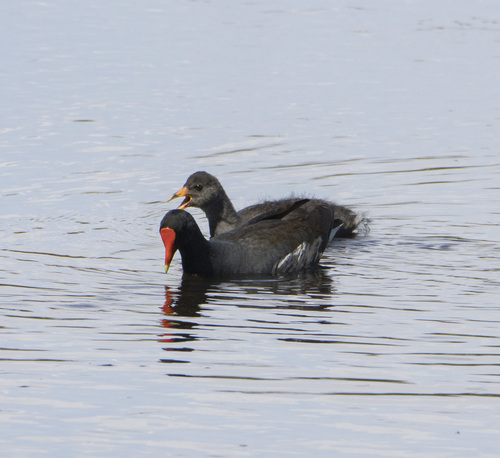 Common Gallinule
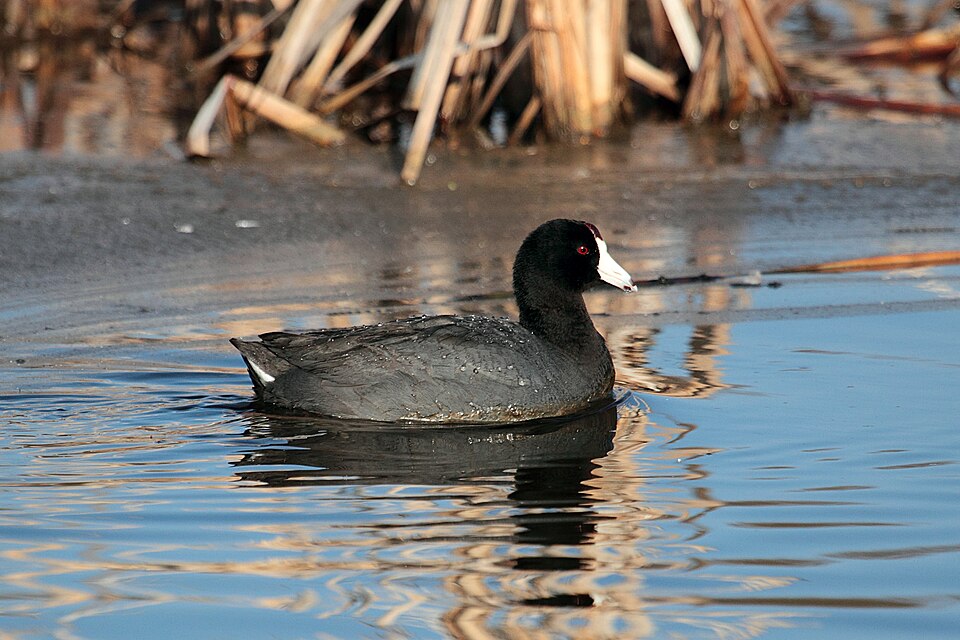 American Coot
In breve
Il segno di campo più affidabile per separare il Common Gallinule (Gallinula galeata) dall'American Coot (Fulica americana) è il colore del becco e dello scudo frontale: i gallinuli adulti mostrano un becco rosso brillante con una punta gialla e uno scudo rosso, mentre gli coot adulti hanno un becco e uno scudo bianchi con una macchia marrone-rossiccia. Il piumaggio giovanile può essere confuso, ma i giovani gallinuli sono più marroni e mancano dello scudo rosso, mentre i giovani coot hanno corone marrone-oliva e un corpo grigio. Entrambe le specie sono uccelli acquatici scuri con sottocoda bianche, ma gli coot sono più robusti e hanno un profilo più arrotondato simile a quello di un'anatra. In volo o sull'acqua, cerca le gambe gialle del gallinulo e le dita lobate distintive del coot. Entrambe le specie si trovano in habitat paludosi simili, quindi prestare attenzione al colore del becco, dello scudo e delle gambe è fondamentale.
Consigli di identificazione
- Bill and Frontal Shield (Adults): I gallinuli adulti hanno un becco rosso brillante con una punta gialla e uno scudo frontale rosso; gli coot adulti hanno un becco e uno scudo bianchi con una macchia marrone-rossiccia. Questo è il segno più affidabile a distanza ravvicinata o moderata.
- Juvenile Plumage: I giovani gallinuli sono più marroni nel complesso e mancano dello scudo rosso, mentre i giovani coot hanno corone marrone-oliva e un corpo grigio. Se l'uccello è marrone e manca di rosso sul viso, considera il gallinulo; se è grigio con una corona marrone-oliva, considera il coot.
- Leg and Feet Color: I gallinuli hanno gambe gialle, che possono essere viste quando sono posati o camminano. Gli coot hanno gambe grigie con dita larghe e lobate: cerca queste se vedi l'uccello fuori dall'acqua o mentre sale su una riva.
- Body Shape and Size: Gli coot sono più robusti, più arrotondati e spesso appaiono simili a un'anatra, specialmente sull'acqua. I gallinuli sono più snelli, con un profilo più delicato e simile a quello di un pollo.
- Swimming Posture: Gli coot spesso si trovano più in alto nell'acqua e appaiono più eretti; i gallinuli sono più bassi e più orizzontali.
- Behavior on Land: Gli coot camminano più facilmente su terreni aperti grazie alle loro dita lobate; i gallinuli sono più propensi a essere visti camminare su vegetazione galleggiante o nascondersi tra le canne.
- Flight Pattern: Entrambe le specie hanno un volo debole e tremolante con le gambe penzoloni, ma il modo di volare non è fortemente diagnostico tra i due.
- Undertail Pattern: Entrambi hanno sottocoda bianche, quindi questo non è un separatore affidabile.
- Habitat Use: Entrambe le specie si sovrappongono in paludi e stagni, ma i gallinuli possono essere più legati a vegetazione densa, mentre gli coot sono più spesso visti in acque aperte o anche in acqua salata in inverno.
- Aggression and Sociality: Gli coot sono spesso visti in gruppi più numerosi e sono più aggressivi in acqua aperta; i gallinuli sono più solitari o in coppie, specialmente durante la stagione di riproduzione.
- Vocalizations: Entrambi sono rumorosi, ma i richiami non sono separabili in modo affidabile sul campo in base alle note fornite.
- Seasonal Variation: Entrambe le specie possono essere trovate tutto l'anno dove l'acqua non si congela, ma gli coot sono più propensi a svernare in aree settentrionali se l'acqua rimane aperta.
- Sex Differences: Entrambe le specie sono simili tra i sessi; la differenza di dimensione negli coot (maschi più grandi) è sottile e non utile sul campo.
- Subspecies Variation: Non separabili in modo affidabile sul campo; la posizione non è una guida sicura a causa delle tendenze migratorie.
- Common Pitfall: Il mix-up più frequente è con uccelli immaturi che mancano del colore del becco adulto: concentrati sul colore generale del corpo (marrone per il gallinulo, grigio per il coot) e sul colore delle gambe se visibile.
Taglia
Gli American Coot sono generalmente più grandi e pesanti degli Common Gallinule. Gli coot misurano 34–43 cm di lunghezza con un'apertura alare di 58–71 cm e una massa corporea adulta che varia da 427–848 g, con i maschi più grandi delle femmine. I gallinuli sono leggermente più piccoli, con una lunghezza di 32–35 cm e un'apertura alare di 54–62 cm, con un peso di 310–456 g. Sul campo, gli coot appaiono spesso più robusti e arrotondati, mentre i gallinuli sono più snelli e più delicati nella struttura.
Piumaggio
Il piumaggio giovanile è un errore chiave: i giovani Common Moorhen sono più marroni nel complesso e mancano dello scudo frontale rosso, mentre i giovani American Coot hanno corone marrone-oliva e un corpo grigio, passando alla colorazione adulta dopo circa quattro mesi. I gallinuli adulti sono scuri nel complesso con una sottocoda bianca, gambe gialle e un becco rosso sorprendente con una punta gialla e uno scudo rosso. Gli coot adulti sono anch'essi scuri con una sottocoda bianca, ma il loro becco e scudo sono bianchi con una macchia marrone-rossiccia. Entrambe le specie mancano di un forte modello di ala superiore in volo, quindi la separazione si basa sulla colorazione della testa e del becco, specialmente a distanza o in scarsa illuminazione. Anche il colore delle gambe è utile: i gallinuli hanno gambe gialle, mentre gli coot hanno gambe grigie con dita larghe e lobate.
Comportamento
Entrambe le specie sono spesso viste nuotare o cercare cibo lungo il bordo dell'acqua, ma gli American Coot sono più propensi a essere visti camminare sulla terra grazie alle loro dita lobate, che facilitano il movimento su fango e erba. I gallinuli, con i loro piedi larghi, sono abili a saltare su vegetazione galleggiante come le foglie di ninfea. Gli coot appaiono spesso più aggressivi e sono frequentemente scambiati per anatre a causa dei loro corpi arrotondati e della postura eretta. I gallinuli sono generalmente più riservati ma possono diventare mansueti in alcune aree. Entrambe le specie difendono vigorosamente i loro territori durante la stagione di riproduzione.
Habitat
Entrambe le specie abitano paludi ben vegetate, stagni e laghi, spesso coesistendo negli stessi ambienti umidi. I gallinuli sono più legati a vegetazione emergente densa e sono spesso visti nascondersi lungo i bordi o tra le canne. Gli coot sono più adattabili e possono essere trovati in acque aperte così come in paludi, e sono più propensi a essere visti in ambienti marini durante l'inverno. Entrambe le specie sono diffuse e possono essere abbondanti localmente.
Voce
I Common Gallinule producono una vasta gamma di richiami gorgoglianti e sibili forti quando si sentono minacciati. Gli American Coot sono anch'essi vocali, ma i loro richiami non sono descritti in dettaglio nelle note. In generale, entrambe le specie sono rumorose durante la stagione di riproduzione, ma la voce non è un segno principale per la separazione in base alle informazioni disponibili.