

Motmot

アメリカセグロカモメ 対 セグロカモメ

Larus smithsonianus 対 Larus vegae

アメリカセグロカモメとセグロカモメのクイズ
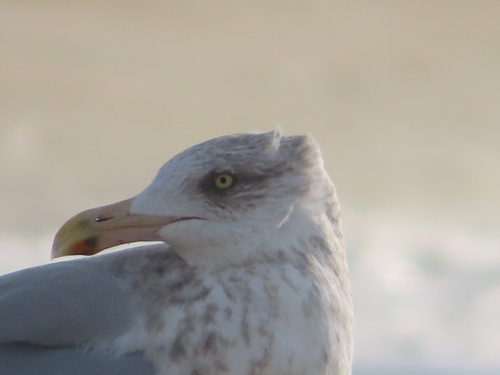
アメリカセグロカモメ (Larus smithsonianus) アメリカセグロカモメ
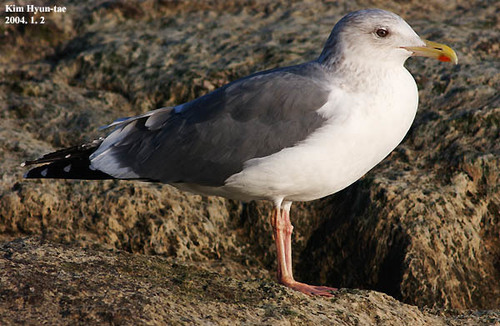
セグロカモメ (Larus vegae) セグロカモメ

メディア

読み込み中…

要点

アメリカセグロカモメとセグロカモメを区別するための最も信頼できるフィールドマークは、冬の頭部と首のパターンとトーンです:セグロカモメは重い茶色のストリーキングと明確なカラーを示し、アメリカセグロカモメはより明るく、より拡散したストリーキングを持っています。未成熟の鳥については、体と尾の暗さと均一性に注目してください:アメリカセグロカモメの未成熟はより均一に灰褐色で、尾が暗く、セグロカモメの未成熟は特に頭部と体に重い茶色の斑点とストリーキングを示します。成鳥は非常に似ていますが、セグロカモメは上面がわずかに暗い灰色で、通常は明るいピンクの脚を持っています。目の色と眼窩リングも異なり、セグロカモメは暗い目と赤い眼窩リングを持つ傾向があります。飛行中、翼のパターンに微妙な違いが見られるかもしれませんが、利用可能な情報源では詳細には記載されていません。

識別のコツ

  1. Head and neck streaking in winter (adults): セグロカモメは冬の頭部と首に重い茶色のストリーキングと明確なカラーを示し、特に首の背面と側面で顕著です。アメリカセグロカモメはより明るく、より拡散した茶色のストリーキングを持ち、しばしば頭頂部と後頭部に限られます。
  2. Head pattern in immatures: 初冬と二冬のセグロカモメは、同じ年齢のアメリカセグロカモメよりも明らかに暗く、より重いストリーキングのある頭頂部と首を持っています。
  3. Body and tail in immatures: アメリカセグロカモメの未成熟はより均一に灰褐色で、明確に暗い尾を持っていますが、セグロカモメの未成熟は体のほとんどに広範な茶色の斑点とストリーキングを示し、尾と体のコントラストが少なくなります。
  4. Upperwing and flight pattern (immatures): これらの2種に関する詳細な診断的な違いは情報源に記載されていないため、アメリカセグロカモメの全体的な暗さと均一性に頼り、セグロカモメのより斑点のあるストリーキングの外観に頼ります。
  5. Mantle/upperpart gray tone (adults): セグロカモメはアメリカセグロカモメよりも上面がわずかに暗い灰色ですが、これは微妙で、直接比較または良い光の下で判断するのが最適です。
  6. Leg color: 両種は通常ピンクの脚を持っていますが、セグロカモメの脚はしばしばより明るいピンクとして説明されます。脚の色は変動があり、常に信頼できるわけではありません。
  7. Bill color and pattern: 成鳥のくちばしは両種ともに黄色で赤い斑点があります。初冬と二冬の鳥では、セグロカモメのくちばしはほぼ完全に暗灰色から黒で、成長するにつれて暗い部分が縮小します。アメリカセグロカモメの未成熟は暗いくちばしを持ち、冬の間に基部でより明るくなります。
  8. Eye color and orbital ring: セグロカモメは暗い目と赤い眼窩リングを持つ傾向がありますが、アメリカセグロカモメは通常、淡い黄色の目と黄色またはオレンジのリングを持っています。これは成鳥に最も有用です。
  9. Overall structure and size: 両種は大きく、頑丈なカモメで、測定値が重なっています;サイズと形状は区別には信頼できません。
  10. Habitat and range: 北アメリカの西アラスカ以外で見られた場合、その鳥はほぼ確実にアメリカセグロカモメです。西アラスカでは両方が発生する可能性があるため、生息地は診断的ではありません。
  11. Seasonal context: 冬には、セグロカモメの頭部のストリーキングとカラーに注目してください。夏には、両種ともに清潔な白い頭を持ち、区別がより難しくなります。
  12. Plumage molt timing: 情報源には詳細は記載されていませんが、換羽のタイミングが頭部のストリーキングやくちばしの色に影響を与える可能性があることに注意してください、特に移行期には。
  13. Pitfalls: 単一のマークに頼らないでください;最良の結果を得るためには、頭部のストリーキング、体のパターン、目の色/眼窩リングの組み合わせを使用してください。換羽中や光が悪い鳥には注意してください。
  14. Sex and age: 両種は類似の性差(オスが大きい)を示しますが、これはフィールドでは有用ではありません。年齢に関連する羽毛の変化は未成熟にとって重要です。
  15. Flight views: 強い翼のパターンの違いがない場合、全体的な暗さと均一性(アメリカセグロカモメ)に頼り、未成熟の重いストリーキングと斑点(セグロカモメ)に頼ります。

大きさ

両種は大きく、頑丈なカモメで、構造が似ています。セグロカモメの平均体重は約1100 g [wikidata]で、アメリカセグロカモメの範囲内(オス1050–1650 g、メス600–900 g [wikipedia])です。全体の長さと翼幅は広く重なっているため、サイズはこれらの2種の間で信頼できるフィールドマークではありません。両方とも長く、強力なくちばしと、胸が豊かで頑丈な外観を持っています。

羽色

行動

両種は一般的なカモメで、しばしば水や人間の活動の近くでのんびりしたり、ゴミをあさったり、餌を探したりしているのが見られます。フィールドで信頼できる区別を行うための強い行動の違いは情報源には記載されていません。

生息環境

アメリカセグロカモメは北アメリカ全体で幅広い生息地で繁殖し、冬を越します。これには海岸、湖、川、駐車場、ゴミ捨て場が含まれます。セグロカモメはシベリア北東部で繁殖し、東アジアで冬を越しますが、西アラスカで見られることもあり、太平洋沿岸ではまれに南に進むことがあります。それぞれの生息範囲では、両種は同様の生息地を使用します:港、河口、岩の多い海岸、都市部。生息地は両方が発生する可能性がある場所では信頼できる区別ではありません(例:西アラスカ)。

声

両種は大きなカモメに典型的なさまざまな大きくて厳しい鳴き声を持っています。アメリカセグロカモメとセグロカモメの間の声の違いに関する詳細な情報は情報源には記載されていないため、声は区別のための信頼できるフィールドマークではありません。

より良い説明を送る

比較と同じ項目を使ってください。文章はすぐに公開されます。

The most reliable field mark for separating American Herring Gull and Vega Gull is the pattern and tone of the head and neck in winter: Vega Gull shows heavy brown streaking and a distinct collar, while American Herring Gull has lighter, more diffuse streaking. For immature birds, focus on the darkness and uniformity of the body and tail: American Herring Gull immatures are more uniformly gray-brown and have a darker tail, while Vega Gull immatures show heavier brown flecking and streaking, especially on the head and body. Adults are very similar, but Vega Gull is slightly darker gray above and typically has brighter pink legs. Eye color and orbital ring also differ, with Vega tending toward a darker eye and red orbital ring. In flight, subtle differences in wing pattern may be visible, but are not well detailed in available sources.

  1. Head and neck streaking in winter (adults): Vega Gull shows heavy brown streaking and a distinct collar on the head and neck in winter, especially on the back and sides of the neck. American Herring Gull has lighter, more diffuse brown streaking, often limited to the crown and nape.
  2. Head pattern in immatures: First- and second-winter Vega Gulls have a notably darker, more heavily streaked crown and neck than American Herring Gull of the same age, which tends to have a paler head relative to the body.
  3. Body and tail in immatures: American Herring Gull immatures are more uniformly gray-brown with a distinctly darker tail, while Vega Gull immatures show extensive brown flecking and streaking over most of the body, with less contrast between tail and body.
  4. Upperwing and flight pattern (immatures): No detailed, diagnostic differences are described in the sources for these two species, so rely on overall darkness and uniformity for American Herring Gull versus more mottled, streaked appearance for Vega Gull.
  5. Mantle/upperpart gray tone (adults): Vega Gull is slightly darker gray above than American Herring Gull, but this is subtle and best judged in direct comparison or good light.
  6. Leg color: Both species typically have pink legs, but Vega Gull's are often described as brighter pink. Leg color is variable and not always reliable.
  7. Bill color and pattern: Adult bills are yellow with a red spot in both species. In first- and second-winter birds, Vega Gull's bill is almost entirely dark gray to black, with the dark area shrinking as the bird matures. American Herring Gull immatures have a dark bill that becomes paler at the base through winter.
  8. Eye color and orbital ring: Vega Gull tends to have a darker eye with a red orbital ring, while American Herring Gull usually has a pale yellow eye with a yellow or orange ring. This is most useful in adults.
  9. Overall structure and size: Both are large, robust gulls with overlapping measurements; size and shape are not reliable for separation.
  10. Habitat and range: If seen in North America outside western Alaska, the bird is almost certainly American Herring Gull. In western Alaska, both may occur, so habitat is not diagnostic.
  11. Seasonal context: In winter, focus on head streaking and collar for Vega Gull. In summer, both species have clean white heads, making separation more challenging.
  12. Plumage molt timing: Not detailed in sources, but be aware that molt timing may affect head streaking and bill color, especially in transitional seasons.
  13. Pitfalls: Do not rely on a single mark; use a combination of head streaking, body pattern, and eye color/orbital ring for best results. Be cautious with birds in molt or poor light.
  14. Sex and age: Both species show similar sexual dimorphism (males larger), but this is not useful in the field. Age-related plumage changes are key for immatures.
  15. Flight views: In the absence of strong wing pattern differences, rely on overall darkness and uniformity (American Herring Gull) versus heavier streaking and mottling (Vega Gull) in immatures.

Both species are large, heavily built gulls with similar structure. The Vega Gull has an average body mass around 1100 g [wikidata], which is within the range of American Herring Gull (males 1050–1650 g, females 600–900 g [wikipedia]). Overall length and wingspan overlap extensively, so size is not a reliable field mark between these two. Both have long, powerful bills and a full-chested, robust appearance.

  • First-winter/immature birds: American Herring Gull immatures are more uniformly gray-brown overall, with a distinctly darker tail and a paler head compared to the body. Vega Gull immatures (first- and second-winter) are darker overall, with heavy brown flecking and streaking across nearly the entire body, especially on the crown and neck, creating a more mottled appearance. Vega's head is notably darker and more heavily streaked than American Herring Gull at the same age.
  • Second-winter: American Herring Gull begins to show pale eyes, a pale bill with a black tip, and a paler head, with some gray feathers appearing on the back. Vega Gull at this age still shows extensive dark streaking on the head and body, especially on the crown.
  • Adults (breeding): Both species have white heads, gray backs and upperwings, black wingtips with white spots, and pink legs. Vega Gull is slightly darker gray above than American Herring Gull, but this is subtle and varies with light.
  • Adults (non-breeding/winter): Vega Gull shows heavy brown streaking on the head and neck, often forming a pronounced collar, while American Herring Gull has lighter, more diffuse brown streaking on the head and neck.
  • Bill and eye: Both have yellow bills with a red spot in adults, but Vega Gull's eye is often darker with a red orbital ring, while American Herring Gull's eye is pale yellow with a yellow or orange ring.

Both species are generalist gulls, often seen loafing, scavenging, or foraging near water or human activity. There are no strong behavioral differences noted in the sources that would reliably separate them in the field.

American Herring Gull breeds and winters across North America in a wide range of habitats, including coasts, lakes, rivers, parking lots, and garbage dumps. Vega Gull breeds in northeastern Siberia and winters in East Asia, but is occasionally found in western Alaska and rarely farther south along the Pacific coast. In their respective ranges, both species use similar habitats: harbors, river mouths, rocky shores, and urban areas. Habitat is not a reliable separator where both may occur (e.g., western Alaska).

Both species have a variety of loud, harsh calls typical of large gulls. There is no detailed information in the sources about vocal differences between American Herring Gull and Vega Gull, so voice is not a reliable field mark for separation.

変更を破棄しますか?

保存していない編集があります。今離れると失われます。

アメリカセグロカモメ · セグロカモメ · 苦手な鳥