

Gaviota Argéntea Americana vs Gaviota del Vega
Larus smithsonianus frente a Larus vegae
Juega un quiz con Gaviota Argéntea Americana y Gaviota del Vega
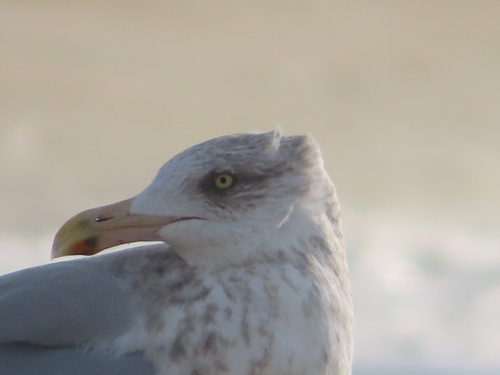 Gaviota Argéntea Americana
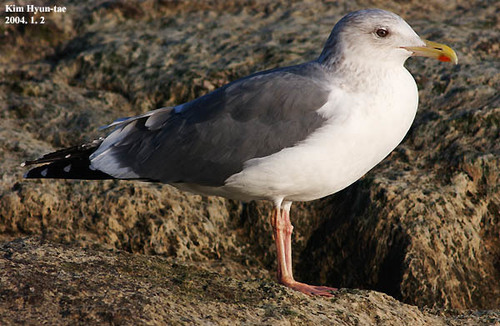 Gaviota del Vega
En breve
La marca de campo más confiable para separar la Gaviota Argéntea Americana y la Gaviota del Vega es el patrón y tono de la cabeza y el cuello en invierno: la Gaviota del Vega muestra un fuerte veteado marrón y un collar distintivo, mientras que la Gaviota Argéntea Americana tiene un veteado más claro y difuso. Para las aves inmaduras, enfóquese en la oscuridad y uniformidad del cuerpo y la cola: las inmaduras de la Gaviota Argéntea Americana son más uniformemente gris-marrón y tienen una cola más oscura, mientras que las inmaduras de la Gaviota del Vega muestran un veteado y moteado marrón más pesado, especialmente en la cabeza y el cuerpo. Los adultos son muy similares, pero la Gaviota del Vega es ligeramente más oscura en la parte superior y típicamente tiene patas rosas más brillantes. El color de los ojos y el anillo orbital también difieren, con la Gaviota del Vega tendiendo hacia un ojo más oscuro y un anillo orbital rojo. En vuelo, pueden ser visibles diferencias sutiles en el patrón de las alas, pero no están bien detalladas en las fuentes disponibles.
Consejos de identificación
- Veteado de cabeza y cuello en invierno (adultos): La Gaviota del Vega muestra un fuerte veteado marrón y un collar distintivo en la cabeza y el cuello en invierno, especialmente en la parte posterior y los lados del cuello. La Gaviota Argéntea Americana tiene un veteado marrón más claro y difuso, a menudo limitado a la coronilla y la nuca.
- Patrón de cabeza en inmaduras: Las Gaviotas del Vega de primer y segundo invierno tienen una coronilla y cuello notablemente más oscuros y más veteados que la Gaviota Argéntea Americana de la misma edad, que tiende a tener una cabeza más pálida en relación con el cuerpo.
- Cuerpo y cola en inmaduras: Las inmaduras de la Gaviota Argéntea Americana son más uniformemente gris-marrón con una cola notablemente más oscura, mientras que las inmaduras de la Gaviota del Vega muestran un veteado y moteado marrón extenso en la mayor parte del cuerpo, con menos contraste entre la cola y el cuerpo.
- Patrón de ala y vuelo (inmaduras): No se describen diferencias diagnósticas detalladas en las fuentes para estas dos especies, así que confíe en la oscuridad y uniformidad general para la Gaviota Argéntea Americana frente a una apariencia más moteada y veteada para la Gaviota del Vega.
- Tono gris del manto/parte superior (adultos): La Gaviota del Vega es ligeramente más oscura en la parte superior que la Gaviota Argéntea Americana, pero esto es sutil y se juzga mejor en comparación directa o con buena luz.
- Color de las patas: Ambas especies suelen tener patas rosas, pero las de la Gaviota del Vega a menudo se describen como más brillantes. El color de las patas es variable y no siempre confiable.
- Color y patrón del pico: Los picos de los adultos son amarillos con una mancha roja en ambas especies. En aves de primer y segundo invierno, el pico de la Gaviota del Vega es casi completamente gris oscuro a negro, con el área oscura reduciéndose a medida que el ave madura. Las inmaduras de la Gaviota Argéntea Americana tienen un pico oscuro que se vuelve más claro en la base durante el invierno.
- Color de los ojos y anillo orbital: La Gaviota del Vega tiende a tener un ojo más oscuro con un anillo orbital rojo, mientras que la Gaviota Argéntea Americana generalmente tiene un ojo amarillo pálido con un anillo amarillo o naranja. Esto es más útil en adultos.
- Estructura y tamaño general: Ambas son gaviotas grandes y robustas con medidas superpuestas; el tamaño y la forma no son confiables para la separación.
- Hábitat y rango: Si se ve en América del Norte fuera del oeste de Alaska, el ave es casi con certeza una Gaviota Argéntea Americana. En el oeste de Alaska, ambas pueden ocurrir, por lo que el hábitat no es diagnóstico.
- Contexto estacional: En invierno, enfóquese en el veteado de la cabeza y el collar para la Gaviota del Vega. En verano, ambas especies tienen cabezas blancas limpias, lo que hace que la separación sea más desafiante.
- Momento de la muda del plumaje: No se detalla en las fuentes, pero tenga en cuenta que el momento de la muda puede afectar el veteado de la cabeza y el color del pico, especialmente en estaciones de transición.
- Trampas: No confíe en una sola marca; use una combinación de veteado de cabeza, patrón del cuerpo y color de ojos/anillo orbital para obtener los mejores resultados. Tenga cuidado con las aves en muda o en condiciones de poca luz.
- Sexo y edad: Ambas especies muestran un dimorfismo sexual similar (los machos son más grandes), pero esto no es útil en el campo. Los cambios en el plumaje relacionados con la edad son clave para las inmaduras.
- Vistas de vuelo: En ausencia de diferencias fuertes en el patrón de las alas, confíe en la oscuridad y uniformidad general (Gaviota Argéntea Americana) frente a un veteado y moteado más pesado (Gaviota del Vega) en inmaduras.
Tamaño
Ambas especies son gaviotas grandes y robustas con una estructura similar. La Gaviota del Vega tiene una masa corporal promedio de alrededor de 1100 g [wikidata], que está dentro del rango de la Gaviota Argéntea Americana (machos 1050–1650 g, hembras 600–900 g [wikipedia]). La longitud total y la envergadura se superponen extensamente, por lo que el tamaño no es una marca de campo confiable entre estas dos. Ambas tienen picos largos y poderosos y una apariencia robusta y con el pecho lleno.
Plumaje
- Aves de primer invierno/inmaduras: Las inmaduras de la Gaviota Argéntea Americana son más uniformemente gris-marrón en general, con una cola notablemente más oscura y una cabeza más pálida en comparación con el cuerpo. Las inmaduras de la Gaviota del Vega (primer y segundo invierno) son más oscuras en general, con un fuerte veteado y moteado marrón en casi todo el cuerpo, especialmente en la coronilla y el cuello, creando una apariencia más moteada. La cabeza de la Gaviota del Vega es notablemente más oscura y más veteada que la de la Gaviota Argéntea Americana a la misma edad.
- Segundo invierno: La Gaviota Argéntea Americana comienza a mostrar ojos pálidos, un pico pálido con una punta negra y una cabeza más pálida, con algunas plumas grises apareciendo en la parte posterior. La Gaviota del Vega a esta edad aún muestra un veteado oscuro extenso en la cabeza y el cuerpo, especialmente en la coronilla.
- Adultos (cría): Ambas especies tienen cabezas blancas, espaldas y partes superiores grises, puntas de alas negras con manchas blancas y patas rosas. La Gaviota del Vega es ligeramente más oscura en la parte superior que la Gaviota Argéntea Americana, pero esto es sutil y varía con la luz.
- Adultos (no cría/invierno): La Gaviota del Vega muestra un fuerte veteado marrón en la cabeza y el cuello, formando a menudo un collar pronunciado, mientras que la Gaviota Argéntea Americana tiene un veteado marrón más claro y difuso en la cabeza y el cuello.
- Pico y ojo: Ambas tienen picos amarillos con una mancha roja en los adultos, pero el ojo de la Gaviota del Vega a menudo es más oscuro con un anillo orbital rojo, mientras que el ojo de la Gaviota Argéntea Americana es amarillo pálido con un anillo amarillo o naranja.
Comportamiento
Ambas especies son gaviotas generalistas, a menudo vistas descansando, buscando comida o forrajeando cerca del agua o de la actividad humana. No se han notado diferencias de comportamiento fuertes en las fuentes que las separarían de manera confiable en el campo.
Hábitat
La Gaviota Argéntea Americana cría y pasa el invierno en toda América del Norte en una amplia variedad de hábitats, incluyendo costas, lagos, ríos, estacionamientos y vertederos. La Gaviota del Vega cría en el noreste de Siberia y pasa el invierno en Asia Oriental, pero ocasionalmente se encuentra en el oeste de Alaska y rara vez más al sur a lo largo de la costa del Pacífico. En sus respectivos rangos, ambas especies utilizan hábitats similares: puertos, desembocaduras de ríos, costas rocosas y áreas urbanas. El hábitat no es un separador confiable donde ambas pueden ocurrir (por ejemplo, el oeste de Alaska).
Voz
Ambas especies tienen una variedad de llamadas fuertes y ásperas típicas de las grandes gaviotas. No hay información detallada en las fuentes sobre diferencias vocales entre la Gaviota Argéntea Americana y la Gaviota del Vega, por lo que la voz no es una marca de campo confiable para la separación.
Gaviota Argéntea Americana · Gaviota del Vega · Mis aves difíciles