

American Herring Gull vs Vega Gull
Larus smithsonianus contro Larus vegae
Fai un quiz con American Herring Gull e Vega Gull
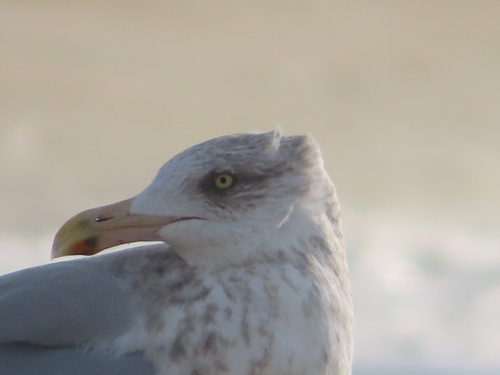 American Herring Gull
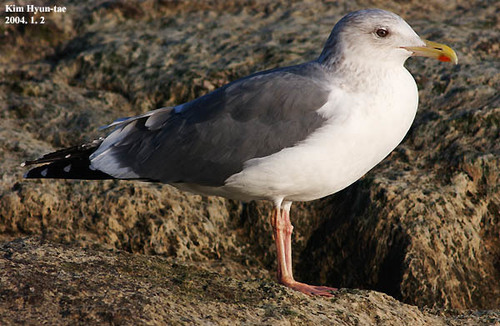 Vega Gull
In breve
Il segno di campo più affidabile per separare American Herring Gull e Vega Gull è il modello e il tono della testa e del collo in inverno: Vega Gull mostra pesanti striature marroni e un collare distintivo, mentre American Herring Gull ha striature più chiare e diffuse. Per gli uccelli immaturi, concentrati sull'oscurità e sull'uniformità del corpo e della coda: gli immaturi di American Herring Gull sono più uniformemente grigio-marroni e hanno una coda più scura, mentre gli immaturi di Vega Gull mostrano pesanti macchie marroni e striature, specialmente sulla testa e sul corpo. Gli adulti sono molto simili, ma Vega Gull è leggermente più scuro sopra e tipicamente ha zampe rosa più brillanti. Anche il colore degli occhi e l'anello orbitale differiscono, con Vega che tende verso un occhio più scuro e un anello orbitale rosso. In volo, potrebbero essere visibili sottili differenze nel modello delle ali, ma non sono ben dettagliate nelle fonti disponibili.
Consigli di identificazione
- Striature sulla testa e sul collo in inverno (adulti): Vega Gull mostra pesanti striature marroni e un collare distintivo sulla testa e sul collo in inverno, specialmente sulla parte posteriore e sui lati del collo. American Herring Gull ha striature marroni più chiare e diffuse, spesso limitate alla corona e alla nuca.
- Modello della testa negli immaturi: I Vega Gull di prima e seconda inverno hanno una corona e un collo notevolmente più scuri e più striati rispetto ad American Herring Gull della stessa età, che tende ad avere una testa più chiara rispetto al corpo.
- Corpo e coda negli immaturi: Gli immaturi di American Herring Gull sono più uniformemente grigio-marroni con una coda decisamente più scura, mentre gli immaturi di Vega Gull mostrano ampie macchie marroni e striature su gran parte del corpo, con meno contrasto tra coda e corpo.
- Parte superiore dell'ala e modello di volo (immaturi): Non sono descritte differenze diagnostiche dettagliate nelle fonti per queste due specie, quindi fai affidamento sull'oscurità e sull'uniformità complessive per American Herring Gull rispetto a un aspetto più maculato e striato per Vega Gull.
- Tono grigio del mantello/parte superiore (adulti): Vega Gull è leggermente più scuro sopra rispetto ad American Herring Gull, ma questo è sottile e meglio giudicato in confronto diretto o in buona luce.
- Colore delle zampe: Entrambe le specie hanno tipicamente zampe rosa, ma quelle di Vega Gull sono spesso descritte come rosa più brillante. Il colore delle zampe è variabile e non sempre affidabile.
- Colore e modello del becco: I becchi degli adulti sono gialli con una macchia rossa in entrambe le specie. Negli uccelli di prima e seconda inverno, il becco di Vega Gull è quasi interamente grigio scuro o nero, con l'area scura che si riduce man mano che l'uccello matura. Gli immaturi di American Herring Gull hanno un becco scuro che diventa più chiaro alla base durante l'inverno.
- Colore degli occhi e anello orbitale: Vega Gull tende ad avere un occhio più scuro con un anello orbitale rosso, mentre American Herring Gull di solito ha un occhio giallo pallido con un anello giallo o arancione. Questo è più utile negli adulti.
- Struttura e dimensioni complessive: Entrambi sono gabbiani grandi e robusti con misure sovrapposte; dimensioni e forma non sono affidabili per la separazione.
- Habitat e distribuzione: Se visto in Nord America al di fuori dell'Alaska occidentale, l'uccello è quasi certamente un American Herring Gull. In Alaska occidentale, entrambe le specie possono verificarsi, quindi l'habitat non è diagnostico.
- Contesto stagionale: In inverno, concentrati sulle striature della testa e sul collare per Vega Gull. In estate, entrambe le specie hanno teste bianche pulite, rendendo la separazione più difficile.
- Tempistica della muta del piumaggio: Non dettagliata nelle fonti, ma sii consapevole che la tempistica della muta può influenzare le striature della testa e il colore del becco, specialmente nelle stagioni di transizione.
- Trappole: Non fare affidamento su un singolo segno; utilizza una combinazione di striature della testa, modello del corpo e colore degli occhi/anello orbitale per i migliori risultati. Fai attenzione con gli uccelli in muta o in scarsa luce.
- Sesso e età: Entrambe le specie mostrano un dimorfismo sessuale simile (maschi più grandi), ma questo non è utile sul campo. I cambiamenti nel piumaggio legati all'età sono fondamentali per gli immaturi.
- Viste in volo: In assenza di forti differenze nel modello delle ali, fai affidamento sull'oscurità e sull'uniformità complessive (American Herring Gull) rispetto a striature e maculature più pesanti (Vega Gull) negli immaturi.
Taglia
Entrambe le specie sono gabbiani grandi e robusti con una struttura simile. Il Vega Gull ha una massa corporea media di circa 1100 g [wikidata], che rientra nell'intervallo di American Herring Gull (maschi 1050–1650 g, femmine 600–900 g [wikipedia]). La lunghezza complessiva e l'apertura alare si sovrappongono ampiamente, quindi la dimensione non è un segno di campo affidabile tra questi due. Entrambi hanno becchi lunghi e potenti e un aspetto robusto e muscoloso.
Piumaggio
- Uccelli di prima inverno/immaturi: Gli immaturi di American Herring Gull sono più uniformemente grigio-marroni nel complesso, con una coda decisamente più scura e una testa più chiara rispetto al corpo. Gli immaturi di Vega Gull (di prima e seconda inverno) sono più scuri nel complesso, con pesanti macchie marroni e striature su quasi tutto il corpo, specialmente sulla corona e sul collo, creando un aspetto più maculato. La testa di Vega è notevolmente più scura e più striata rispetto ad American Herring Gull alla stessa età.
- Seconda inverno: American Herring Gull inizia a mostrare occhi chiari, un becco chiaro con una punta nera e una testa più chiara, con alcune piume grigie che compaiono sulla schiena. Vega Gull a questa età mostra ancora ampie striature scure sulla testa e sul corpo, specialmente sulla corona.
- Adulti (riproduzione): Entrambe le specie hanno teste bianche, schiene e parti superiori grigie, punte delle ali nere con macchie bianche e zampe rosa. Vega Gull è leggermente più scuro sopra rispetto ad American Herring Gull, ma questo è sottile e varia con la luce.
- Adulti (non riproduzione/inverno): Vega Gull mostra pesanti striature marroni sulla testa e sul collo, formando spesso un collare pronunciato, mentre American Herring Gull ha striature marroni più chiare e diffuse sulla testa e sul collo.
- Becco e occhio: Entrambi hanno becchi gialli con una macchia rossa negli adulti, ma l'occhio di Vega Gull è spesso più scuro con un anello orbitale rosso, mentre l'occhio di American Herring Gull è giallo pallido con un anello giallo o arancione.
Comportamento
Entrambe le specie sono gabbiani generalisti, spesso visti a riposo, a cercare cibo o a foraggiare vicino all'acqua o all'attività umana. Non sono state notate forti differenze comportamentali nelle fonti che possano separarle in modo affidabile sul campo.
Habitat
American Herring Gull nidifica e sverna in tutta Nord America in una vasta gamma di habitat, tra cui coste, laghi, fiumi, parcheggi e discariche. Vega Gull nidifica nel Siberia nord-orientale e sverna in Asia orientale, ma occasionalmente si trova in Alaska occidentale e raramente più a sud lungo la costa del Pacifico. Nelle loro rispettive aree, entrambe le specie utilizzano habitat simili: porti, foci di fiumi, coste rocciose e aree urbane. L'habitat non è un separatore affidabile dove entrambe possono verificarsi (ad esempio, Alaska occidentale).
Voce
Entrambe le specie hanno una varietà di richiami forti e aspri tipici dei grandi gabbiani. Non ci sono informazioni dettagliate nelle fonti sulle differenze vocali tra American Herring Gull e Vega Gull, quindi la voce non è un segno di campo affidabile per la separazione.
American Herring Gull · Vega Gull · I miei uccelli difficili