

Motmot

クロコンドル 対 ギンバシベニフウキンチョウ

Coragyps atratus 対 Ramphocelus carbo

クロコンドルとギンバシベニフウキンチョウのクイズ
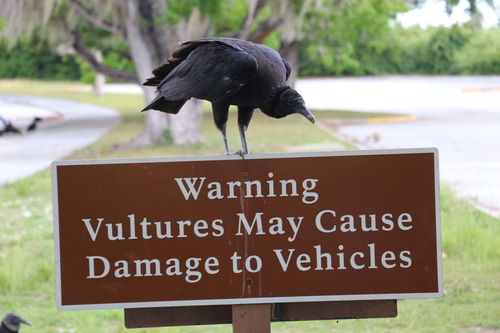
クロコンドル (Coragyps atratus) クロコンドル
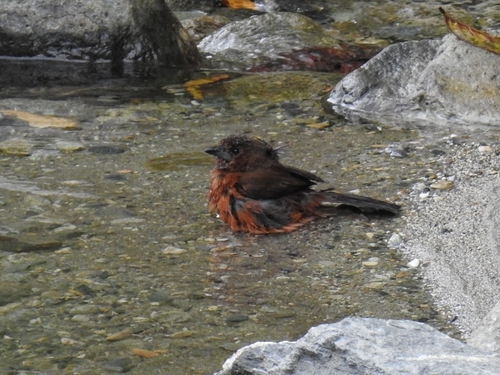
ギンバシベニフウキンチョウ (Ramphocelus carbo) ギンバシベニフウキンチョウ

メディア

読み込み中…

要点

最も信頼できるフィールドマークはサイズと構造です:クロコンドルは巨大で広い翼を持つスカベンジャーであり、ギンバシベニフウキンチョウは小さくてずんぐりした歌鳥です。飛行中、クロコンドルは翼の先端に明確な白い斑点を持つ広く短い翼を示します(すべての年齢で見られます)が、ギンバシベニフウキンチョウは翼に白を示すことはありません。止まっているとき、クロコンドルは全体が黒で、裸でしわのある灰色の頭を持っていますが、オスのギンバシベニフウキンチョウは深いクリムゾンと黒で、重い淡い下顎を持っています。ギンバシベニフウキンチョウの雌と幼鳥は赤褐色で、全体が黒になることはありません。二者は、悪光やシルエット以外では混同されることは極めて少ないですが、遠くに止まっている鳥や素早い視界では混乱が生じることがあります。

識別のコツ

  1. サイズと形状: クロコンドルはギンバシベニフウキンチョウと比べて巨大です;もし鳥がカラスのサイズかそれ以上であれば、それはギンバシベニフウキンチョウではありません。特に他の種と一緒に見られるときにスケールのためにこれを使用してください。
  2. 飛行プロファイルと翼のパターン: 飛行中、クロコンドルは一次羽の基部に明確な白い斑点を持つ広く短い翼を示します(すべての年齢で下から見えます)。ギンバシベニフウキンチョウは翼に白を示すことはなく、翼は均一に暗いです。
  3. 尾の形: クロコンドルは折りたたまれた翼をほとんど超えない短くて四角い尾を持っています;ギンバシベニフウキンチョウは相対的に長い、暗い尾を持っています。
  4. 頭とくちばし: クロコンドルの頭は裸でしわがあり、灰色です;ギンバシベニフウキンチョウの頭は常に羽毛で覆われています。オスのギンバシベニフウキンチョウは重い淡い下顎(銀白色)を持ち、雌のくちばしは褐色がかった暗い色です。クロコンドルのくちばしはフック状で先端が淡いですが、これは遠くからはほとんど見えません。
  5. 羽毛の色: クロコンドルは全体が黒でわずかに光沢があります;オスのギンバシベニフウキンチョウは深いクリムゾンと黒で、雌/幼鳥は赤褐色です。ギンバシベニフウキンチョウの年齢や性別は、裸の頭を持つ全体が黒になることはありません。
  6. 脚の色: クロコンドルは灰色がかった白い脚を持ち、しばしば尿酸から白い筋が入っています;ギンバシベニフウキンチョウの脚は暗い角灰色です。
  7. 行動: クロコンドルは高く舞い上がり、翼を水平に保って滑空し、しばしば死骸や群れで止まっているのが見られます。ギンバシベニフウキンチョウは密な植生の中で餌を探し、決して舞い上がらず、死骸には引き寄せられません。
  8. 止まる姿勢: クロコンドルはしばしば死んだ木に直立して止まり、時には翼を広げています。ギンバシベニフウキンチョウはより水平で、歌鳥のような姿勢で止まります。
  9. 生息地: クロコンドルは開けた、都市、農村地域で一般的で、しばしば遠くから見えます。ギンバシベニフウキンチョウは森林の縁、庭、低木のある地域、通常は湿った低地に見られます。
  10. 鳴き声: クロコンドルは hiss や grunt 以外は静かです;ギンバシベニフウキンチョウは典型的な歌鳥で、鳴くことが多いです。
  11. 群れのサイズ: クロコンドルは群れで行動し、大きな群れを形成することが多いです;ギンバシベニフウキンチョウはペアまたは小さな群れで見られます。
  12. 餌を取る行動: クロコンドルは死骸を食べ、しばしば道路の死骸やゴミ捨て場で見られます;ギンバシベニフウキンチョウは植物の中で果物や昆虫を食べます。
  13. 混同のリスク: 悪光の中では、止まっているクロコンドルが暗くてずんぐりした鳥と間違われることがありますが、そのサイズ、裸の頭、飛行中の白い翼の斑点は診断的です。雌/幼鳥のギンバシベニフウキンチョウは赤褐色で、全体が黒になることはありません。
  14. 分布の重複: 両種は南アメリカの一部に生息していますが、クロコンドルはアメリカ合衆国と中央アメリカにのみ見られ、ギンバシベニフウキンチョウはチリとウルグアイには存在せず、アルゼンチンでは迷鳥です。
  15. 性別/年齢の落とし穴: 幼鳥のクロコンドルは飛行中に成鳥のように見えます;雌/幼鳥のギンバシベニフウキンチョウは決して黒ではなく、オスの銀色のくちばしを持っていません。

大きさ

クロコンドルは非常に大きく、全長56〜74 cm、翼幅1.33〜1.67 m、体重1.6〜3 kgです [wikipedia]。ギンバシベニフウキンチョウは長さ16〜17 cm、体重21〜37.5 gです [wikipedia]。コンドルは重くて広い翼を持つ鳥で、短くて四角い尾を持ち、ギンバシベニフウキンチョウは小さくてずんぐりした歌鳥で、サイズに対して相対的に大きなくちばしを持っています。遠くからでも、コンドルのサイズと形状は診断的です。

羽色

行動

クロコンドルは非常に群れを成し、高く舞い上がっているか、大きな群れで止まっているのが見られ、特に死骸や共同のねぐらで見られます。翼を水平に保ちながら滑空し、短いバーストで羽ばたき、その後滑空します。しばしば翼を広げて温めたり乾かしたりします。ギンバシベニフウキンチョウは典型的な歌鳥で、密な植生の中でペアまたは小さな群れで餌を探し、めったに舞い上がったり滑空したりしません。その飛行は直接的で波状であり、舞い上がることはありません。ギンバシベニフウキンチョウは決して死骸を食べたり、高く舞い上がったりすることはありません。

生息環境

クロコンドルは開けた地域、都市部、田畑、人間の居住地の近くで見られ、しばしば死骸が利用できる場所で見られます。しばしば開けた場所、死んだ木の上、または道路や町の上空を滑空しているのが見られます。ギンバシベニフウキンチョウは森林の縁、庭、低木のある地域、第二成長を好み、通常は湿った低地に生息しています。開けた国や滑空しているのはめったに見られず、カバーを保ち、主に南アメリカの低地生息地に見られます。

声

クロコンドルは一般的に静かで、シリンジがなく、興奮したり餌を食べたりしているときにのみ hiss や grunt を出すことができます。ギンバシベニフウキンチョウは歌鳥として、さまざまな鳴き声を出すことができ(ノートには詳細がありませんが)、一般的にコンドルよりも鳴くことが多いです。

より良い説明を送る

比較と同じ項目を使ってください。文章はすぐに公開されます。

The most reliable field mark is size and structure: American Black Vulture is a massive, broad-winged scavenger, while Silver-beaked Tanager is a small, chunky songbird. In flight, Black Vulture shows broad, short wings with distinct white patches at the wingtips (visible in all ages), while Silver-beaked Tanager never shows white in the wing. Perched, Black Vulture is all-black with a bare, wrinkled gray head, whereas male Silver-beaked Tanager is deep crimson and black with a heavy, pale lower mandible. Females and immatures of the tanager are reddish-brown, never all-black. The two are extremely unlikely to be confused except in poor light or silhouette, but confusion can arise with distant, perched birds or quick views.

  1. Size and shape: Black Vulture is enormous compared to Silver-beaked Tanager; if the bird is crow-sized or larger, it cannot be a tanager. Use this especially when birds are seen together with other species for scale.
  2. Flight profile and wing pattern: In flight, Black Vulture shows broad, short wings with a distinct white patch at the base of the primaries (visible from below in all ages). Silver-beaked Tanager never shows white in the wing; its wings are uniformly dark.
  3. Tail shape: Black Vulture has a short, square tail that barely extends past the folded wings; tanager has a proportionally longer, dusky tail.
  4. Head and bill: Black Vulture's head is bare, wrinkled, and gray; tanager's head is always feathered. Male tanager has a heavy, pale lower mandible (silvery-white), while female's bill is brownish dusky. Vulture's bill is hooked and pale at the tip, but this is rarely visible at distance.
  5. Plumage color: Black Vulture is all black with a slight gloss; male Silver-beaked Tanager is deep crimson and black, female/immature is reddish-brown. No age or sex of tanager is ever all-black with a bare head.
  6. Leg color: Black Vulture has grayish-white legs, often streaked white from uric acid; tanager's legs are dark horn-gray.
  7. Behavior: Black Vulture soars high, glides with wings flat, and is often seen at carcasses or perched in groups. Silver-beaked Tanager forages in dense vegetation, never soars, and is not attracted to carrion.
  8. Perching posture: Black Vulture often perches upright on dead trees, sometimes with wings spread. Tanager perches in a more horizontal, songbird-like stance.
  9. Habitat: Black Vulture is common in open, urban, and rural areas, often visible from a distance. Silver-beaked Tanager is found in forest edge, gardens, and shrubby areas, usually in humid lowlands.
  10. Vocalization: Black Vulture is silent except for hisses and grunts; tanager is a typical songbird and more likely to be heard vocalizing.
  11. Group size: Black Vulture is gregarious, often in large flocks; tanager is in pairs or small groups.
  12. Feeding behavior: Black Vulture feeds on carrion, often at roadkill or dumps; tanager feeds on fruit and insects in vegetation.
  13. Confusion risk: In poor light, a perched Black Vulture might be mistaken for a dark, chunky bird, but its size, bare head, and white wing patches in flight are diagnostic. Female/immature tanagers are reddish-brown and never all-black.
  14. Range overlap: Both species occur in parts of South America, but only Black Vulture is found in the US and Central America; tanager is absent from Chile and Uruguay and only a vagrant in Argentina.
  15. Sex/age pitfalls: Immature Black Vultures look like adults in flight; female/immature tanagers are never black and lack the male's silvery bill.

American Black Vulture is vastly larger, measuring 56–74 cm in length with a wingspan of 1.33–1.67 m and weighing 1.6–3 kg [wikipedia]. Silver-beaked Tanager is only 16–17 cm long and weighs 21–37.5 g [wikipedia]. The vulture is a heavy, broad-winged bird with a short, square tail, while the tanager is a small, thickset songbird with a proportionally large bill for its size. Even at a distance, the vulture's size and shape are diagnostic.

  • Juvenile/immature wing pattern: Black Vulture of all ages shows a bold white patch at the base of the primaries on the underside of the wing in flight, contrasting with otherwise black wings; this is visible in both adults and immatures [wikipedia]. Silver-beaked Tanager (all ages and sexes) has uniformly dark wings with no white patches or panels, and flight feathers are dusky black (males) or dusky with rufescent brown edges (females/immatures) [wikipedia].

  • Adult plumage: Black Vulture is glossy black overall, with a bare, gray wrinkled head and grayish-white legs. Silver-beaked Tanager males are deep carmine to crimson on head and underparts, with blackish upperparts and a striking silvery-white lower mandible. Females and immatures are rich reddish-brown to warm brown, with no black vulture-like features.

  • Tail: Black Vulture has a short, square tail that barely projects beyond the folded wings. Silver-beaked Tanager has a proportionally longer, dusky tail.

  • Head: Black Vulture's head is featherless and gray; tanager's head is always feathered, deep red in males, reddish-brown in females/immatures.

Black Vulture is highly gregarious, often seen soaring high in groups or perched in large flocks, especially at carcasses or communal roosts. It soars with wings held flat and flaps in short bursts, followed by glides. It often stands with wings spread to warm or dry. Silver-beaked Tanager is a typical songbird, foraging in pairs or small groups in dense vegetation, rarely soaring or gliding. Its flight is direct and undulating, not soaring. Tanager is never seen feeding on carrion or soaring high overhead.

Black Vulture is found in open areas, urban settings, fields, and near human habitation, often wherever carrion is available. It is frequently seen in the open, on dead trees, or soaring above roads and towns. Silver-beaked Tanager prefers forest edges, gardens, shrubby areas, and second growth, usually in humid lowlands. It is rarely seen in open country or soaring; it keeps to cover and is mostly found in South American lowland habitats.

Black Vulture is generally silent, lacking a syrinx; it can only produce hisses and grunts, mainly when agitated or feeding. Silver-beaked Tanager, as a songbird, is capable of varied vocalizations (not detailed in the notes), but is generally more vocal than the vulture.

変更を破棄しますか?

保存していない編集があります。今離れると失われます。

クロコンドル · ギンバシベニフウキンチョウ · 苦手な鳥