

Black Vulture vs Silver-beaked Tanager
Coragyps atratus contro Ramphocelus carbo
Fai un quiz con Black Vulture e Silver-beaked Tanager
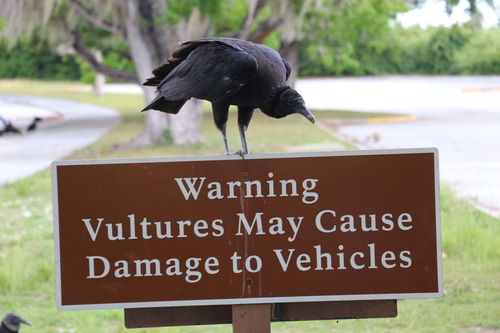 Black Vulture
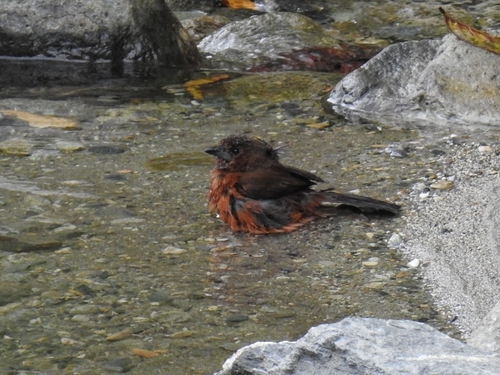 Silver-beaked Tanager
In breve
Il segno distintivo più affidabile è la dimensione e la struttura: il Black Vulture è un enorme avvoltoio dalle ali larghe, mentre il Silver-beaked Tanager è un piccolo uccello canoro tozzo. In volo, il Black Vulture mostra ali larghe e corte con distintive macchie bianche alle punte delle ali (visibili in tutte le età), mentre il Silver-beaked Tanager non mostra mai bianco nell'ala. In posato, il Black Vulture è completamente nero con una testa grigia nuda e rugosa, mentre il maschio del Silver-beaked Tanager è di un profondo cremisi e nero con una mandibola inferiore pesante e chiara. Le femmine e gli immaturi del tanager sono marrone rossiccio, mai completamente neri. I due sono estremamente improbabili da confondere tranne in scarsa illuminazione o silhouette, ma la confusione può sorgere con uccelli lontani e posati o visioni rapide.
Consigli di identificazione
- Dimensione e forma: Il Black Vulture è enorme rispetto al Silver-beaked Tanager; se l'uccello è delle dimensioni di un corvo o più grande, non può essere un tanager. Usa questo specialmente quando gli uccelli sono visti insieme ad altre specie per scala.
- Profilo di volo e modello delle ali: In volo, il Black Vulture mostra ali larghe e corte con una distintiva macchia bianca alla base delle primarie (visibile dal basso in tutte le età). Il Silver-beaked Tanager non mostra mai bianco nell'ala; le sue ali sono uniformemente scure.
- Forma della coda: Il Black Vulture ha una coda corta e quadrata che si estende appena oltre le ali ripiegate; il tanager ha una coda proporzionalmente più lunga e scura.
- Testa e becco: La testa del Black Vulture è nuda, rugosa e grigia; la testa del tanager è sempre piumata. Il maschio del tanager ha una mandibola inferiore pesante e chiara (bianco argentato), mentre il becco della femmina è marrone scuro. Il becco dell'avvoltoio è ricurvo e chiaro alla punta, ma questo è raramente visibile a distanza.
- Colore del piumaggio: Il Black Vulture è completamente nero con una leggera lucentezza; il maschio del Silver-beaked Tanager è di un profondo cremisi e nero, la femmina/immaturo è marrone rossiccio. Nessuna età o sesso del tanager è mai completamente nero con una testa nuda.
- Colore delle zampe: Il Black Vulture ha zampe grigio-biancastre, spesso striate di bianco dall'acido urico; le zampe del tanager sono di un grigio corno scuro.
- Comportamento: Il Black Vulture vola in alto, planando con le ali piatte, ed è spesso visto su carcasse o posato in gruppi. Il Silver-beaked Tanager cerca cibo in vegetazione densa, non vola mai e non è attratto dalle carcasse.
- Postura di posato: Il Black Vulture spesso si posa eretto su alberi morti, a volte con le ali spiegate. Il tanager si posa in una postura più orizzontale, simile a quella di un uccello canoro.
- Habitat: Il Black Vulture è comune in aree aperte, urbane e rurali, spesso visibile da lontano. Il Silver-beaked Tanager si trova ai margini delle foreste, nei giardini e in aree cespugliose, di solito nelle pianure umide.
- Vocalizzazione: Il Black Vulture è silenzioso tranne che per sibili e grugniti; il tanager è un tipico uccello canoro e più probabile da sentire vocalizzare.
- Dimensione del gruppo: Il Black Vulture è gregario, spesso in grandi stormi; il tanager è in coppie o piccoli gruppi.
- Comportamento alimentare: Il Black Vulture si nutre di carcasse, spesso su animali investiti o discariche; il tanager si nutre di frutta e insetti nella vegetazione.
- Rischio di confusione: In scarsa luce, un Black Vulture posato potrebbe essere scambiato per un uccello scuro e tozzo, ma la sua dimensione, testa nuda e macchie bianche sulle ali in volo sono diagnostiche. Le femmine/gli immaturi del tanager sono marrone rossiccio e mai completamente neri.
- Sovrapposizione dell'areale: Entrambe le specie si trovano in parti del Sud America, ma solo il Black Vulture è presente negli Stati Uniti e in America Centrale; il tanager è assente dal Cile e dall'Uruguay ed è solo un vagabondo in Argentina.
- Trappole di sesso/età: Gli avvoltoi immaturi assomigliano agli adulti in volo; le femmine/gli immaturi del tanager non sono mai neri e mancano del becco argentato del maschio.
Taglia
Il Black Vulture è enormemente più grande, misurando 56–74 cm di lunghezza con un'apertura alare di 1.33–1.67 m e pesando 1.6–3 kg [wikipedia]. Il Silver-beaked Tanager è lungo solo 16–17 cm e pesa 21–37.5 g [wikipedia]. L'avvoltoio è un uccello pesante e dalle ali larghe con una coda corta e quadrata, mentre il tanager è un piccolo uccello canoro robusto con un becco proporzionalmente grande per la sua dimensione. Anche a distanza, la dimensione e la forma dell'avvoltoio sono diagnostiche.
Piumaggio
-
Modello delle ali giovanili/immaturi: Il Black Vulture di tutte le età mostra una macchia bianca audace alla base delle primarie sulla parte inferiore dell'ala in volo, in contrasto con ali altrimenti nere; questo è visibile sia negli adulti che negli immaturi [wikipedia]. Il Silver-beaked Tanager (tutte le età e sessi) ha ali uniformemente scure senza macchie o pannelli bianchi, e le piume di volo sono nere scure (maschi) o scure con bordi marrone rufescente (femmine/immaturi) [wikipedia].
-
Piumaggio adulto: Il Black Vulture è nero lucido nel complesso, con una testa grigia nuda e rugosa e zampe grigio-biancastre. I maschi del Silver-beaked Tanager sono di un profondo carminio a cremisi sulla testa e sul ventre, con parti superiori nere e una mandibola inferiore argentata e sorprendente. Le femmine e gli immaturi sono di un ricco marrone rossiccio a marrone caldo, senza caratteristiche simili a quelle dell'avvoltoio.
-
Coda: Il Black Vulture ha una coda corta e quadrata che si proietta appena oltre le ali ripiegate. Il Silver-beaked Tanager ha una coda proporzionalmente più lunga e scura.
-
Testa: La testa del Black Vulture è priva di piume e grigia; la testa del tanager è sempre piumata, di un rosso profondo nei maschi, marrone rossiccio nelle femmine/immaturi.
Comportamento
Il Black Vulture è altamente gregario, spesso visto volare in alto in gruppi o posato in grandi stormi, specialmente su carcasse o dormitori comuni. Vola con le ali tenute piatte e batte in brevi scatti, seguiti da planate. Spesso si ferma con le ali spiegate per scaldarsi o asciugarsi. Il Silver-beaked Tanager è un tipico uccello canoro, che cerca cibo in coppie o piccoli gruppi in vegetazione densa, raramente vola o plana. Il suo volo è diretto e ondulato, non planante. Il tanager non viene mai visto nutrirsi di carcasse o volare in alto sopra di noi.
Habitat
Il Black Vulture si trova in aree aperte, ambienti urbani, campi e vicino a insediamenti umani, spesso ovunque ci sia carcassa disponibile. È frequentemente visto in aperto, su alberi morti, o volando sopra strade e città. Il Silver-beaked Tanager preferisce i margini delle foreste, giardini, aree cespugliose e crescita secondaria, di solito nelle pianure umide. È raramente visto in campagna aperta o in volo; si tiene al coperto ed è per lo più trovato negli habitat delle pianure sudamericane.
Voce
Il Black Vulture è generalmente silenzioso, privo di un syrinx; può solo produrre sibili e grugniti, principalmente quando è agitato o si nutre. Il Silver-beaked Tanager, come uccello canoro, è capace di vocalizzazioni varie (non dettagliate nelle note), ma è generalmente più vocale dell'avvoltoio.
Black Vulture · Silver-beaked Tanager · I miei uccelli difficili