

Motmot

アフリカマミジロタヒバリ 対 ハシナガビンズイ

Anthus cinnamomeus 対 Anthus similis

アフリカマミジロタヒバリとハシナガビンズイのクイズ
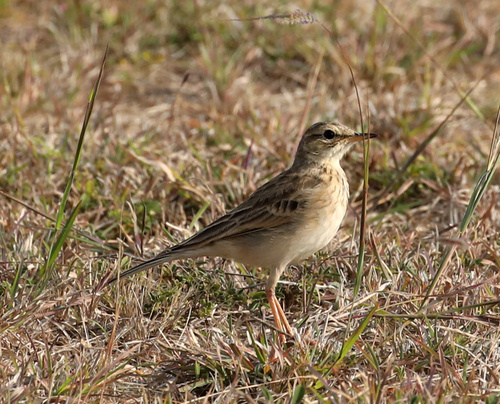
アフリカマミジロタヒバリ (Anthus cinnamomeus) アフリカマミジロタヒバリ
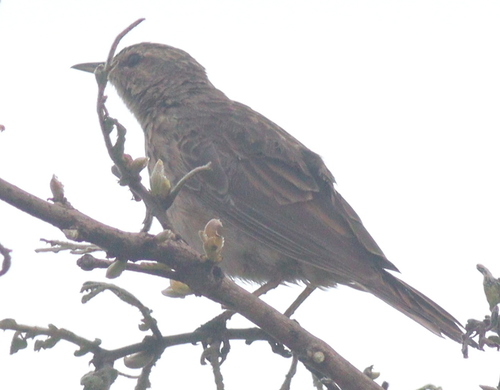
ハシナガビンズイ (Anthus similis) ハシナガビンズイ

メディア

読み込み中…

要点

アフリカマミジロタヒバリとハシナガビンズイの最も信頼できるフィールドでの識別は構造的です:ハシナガビンズイは明らかに大きくてがっしりしており、明確に長いくちばしと尾を持っていますが、アフリカマミジロタヒバリはより細身で直立しています。羽毛の違いは微妙ですが、アフリカマミジロタヒバリは強い淡い眉斑と暗い頬のストライプを持つ大胆な顔の模様を示し、特に幼鳥ではより明確な胸の縞模様があります。飛行中、両種とも白い外尾羽を示しますが、アフリカマミジロタヒバリの小さなサイズとより繊細な体つきが明らかです。注意が必要です:両種は変異があり、多くの特徴で重なり合うため、特に止まっている鳥では構造と顔の模様に焦点を当ててください。

識別のコツ

  1. Structure is key: ハシナガビンズイはアフリカマミジロタヒバリよりも大きく、がっしりしており、尾とくちばしが長いです。特に鳥が並んでいるときや長時間観察できるときにこれを利用してください。
  2. Bill shape and color: アフリカマミジロタヒバリのくちばしは細くて暗く、下あごの基部は黄味がかっています;ハシナガビンズイのくちばしはより長く、重く、全体的に暗いです。これは良好な光の下で近距離で最も役立ちます。
  3. Face pattern: アフリカマミジロタヒバリは大胆な淡い眉斑(アイブロウ)と明確な暗い頬のストライプを示し、顔に強い印象を与えます。ハシナガビンズイの顔はより平坦で、これらの強いコントラストが欠けています。
  4. Breast streaking: アフリカマミジロタヒバリ(特に幼鳥や未成熟個体)はより明確な胸の縞模様を持ち、時には側面にも縞模様があります。ハシナガビンズイは一般的に下部がより平坦で、縞模様が少ないです。
  5. Juvenile pattern: 胸に斑点があり、上部が波状の鳥を見た場合、それはおそらく幼鳥のアフリカマミジロタヒバリです。ハシナガビンズイの幼鳥はそのような強い模様を持つとは記述されていません。
  6. Tail pattern in flight: 両種とも白い外尾羽を示すため、これは信頼できる識別要因ではありません。
  7. Leg color: アフリカマミジロタヒバリは長く、ピンクがかった脚を持ち、ハシナガビンズイの脚よりもやや目立つかもしれませんが、これは微妙で常に診断的ではありません。
  8. Posture: アフリカマミジロタヒバリはより直立している傾向があり、より繊細に見えます;ハシナガビンズイはより水平で、より重く見えます。
  9. Habitat context: 鳥が豊かな開けた草原にいる場合、アフリカマミジロタヒバリの可能性が高いです;岩の多い乾燥した斜面に散在する低木がある場合は、ハシナガビンズイに傾いてください。
  10. Flight style: アフリカマミジロタヒバリの飛行は軽やかで波状であり、特に歌っているときにそうです;ハシナガビンズイの飛行はより強く、より直線的です。
  11. Song and calls: アフリカマミジロタヒバリのさえずりの歌と、ハシナガビンズイの遅く、より多様な「sri...churr」歌または「chupp」コールを聞いてください。声の識別に自信がある場合のみ使用してください。
  12. Size impression: 混合した群れの中や一緒に見た場合、ハシナガビンズイはより大きく、より頑丈な鳥として際立つはずです。
  13. Plumage pitfalls: 両種は変異があり、摩耗した羽毛や悪い光の中で似て見えることがあります。色だけに頼らず、構造と顔の模様に焦点を当ててください。
  14. Subspecies confusion: 両種には複数の亜種があり、分布域によって変異することがあります。疑わしい場合は、構造的および顔の模様の違いを優先してください。
  15. Season and molt: これらの種には強い季節的または性別に基づく羽毛の違いは記述されていないため、上記の特徴を通年使用してください。

大きさ

ハシナガビンズイは2種の中で大きく、長さは16–17.5 cm、体重は約23 g [wikidata]で、アフリカマミジロタヒバリは15–17 cm(質量データはありませんが、一貫してより細身であると記述されています)[wikipedia]。違いは微妙ですが、直接比較すると通常明らかです:ハシナガビンズイは体が重く、尾が長く、相対的にくちばしも長いです。アフリカマミジロタヒバリはより直立しており、より繊細で、くちばしが細く、尾が短いです。

羽色

幼鳥のアフリカマミジロタヒバリは斑点のある胸、波状の上部、側面にいくつかの縞模様があり、ハシナガビンズイの幼鳥よりも模様が多く見えます。成鳥のアフリカマミジロタヒバリは上面が淡い茶色で、暗い縞模様があり、顔は大胆に模様が付いています:強い淡い眉斑(スーペリシリウム)と暗い頬のストライプが際立っています。下部は白または淡い茶色で、胸に縞模様があり、腹部/側面は平坦です。成鳥のハシナガビンズイは上面が砂色の灰色で、下面が淡く、縞模様があまり目立たず、顔も平坦で、アフリカマミジロタヒバリの強いスーペリシリウムと頬のストライプが欠けています。両種とも飛行中に白い外尾羽を示すため、これは有用な識別要因ではありません。くちばしの色も微妙に異なります:アフリカマミジロタヒバリは下あごの基部が黄味がかった暗いくちばしを持ち、ハシナガビンズイのくちばしは全体的により長く、暗いです。

行動

アフリカマミジロタヒバリはしばしばより直立した姿勢を取り、より警戒して活発に見えることがあり、開けた地面や低い止まり木で頻繁に見られます。ハシナガビンズイはより重く、より水平に見える傾向があり、動きは遅く、あまり神経質ではありません。飛行中、ハシナガビンズイは強く、直線的な飛行を持つと記述されており、アフリカマミジロタヒバリはより軽やかで、よりひらひらとした印象を与えることがあります。両種は地面で種子や昆虫を採餌しますが、アフリカマミジロタヒバリは開けた草原で見られる可能性が高く、時には低い止まり木から歌ったり、波状の歌の飛行中に歌ったりします。

生息環境

アフリカマミジロタヒバリは開けた草原や草地を好み、しばしば短い植生のある地域に生息しています。ハシナガビンズイは乾燥した開けた斜面を好み、岩や低い植生があり、時にはより乾燥したまたは石の多い環境に生息します。開けた国ではいくつかの重なりがありますが、アフリカマミジロタヒバリは草地の生息地により密接に結びついており、ハシナガビンズイは岩や低木の多い斜面に典型的です。

声

アフリカマミジロタヒバリの歌は、波状の歌の飛行中または低い止まり木から発せられる繰り返しのさえずりの音のシリーズです。ハシナガビンズイは特徴的な「chupp」コールを発し、砂漠のヒバリを思わせるもので、歌はアフリカマミジロタヒバリのものよりも遅く、より多様で、「sri...churr...sri...churr」と記述されています。これらの違いは微妙で、鳥が長時間歌っている場合を除いて使用するのは難しいかもしれません。

より良い説明を送る

比較と同じ項目を使ってください。文章はすぐに公開されます。

The most reliable field separation between African Pipit and Long-billed Pipit is structural: Long-billed Pipit is noticeably larger and bulkier, with a distinctly longer bill and tail, while African Pipit is more slender and upright. Plumage differences are subtle but African Pipit shows a bolder face pattern with a strong pale supercilium and dark malar stripe, and more obvious breast streaking, especially in juveniles. In flight, both show white outer tail feathers, but African Pipit’s smaller size and more delicate build are apparent. Be cautious: both species are variable and overlap in many features, so focus on structure and face pattern, especially in perched birds.

  1. Structure is key: Long-billed Pipit is larger, bulkier, and has a longer tail and bill than African Pipit. Use this especially when birds are side by side or when you get a prolonged view.
  2. Bill shape and color: African Pipit’s bill is slender and dark with a yellowish base to the lower mandible; Long-billed Pipit’s bill is longer, heavier, and darker overall. This is most useful in good light at close range.
  3. Face pattern: African Pipit shows a bold pale supercilium (eyebrow) and a distinct dark malar stripe, giving the face a strongly marked look. Long-billed Pipit’s face is plainer, lacking these strong contrasts.
  4. Breast streaking: African Pipit (especially juveniles and immatures) has more obvious breast streaking and sometimes streaks on the flanks. Long-billed Pipit is generally plainer below, with less streaking.
  5. Juvenile pattern: If you see a bird with a blotched breast and scalloped upperparts, it is likely a juvenile African Pipit. Long-billed Pipit juveniles are not described as having such strong markings.
  6. Tail pattern in flight: Both species show white outer tail feathers, so this is not a reliable separator.
  7. Leg color: African Pipit has long, pinkish legs, which may be slightly more noticeable than the legs of Long-billed Pipit, but this is subtle and not always diagnostic.
  8. Posture: African Pipit tends to stand more upright and looks more delicate; Long-billed Pipit is more horizontal and appears heavier.
  9. Habitat context: If the bird is in lush, open grassland, African Pipit is more likely; if on rocky, dry slopes with scattered bushes, lean toward Long-billed Pipit.
  10. Flight style: African Pipit’s flight is lighter and more undulating, especially when singing; Long-billed Pipit’s flight is stronger and more direct.
  11. Song and calls: Listen for African Pipit’s twittering song and Long-billed Pipit’s slower, more varied 'sri...churr' song or 'chupp' call. Use only if you are confident in the vocalization.
  12. Size impression: In mixed flocks or when seen together, Long-billed Pipit should stand out as the larger, more robust bird.
  13. Plumage pitfalls: Both species are variable and can appear similar in worn plumage or poor light. Do not rely on color alone; focus on structure and face pattern.
  14. Subspecies confusion: Both species have multiple subspecies and can be variable across their ranges. When in doubt, prioritize structural and face pattern differences.
  15. Season and molt: No strong seasonal or sex-based plumage differences are described for these species, so use the above marks year-round.

Long-billed Pipit is the larger of the two, measuring 16–17.5 cm in length and weighing around 23 g [wikidata], while African Pipit is smaller at 15–17 cm (no mass data available, but consistently described as more slender) [wikipedia]. The difference is subtle but usually apparent with direct comparison: Long-billed Pipit appears heavier-bodied and longer-tailed, with a proportionally longer bill. African Pipit is more upright and daintier, with a finer bill and shorter tail.

Juvenile African Pipits have a blotched breast, scalloped upperparts, and some streaking on the flanks, making them look more patterned than Long-billed Pipit juveniles, which are not described as having such strong markings. Adult African Pipits are buffy-brown above with dark streaks and have a boldly marked face: a strong pale eyebrow (supercilium) and a dark malar stripe stand out. The underparts are white or pale buff with a streaked breast and plain belly/flanks. Long-billed Pipit adults are sandy grey above and pale below, with less obvious streaking and a plainer face, lacking the strong supercilium and malar stripe of African Pipit. Both species show white outer tail feathers in flight, so this is not a useful separator. Bill color is also subtly different: African Pipit has a dark bill with a yellowish base to the lower mandible, while Long-billed Pipit's bill is longer and darker overall.

African Pipit often adopts a more upright stance and can appear more alert and active, frequently seen on open ground or low perches. Long-billed Pipit tends to look heavier and more horizontal, moving with slower, less nervous movements. In flight, Long-billed Pipit is described as having a strong, direct flight, while African Pipit may appear lighter and more fluttery. Both species forage on the ground for seeds and insects, but African Pipit is more likely to be seen in open grassland, sometimes singing from a low perch or during an undulating song-flight.

African Pipit favors open grasslands and grassveld, often in areas with shorter vegetation. Long-billed Pipit prefers dry, open slopes with rocks and low vegetation, sometimes in more arid or stony environments. There is some overlap in open country, but African Pipit is more closely tied to grassy habitats, while Long-billed Pipit is more typical of rocky or bushy slopes.

African Pipit's song is a repeated series of twittering notes, delivered during an undulating song-flight or from a low perch. Long-billed Pipit gives a characteristic 'chupp' call, reminiscent of a desert lark, and its song is slower and more varied than African Pipit's, described as 'sri...churr...sri...churr.' These differences are subtle and may be hard to use unless the bird is singing at length.

変更を破棄しますか?

保存していない編集があります。今離れると失われます。

アフリカマミジロタヒバリ · ハシナガビンズイ · 苦手な鳥