

African Pipit vs Long-billed Pipit
Anthus cinnamomeus contro Anthus similis
Fai un quiz con African Pipit e Long-billed Pipit
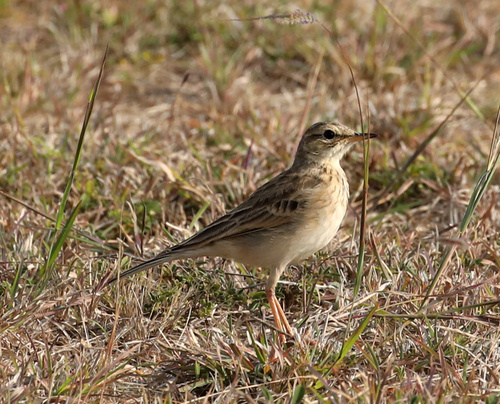 African Pipit
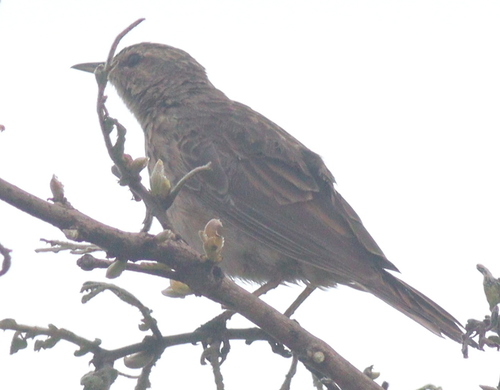 Long-billed Pipit
In breve
La separazione più affidabile sul campo tra African Pipit e Long-billed Pipit è strutturale: Long-billed Pipit è notevolmente più grande e massiccio, con un becco e una coda visibilmente più lunghi, mentre African Pipit è più snello e eretto. Le differenze nel piumaggio sono sottili, ma African Pipit mostra un motivo facciale più audace con un forte supercilio chiaro e una striscia malare scura, e una striatura del petto più evidente, specialmente nei giovani. In volo, entrambi mostrano piume bianche sulla coda esterna, ma la dimensione più piccola e la struttura più delicata di African Pipit sono evidenti. Fai attenzione: entrambe le specie sono variabili e si sovrappongono in molte caratteristiche, quindi concentrati sulla struttura e sul motivo facciale, specialmente negli uccelli in perching.
Consigli di identificazione
- La struttura è fondamentale: Long-billed Pipit è più grande, massiccio e ha una coda e un becco più lunghi rispetto ad African Pipit. Usa questo soprattutto quando gli uccelli sono affiancati o quando hai una vista prolungata.
- Forma e colore del becco: Il becco di African Pipit è snello e scuro con una base giallastra per il mandibolo inferiore; il becco di Long-billed Pipit è più lungo, più pesante e più scuro nel complesso. Questo è più utile in buona luce a distanza ravvicinata.
- Motivo facciale: African Pipit mostra un forte supercilio chiaro (sopracciglio) e una distintiva striscia malare scura, dando al viso un aspetto fortemente marcato. Il viso di Long-billed Pipit è più semplice, privo di questi forti contrasti.
- Striature del petto: African Pipit (specialmente nei giovani e negli immaturi) ha striature del petto più evidenti e talvolta striature sui fianchi. Long-billed Pipit è generalmente più semplice sotto, con meno striature.
- Motivo giovanile: Se vedi un uccello con un petto macchiato e parti superiori scallopate, è probabile che sia un giovane African Pipit. I giovani di Long-billed Pipit non sono descritti come aventi marcature così forti.
- Motivo della coda in volo: Entrambe le specie mostrano piume bianche sulla coda esterna, quindi questo non è un separatore affidabile.
- Colore delle gambe: African Pipit ha gambe lunghe e rossastre, che possono essere leggermente più evidenti rispetto alle gambe di Long-billed Pipit, ma questo è sottile e non sempre diagnostico.
- Postura: African Pipit tende a stare più eretto e appare più delicato; Long-billed Pipit è più orizzontale e appare più pesante.
- Contesto dell'habitat: Se l'uccello si trova in una lussureggiante prateria aperta, è più probabile che sia un African Pipit; se si trova su pendii rocciosi e secchi con cespugli sparsi, inclina verso Long-billed Pipit.
- Stile di volo: Il volo di African Pipit è più leggero e ondulato, specialmente quando canta; il volo di Long-billed Pipit è più forte e diretto.
- Canto e richiami: Ascolta il canto cinguettante di African Pipit e il canto più lento e variegato di Long-billed Pipit. Usa solo se sei sicuro della vocalizzazione.
- Impressione di dimensione: In stormi misti o quando visti insieme, Long-billed Pipit dovrebbe distinguersi come l'uccello più grande e robusto.
- Trappole del piumaggio: Entrambe le specie sono variabili e possono apparire simili in piumaggio usurato o in scarsa luce. Non fare affidamento solo sul colore; concentrati sulla struttura e sul motivo facciale.
- Confusione delle sottospecie: Entrambe le specie hanno più sottospecie e possono essere variabili nelle loro aree. In caso di dubbio, dai priorità alle differenze strutturali e del motivo facciale.
- Stagione e muta: Non sono descritte forti differenze di piumaggio stagionali o basate sul sesso per queste specie, quindi usa i segni sopra tutto l'anno.
Taglia
Long-billed Pipit è il più grande dei due, misurando 16–17,5 cm di lunghezza e pesando circa 23 g [wikidata], mentre African Pipit è più piccolo a 15–17 cm (nessun dato sulla massa disponibile, ma descritto costantemente come più snello) [wikipedia]. La differenza è sottile ma di solito evidente con un confronto diretto: Long-billed Pipit appare più pesante e con una coda più lunga, con un becco proporzionalmente più lungo. African Pipit è più eretto e delicato, con un becco più fine e una coda più corta.
Piumaggio
I giovani African Pipit hanno un petto macchiato, parti superiori scallopate e alcune striature sui fianchi, facendoli apparire più decorati rispetto ai giovani di Long-billed Pipit, che non sono descritti come aventi marcature così forti. Gli adulti di African Pipit sono marrone chiaro sopra con striature scure e hanno un viso fortemente marcato: un forte sopracciglio chiaro (supercilio) e una striscia malare scura spiccano. Le parti inferiori sono bianche o di un buff chiaro con un petto striato e un ventre/fianchi semplici. Gli adulti di Long-billed Pipit sono grigio sabbia sopra e chiari sotto, con meno striature evidenti e un viso più semplice, privo del forte supercilio e della striscia malare di African Pipit. Entrambe le specie mostrano piume bianche sulla coda esterna in volo, quindi questo non è un separatore utile. Anche il colore del becco è sottilmente diverso: African Pipit ha un becco scuro con una base giallastra per il mandibolo inferiore, mentre il becco di Long-billed Pipit è più lungo e più scuro nel complesso.
Comportamento
African Pipit spesso adotta una postura più eretta e può apparire più allerta e attivo, frequentemente visto su terreni aperti o su posatoi bassi. Long-billed Pipit tende ad apparire più pesante e orizzontale, muovendosi con movimenti più lenti e meno nervosi. In volo, Long-billed Pipit è descritto come avente un volo forte e diretto, mentre African Pipit può apparire più leggero e più fluttuante. Entrambe le specie cercano cibo a terra per semi e insetti, ma African Pipit è più probabile che venga visto in praterie aperte, a volte cantando da un posatoio basso o durante un volo di canto ondulato.
Habitat
African Pipit predilige praterie aperte e grassveld, spesso in aree con vegetazione più corta. Long-billed Pipit preferisce pendii secchi e aperti con rocce e vegetazione bassa, talvolta in ambienti più aridi o rocciosi. C'è una certa sovrapposizione in campi aperti, ma African Pipit è più strettamente legato agli habitat erbosi, mentre Long-billed Pipit è più tipico di pendii rocciosi o cespugliosi.
Voce
Il canto di African Pipit è una serie ripetuta di note cinguettanti, emesse durante un volo di canto ondulato o da un posatoio basso. Long-billed Pipit emette un caratteristico richiamo 'chupp', che ricorda un allodola del deserto, e il suo canto è più lento e variegato rispetto a quello di African Pipit, descritto come 'sri...churr...sri...churr.' Queste differenze sono sottili e potrebbero essere difficili da utilizzare a meno che l'uccello non stia cantando a lungo.
African Pipit · Long-billed Pipit · I miei uccelli difficili