

Motmot

アフリカツリスガラ 対 アフリカオウギセッカ

Anthoscopus caroli 対 Bradypterus baboecala

アフリカツリスガラとアフリカオウギセッカのクイズ
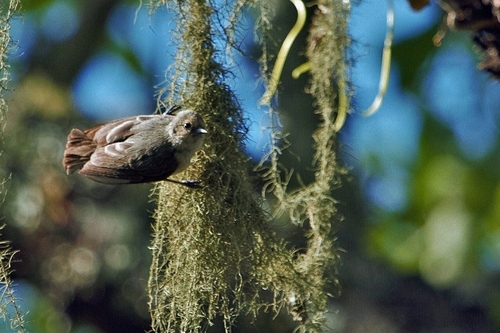
アフリカツリスガラ (Anthoscopus caroli) アフリカツリスガラ
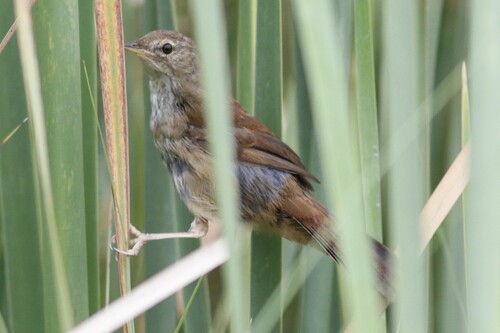
アフリカオウギセッカ (Bradypterus baboecala) アフリカオウギセッカ

メディア

読み込み中…

要点

アフリカツリスガラとアフリカオウギセッカを区別する最も信頼できる方法は、全体的な構造と行動によるものです:ツリスガラは小さく、コンパクトで活発な鳥で、開けた乾燥した生息地でよく見られますが、オウギセッカは密な湿った植生の中でより秘密主義的で細長い隠れ者です。ツリスガラは短くて太いくちばしと丸い頭の形を示し、オウギセッカの長くて細いくちばしと平らな頭部と対照的です。羽毛の違いは距離があると微妙ですが、ツリスガラは一般的に灰色がかっており、色が薄いのに対し、オウギセッカは茶色がかっており、より均一です。乾燥した低木の中でアクロバティックに餌を探している鳥を見たら、それはおそらくツリスガラです;もしそれが葦やオギの中を低く這っているなら、それはおそらくオウギセッカです。

識別のコツ

  1. Habitat is often decisive: もし鳥が乾燥した開けた森林やサバンナにいるなら、アフリカツリスガラを考えてください;もし密な湿った葦や湿地にいるなら、アフリカオウギセッカを考えてください。
  2. Size and shape: ツリスガラははるかに小さく、丸みを帯びており、コンパクトで、短い尾と太いくちばしを持っています。オウギセッカは大きく、より細長く、長い尾と細く尖ったくちばしを持っています。
  3. Bill structure: ツリスガラのくちばしは短く、太く、円錐形で、枝から昆虫や種子をつまむのに適しています。オウギセッカのくちばしは長く、細く、わずかに下向きで、密な植生の中を探るのに適応しています。
  4. Head shape: アフリカツリスガラは丸い頭を持ち、優しく、ほぼふわふわした外観をしています。アフリカオウギセッカは平らな頭頂を持ち、より流線型の頭をしています。
  5. Plumage tone: ツリスガラは上面が淡い灰色で、下面がより淡いことが多く、時々微かなマスクや淡い顔を示します。オウギセッカは上面が均一な茶色で、下面がバフ色で、コントラストが少なく、顔のマーキングがありません。
  6. Facial pattern: ツリスガラは微かな淡い眉斑やマスクを示すことがあります;オウギセッカの顔は平坦で無地です。
  7. Behavior: ツリスガラは活発でアクロバティックで、しばしば小さな群れでオープンに餌を探します。オウギセッカは孤独またはペアで、密なカバーの中を低く這い、オープンに見られることはほとんどありません。
  8. Tail: ツリスガラの尾は短く、しばしば立てられています;オウギセッカの尾は長く、通常はまっすぐまたはわずかに垂れています。
  9. Flight style: ツリスガラの飛行はバウンシーで、止まり木の間を直接移動します;オウギセッカはあまり遠くに飛ばず、通常はすぐにカバーに戻ります。
  10. Vocalizations: メモには記載されていませんが、一般的にツリスガラは高く細い鳴き声を出し、オウギセッカはより昆虫のような、リールのような歌を持っています(ここでは診断的ではありません)。
  11. Group size: ツリスガラはしばしば小さくて騒がしい群れで見られます;オウギセッカは通常一人または伴侶と一緒です。
  12. Context: もし鳥が吊るしの巣を作っているのを見たら、それは確実にツリスガラです;オウギセッカは葦や草の中に低い巣を作ります。
  13. Season and sex: どちらの種にも強い季節的または性的な羽毛の違いはありません;すべてのヒントは年間を通じて両方の性別に適用されます。
  14. Juvenile/immature confusion: どちらの種にも年齢特有の翼や飛行のマークは記載されていないため、若い鳥には構造と生息地に頼ってください。
  15. Common pitfalls: 微妙な羽毛の色合いだけに頼らないでください。光によってツリスガラがより茶色に見えたり、オウギセッカがより灰色に見えたりすることがあります;常に生息地、構造、行動を確認してください。

大きさ

アフリカツリスガラはアフリカで最も小さなスズメ目の一つで、アフリカオウギセッカよりも明らかに小さく、よりコンパクトです。ツリスガラは小さくて丸い体を持ち、短い尾と太いくちばしがあります。それに対して、アフリカオウギセッカは大きく、より細長く、長い尾と明らかに長くて細いくちばしを持っています。正確な測定がなくても、ツリスガラははるかに優雅で繊細に見え、オウギセッカは典型的な小さなセッカのプロポーションに近いです。

羽色

行動

アフリカツリスガラは非常に活発で、しばしば逆さまにぶら下がったり、開けた乾燥した森林やサバンナの中で枝や小枝の間をアクロバティックに餌を探しているのが見られます。通常は小さな群れやペアで、めったに一人ではなく、恥ずかしがりません。対照的に、アフリカオウギセッカは秘密主義的で隠れがちで、葦やオギ、水の近くの厚い草などの密な湿った植生から遠くに出ることはほとんどありません。静かに低く移動し、カバーを這い回るときには、しばしば隠れています。ツリスガラの大胆でエネルギッシュな動きは、オウギセッカの furtive で這うような行動と鋭く対照的です。

生息環境

アフリカツリスガラは乾燥したサバンナ、開けた森林、乾燥した森林を好み、通常は水や密な葦のベッドから離れています。散在する木や茂みのある乾燥または半乾燥の地域で最もよく見られます。アフリカオウギセッカは湿った生息地に強く結びついています:密な葦のベッド、湿地、湿った草原で、しばしば水の近くにいます。もし乾燥した低木や森林の中に小さな鳥を見つけたら、それはほぼ確実にツリスガラです;もしそれが葦や湿地の中にいるなら、それはほぼ確実にオウギセッカです。

より良い説明を送る

比較と同じ項目を使ってください。文章はすぐに公開されます。

The most reliable way to separate African Penduline Tit from Little Rush Warbler is by overall structure and behavior: the tit is a tiny, compact, active bird often seen in open, dry habitats, while the warbler is a more secretive, slender skulker of dense, wet vegetation. The tit shows a short, stubby bill and a round-headed look, contrasting with the warbler's longer, thinner bill and flat crown. Plumage differences are subtle at a distance, but the tit is generally greyer and paler, while the warbler is browner and more uniform. If you see the bird actively foraging acrobatically in dry scrub, it's likely the tit; if it's creeping low in reeds or rushes, it's probably the warbler.

  1. Habitat is often decisive: If the bird is in dry, open woodland or savanna, think African Penduline Tit; if it is in dense, wet reeds or marsh, think Little Rush Warbler.
  2. Size and shape: The tit is much smaller, rounder, and more compact, with a short tail and a stubby bill. The warbler is larger, more elongated, with a longer tail and a thin, pointed bill.
  3. Bill structure: The tit’s bill is short, thick, and conical, suited for picking insects and seeds from twigs. The warbler’s bill is long, slender, and slightly decurved, adapted for probing in dense vegetation.
  4. Head shape: African Penduline Tit has a round head and a gentle, almost fluffy appearance. Little Rush Warbler has a flatter crown and a more streamlined head.
  5. Plumage tone: The tit is pale grey above and paler below, sometimes with a faint mask or pale face. The warbler is uniform brown above and buffy below, with little contrast and no facial markings.
  6. Facial pattern: The tit may show a faint pale supercilium or mask; the warbler’s face is plain and unmarked.
  7. Behavior: Tits are active, acrobatic, and often in small groups, foraging openly. Warblers are solitary or in pairs, creeping low in dense cover and rarely seen in the open.
  8. Tail: The tit’s tail is short and often cocked; the warbler’s tail is longer and usually held straight or slightly drooped.
  9. Flight style: The tit’s flight is bouncy and direct between perches; the warbler rarely flies far and usually drops quickly back into cover.
  10. Vocalizations: Not described in the notes, but generally, penduline tits give high, thin calls, while rush warblers have a more insect-like, reeling song (not diagnostic here).
  11. Group size: Tits are often in small, noisy parties; warblers are typically alone or with a mate.
  12. Context: If you see the bird constructing a hanging nest, it is certainly a penduline tit; warblers build nests low in reeds or grass.
  13. Season and sex: No strong seasonal or sexual plumage differences in either species; all tips apply year-round and to both sexes.
  14. Juvenile/immature confusion: No distinctive age-specific wing or flight marks are described for either species, so rely on structure and habitat for young birds.
  15. Common pitfalls: Do not rely on subtle plumage tones alone, as light can make the tit appear browner or the warbler greyer; always check habitat, structure, and behavior.

African Penduline Tit is one of the smallest passerines in Africa, noticeably smaller and more compact than Little Rush Warbler. The tit is tiny and round-bodied, with a short tail and a stubby bill. In contrast, Little Rush Warbler is larger, more elongated, with a longer tail and a noticeably longer, finer bill. Even without precise measurements, the tit will appear much daintier and more delicate, while the warbler is closer to a typical small warbler in proportions.

  • Juvenile and immature plumages are not described in detail for either species in the provided notes, and there are no references to distinctive upperwing patterns, panels, or flight marks for either species at any age.
  • Adult African Penduline Tit is generally pale grey above with paler underparts, sometimes showing a faint mask or pale supercilium, and lacks strong streaking or patterning. The overall impression is of a soft, pale, and slightly fluffy bird.
  • Little Rush Warbler is uniformly brown above and buffy below, with little contrast or patterning. It lacks any facial mask or supercilium and appears plain and unmarked. The warbler’s plumage is more rufous or warm brown compared to the tit’s colder grey tones.
  • In both species, sex differences are not prominent in the field.

African Penduline Tit is highly active, often seen hanging upside down or foraging acrobatically among twigs and branches in open, dry woodland or savanna. It is usually in small groups or pairs, rarely alone, and is not shy. Little Rush Warbler, by contrast, is secretive and skulking, rarely venturing far from dense, wet vegetation such as reeds, rushes, or thick grass near water. It moves quietly and low, often remaining hidden except for brief views as it creeps through cover. The tit’s bold, energetic movements contrast sharply with the warbler’s furtive, creeping behavior.

African Penduline Tit favors dry savanna, open woodland, and dry forest, usually away from water and dense reedbeds. It is most often found in arid or semi-arid regions with scattered trees and bushes. Little Rush Warbler is strongly tied to wet habitats: dense reedbeds, marshes, and moist grasslands, often close to water. If you find a small bird in dry scrub or woodland, it is almost certainly the tit; if it is in reeds or marshy ground, it is almost certainly the warbler.

変更を破棄しますか?

保存していない編集があります。今離れると失われます。

アフリカツリスガラ · アフリカオウギセッカ · 苦手な鳥