

African Penduline-Tit vs Little Rush Warbler
Anthoscopus caroli contro Bradypterus baboecala
Fai un quiz con African Penduline-Tit e Little Rush Warbler
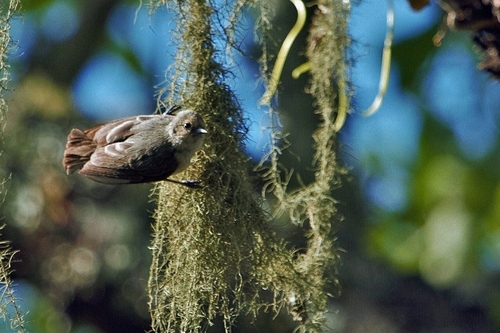 African Penduline-Tit
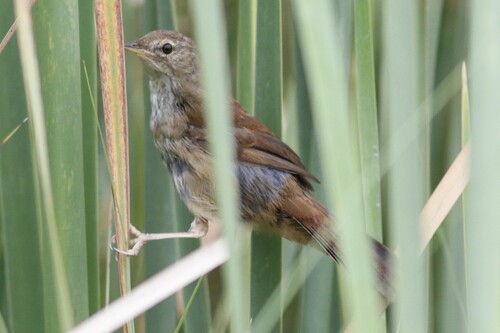 Little Rush Warbler
In breve
Il modo più affidabile per separare l'African Penduline-Tit dal Little Rush Warbler è attraverso la struttura generale e il comportamento: il tit è un uccello minuscolo, compatto e attivo, spesso visto in habitat aperti e secchi, mentre il warbler è un furtivo, snodato e segreto che si nasconde nella vegetazione densa e umida. Il tit mostra un becco corto e tozzo e un aspetto dalla testa rotonda, in contrasto con il becco più lungo e sottile e la corona piatta del warbler. Le differenze nel piumaggio sono sottili a distanza, ma il tit è generalmente più grigio e pallido, mentre il warbler è più marrone e uniforme. Se vedi l'uccello che cerca attivamente cibo in modo acrobatico in un cespuglio secco, è probabile che sia il tit; se si muove in basso tra canne o giunchi, è probabilmente il warbler.
Consigli di identificazione
- L'habitat è spesso decisivo: Se l'uccello si trova in boschi aperti e secchi o in savana, pensa all'African Penduline-Tit; se si trova in canne o paludi umide e dense, pensa al Little Rush Warbler.
- Dimensioni e forma: Il tit è molto più piccolo, rotondo e compatto, con una coda corta e un becco tozzo. Il warbler è più grande, più allungato, con una coda più lunga e un becco sottile e appuntito.
- Struttura del becco: Il becco del tit è corto, spesso e conico, adatto a raccogliere insetti e semi dai rami. Il becco del warbler è lungo, snodato e leggermente ricurvo, adattato per sondare nella vegetazione densa.
- Forma della testa: L'African Penduline-Tit ha una testa rotonda e un aspetto gentile, quasi soffice. Il Little Rush Warbler ha una corona più piatta e una testa più aerodinamica.
- Tono del piumaggio: Il tit è grigio pallido sopra e più pallido sotto, a volte con una leggera maschera o un volto chiaro. Il warbler è marrone uniforme sopra e beige sotto, con poco contrasto e senza marcature facciali.
- Schema facciale: Il tit può mostrare un leggero supercilio o maschera chiara; il volto del warbler è semplice e senza segni.
- Comportamento: I tit sono attivi, acrobatici e spesso in piccoli gruppi, cercando cibo apertamente. I warbler sono solitari o in coppia, muovendosi in basso in coperture dense e raramente visti in aperto.
- Coda: La coda del tit è corta e spesso sollevata; la coda del warbler è più lunga e di solito tenuta dritta o leggermente abbassata.
- Stile di volo: Il volo del tit è rimbalzante e diretto tra i posatoi; il warbler raramente vola lontano e di solito torna rapidamente nella copertura.
- Vocalizzazioni: Non descritte nelle note, ma generalmente, i penduline tit emettono richiami alti e sottili, mentre i rush warblers hanno un canto più simile a un insetto, a spirale (non diagnostico qui).
- Dimensione del gruppo: I tit sono spesso in piccoli gruppi rumorosi; i warbler sono tipicamente soli o con un compagno.
- Contesto: Se vedi l'uccello costruire un nido sospeso, è certamente un penduline tit; i warbler costruiscono nidi in basso tra canne o erba.
- Stagione e sesso: Non ci sono forti differenze di piumaggio stagionali o sessuali in nessuna delle due specie; tutti i suggerimenti si applicano tutto l'anno e a entrambi i sessi.
- Confusione giovanile/immatura: Non ci sono segni distintivi di età specifici per le ali o il volo descritti per nessuna delle due specie, quindi fai affidamento su struttura e habitat per gli uccelli giovani.
- Trappole comuni: Non fare affidamento solo sui toni sottili del piumaggio, poiché la luce può far apparire il tit più marrone o il warbler più grigio; controlla sempre habitat, struttura e comportamento.
Taglia
L'African Penduline-Tit è uno dei passeriformi più piccoli in Africa, notevolmente più piccolo e compatto rispetto al Little Rush Warbler. Il tit è minuscolo e dal corpo rotondo, con una coda corta e un becco tozzo. Al contrario, il Little Rush Warbler è più grande, più allungato, con una coda più lunga e un becco visibilmente più lungo e fine. Anche senza misurazioni precise, il tit apparirà molto più delicato e raffinato, mentre il warbler è più vicino a un tipico piccolo warbler nelle proporzioni.
Piumaggio
- I piumaggi giovanili e immaturi non sono descritti in dettaglio per nessuna delle due specie nelle note fornite, e non ci sono riferimenti a schemi distintivi delle ali superiori, pannelli o segni di volo per nessuna delle due specie a qualsiasi età.
- L'African Penduline-Tit adulto è generalmente grigio pallido sopra con parti inferiori più chiare, a volte mostrando una leggera maschera o un supercilio pallido, e manca di forti striature o schemi. L'impressione generale è quella di un uccello morbido, pallido e leggermente soffice.
- Il Little Rush Warbler è uniformemente marrone sopra e beige sotto, con poco contrasto o schemi. Manca di qualsiasi maschera facciale o supercilio e appare semplice e senza segni. Il piumaggio del warbler è più rugginoso o marrone caldo rispetto ai toni grigi più freddi del tit.
- In entrambe le specie, le differenze sessuali non sono prominenti sul campo.
Comportamento
L'African Penduline-Tit è altamente attivo, spesso visto appeso a testa in giù o cercando cibo in modo acrobatico tra rami e rami in boschi aperti e secchi o in savana. Di solito si trova in piccoli gruppi o coppie, raramente da solo, e non è timido. Il Little Rush Warbler, al contrario, è segreto e furtivo, raramente avventurandosi lontano dalla vegetazione densa e umida come canne, giunchi o erba folta vicino all'acqua. Si muove silenziosamente e in basso, rimanendo spesso nascosto tranne per brevi visioni mentre si muove attraverso la copertura. I movimenti audaci ed energici del tit contrastano nettamente con il comportamento furtivo e strisciante del warbler.
Habitat
L'African Penduline-Tit predilige savane secche, boschi aperti e foreste secche, di solito lontano dall'acqua e da letti di canne densi. Si trova più spesso in regioni aride o semi-aride con alberi e cespugli sparsi. Il Little Rush Warbler è fortemente legato agli habitat umidi: letti di canne densi, paludi e praterie umide, spesso vicino all'acqua. Se trovi un piccolo uccello in un cespuglio secco o in un bosco, è quasi certamente il tit; se si trova in canne o in terreno paludoso, è quasi certamente il warbler.
African Penduline-Tit · Little Rush Warbler · I miei uccelli difficili