

Motmot

ヤシアマツバメ 対 コズアカコシアカツバメ

Cypsiurus parvus 対 Cecropis abyssinica

ヤシアマツバメとコズアカコシアカツバメのクイズ
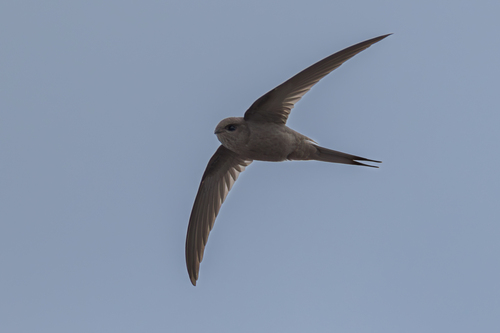
ヤシアマツバメ (Cypsiurus parvus) ヤシアマツバメ
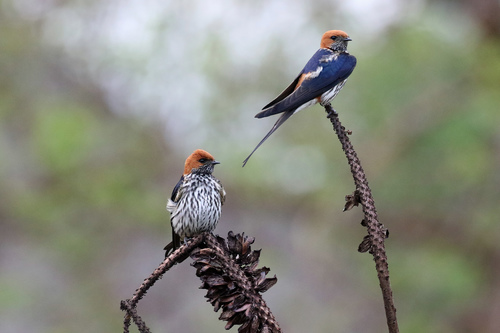
コズアカコシアカツバメ (Cecropis abyssinica) コズアカコシアカツバメ

メディア

読み込み中…

要点

アフリカヤシアマツバメとコズアカコシアカツバメを区別する最も信頼できる方法は、全体的な構造と飛行スタイルによるものです:ヤシアマツバメは細長く、長い翼を持ち、飛行中は鎌のような形をしており、通常は閉じた状態で深く分かれた尾を持っています。一方、コシアカツバメはより大きく、翼が広く、より典型的なツバメの尾を持っています。幼鳥のツバメは外側の尾羽が短いですが、決してヤシアマツバメのブーメランのようなシルエットにはなりません。羽毛も特徴的です:ヤシアマツバメは単色の淡い茶色ですが、ツバメは青い上面、赤褐色の冠、そして大胆に縞模様の白い腹部を示します。止まっているとき、ツバメはワイヤーや枝に止まりますが、ヤシアマツバメはほとんど止まらず、垂直にヤシの木にしがみつくことがほとんどです。鳴き声も異なります:ヤシアマツバメは鋭い悲鳴を上げ、ツバメは鼻にかかった「ゼッゼッゼッ」と鳴きます。

識別のコツ

  1. 飛行シルエット: アフリカヤシアマツバメの非常に細長い鎌のような翼とスリムな体を探してください;コズアカコシアカツバメはより大きく、翼が広く、尾の分かれ方もそれほど極端ではありません。
  2. 尾の形: ヤシアマツバメは深く分かれた尾を持っていますが、通常は閉じた状態で尖って見えることがあります;ツバメの尾も分かれていますが、長い外側の羽(特に成鳥のオス)を持ち、常により広く、より典型的な「ツバメのような」形に見えます。
  3. 羽毛の色: ヤシアマツバメは全体的に単色の淡い茶色で、強い色のコントラストはありません。ツバメは目立つ模様を持っています:青い上面、赤褐色の冠/後頭部、赤い尾、重い暗い縞模様のある白い腹部。
  4. 腹部: ツバメは重い暗い縞模様のある白い腹部を示し(亜種によって変動)、ヤシアマツバメの単色の茶色とは一致しません。
  5. 頭の模様: ツバメは赤褐色の冠と後頭部を持ち、青い上面と対照的です;ヤシアマツバメの頭は体の他の部分と同じ淡い茶色です。
  6. 幼鳥の混乱: 幼鳥のツバメは鈍く、茶色がかっており、尾羽が短いですが、依然として下にいくつかの縞模様と赤褐色の冠を示します。幼鳥のヤシアマツバメは成鳥の短い尾のバージョンであり、全体的に単色の淡い茶色です。
  7. 止まる行動: ツバメは頻繁にワイヤー、枝、または建物に止まります。ヤシアマツバメはほとんど止まらず、ヤシの葉や類似の表面に垂直にしがみつくことがほとんどです。
  8. 巣作りの場所: ツバメはオーバーハングや人工構造物の下に管状の入り口を持つ泥の巣を作ります。ヤシアマツバメはヤシの葉の裏側に羽の巣を接着剤で固定します。
  9. 飛行スタイル: ヤシアマツバメは速く、直接的で、めったに滑空しません;ツバメはより不規則で、急降下する飛行を持ち、しばしばフラップの間に滑空します。
  10. 声: ヤシアマツバメの鋭い悲鳴を聞いてください;ツバメの鼻にかかった「ゼッゼッゼッ」を聞いてください。
  11. 生息地の関連: ヤシアマツバメはヤシの木、特に油ヤシに密接に関連していますが、森林のサバンナや耕作地にも生息します。ツバメはより柔軟で、しばしば人間の構造物の近くにいます。
  12. 飛行中の翼の模様: どちらの種も強いコントラストのある翼のパネルを示しませんが、ヤシアマツバメの翼は狭く、三日月のような形をしており、ツバメの翼はより広く、黒褐色です。
  13. サイズの印象: ツバメは特に止まっているときに重く、頑丈に見えます;ヤシアマツバメは常に細長く、軽いです。
  14. 季節/性別: ツバメの長い尾羽は成鳥のオスで最も目立ちますが、雌や幼鳥でもヤシアマツバメの尾の形や全体的な構造には決して一致しません。
  15. 一般的な落とし穴: 遠くにいるか速く飛んでいる鳥は混乱を招くことがあります、特に尾が短い幼鳥のツバメ。ツバメのために縞模様のある腹部や赤褐色の冠の兆候を探すか、ヤシアマツバメのために均一な茶色と鎌のような翼の形を探してください。

大きさ

アフリカヤシアマツバメは小さく、非常に軽量な鳥で(体重約14g [wikidata])、長さは約16 cm [wikipedia]です。コズアカコシアカツバメは長く(15–19 cm [wikipedia])、明らかに体重が重く、より頑丈な外観を持っています。フィールドでは、ツバメはよりずんぐりしており、翼が広いように見えますが、ヤシアマツバメは非常に細長く、鎌のような形をしています。ツバメの尾羽は特に成鳥では長く見えることがありますが、ヤシアマツバメの尾は深く分かれていますが、通常は閉じており、広げない限り目立ちません。

羽色

行動

アフリカヤシアマツバメはほとんどの時間を空中で過ごし、ヤシの葉や類似の表面に垂直にしがみつく以外はめったに止まりません。彼らの飛行は速く、直接的で、鎌のような翼を持ち、しばしば高く飛びますが、時には開けた国の上を低く飛ぶこともあります。コズアカコシアカツバメはツバメに典型的なより不規則で急降下する飛行を持ち、しばしばワイヤー、枝、または建物に止まっているのが見られます。ツバメはオーバーハングや人工構造物の下に管状の入り口を持つ泥の巣を作りますが、ヤシアマツバメは唾液を使ってヤシの葉の裏側に巣を接着します。

生息環境

両種は開けた国や人間の居住地の近くに出現することがありますが、アフリカヤシアマツバメはヤシ(特に油ヤシ)、森林のサバンナ、トゲの茂み、耕作地に強く関連しています。コズアカコシアカツバメはサハラ以南のアフリカで広く繁殖し、しばしば建物、橋、排水溝、自然のオーバーハングの近くに見られます。ツバメは開けたまたは半開放的な地域で止まっているのが見られる可能性が高いですが、ヤシアマツバメは巣にいるとき以外はほとんど空中にいます。

声

アフリカヤシアマツバメは大きく、鋭い悲鳴を上げ、刺さるように特徴的です。コズアカコシアカツバメは鼻にかかった「ゼッゼッゼッゼッゼ」という鳴き声を持ち、ヤシアマツバメの悲鳴とはトーンがかなり異なります。繰り返される鼻の鳴き声を聞いた場合、それはおそらくツバメです;刺さるような悲鳴はヤシアマツバメを指します。

より良い説明を送る

比較と同じ項目を使ってください。文章はすぐに公開されます。

The most reliable way to separate African Palm Swift from Lesser Striped Swallow is by their overall structure and flight style: palm swifts are slender, long-winged, and sickle-shaped in flight, with a deeply forked tail usually held closed, while swallows are bulkier with broader wings and a more classic swallow tail. Juvenile swallows have shorter outer tail feathers, but never match the swift’s boomerang-like silhouette. Plumage is also distinctive: swifts are plain pale brown, while swallows show blue upperparts, a rufous crown, and boldly streaked white underparts. If perched, swallows will sit on wires or branches, while palm swifts almost never perch except clinging vertically to palms. Calls differ: swifts give a shrill scream, swallows a nasal 'zeh zeh zeh'.

  1. Flight silhouette: Look for the African Palm Swift’s extremely slender, sickle-shaped wings and slim body; Lesser Striped Swallow is bulkier, with broader wings and a less extreme tail fork.
  2. Tail shape: Palm Swift has a deeply forked tail, but it is usually held closed and may appear pointed; Swallow’s tail is also forked, with long outer feathers (especially in adult males), but always appears broader and more classic 'swallow-like.'
  3. Plumage color: Palm Swift is plain pale brown overall, with no strong color contrasts. Swallow is strikingly marked: blue upperparts, rufous crown/nape, red rump, white underparts with bold dark streaks.
  4. Underparts: Swallow shows white underparts with heavy dark streaking (variable by subspecies), never matched by the swift’s plain brown.
  5. Head pattern: Swallow has a rufous-chestnut crown and nape, contrasting with blue upperparts; palm swift’s head is the same pale brown as the rest of the body.
  6. Juvenile confusion: Juvenile swallow is duller and browner, with shorter tail streamers, but still shows some streaking below and a rufous crown. Juvenile palm swift is just a shorter-tailed version of the adult, remaining plain brown.
  7. Perching behavior: Swallows frequently perch on wires, branches, or buildings. Palm swifts almost never perch except clinging vertically to palm fronds or similar surfaces.
  8. Nesting sites: Swallows build mud nests with tubular entrances under overhangs or man-made structures. Palm swifts glue feather nests to the underside of palm fronds.
  9. Flight style: Palm swifts are fast, direct, and rarely glide; swallows have a more erratic, swooping flight, often gliding between flaps.
  10. Voice: Listen for a shrill scream from palm swift; a nasal 'zeh zeh zeh' from swallow.
  11. Habitat association: Palm swifts are closely tied to palms, especially oil palms, but also occur in wooded savannah and cultivated land. Swallows are more flexible, often near human structures.
  12. Wing pattern in flight: Neither species shows strong contrasting wing panels, but palm swift’s wings are narrower and more crescent-shaped, while swallow’s are broader and blackish-brown.
  13. Size impression: Swallow appears heavier and more robust, especially when perched; palm swift is always slender and light.
  14. Season/sex: Swallow’s long tail streamers are most pronounced in adult males, but even females and juveniles never match the swift’s tail shape or overall structure.
  15. Common pitfalls: Distant or fast-flying birds can confuse, especially juvenile swallows with shorter tails. Look for any sign of streaked underparts or rufous crown for swallow, or the uniform brown and sickle-winged shape for swift.

African Palm Swift is a small, very lightweight bird (body mass ~14g [wikidata]), with a length of about 16 cm [wikipedia]. Lesser Striped Swallow is longer (15–19 cm [wikipedia]) and noticeably heavier-bodied, with a more robust appearance. In the field, swallows look chunkier and broader-winged, while palm swifts are extremely slender and sickle-shaped. The swallow’s tail streamers can make it appear longer, especially in adults, but the swift’s tail is deeply forked though usually held closed and less obvious unless spread.

  • Juveniles: Juvenile Lesser Striped Swallow is duller and browner than adults, with less contrast and shorter outer tail feathers, but still shows some streaking below and a rufous crown. Juvenile African Palm Swift mainly differs from adults by having a shorter tail, but remains plain pale brown overall.

  • Adults: African Palm Swift is uniformly pale brown, with long, swept-back wings and a deeply forked tail (usually held closed). No strong color contrasts or markings. Lesser Striped Swallow is much more colorful: dark blue upperparts, rufous-chestnut crown/nape/sides of head, deep red rump, white underparts with heavy dark streaking, and blackish-brown wings and tail. Underwing coverts are tawny. The swallow’s tail has very long outer feathers (especially in males), but always with a blackish color.

  • Wing pattern in flight: Palm Swift’s wings are long, narrow, and crescent-shaped, lacking any contrasting panels or bars. Swallow’s wings are broader, with blackish-brown flight feathers and no pale panels; underwing coverts are tawny but not strongly marked. Swallow’s flight feathers contrast with the blue upperparts and rufous rump when seen from above.

African Palm Swifts spend nearly all their time in the air, rarely perching except to cling vertically to palm fronds or similar surfaces. Their flight is fast, direct, and sickle-winged, often high but sometimes low over open country. Lesser Striped Swallows have a more erratic, swooping flight typical of swallows, and are often seen perching on wires, branches, or buildings. Swallows build mud nests with tubular entrances under overhangs or man-made structures, while palm swifts glue their nests to the underside of palm fronds using saliva.

Both species can occur in open country and near human habitation, but African Palm Swift is strongly associated with palms (especially oil palms), wooded savannah, thornbush, and cultivated land. Lesser Striped Swallow breeds widely in Sub-Saharan Africa, often near buildings, bridges, and culverts, as well as natural overhangs. Swallows are more likely to be seen perching in open or semi-open areas, while palm swifts are almost always airborne unless at the nest.

African Palm Swift gives a loud, shrill scream, which is piercing and distinctive. Lesser Striped Swallow has a nasal 'zeh zeh zeh zeh zeh' call, quite different in tone from the swift’s scream. If you hear a repeated nasal call, it’s likely a swallow; a piercing scream points to palm swift.

変更を破棄しますか?

保存していない編集があります。今離れると失われます。

ヤシアマツバメ · コズアカコシアカツバメ · 苦手な鳥