

Motmot

ハイイロコサイチョウ 対 ミナミキバシコサイチョウ

Lophoceros nasutus 対 Tockus leucomelas

ハイイロコサイチョウとミナミキバシコサイチョウのクイズ
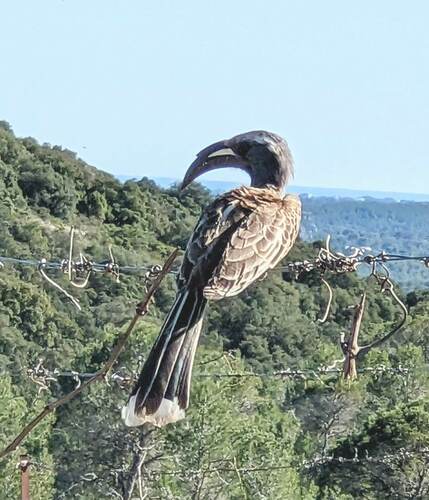
ハイイロコサイチョウ (Lophoceros nasutus) ハイイロコサイチョウ
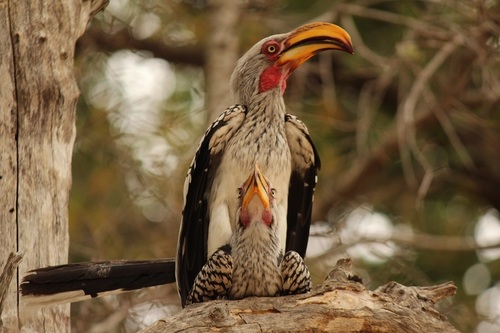
ミナミキバシコサイチョウ (Tockus leucomelas) ミナミキバシコサイチョウ

メディア

読み込み中…

要点

アフリカハイイロコサイチョウとミナミキバシコサイチョウの最も信頼できるフィールドマークはくちばしです:アフリカハイイロコサイチョウは、暗く、細長く、わずかに下向きのくちばしを持ち、小さなカスケと淡いマーキング(オス)があります。一方、ミナミキバシコサイチョウは、巨大で明るい黄色のくちばしを持ち、オスではより長く、目立つカスケがあります。飛行中、アフリカハイイロコサイチョウは、空中にいるときにのみ見える背中の白いラインを示しますが、ミナミキバシコサイチョウは、上部と下部に大胆に白い斑点とストライプが豊富にあります。アフリカハイイロコサイチョウの幼鳥は全体が暗いくちばしを持ち、混乱を引き起こすことがあります。両者はサイズが似ていますが、ミナミキバシコサイチョウはより重く、頑丈に見えます。生息地の重複は可能ですが、ミナミキバシコサイチョウはより地面に関連しており、アフリカハイイロコサイチョウは主に木の中で餌を食べます。

識別のコツ

  1. くちばしの色と形:アフリカハイイロコサイチョウは、暗く、細長く、わずかに下向きのくちばしを持ち、小さなカスケがあります。オスはクリーミーイエローのマークやストライプを示し、メスは三色の赤い先端の顎を持っています。ミナミキバシコサイチョウは、巨大で明るい黄色の下向きのくちばしを持ち、オスではより長いカスケがあります。これは成鳥にとって最も信頼できるフィールドマークです。
  2. 幼鳥のくちばし:幼鳥のアフリカハイイロコサイチョウは全体が暗いくちばしを持ち、成鳥の淡いまたは三色のマークが欠けています。これにより他のコサイチョウと混同されることがありますが、全体的に細長い灰色の外観が役立ちます。
  3. 羽毛パターン:ミナミキバシコサイチョウは大胆に白と黒の斑点があり、白い腹、黒い背中、翼と尾に豊富な白い斑点とストライプがあります。アフリカハイイロコサイチョウは、全体的に地味な灰色がかった茶色で、頭頂の両側に白いラインがあり、背中にも白いラインがあります(飛行中にのみ見えます)。
  4. 飛行時の視点:飛行中、アフリカハイイロコサイチョウは白い背中のラインを示すことがありますが、その他は地味に見えます。ミナミキバシコサイチョウは、上部と下部で目立つ白と黒のコントラストがあり、印象的に見えます。
  5. 顔の皮膚と目:ミナミキバシコサイチョウは黄色い目と目の周りのピンクがかった皮膚、頬のストライプを持っています。アフリカハイイロコサイチョウの顔はあまりカラフルではありません。
  6. 体の構造:ミナミキバシコサイチョウは、より大きく、重く、くちばしは体長の最大1/6までになります。アフリカハイイロコサイチョウは、より細長く、頑丈ではありません。
  7. 行動:ミナミキバシコサイチョウは、地面で餌を探しているのがよく見られ、歩いたり跳ねたりしますが、アフリカハイイロコサイチョウは主に木の中で餌を食べ、より樹上性です。
  8. 生息地:ミナミキバシコサイチョウは、乾燥したトーンヴェルドや乾燥した森林に関連していますが、アフリカハイイロコサイチョウは、オープンな森林やサバンナを好み、しばしば樹冠の中にいます。
  9. 飛行スタイル:アフリカハイイロコサイチョウは、波打つような飛行をしますが、ミナミキバシコサイチョウは、強力な翼の羽ばたきと短い滑空を交互に行います。
  10. 翼の下のパターン:ミナミキバシコサイチョウは翼の下の覆い羽が欠けており、飛行中に翼の下がより開いて見えたり、パターンが少なく見えたりすることがありますが、これは微妙です。
  11. 尾:両者とも長い尾を持っていますが、ミナミキバシコサイチョウの尾は斑点のパターンのためによりコントラストが強いです。
  12. 性差:両種とも、オスはより大きなくちばしと目立つカスケを持っていますが、重複があります。くちばしの色はアフリカハイイロコサイチョウの性別を示すより信頼できる指標です(オスはクリーミーイエローのマーク、メスは三色で赤い先端)。
  13. 鳴き声:もし「ピーオ ピーオ ピーオ」という鳴き声を聞いたら、それはアフリカハイイロコサイチョウです。
  14. 文脈:もし鳥が樹冠で餌を食べているのが見られたら、特に混合森林で、アフリカハイイロコサイチョウの可能性が高いです。乾燥したトーンヴェルドの地面にいる場合は、ミナミキバシコサイチョウの可能性が高いです。
  15. 落とし穴:全体が暗いくちばしを持つ未成熟のアフリカハイイロコサイチョウは誤認されることがありますが、全体的に地味な灰色の羽毛と樹上性の習性を見て、大胆に白と黒の斑点のある地面で餌を探すミナミキバシコサイチョウと区別してください。

大きさ

両種は長さが似ています(アフリカハイイロコサイチョウ:45–51 cm;ミナミキバシコサイチョウ:48–60 cm)が、ミナミキバシコサイチョウはより重く(平均成体質量約190 g)見え、特にその巨大なくちばしのために頑丈に見えます。アフリカハイイロコサイチョウは小型のコサイチョウの一つで、全体的に細長く、頑丈ではありません。くちばしのサイズが違いを誇張します:ミナミキバシコサイチョウのくちばしは体長の最大1/6までになりますが、アフリカハイイロコサイチョウのくちばしは相対的に小さく、細長いです。

羽色

幼鳥のアフリカハイイロコサイチョウは均一に暗いくちばしを持ち、成鳥の淡いまたは三色のマークが欠けており、遠くから見ると他のコサイチョウに似て見えることがあります。両性の成鳥は主に灰色がかった茶色ですが、アフリカハイイロコサイチョウは全体的に地味で、頭頂の両側に白いラインがあり、背中にも白いラインがあります(後者は飛行中にのみ見えます)。ミナミキバシコサイチョウは、白い腹、灰色の首、黒い背中、特に翼と尾に豊富な白い斑点とストライプがあり、非常に目を引く斑点があります。ミナミキバシコサイチョウは翼の下の覆い羽が欠けており、飛行中に翼の下がより開いて見えたり、パターンが少なく見えたりすることがあります。両者とも長い尾を持っていますが、ミナミキバシコサイチョウの尾は斑点のパターンのためによりコントラストが強いことがよくあります。目の色は通常、ミナミキバシコサイチョウでは黄色で、目の周りの皮膚と頬のストライプはピンクがかっています。アフリカハイイロコサイチョウの顔の皮膚はあまりカラフルではありません。

行動

アフリカハイイロコサイチョウは主に木の中で餌を食べ、波打つような飛行で移動し、高いところに止まることが多いです。ミナミキバシコサイチョウはより地上性で、主に地面で種子や無脊椎動物を探し、強力な羽ばたきと短い滑空を交互に行います。両種とも木の空洞に巣を作り、メスは自分自身を中に閉じ込めますが、ミナミキバシコサイチョウは崖や土手を使用することもあります。ミナミキバシコサイチョウは地面を歩いたり跳ねたりしているのがよく見られますが、アフリカハイイロコサイチョウはより樹上性です。

生息環境

アフリカハイイロコサイチョウは、サハラ以南のアフリカの広い範囲でオープンな森林やサバンナを好み、しばしば樹冠や亜樹冠に留まります。ミナミキバシコサイチョウは南アフリカの乾燥したトーンヴェルドや広葉樹林の一般的な住民であり、特に地面で乾燥した、よりオープンな生息地で見られる可能性が高いです。範囲が重なることはありますが、ミナミキバシコサイチョウは一般的に乾燥したおよび半乾燥した地域に関連しています。

声

アフリカハイイロコサイチョウは、特徴的でしばしば繰り返される「ピーオ ピーオ ピーオ」という鳴き声で自らの存在を知らせます。提供されたメモには、ミナミキバシコサイチョウの特定の鳴き声は記載されていないため、アフリカハイイロコサイチョウの鳴き声が聞こえない限り、鳴き声は信頼できる区別にはなりません。

より良い説明を送る

比較と同じ項目を使ってください。文章はすぐに公開されます。

The most reliable field mark between African Grey Hornbill and Southern Yellow-billed Hornbill is the bill: African Grey has a dark, slender, slightly decurved bill with a small casque and pale markings (males), while Southern Yellow-billed has a massive, bright yellow bill with a longer, more prominent casque in males. In flight, African Grey shows a white line down the back visible only when airborne, while Southern Yellow-billed is boldly pied above and below with abundant white spots and stripes. Juveniles of African Grey have all-dark bills, which can cause confusion. Both are similar in size, but Southern Yellow-billed appears heavier and more robust. Habitat overlap is possible, but Southern Yellow-billed is more ground-oriented, while African Grey feeds mainly in trees.

  1. Bill color and shape: African Grey Hornbill has a dark, slender, slightly decurved bill with a small casque; males show a creamy-yellow mark or stripe, females have tricolored, red-tipped mandibles. Southern Yellow-billed Hornbill has a massive, bright yellow, down-curved bill with a longer casque in males. This is the single most reliable field mark for adults.
  2. Juvenile bill: Juvenile African Grey Hornbills have all-dark bills, lacking the pale or tricolored marks of adults. This can cause confusion with other hornbills, but the overall slim, grey appearance still helps.
  3. Plumage pattern: Southern Yellow-billed Hornbill is boldly pied, with a white belly, black back, and abundant white spots and stripes on wings and tail. African Grey is plainer grey-brown, with a white line down each side of the crown and a white line down the back (visible in flight).
  4. Flight view: In flight, African Grey Hornbill may show the white back line, but otherwise looks plain. Southern Yellow-billed Hornbill appears strikingly pied above and below, with contrasting white and black.
  5. Facial skin and eye: Southern Yellow-billed Hornbill has yellow eyes and pinkish skin around the eyes and malar stripe; African Grey's face is less colorful.
  6. Body structure: Southern Yellow-billed Hornbill is bulkier and heavier, with a bill that can be up to 1/6th of its body length. African Grey is more slender and less robust.
  7. Behavior: Southern Yellow-billed Hornbill is often seen foraging on the ground, walking or hopping, while African Grey Hornbill feeds mainly in trees and is more arboreal.
  8. Habitat: Southern Yellow-billed is more associated with dry thornveld and arid woodlands; African Grey prefers open woodland and savannah, often in the canopy.
  9. Flight style: African Grey flies with undulating flight; Southern Yellow-billed alternates powerful wingbeats with short glides.
  10. Underwing pattern: Southern Yellow-billed lacks underwing coverts, which may make the underwing appear more open or less patterned in flight, but this is subtle.
  11. Tail: Both have long tails, but Southern Yellow-billed's is more contrasting due to the pied pattern.
  12. Sex differences: In both species, males have larger bills and more prominent casques, but there is overlap. Bill color is a more reliable sex indicator in African Grey (males with creamy-yellow mark, females tricolored with red tip).
  13. Vocalization: If you hear a piping 'pee-o pee-o pee-o' call, it's African Grey Hornbill.
  14. Context: If the bird is seen feeding in the canopy, especially in a mixed woodland, African Grey is more likely; if on the ground in arid thornveld, Southern Yellow-billed is more likely.
  15. Pitfalls: Immature African Grey Hornbills with all-dark bills can be misidentified, but look for the overall plain grey plumage and arboreal habits to separate from the boldly pied, ground-foraging Southern Yellow-billed.

Both species are similar in length (African Grey Hornbill: 45–51 cm; Southern Yellow-billed Hornbill: 48–60 cm), but Southern Yellow-billed is heavier (mean adult mass ~190 g) and appears bulkier, especially due to its massive bill. African Grey is one of the smaller hornbills, appearing more slender and less robust overall. Bill size exaggerates the difference: Southern Yellow-billed's bill can be up to 1/6th of its body length, while African Grey's is proportionally smaller and slimmer.

Juvenile African Grey Hornbills have uniformly dark bills, lacking the pale or tricolored marks of adults, which can make them superficially resemble other hornbills at a distance. Adults of both sexes are mostly grey-brown, but African Grey is plainer overall, with a white line down each side of the crown and another down the back (the latter visible only in flight). Southern Yellow-billed Hornbill is much more strikingly pied: white belly, grey neck, black back, and abundant white spots and stripes, especially on the wings and tail. The Southern Yellow-billed lacks underwing coverts, which may make the underwing appear more open or less patterned in flight. Both have long tails, but Southern Yellow-billed's is often more contrasting due to the pied pattern. Eye color is usually yellow in Southern Yellow-billed, with pinkish skin around the eyes and malar stripe; African Grey's facial skin is less colorful.

African Grey Hornbill feeds mainly in trees, moving with undulating flight and often perching high. Southern Yellow-billed Hornbill is more terrestrial, foraging mostly on the ground for seeds and invertebrates, and flies with powerful wingbeats alternating with short glides. Both species nest in tree cavities, with females sealing themselves inside, but Southern Yellow-billed may also use cliffs or earth banks. Southern Yellow-billed is often seen walking or hopping on the ground, while African Grey is more arboreal.

African Grey Hornbill prefers open woodland and savannah across much of sub-Saharan Africa, often staying in the canopy or subcanopy. Southern Yellow-billed Hornbill is a common resident of dry thornveld and broad-leafed woodlands in southern Africa, and is more likely to be seen in drier, more open habitats, especially on the ground. While ranges can overlap, Southern Yellow-billed is generally more associated with arid and semi-arid regions.

African Grey Hornbill advertises its presence with a piping 'pee-o pee-o pee-o' call, which is distinctive and often repeated. No specific vocalization is described for Southern Yellow-billed Hornbill in the provided notes, so call is not a reliable separator unless African Grey's piping call is heard.

変更を破棄しますか?

保存していない編集があります。今離れると失われます。

ハイイロコサイチョウ · ミナミキバシコサイチョウ · 苦手な鳥