

Motmot

アフリカアオバト 対 クリムネサケイ

Treron calvus 対 Pterocles namaqua

アフリカアオバトとクリムネサケイのクイズ
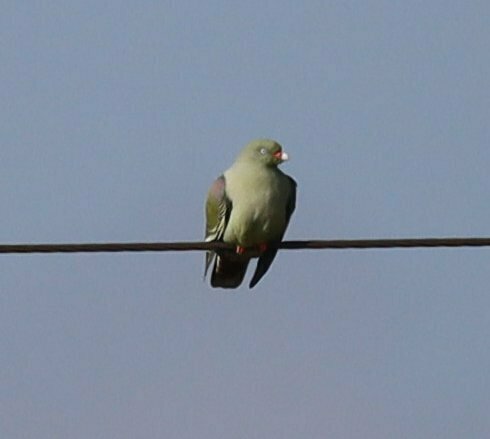
アフリカアオバト (Treron calvus) アフリカアオバト
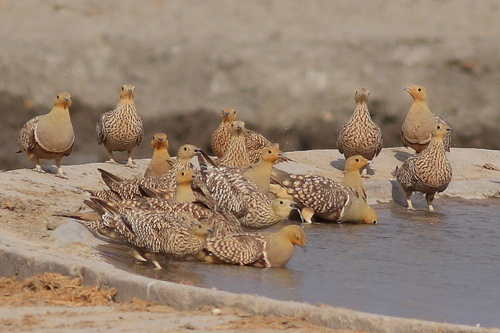
クリムネサケイ (Pterocles namaqua) クリムネサケイ

メディア

読み込み中…

要点

アフリカアオバトとクリムネサケイを区別する最も信頼できるフィールドマークは、全体的な緑がかった羽毛とマルーンの翼の斑点(成鳥のアオバト)と、隠れた砂色の茶色、白い斑点のある上面、そして2本の長い黒い尾のフィラメント(オスのサケイ)の組み合わせです。幼鳥のアオバトは上面がオリーブ色でマルーンの翼の斑点がなく、依然として緑がかって見え、サケイの斑点模様や尾のストリーマーはありません。構造と行動も非常に特徴的です:アオバトは樹上性でオウムのように登るのに対し、サケイは地面に住み、ふっくらとした短い脚の外見を持っています。生息地は強い手がかりです—アオバトは水の近くの木に生息し、サケイは乾燥した開けた国にいます。

識別のコツ

  1. Juvenile/immature plumage: 幼鳥のアフリカアオバトは上面がオリーブ色で、成鳥のマルーンの翼の斑点がなく、全体的に緑がかって見え、サケイの斑点のある茶色と白の模様や尾のフィラメントは決して示しません。幼鳥のサケイは隠れた茶色で白い斑点があり、決して緑がかっていません。
  2. Adult wing pattern: 成鳥のアオバトは上翼にマルーンの斑点があり、止まっている時や飛んでいる時に見えます。サケイは翼にマルーンを示しません。
  3. Tail shape: オスのクリムネサケイは2本の長い黒いフィラメント状の尾のストリーマーを持ち、飛んでいる時や地面にいる時に独特で見えます。アオバトはストリーマーのない短く丸い尾を持っています。
  4. Overall color: アオバトは上面が緑がかってから黄色がかった緑で、黄色い太ももと赤い足/くちばし(くちばしの先は白い)を持っています。サケイは上面が砂色から茶色で、白い斑点が多く、決して緑がかっていません。
  5. Head and chest pattern (male sandgrouse): オスはオレンジがかったバフの頭、喉、胸を持ち、狭い白と暗茶色の帯で鮮やかに区切られています。この模様を示すアオバトはいません。
  6. Leg and foot color: アオバトは黄色い太ももと赤い足を持ち、止まっている時にしばしば見えます。サケイの脚は短く、明るい色ではありません。
  7. Bill: アオバトのくちばしは赤で白い先端があります;サケイは小さく目立たないくちばしを持っています。
  8. Posture and structure: アオバトは木の中で直立して止まり、しばしば樹冠の高い位置にいて、枝の間を敏捷に動きます。サケイは常に地面にいて、ふっくらとした低いプロファイルと短い脚を持っています。
  9. Flight style: アオバトは木の間を強く直接的に飛びますが、通常は止まっているか登っているのが見られます。サケイは開けた国を速く直接的に飛び、しばしば水の方へ向かいます。
  10. Habitat: アオバトは特に果実を実らせる木の近くの森林地域に生息し、サケイは開けた乾燥した風景に生息し、森林や密な林には決していません。
  11. Feeding behavior: アオバトは木の中で果物を食べ、地面ではめったに食べません。サケイは地面で種を探します。
  12. Voice: アオバトの鳴き声は流れるような口笛で('thweeeloo, thweeeoo');サケイの鳴き声はここでは説明されていませんが、アオバトの口笛とは全く異なる短く切り取られた呼び声を持っています。
  13. Group behavior: サケイはしばしば群れで集まり、特に水の近くで;アオバトは小さな群れにいることがありますが、あまり群れを作りません。
  14. Sex differences: オスのサケイは雌や幼鳥よりも目立つ模様を持っています;アオバトは性的二形性が少ないです。
  15. Common pitfalls: マルーンの翼の斑点がない未熟なアオバトは鈍く見えるかもしれませんが、サケイの斑点模様や尾のストリーマーを決して示しません。サケイは、たとえ最も緑がかっていても、決して本当に緑や黄色がかっていることはなく、決して木に止まることはありません。

大きさ

アフリカアオバトはクリムネサケイ(176g)よりもわずかに重い(202.5g)ですが、どちらも中型の鳥で、距離があると体格が似て見えることがあります。サケイは約28 cmの長さに達しますが、アオバトのよりコンパクトで樹上性の体型は、サケイのより長くふっくらとした地面に住むプロファイルと対照的です。フィールドでは、サイズよりもジズと構造が区別に役立ちます。

羽色

幼鳥のアフリカアオバトは上面がオリーブ色で、成鳥のマルーンの翼の斑点がなく、均一な緑がかった色合いと黄色い太もも、赤い足と白い先端のくちばしを持っています。成鳥は灰色から黄色がかった緑の上面、黄色い太もも、上翼に特徴的なマルーンの斑点を持っています。それに対して、クリムネサケイのオスはオレンジがかったバフの頭、喉、胸を持ち、狭い白と暗茶色の帯で鮮やかに区切られ、背中と翼は茶色のまだら模様と大きな白い斑点を持ち、さらに2本の長い黒い尾のフィラメントがあります。雌と幼鳥はより隠れた色合いで、茶色と白の斑点のある上面を持っていますが、決して緑がかっていたりマルーンではありません。サケイの年齢や性別は緑やマルーンを示さず、アオバトはサケイのような斑点模様や尾のストリーマーを示しません。

行動

アフリカアオバトはほぼ常に木の中で見られ、しばしば樹冠の高い位置にいて、オウムのような敏捷性で果物に到達します。彼らはめったに地面に降りません。クリムネサケイは厳密に地面に住み、通常は開けた地面を歩いたり走ったりしているのが見られ、しばしば群れで、決して木に登ることはありません。彼らの飛行は直接的で速く、しばしば群れで飛び、水のために長距離を飛ぶことがあります。行動だけでも、よく見れば彼らを区別するのに十分です。

生息環境

アフリカアオバトは河川林、森林、サバンナ、さらには都市公園に見られ、常に果実を実らせる木に関連しています。クリムネサケイは南西アフリカの乾燥した開けた地域—砂漠、準砂漠、乾燥した平原に生息し、密な森林や林から遠く離れています。果実を実らせるイチジクの木にいる場合はアオバトを期待し、乾燥した開けた国にいる場合はサケイの方がはるかに可能性が高いです。

声

アフリカアオバトは一連の流れるような口笛を出し、'thweeeloo, thweeeoo'と表現されます。これらのメモにはクリムネサケイの鳴き声は説明されていませんが、サケイは一般的にアオバトの口笛とは全く異なる短く切り取られた呼び声を持っています。メロディックな口笛が聞こえた場合、それはアオバトを指し示します。

より良い説明を送る

比較と同じ項目を使ってください。文章はすぐに公開されます。

The most reliable field mark to separate African Green-Pigeon from Namaqua Sandgrouse is the combination of overall greenish plumage with maroon wing patches (adult green-pigeon) versus cryptic sandy-brown, white-speckled upperparts and two long black tail filaments (male sandgrouse). Juvenile green-pigeons are olive above and lack the maroon wing patch, but still appear greenish and lack the sandgrouse's speckled pattern and tail streamers. Structure and behavior are also highly distinctive: green-pigeons are arboreal, parrot-like climbers, while sandgrouse are ground-dwelling with a plump, short-legged look. Habitat is a strong clue—green-pigeons are in trees near water, sandgrouse in dry open country.

  1. Juvenile/immature plumage: Juvenile African Green-Pigeons are olive above, lack the adult maroon wing patch, but still appear greenish overall and never show the sandgrouse's speckled brown-and-white pattern or tail filaments. Juvenile sandgrouse are cryptic brown with white specks, never greenish.
  2. Adult wing pattern: Adult green-pigeons have a maroon patch on the upperwing, visible when perched or in flight. Sandgrouse never show maroon on the wing.
  3. Tail shape: Male Namaqua Sandgrouse have two long, black, filamentous tail streamers—unique and visible in flight or on the ground. Green-pigeons have a short, rounded tail with no streamers.
  4. Overall color: Green-pigeons are greenish to yellowish-green above, with yellow thighs and red feet/bill (bill tipped white). Sandgrouse are sandy to brown above, heavily speckled with white, and never greenish.
  5. Head and chest pattern (male sandgrouse): Males have orangish-buff head, throat, and chest, sharply separated by a narrow white and dark brown band. No green-pigeon shows this pattern.
  6. Leg and foot color: Green-pigeon has yellow thighs and red feet, often visible when perched. Sandgrouse legs are short and not brightly colored.
  7. Bill: Green-pigeon’s bill is red with a white tip; sandgrouse has a small, inconspicuous bill.
  8. Posture and structure: Green-pigeons perch upright in trees, often high in the canopy, and move with agility among branches. Sandgrouse are always on the ground, with a plump, squat profile and short legs.
  9. Flight style: Green-pigeons fly between trees with strong, direct flight but are usually seen perching or climbing. Sandgrouse fly in fast, direct flocks over open country, often to water.
  10. Habitat: Green-pigeons are in wooded areas, especially near fruiting trees; sandgrouse are in open, arid landscapes, never in forest or dense woodland.
  11. Feeding behavior: Green-pigeons feed on fruit in trees, rarely on the ground. Sandgrouse forage on the ground for seeds.
  12. Voice: Green-pigeon’s call is a flowing whistle ('thweeeloo, thweeeoo'); sandgrouse calls are not described here but are not whistled.
  13. Group behavior: Sandgrouse often gather in flocks, especially at water; green-pigeons may be in small groups but are less gregarious.
  14. Sex differences: Male sandgrouse are more strikingly marked than females or juveniles; green-pigeons are less sexually dimorphic.
  15. Common pitfalls: Immature green-pigeons lacking maroon wing patches may seem dull, but will never show sandgrouse’s speckled pattern or tail streamers. Sandgrouse, even at their greenest, are never truly green or yellowish, and never perch in trees.

African Green-Pigeon is slightly heavier (202.5g) than Namaqua Sandgrouse (176g) [wikidata], but both are medium-sized birds and can appear similar in bulk at a distance. Sandgrouse reach about 28 cm in length, but the green-pigeon’s more compact, arboreal build contrasts with the sandgrouse’s longer, plumper, ground-dwelling profile. In the field, jizz and structure are more useful than size for separation.

Juvenile African Green-Pigeons are olive above and lack the adult's maroon wing patch, but still show a uniform greenish cast and yellow thighs, with red feet and bill tipped white. Adults have grayish- to yellowish-green upperparts, yellow thighs, and distinctive maroon patches on the upperwing. In contrast, Namaqua Sandgrouse males have orangish-buff head, throat, and chest, sharply separated by a narrow white and dark brown band, with back and wings mottled brown and large white specks, plus two long black tail filaments. Females and juveniles are more cryptic, with brown and white-speckled upperparts but never greenish or maroon. No age or sex of sandgrouse shows green or maroon, and no green-pigeon shows sandgrouse-like speckling or tail streamers.

African Green-Pigeons are almost always seen in trees, often high in the canopy, moving with parrot-like agility to reach fruit. They rarely come to the ground. Namaqua Sandgrouse are strictly ground-dwelling, usually seen walking or running on open ground, often in groups, and never climbing in trees. Their flight is direct and fast, often in flocks, and they may fly long distances to water. Behavior alone is often enough to separate them if seen well.

African Green-Pigeon is found in riparian forest, woodland, savanna, and even urban parks, always associated with fruiting trees. Namaqua Sandgrouse inhabits arid, open regions of southwestern Africa—deserts, semi-deserts, and dry plains, far from dense woodland or forest. If you are in a fruiting fig tree, expect green-pigeon; if you are in dry, open country, sandgrouse is far more likely.

African Green-Pigeon gives a series of flowing whistles, described as 'thweeeloo, thweeeoo'. No vocalization is described for Namaqua Sandgrouse in these notes, but sandgrouse generally have short, clipped calls quite unlike the green-pigeon’s whistles. If you hear a melodious whistle, it points to green-pigeon.

変更を破棄しますか?

保存していない編集があります。今離れると失われます。

アフリカアオバト · クリムネサケイ · 苦手な鳥