

African Green-Pigeon vs Namaqua Sandgrouse
Treron calvus contro Pterocles namaqua
Fai un quiz con African Green-Pigeon e Namaqua Sandgrouse
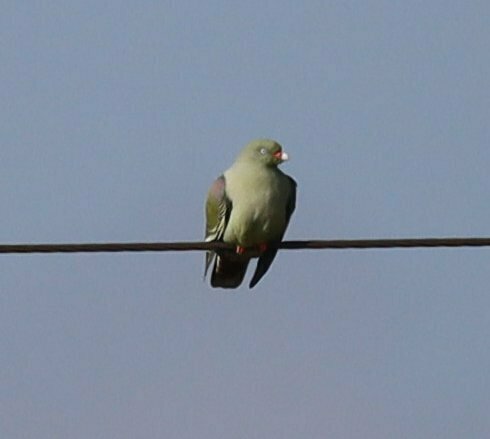 African Green-Pigeon
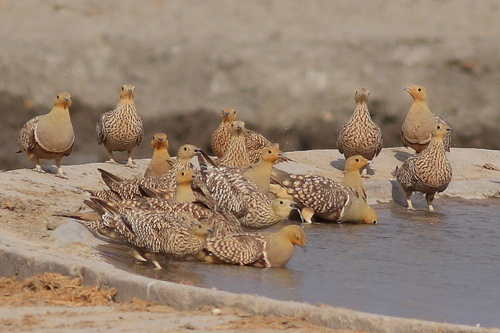 Namaqua Sandgrouse
In breve
Il segno distintivo più affidabile per separare l'African Green-Pigeon dal Namaqua Sandgrouse è la combinazione di piumaggio complessivamente verdastro con macchie di ali color marrone (pigeon verde adulto) rispetto a parti superiori criptiche di colore sabbia-marrone, macchiate di bianco e due lunghi filamenti neri della coda (maschio sandgrouse). I giovani green-pigeon sono di colore oliva sopra e mancano della macchia di ali marrone, ma appaiono comunque verdastri e non mostrano il motivo macchiato e i filamenti della coda del sandgrouse. La struttura e il comportamento sono anche altamente distintivi: i green-pigeon sono arrampicatori arboricoli simili a pappagalli, mentre i sandgrouse sono terrestri con un aspetto paffuto e gambe corte. L'habitat è un indizio forte: i green-pigeon si trovano sugli alberi vicino all'acqua, i sandgrouse in campi aperti asciutti.
Consigli di identificazione
- Juvenile/immature plumage: I giovani African Green-Pigeons sono di colore oliva sopra, mancano della macchia di ali marrone dell'adulto, ma appaiono comunque verdastri nel complesso e non mostrano mai il motivo macchiato marrone e bianco del sandgrouse o i filamenti della coda. I giovani sandgrouse sono di colore marrone criptico con macchie bianche, mai verdastri.
- Adult wing pattern: I green-pigeon adulti hanno una macchia marrone sulla parte superiore dell'ala, visibile quando sono posati o in volo. I sandgrouse non mostrano mai marrone sull'ala.
- Tail shape: I maschi Namaqua Sandgrouse hanno due lunghi filamenti neri della coda—unici e visibili in volo o a terra. I green-pigeon hanno una coda corta e arrotondata senza filamenti.
- Overall color: I green-pigeon sono di colore verdastro a verde-giallastro sopra, con cosce gialle e piedi/becco rossi (becco con punta bianca). I sandgrouse sono di colore sabbia a marrone sopra, pesantemente macchiati di bianco, e mai verdastri.
- Head and chest pattern (male sandgrouse): I maschi hanno testa, gola e petto di colore arancione-buff, nettamente separati da una stretta banda bianca e marrone scuro. Nessun green-pigeon mostra questo motivo.
- Leg and foot color: Il green-pigeon ha cosce gialle e piedi rossi, spesso visibili quando è posato. Le gambe del sandgrouse sono corte e non di colore brillante.
- Bill: Il becco del green-pigeon è rosso con una punta bianca; il sandgrouse ha un becco piccolo e poco appariscente.
- Posture and structure: I green-pigeon si posano eretti sugli alberi, spesso in alto nella chioma, e si muovono con agilità tra i rami. I sandgrouse sono sempre a terra, con un profilo paffuto e tozzo e gambe corte.
- Flight style: I green-pigeon volano tra gli alberi con un volo forte e diretto ma sono di solito visti posati o arrampicati. I sandgrouse volano in stormi veloci e diretti sopra il paese aperto, spesso verso l'acqua.
- Habitat: I green-pigeon si trovano in aree boschive, specialmente vicino ad alberi da frutto; i sandgrouse si trovano in paesaggi aperti e aridi, mai in foreste o boschi fitti.
- Feeding behavior: I green-pigeon si nutrono di frutta sugli alberi, raramente a terra. I sandgrouse cercano cibo a terra per semi.
- Voice: Il richiamo del green-pigeon è un fischio fluente ('thweeeloo, thweeeoo'); i richiami del sandgrouse non sono descritti qui ma non sono fischiati.
- Group behavior: I sandgrouse spesso si radunano in stormi, specialmente vicino all'acqua; i green-pigeon possono essere in piccoli gruppi ma sono meno gregari.
- Sex differences: I maschi sandgrouse sono più distintivi rispetto alle femmine o ai giovani; i green-pigeon sono meno dimorfici sessualmente.
- Common pitfalls: I green-pigeon immaturi privi di macchie di ali marrone possono sembrare opachi, ma non mostreranno mai il motivo macchiato o i filamenti della coda del sandgrouse. I sandgrouse, anche nel loro verde più intenso, non sono mai veramente verdi o giallastri, e non si posano mai sugli alberi.
Taglia
L'African Green-Pigeon è leggermente più pesante (202.5g) del Namaqua Sandgrouse (176g) [wikidata], ma entrambi sono uccelli di dimensioni medie e possono apparire simili in volume a distanza. I sandgrouse raggiungono circa 28 cm di lunghezza, ma la struttura più compatta e arboricola del green-pigeon contrasta con il profilo più lungo e paffuto del sandgrouse, terrestre. Sul campo, il jizz e la struttura sono più utili della dimensione per la separazione.
Piumaggio
I giovani African Green-Pigeons sono di colore oliva sopra e mancano della macchia di ali marrone dell'adulto, ma mostrano comunque una tonalità verdastra uniforme e cosce gialle, con piedi rossi e becco con punta bianca. Gli adulti hanno parti superiori grigio-verdastre a giallo-verdastre, cosce gialle e distintive macchie marroni sulla parte superiore dell'ala. Al contrario, i maschi Namaqua Sandgrouse hanno testa, gola e petto di colore arancione-buff, nettamente separati da una stretta banda bianca e marrone scuro, con schiena e ali macchiate di marrone e grandi macchie bianche, oltre a due lunghi filamenti neri della coda. Le femmine e i giovani sono più criptici, con parti superiori marroni e macchiate di bianco ma mai verdastri o marroni. Nessuna età o sesso di sandgrouse mostra verde o marrone, e nessun green-pigeon mostra macchie o filamenti simili a quelli del sandgrouse.
Comportamento
Gli African Green-Pigeons sono quasi sempre visti sugli alberi, spesso in alto nella chioma, muovendosi con agilità simile a quella dei pappagalli per raggiungere la frutta. Raramente scendono a terra. I Namaqua Sandgrouse sono strettamente terrestri, di solito visti camminare o correre su terreno aperto, spesso in gruppi, e mai arrampicarsi sugli alberi. Il loro volo è diretto e veloce, spesso in stormi, e possono volare per lunghe distanze verso l'acqua. Il comportamento da solo è spesso sufficiente per separarli se visti bene.
Habitat
L'African Green-Pigeon si trova in foreste ripariali, boschi, savane e persino parchi urbani, sempre associato ad alberi da frutto. Il Namaqua Sandgrouse abita regioni aride e aperte del sud-ovest dell'Africa—deserti, semi-deserti e pianure asciutte, lontano da boschi fitti o foreste. Se ti trovi in un albero di fico da frutto, aspettati un green-pigeon; se sei in un paese aperto e secco, il sandgrouse è molto più probabile.
Voce
L'African Green-Pigeon emette una serie di fischi fluenti, descritti come 'thweeeloo, thweeeoo'. Nessuna vocalizzazione è descritta per il Namaqua Sandgrouse in queste note, ma i sandgrouse generalmente hanno richiami brevi e tagliati molto diversi dai fischi del green-pigeon. Se senti un fischio melodioso, indica un green-pigeon.
African Green-Pigeon · Namaqua Sandgrouse · I miei uccelli difficili