

Motmot

アフリカヘビウ 対 カワウ

Anhinga rufa 対 Phalacrocorax carbo

アフリカヘビウとカワウのクイズ
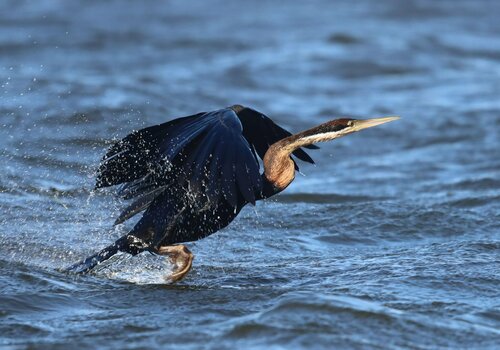
アフリカヘビウ (Anhinga rufa) アフリカヘビウ
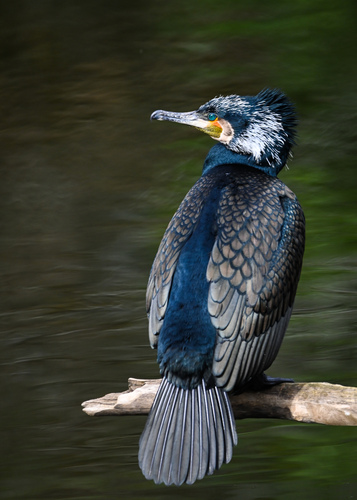
カワウ (Phalacrocorax carbo) カワウ

メディア

読み込み中…

要点

アフリカヘビウとカワウの間で最も信頼できるフィールドマークは、アフリカヘビウの非常に長く細い首と鋭く尖ったくちばし、そして首の側面に沿って走る大胆な白いストライプで、赤褐色の背景に対して設定されています—すべての羽毛で特に目立ちます。対照的に、カワウはずんぐりした重い鳥で、太くフック状のくちばし、短い首、そしてくちばしの基部に黄色または赤の喉の斑点があります。未熟なカワウは混乱を招くことがありますが、ヘビウの首の形状とストライプ、そして水面上に首だけを出して泳ぐ習性は独特です。両種は翼を広げて止まっているのが見られることがありますが、その構造とくちばしの形状は明確な区別要因です。

識別のコツ

  1. Neck shape and length: アフリカヘビウは非常に長く細い首を持ち、カワウのものよりもはるかに長くスリムです。これはすべての姿勢と年齢で見ることができます。
  2. Neck stripe: ヘビウは赤褐色の背景に沿って首の側面に細く明るい白いストライプを示します(すべての年齢/性別)。カワウはこのマークを示しません。
  3. Bill shape: ヘビウのくちばしは細く、まっすぐで鋭く尖っています;カワウのくちばしは太く、重く、先端がフック状で、基部に黄色または赤の喉の斑点があります。
  4. Swimming posture: ヘビウはしばしば水面上に首だけを出して泳ぎ、「ヘビ」のように見えます;カワウは体の多くが見える状態で泳ぎます。
  5. Wing drying posture: 両者は翼を広げて乾かしますが、ヘビウの翼と体はスリムで、首は長く細いままです;カワウはずんぐりして見え、短く太い首を持っています。
  6. Tail shape: ヘビウの尾は長く、よりくさび形です;カワウの尾は短く、より丸みを帯びており、14本の尾羽があります(通常はフィールドで数えられませんが、尾の形は目に見えます)。
  7. Plumage gloss: カワウの成鳥は翼と尾に青銅から緑の虹色光沢を示し、体には紫の光沢があります、特に良い光の下で;ヘビウは光沢のある黒で白い筋(オス)または茶色(メス/未熟)です。
  8. Underparts in juveniles: 若いカワウは淡いまたは白っぽい腹部を持ち、2年目にはより茶色くなりますが、首のストライプは決して示しません。ヘビウの未熟個体は茶色がかっていますが、常に首のストライプを持っています。
  9. Gular patch: カワウはくちばしの基部に黄色または赤の裸の斑点(喉の皮膚)を持ち、近距離で見ることができます;ヘビウはこの特徴を欠いています。
  10. Eye color: 成鳥のカワウは深い海緑色の目を持ち;未熟個体は鈍い灰色です。ヘビウの目の色は強いフィールドマークではありません。
  11. Bill color: カワウのくちばしは先端が濃い灰色で、基部がより淡いです;ヘビウのくちばしは均一に淡く、鋭く尖っています。
  12. Flight silhouette: 飛行中のヘビウは長い首を持ち、細く尖ったくちばしと長い尾を持っているように見えます;カワウはずんぐりしており、短い首と太いくちばしを持っています。
  13. Size impression: カワウははるかに重くずんぐりしています;ヘビウは軽く、よりスリムですが、長さは似ています。
  14. Group size: カワウはしばしば大きな群れで見られます;ヘビウはより孤独または小さな群れで見られます。
  15. Habitat overlap: 両者は淡水の場所で一緒に見られますが、カワウは塩水/沿岸の水域でも見られる可能性が高いです。

大きさ

カワウはアフリカヘビウよりもかなり重く(成鳥の体重約2200g [wikidata])ずんぐりしています。カワウの体は頑丈で、太い首と重い胸を持ち、ヘビウはより細長く優雅で、明らかに細い首と体を持っています。直接比較すると、カワウはほぼ倍の質量に見えますが、全体の長さは似ています。

羽色

幼鳥と未熟な羽毛は混乱を招くことがありますが、アフリカヘビウ(すべての年齢)は赤褐色の背景に沿って首の側面に細く明るい白いストライプを示し、カワウにはこれが欠けています。ヘビウのオスは光沢のある黒で白い筋があります;メスと未熟個体は茶色がかっていますが、依然として首のストライプを示します。カワウの成鳥は黒で、翼と尾に青銅から緑の虹色光沢を示し、体には紫の光沢があり、繁殖期には太ももと頭/首に白い斑点があります。幼いカワウは淡いまたは白っぽい腹部を持ち、鈍い暗灰色の目を持ち、首のストライプは欠けています。カワウのくちばしは常に太くフック状で、黄色または赤の喉の斑点がありますが、ヘビウのくちばしは細く、まっすぐで尖っています。飛行中、両者は暗い翼を示しますが、カワウの翼はより広く、尾は短く丸みを帯びています;ヘビウの翼は狭く、尾は長く、よりくさび形です。

行動

両種はしばしば翼を広げて乾かしているのが見られますが、アフリカヘビウはしばしば水面上に首だけを出して泳ぎ、「ヘビ」のように見えます。カワウは体の多くが見える状態で泳ぎます。ヘビウの潜水は水を吸った羽毛によって助けられ、浮力が低く、より完全に沈むことができます。カワウはより群れを成し、大きな群れで見られることが多いですが、ヘビウは通常孤独または小さな群れで見られます。両者は水の近くの木に巣を作り、時には一緒にいますが、カワウはより大きなコロニーで見られる可能性が高いです。

生息環境

両種は淡水の湖、川、湿地の周りに生息し、一緒に見られることがあります。アフリカヘビウは主にサハラ以南のアフリカとイラクの一部に制限されていますが、カワウは旧世界全体と北アメリカの大西洋沿岸に広がっています。アフリカでは、両者は同じ生息地に見られますが、カワウは沿岸や塩水の水域、内陸でも見られる可能性が高いのに対し、ヘビウはより厳密に淡水に限定されています。

声

カワウはほとんど無音ですが、繁殖コロニーで喉の奥からの音を出します。アフリカヘビウには特に特徴的な声のフィールドマークは記載されておらず、声はフィールドでの信頼できる区別要因ではありません。

より良い説明を送る

比較と同じ項目を使ってください。文章はすぐに公開されます。

The most reliable field mark between African Darter and Great Cormorant is the African Darter’s extremely long, thin neck with a sharp, pointed bill and a bold white stripe running down the side of the neck, set against a rufous background—especially visible in all plumages. In contrast, Great Cormorant is a stockier, heavier bird with a thick, hooked bill, a shorter neck, and a yellow or red gular patch at the bill base. Immature cormorants can be confusing, but the darter’s neck shape and stripe, as well as its habit of swimming with just the neck above water, are distinctive. Both species may be seen perched with wings spread, but their structure and bill shape remain clear separators.

  1. Neck shape and length: African Darter has a strikingly long, thin neck—much longer and slimmer than the cormorant’s. This is visible in all postures and ages.
  2. Neck stripe: Darter shows a thin, bright white stripe down the side of the neck on a rufous background (all ages/sexes). Cormorant never shows this mark.
  3. Bill shape: Darter’s bill is thin, straight, and sharply pointed; cormorant’s is thick, heavy, and hooked at the tip, with a yellow or red gular patch at the base.
  4. Swimming posture: Darter often swims with only its neck above water, resembling a ‘snake’; cormorant swims with more of the body exposed.
  5. Wing drying posture: Both spread wings to dry, but darter’s wings and body are slimmer, and the neck remains long and thin; cormorant looks bulkier, with a shorter, thicker neck.
  6. Tail shape: Darter’s tail is longer and more wedge-shaped; cormorant’s is shorter and more rounded, with 14 tail feathers (not usually countable in the field, but tail shape is visible).
  7. Plumage gloss: Cormorant adults show bronze to green iridescence on wings and tail, and purple gloss on the body, especially in good light; darter is glossy black with white streaks (male) or brownish (female/immature).
  8. Underparts in juveniles: Young cormorants have pale to whitish underparts, browner in second year, but never show a neck stripe. Darter immatures are browner but always with the neck stripe.
  9. Gular patch: Cormorant has a yellow or red bare patch at the base of the bill (gular skin), visible at close range; darter lacks this feature.
  10. Eye color: Adult cormorants have deep sea-green eyes; juveniles are duller grey. Darter eye color is not a strong field mark.
  11. Bill color: Cormorant’s bill is dark grey at the tip, paler at the base; darter’s is uniformly pale and sharply pointed.
  12. Flight silhouette: Darter in flight looks long-necked, with a thin, pointed bill and long tail; cormorant is bulkier, with a shorter neck and thick bill.
  13. Size impression: Cormorant is much heavier and bulkier; darter is lighter and more slender, though similar in length.
  14. Group size: Cormorants are often in large flocks; darters are more solitary or in small groups.
  15. Habitat overlap: Both occur together at freshwater sites, but cormorant is more likely in brackish/coastal waters as well.

Great Cormorant is substantially heavier (adult body mass ~2200g [wikidata]) and bulkier than African Darter, which is long but much lighter and more slender overall. Cormorant’s body is robust, with a thick neck and heavy chest, while the darter is more elongated and graceful, with a noticeably thinner neck and body. In direct comparison, the cormorant appears almost double the mass, despite similar overall length.

Juvenile and immature plumages can cause confusion, but the African Darter (all ages) shows a thin, bright white stripe down the side of the neck on a rufous background, lacking in Great Cormorant. Darter males are glossy black with white streaks; females and immatures are browner but still show the neck stripe. Great Cormorant adults are black with bronze to green iridescence on wings and tail, and purple gloss on the body, with a white patch on the thigh and head/neck in breeding season. Juvenile cormorants have pale or whitish underparts and duller dark grey eyes, lacking any neck stripe. The cormorant’s bill is always thick and hooked with a yellow or red gular patch, while the darter’s is thin, straight, and pointed. In flight, both show dark wings, but the cormorant’s wings are broader and the tail is shorter and more rounded; the darter’s wings are narrower, and the tail is longer and more wedge-shaped.

Both species are often seen perched with wings spread to dry, but the African Darter frequently swims with only its neck above water, giving a ‘snake-like’ appearance. Cormorants swim with more of the body visible. Darter’s diving is aided by waterlogged feathers, making it less buoyant and able to submerge more completely. Cormorants are more gregarious, often seen in large flocks, while darters are usually solitary or in small groups. Both nest in trees near water, sometimes together, but cormorants are more likely to be found in larger colonies.

Both species occur around freshwater lakes, rivers, and wetlands, and may be seen together. African Darter is mostly restricted to sub-Saharan Africa and parts of Iraq, while Great Cormorant is widespread across the Old World and into the Atlantic coast of North America. In Africa, both can be found in the same habitats, but cormorants are more likely in coastal and brackish waters as well as inland, while darters are more strictly freshwater.

Great Cormorant is mostly silent but produces guttural noises at breeding colonies. No distinctive vocal field marks are described for African Darter, and voice is not a reliable separator in the field.

変更を破棄しますか?

保存していない編集があります。今離れると失われます。

アフリカヘビウ · カワウ · 苦手な鳥