

African Darter vs Cormorano
Anhinga rufa contro Phalacrocorax carbo
Fai un quiz con African Darter e Cormorano
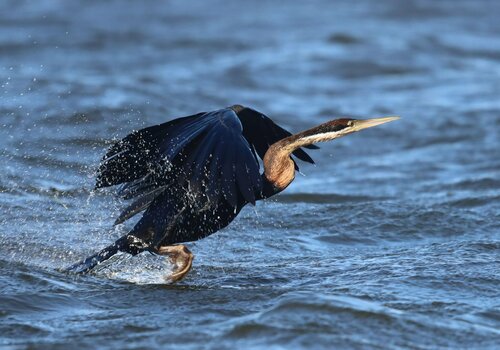 African Darter
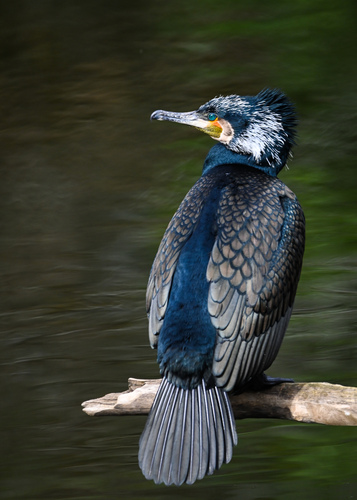 Cormorano
In breve
Il segno distintivo più affidabile tra African Darter e Cormorano è il collo estremamente lungo e sottile dell'African Darter, con un becco affilato e appuntito e una bold striscia bianca che corre lungo il lato del collo, impostata su uno sfondo ruggine—particolarmente visibile in tutte le livree. Al contrario, il Cormorano è un uccello più robusto e pesante, con un becco spesso e ricurvo, un collo più corto e una macchia gulare gialla o rossa alla base del becco. I cormorani immaturi possono essere confusi, ma la forma del collo e la striscia del darter, così come il suo comportamento di nuotare con solo il collo sopra l'acqua, sono distintivi. Entrambe le specie possono essere viste appollaiate con le ali spiegate, ma la loro struttura e forma del becco rimangono chiari separatori.
Consigli di identificazione
- Forma e lunghezza del collo: L'African Darter ha un collo straordinariamente lungo e sottile—molto più lungo e snello di quello del cormorano. Questo è visibile in tutte le posture e età.
- Striscia del collo: Il Darter mostra una sottile striscia bianca brillante lungo il lato del collo su uno sfondo ruggine (tutte le età/sessi). Il Cormorano non mostra mai questo segno.
- Forma del becco: Il becco del Darter è sottile, dritto e appuntito; quello del cormorano è spesso, pesante e ricurvo all'estremità, con una macchia gulare gialla o rossa alla base.
- Postura di nuoto: Il Darter nuota spesso con solo il collo sopra l'acqua, somigliando a un ‘serpente’; il cormorano nuota con più del corpo esposto.
- Postura di asciugatura delle ali: Entrambi spiegano le ali per asciugarsi, ma le ali e il corpo del darter sono più snelli, e il collo rimane lungo e sottile; il cormorano appare più massiccio, con un collo più corto e spesso.
- Forma della coda: La coda del Darter è più lunga e a forma di cuneo; quella del cormorano è più corta e più arrotondata, con 14 penne della coda (non solitamente conteggiabili sul campo, ma la forma della coda è visibile).
- Lucentezza della livrea: Gli adulti del Cormorano mostrano iridescenza bronzo-verde sulle ali e sulla coda, e lucentezza viola sul corpo, specialmente in buona luce; il darter è nero lucido con strisce bianche (maschio) o marrone (femmina/immaturo).
- Parte inferiore nei giovani: I giovani cormorani hanno parti inferiori chiare o bianche, più marroni nel secondo anno, ma non mostrano mai una striscia sul collo. Gli immaturi del darter sono più marroni ma mostrano sempre la striscia sul collo.
- Macchia gulare: Il Cormorano ha una macchia nuda gialla o rossa alla base del becco (pelle gulare), visibile da vicino; il darter non ha questa caratteristica.
- Colore degli occhi: I cormorani adulti hanno occhi verde mare profondo; i giovani sono di un grigio più spento. Il colore degli occhi del darter non è un segno distintivo forte.
- Colore del becco: Il becco del cormorano è grigio scuro all'estremità, più chiaro alla base; quello del darter è uniformemente chiaro e appuntito.
- Silhouette in volo: Il Darter in volo appare con un collo lungo, un becco sottile e appuntito e una coda lunga; il cormorano è più massiccio, con un collo più corto e un becco spesso.
- Impressione di dimensione: Il Cormorano è molto più pesante e massiccio; il darter è più leggero e più snello, anche se simile in lunghezza.
- Dimensione del gruppo: I cormorani sono spesso in grandi stormi; i darters sono più solitari o in piccoli gruppi.
- Sovrapposizione dell'habitat: Entrambi si trovano insieme in siti d'acqua dolce, ma il cormorano è più probabile si trovi in acque salmastre/costiere.
Taglia
Il Cormorano è sostanzialmente più pesante (massa corporea adulta ~2200g [wikidata]) e più massiccio rispetto all'African Darter, che è lungo ma molto più leggero e snello nel complesso. Il corpo del cormorano è robusto, con un collo spesso e un petto pesante, mentre il darter è più allungato e aggraziato, con un collo e un corpo visibilmente più sottili. In un confronto diretto, il cormorano appare quasi il doppio della massa, nonostante una lunghezza complessiva simile.
Piumaggio
Le livree giovanili e immaturi possono causare confusione, ma l'African Darter (tutte le età) mostra una sottile striscia bianca brillante lungo il lato del collo su uno sfondo ruggine, mancante nel Cormorano. I maschi del darter sono neri lucidi con strisce bianche; le femmine e gli immaturi sono più marroni ma mostrano ancora la striscia sul collo. Gli adulti del Cormorano sono neri con iridescenza bronzo-verde sulle ali e sulla coda, e lucentezza viola sul corpo, con una macchia bianca sulla coscia e sulla testa/collo durante la stagione di riproduzione. I cormorani giovani hanno parti inferiori chiare o bianche e occhi grigio scuro più spenti, privi di qualsiasi striscia sul collo. Il becco del cormorano è sempre spesso e ricurvo con una macchia gulare gialla o rossa, mentre quello del darter è sottile, dritto e appuntito. In volo, entrambi mostrano ali scure, ma le ali del cormorano sono più larghe e la coda è più corta e arrotondata; le ali del darter sono più strette e la coda è più lunga e a forma di cuneo.
Comportamento
Entrambe le specie sono spesso viste appollaiate con le ali spiegate per asciugarsi, ma l'African Darter nuota frequentemente con solo il collo sopra l'acqua, dando un aspetto ‘serpentino’. I cormorani nuotano con più del corpo visibile. L'immersione del darter è facilitata da piume inzuppate d'acqua, rendendolo meno galleggiante e capace di immergersi più completamente. I cormorani sono più gregari, spesso visti in grandi stormi, mentre i darters sono di solito solitari o in piccoli gruppi. Entrambi nidificano sugli alberi vicino all'acqua, a volte insieme, ma i cormorani sono più propensi a trovarsi in colonie più grandi.
Habitat
Entrambe le specie si trovano attorno a laghi d'acqua dolce, fiumi e zone umide, e possono essere viste insieme. L'African Darter è per lo più limitato all'Africa subsahariana e a parti dell'Iraq, mentre il Cormorano è diffuso in tutto il Vecchio Mondo e lungo la costa atlantica del Nord America. In Africa, entrambi possono essere trovati negli stessi habitat, ma i cormorani sono più propensi a trovarsi in acque costiere e salmastre così come nell'entroterra, mentre i darters sono più strettamente legati all'acqua dolce.
Voce
Il Cormorano è per lo più silenzioso ma produce rumori gutturali nelle colonie di riproduzione. Non sono descritti segni vocali distintivi per l'African Darter, e la voce non è un separatore affidabile sul campo.