

Motmot

ヨコジマスズメフクロウ 対 アフリカヒナフクロウ

Glaucidium capense 対 Strix woodfordii

ヨコジマスズメフクロウとアフリカヒナフクロウのクイズ
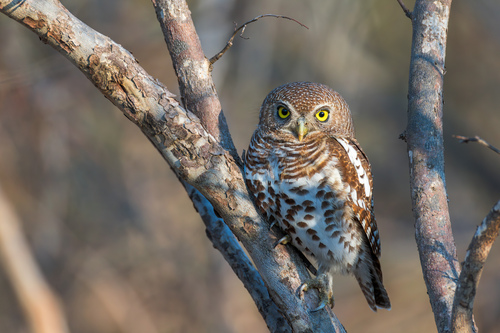
ヨコジマスズメフクロウ (Glaucidium capense) ヨコジマスズメフクロウ
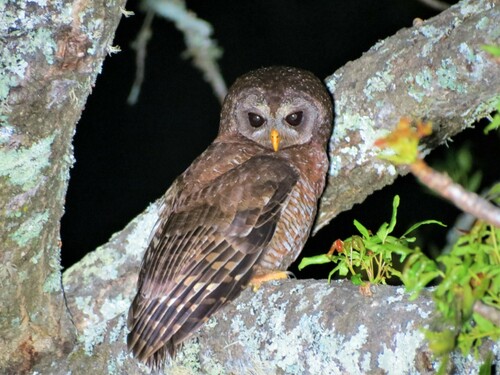
アフリカヒナフクロウ (Strix woodfordii) アフリカヒナフクロウ

メディア

読み込み中…

要点

アフリカヨコジマスズメフクロウとアフリカヒナフクロウを区別する最も信頼できる方法は、サイズと構造です:ヨコジマスズメフクロウははるかに小さく、よりコンパクトであり、アフリカヒナフクロウは中型で、丸いStrixの頭と大きな暗い目を持っています。止まっている時や飛んでいる時の視点では、ヨコジマスズメフクロウの細かい縞模様と白い斑点のある翼の覆い羽を探してください。対して、アフリカヒナフクロウは全体的にリッチな茶色の羽毛と大胆な白い腹部の縞模様を持っています。幼鳥のアフリカヒナフクロウはより淡い赤褐色で、混乱を引き起こす可能性がありますが、サイズと顔の構造は依然として独特です。両種は森林の生息地に生息する可能性があるため、これらの特徴に注意を払うことが重要です。

識別のコツ

  1. Size is the quickest check: アフリカヨコジマスズメフクロウはアフリカヒナフクロウよりもはるかに小さく、よりコンパクトです。もし2羽のフクロウが一緒にいて、1羽がほぼ2倍のサイズであれば、大きい方がアフリカヒナフクロウです。
  2. Head and facial structure: アフリカヒナフクロウは大きく、丸いStrixの頭を持ち、大きな暗い目と目立つ白い眉があります。ヨコジマスズメフクロウの頭は小さく、狭い白い眉と黄色い目を持っています。
  3. Plumage on upperparts: ヨコジマスズメフクロウは灰褐色で、細かいバフの縞模様と肩と翼に白いストライプがあります(肩羽と覆い羽から)。アフリカヒナフクロウはリッチな茶色で、頭に白い斑点があり、ヨコジマスズメフクロウの白い翼のストライプはありません。
  4. Underparts pattern: ヨコジマスズメフクロウは細かい縞模様のある茶色の胸と白い胸/側面に茶色の斑点があります。アフリカヒナフクロウは大胆な茶色の縞模様のある白い腹部を持ち、全体的に淡い下部を持っています。
  5. Bill and eye color: ヨコジマスズメフクロウは鈍い緑がかった黄色のくちばしと黄色い目を持ち、アフリカヒナフクロウは目立つ黄色いくちばしと大きな暗い目を持っています。
  6. Juvenile confusion: 幼鳥のアフリカヒナフクロウはより淡い赤褐色ですが、依然として大きなStrixの頭と暗い目を示します。幼鳥のヨコジマスズメフクロウは成鳥に似ていますが、さらに細かい縞模様を持つことがあります。
  7. Flight views: 飛行中、ヨコジマスズメフクロウの小さなサイズと肩に白い翼のストライプが見えることがあります。アフリカヒナフクロウははるかに大きく、この特徴はありません。
  8. Perched behavior: ヨコジマスズメフクロウは昼間にオープンな場所に止まっていることが多いですが、アフリカヒナフクロウは密なカバーの高い場所に止まり、昼間に見ることはほとんどありません。
  9. Activity period: ヨコジマスズメフクロウは部分的に日中活動し、夜明けや夕暮れに活動したり鳴いたりすることがあります。アフリカヒナフクロウは厳密に夜行性で、暗くなった後にのみ鳴きます。
  10. Voice: 夜にクラシックな三部構成のStrixのフクロウの二重唱を聞いたら、それはアフリカヒナフクロウです。ヨコジマスズメフクロウの鳴き声はここではあまり詳しく説明されていませんが、両性とも夕暮れや夜明けに鳴きます。
  11. Habitat overlap: 両者は森林に生息することがありますが、アフリカヒナフクロウはより密な森林を好みます。生息地だけに頼らないでください。
  12. Mobbed by small birds: 昼間に小鳥に襲われているフクロウを見たら、それはより可能性が高いのはヨコジマスズメフクロウです。
  13. Legs and feet: 両者は黄色い足と足を持ち、強い区別要因ではありません。
  14. Tail and wing shape: ヨコジマスズメフクロウは相対的に短い尾と翼を持ち、アフリカヒナフクロウの翼はより広く、尾はサイズに対して長いです。
  15. Overall impression ('jizz'): ヨコジマスズメフクロウはコンパクトで、活発で、警戒しています。アフリカヒナフクロウはより大きく、重々しく、クラシックな「フクロウ」のシルエットを持っています。

大きさ

アフリカヨコジマスズメフクロウは本当に小さなフクロウで、長さは約17 cmで、はるかに軽い体型をしています(質量は示されていませんが、明らかにアフリカヒナフクロウよりもはるかに少ないです)。アフリカヒナフクロウはアフリカのフクロウとして中型で、長さは30.5〜35 cmで、成鳥として約299 gの重さがあります。フィールドでは、アフリカヒナフクロウはヨコジマスズメフクロウのほぼ2倍の大きさに見え、より大きな体、広い翼、そしてはるかに大きく丸い頭を持っています。このサイズの違いは、距離があっても、または光が悪くても通常は明らかです。

羽色

幼鳥と未熟な羽毛は混乱を引き起こす可能性が最も高いです。幼鳥のアフリカヒナフクロウは全体的に淡い赤褐色ですが、依然として大きく丸いStrixの頭と暗い目を示します。成鳥のアフリカヨコジマスズメフクロウは、上面が灰褐色で、細かいバフの縞模様と狭い白い眉を持ち、肩と翼に特徴的な白いストライプを示します(白い外側のウェブと肩羽と大きな覆い羽の暗い先端によって形成されます)。彼らの下部は白く、茶色の斑点と胸に細かい縞模様があります。対照的に、成鳥のアフリカヒナフクロウは一般的にリッチな茶色の羽毛を持ち、淡い下部、茶色の縞模様のある白い腹部、白い斑点と目立つ白い眉を持つ暗い茶色の頭を持っています。アフリカヒナフクロウの顔は大きな暗い目と黄色いくちばしが支配しており、ヨコジマスズメフクロウの目とくちばしは黄色がかっていますが、あまり目立ちません。アフリカヒナフクロウの下部の縞模様はより大胆で広範囲にわたりますが、ヨコジマスズメフクロウのものはより細かく、斑点状です。飛行中、ヨコジマスズメフクロウの小さなサイズと白い翼のストライプが見えることがありますが、アフリカヒナフクロウはこの特徴がありません。

行動

アフリカヨコジマスズメフクロウは部分的に日中活動し、昼間にオープンな場所に止まって獲物を探したり、小鳥に襲われたりすることがよくあります。露出した止まり木から短い飛び出しで狩りをすることがあります。対照的に、アフリカヒナフクロウは厳密に夜行性で、昼間は密なカバーの高い場所に止まり、通常は単独またはペアで、夕暮れ後にのみ活動します。昼間にオープンな場所に止まっているアフリカヒナフクロウを見ることはほとんどありません。両種は木の空洞に巣を作りますが、ヨコジマスズメフクロウは日中の活動によってより見つけられる可能性があります。

生息環境

両種はサハラ以南のアフリカの広範囲にわたる森林地域に生息しており、その範囲は多くの地域で重なっています。アフリカヨコジマスズメフクロウは、オープンな森林や森林の端を含むさまざまな森林の生息地に見られますが、アフリカヒナフクロウはより密な森林や成熟した森林に厳密に関連しています。しかし、範囲が重なる場所では生息地だけでは診断できないため、常に構造的および羽毛の特徴で確認してください。

声

アフリカヨコジマスズメフクロウは主に夕暮れや夜明けに鳴き、両性がテリトリーを主張するために鳴きますが、その鳴き声の詳細はここでは提供されていません。アフリカヒナフクロウは独特の歌を持っています:オスからの速く、明瞭なフクロウの鳴き声と、メスからの高く、よりゆっくりした鳴き声の二重唱で、しばしば三部構成のリズム(WHU-hu、WHU-hu-hu、hu-hu)で行われます。アフリカヒナフクロウの鳴き声は大きく、遠くまで響き、通常は夕暮れ後に聞かれます。夜にクラシックなStrixのフクロウの二重唱を聞いたら、それはほぼ確実にアフリカヒナフクロウです。

より良い説明を送る

比較と同じ項目を使ってください。文章はすぐに公開されます。

The most reliable way to separate African Barred Owlet from African Wood-Owl is by size and structure: the owlet is much smaller and more compact, while the wood-owl is medium-sized with a rounded Strix head and large dark eyes. In perched or flight views, look for the owlet’s fine barring and white-spotted wing coverts, versus the wood-owl’s overall richer brown plumage and bold white belly barring. Juvenile wood-owls are paler rufous, which can cause confusion, but their size and facial structure remain distinctive. Both species can occur in wooded habitats, so careful attention to these features is essential.

  1. Size is the quickest check: African Barred Owlet is much smaller and more compact than African Wood-Owl, which is medium-sized and bulky. If you see two owls together and one is nearly twice the size, the larger is the wood-owl.
  2. Head and facial structure: Wood-owl has a large, rounded Strix head with big, dark eyes and prominent white eyebrows, giving it a classic 'owl face.' The owlet’s head is smaller, with a narrower white eyebrow and yellow eyes.
  3. Plumage on upperparts: Barred Owlet is greyish brown with fine buff bars and a white stripe across the shoulder and wing (from scapulars and coverts). Wood-owl is rich brown with white spots on the head and lacks the owlet’s white wing stripe.
  4. Underparts pattern: Owlet has a finely barred brown chest and white breast/flanks with brown spots. Wood-owl has a white belly with bold brown barring, and paler underparts overall.
  5. Bill and eye color: Owlet has a dull greenish-yellow bill and yellow eyes; wood-owl has a prominent yellow beak and large, dark eyes.
  6. Juvenile confusion: Juvenile wood-owls are paler rufous, but still show the large Strix head and dark eyes. Juvenile owlets resemble adults but may be even more finely barred.
  7. Flight views: In flight, the owlet’s small size and white wing stripe (across the shoulder) can be visible; wood-owl is much larger and lacks this feature.
  8. Perched behavior: Owlet often perches in the open during the day; wood-owl roosts high in dense cover and is rarely seen by day.
  9. Activity period: Owlet is partly diurnal and may be active or calling at dawn and dusk; wood-owl is strictly nocturnal, calling only after dark.
  10. Voice: If you hear a classic three-part Strix hooting duet at night, it is wood-owl. Owlet’s call is less well described here, but both sexes call at dusk/dawn.
  11. Habitat overlap: Both can occur in woodland, but wood-owl prefers denser forest; do not rely on habitat alone.
  12. Mobbed by small birds: If you see an owl being mobbed by passerines in daylight, it is more likely the owlet.
  13. Legs and feet: Both have yellow legs and feet, not a strong separator.
  14. Tail and wing shape: Owlet has a proportionally shorter tail and wings; wood-owl’s wings are broader and tail longer in proportion to its size.
  15. Overall impression ('jizz'): Owlet is compact, active, and alert; wood-owl is bulkier, more ponderous, and has a classic 'owl' silhouette.

African Barred Owlet is a truly small owl, about 17 cm in length and with a much lighter build (no mass given, but clearly much less than the wood-owl). African Wood-Owl is medium-sized for an African owl, measuring 30.5–35 cm in length and weighing around 299 g as an adult. In the field, the wood-owl appears nearly twice as large as the owlet, with a bulkier body, broader wings, and a much larger, rounded head. This size difference is usually obvious even at a distance or in poor light.

Juvenile and immature plumages are most likely to cause confusion. Juvenile African Wood-Owls are paler rufous overall, but still show the large, rounded Strix head and dark eyes. Adult African Barred Owlets are greyish brown above with fine buff bars and a narrow white eyebrow, and show a distinctive white stripe across the shoulder and wing (formed by the white outer webs and dark tips of the scapulars and greater coverts). Their underparts are white with brown spots and fine barring on the chest. In contrast, adult African Wood-Owls have a generally rich brown plumage with paler underparts, a white belly with brown barring, and a dark brown head with white spots and prominent white eyebrows. The wood-owl’s face is dominated by large dark eyes and a yellow beak, while the owlet’s eyes and bill are yellowish but less striking. The wood-owl’s underparts barring is bolder and more extensive, while the owlet’s is finer and more spotty. In flight, the owlet’s smaller size and white wing stripe may be visible; the wood-owl lacks this feature.

African Barred Owlet is partly diurnal and often seen perched openly during the day, scanning for prey or being mobbed by small birds. It may hunt in short sallies from exposed perches. African Wood-Owl, in contrast, is strictly nocturnal, roosting high in dense cover during the day, usually singly or in pairs, and only becoming active after dusk. You are unlikely to see a wood-owl perched in the open during daylight. Both species nest in tree cavities, but the owlet is more likely to be detected by its daytime activity.

Both species inhabit wooded areas across much of sub-Saharan Africa, and their ranges overlap in many regions. African Barred Owlet is found in a variety of wooded habitats, including open woodland and forest edge, while African Wood-Owl is more strictly associated with denser forests and mature woodland. However, habitat alone is not diagnostic where ranges overlap, so always confirm with structural and plumage features.

African Barred Owlet calls mainly at dusk and dawn, with both sexes calling to proclaim territory, but details of its call are not provided here. African Wood-Owl has a distinctive song: a duet of rapid, clear hoots from the male and higher, more leisurely hoots from the female, often in a three-part rhythm (WHU-hu, WHU-hu-hu, hu-hu). The wood-owl’s call is loud, far-carrying, and usually heard after dusk. If you hear a classic Strix hooting duet at night, it is almost certainly African Wood-Owl.

変更を破棄しますか?

保存していない編集があります。今離れると失われます。

ヨコジマスズメフクロウ · アフリカヒナフクロウ · 苦手な鳥