

African Barred Owlet vs African Wood-Owl
Glaucidium capense contro Strix woodfordii
Fai un quiz con African Barred Owlet e African Wood-Owl
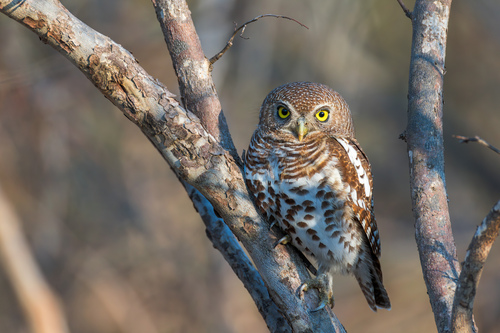 African Barred Owlet
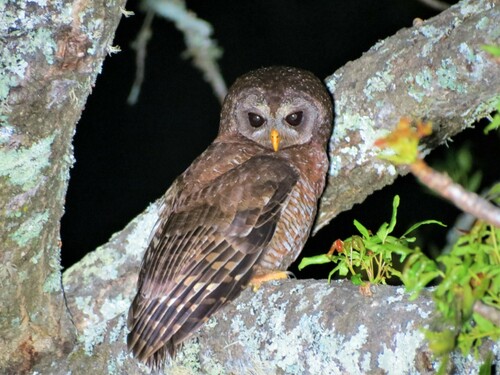 African Wood-Owl
In breve
Il modo più affidabile per separare l'African Barred Owlet dall'African Wood-Owl è per dimensioni e struttura: l'owlet è molto più piccolo e compatto, mentre il wood-owl è di dimensioni medie con una testa Strix arrotondata e grandi occhi scuri. In vista da posato o in volo, cerca le sottili barre dell'owlet e le copritrici delle ali macchiate di bianco, rispetto al piumaggio marrone più ricco del wood-owl e alle barre bianche audaci sul ventre. I giovani wood-owl sono di un ruggine più chiaro, il che può causare confusione, ma le loro dimensioni e struttura facciale rimangono distintive. Entrambe le specie possono verificarsi in habitat boschivi, quindi prestare attenzione a queste caratteristiche è essenziale.
Consigli di identificazione
- La dimensione è il controllo più veloce: L'African Barred Owlet è molto più piccolo e compatto dell'African Wood-Owl, che è di dimensioni medie e ingombrante. Se vedi due gufi insieme e uno è quasi due volte più grande, il più grande è il wood-owl.
- Testa e struttura facciale: Il wood-owl ha una grande testa Strix arrotondata con grandi occhi scuri e prominenti sopracciglia bianche, dando un classico 'viso da gufo'. La testa dell'owlet è più piccola, con una sopracciglia bianca più stretta e occhi gialli.
- Piumaggio sulle parti superiori: L'African Barred Owlet è marrone grigiastro con sottili barre color crema e una striscia bianca sulla spalla e sull'ala (dalle scapole e copritrici). Il wood-owl è di un marrone ricco con macchie bianche sulla testa e manca della striscia bianca dell'owlet.
- Schema delle parti inferiori: L'owlet ha un petto marrone finemente barrato e un petto/fianchi bianchi con macchie marroni. Il wood-owl ha un ventre bianco con barre marroni audaci e parti inferiori più chiare in generale.
- Colore del becco e degli occhi: L'owlet ha un becco giallo-verde opaco e occhi gialli; il wood-owl ha un becco giallo prominente e grandi occhi scuri.
- Confusione giovanile: I giovani wood-owl sono di un ruggine più chiaro, ma mostrano ancora la grande testa Strix e gli occhi scuri. Gli owlet giovani somigliano agli adulti ma possono essere anche più finemente barrati.
- Viste in volo: In volo, le piccole dimensioni dell'owlet e la striscia bianca dell'ala (sulla spalla) possono essere visibili; il wood-owl è molto più grande e manca di questa caratteristica.
- Comportamento da posato: L'owlet spesso si posa in modo aperto durante il giorno; il wood-owl si rifugia in alto in copertura densa ed è raramente visto di giorno.
- Periodo di attività: L'owlet è parzialmente diurno e può essere attivo o chiamare all'alba e al tramonto; il wood-owl è strettamente notturno, chiamando solo dopo il buio.
- Voce: Se senti un classico duetto di hoot Strix in tre parti di notte, è il wood-owl. Il richiamo dell'owlet è meno descritto qui, ma entrambi i sessi chiamano al tramonto/all'alba.
- Sovrapposizione dell'habitat: Entrambi possono verificarsi nel bosco, ma il wood-owl preferisce foreste più dense; non fare affidamento solo sull'habitat.
- Aggredito da piccoli uccelli: Se vedi un gufo aggredito da passeriformi in pieno giorno, è più probabile che sia l'owlet.
- Zampe e piedi: Entrambi hanno zampe e piedi gialli, non un forte separatore.
- Forma della coda e delle ali: L'owlet ha una coda e ali proporzionalmente più corte; le ali del wood-owl sono più larghe e la coda più lunga in proporzione alle sue dimensioni.
- Impressione generale ('jizz'): L'owlet è compatto, attivo e all'erta; il wood-owl è più ingombrante, più ponderoso e ha una classica silhouette da 'gufo'.
Taglia
L'African Barred Owlet è un vero gufo piccolo, lungo circa 17 cm e con una costruzione molto più leggera (nessuna massa fornita, ma chiaramente molto meno del wood-owl). L'African Wood-Owl è di dimensioni medie per un gufo africano, misurando 30,5–35 cm di lunghezza e pesando circa 299 g da adulto. Sul campo, il wood-owl appare quasi due volte più grande dell'owlet, con un corpo più ingombrante, ali più larghe e una testa arrotondata molto più grande. Questa differenza di dimensioni è solitamente ovvia anche a distanza o in scarsa illuminazione.
Piumaggio
I piumaggi giovanili e immaturi sono i più probabili a causare confusione. I giovani African Wood-Owls sono di un ruggine più chiaro in generale, ma mostrano ancora la grande testa Strix arrotondata e gli occhi scuri. Gli adulti African Barred Owlets sono marrone grigiastro sopra con sottili barre color crema e una stretta sopracciglia bianca, e mostrano una distintiva striscia bianca sulla spalla e sull'ala (formata dalle membrane esterne bianche e dalle punte scure delle scapole e delle copritrici maggiori). Le loro parti inferiori sono bianche con macchie marroni e finemente barrate sul petto. Al contrario, gli adulti African Wood-Owls hanno un piumaggio generalmente marrone ricco con parti inferiori più chiare, un ventre bianco con barre marroni e una testa marrone scuro con macchie bianche e prominenti sopracciglia bianche. Il viso del wood-owl è dominato da grandi occhi scuri e un becco giallo, mentre gli occhi e il becco dell'owlet sono giallastri ma meno appariscenti. Le barre delle parti inferiori del wood-owl sono più audaci e più estese, mentre quelle dell'owlet sono più fini e più macchiate. In volo, le dimensioni più piccole dell'owlet e la striscia bianca dell'ala possono essere visibili; il wood-owl manca di questa caratteristica.
Comportamento
L'African Barred Owlet è parzialmente diurno e spesso visto posato apertamente durante il giorno, a caccia di prede o aggredito da piccoli uccelli. Può cacciare in brevi scatti da posatoi esposti. L'African Wood-Owl, al contrario, è strettamente notturno, si rifugia in alto in copertura densa durante il giorno, di solito singolarmente o in coppie, e diventa attivo solo dopo il tramonto. È improbabile che tu veda un wood-owl posato in modo aperto durante il giorno. Entrambe le specie nidificano in cavità degli alberi, ma l'owlet è più probabile essere rilevato dalla sua attività diurna.
Habitat
Entrambe le specie abitano aree boschive in gran parte dell'Africa subsahariana, e i loro areali si sovrappongono in molte regioni. L'African Barred Owlet si trova in una varietà di habitat boschivi, tra cui boschi aperti e margini forestali, mentre l'African Wood-Owl è più strettamente associato a foreste più dense e boschi maturi. Tuttavia, l'habitat da solo non è diagnostico dove gli areali si sovrappongono, quindi conferma sempre con caratteristiche strutturali e di piumaggio.
Voce
L'African Barred Owlet chiama principalmente al tramonto e all'alba, con entrambi i sessi che chiamano per proclamare il territorio, ma i dettagli del suo richiamo non sono forniti qui. L'African Wood-Owl ha una canzone distintiva: un duetto di hoot rapidi e chiari dal maschio e hoot più alti e più lenti dalla femmina, spesso in un ritmo in tre parti (WHU-hu, WHU-hu-hu, hu-hu). Il richiamo del wood-owl è forte, lontano e di solito udito dopo il tramonto. Se senti un classico duetto di hoot Strix di notte, è quasi certamente l'African Wood-Owl.
African Barred Owlet · African Wood-Owl · I miei uccelli difficili