

Vescovo dalla corona gialla vs Grosbeak Weaver
Euplectes afer contro Amblyospiza albifrons
Fai un quiz con Vescovo dalla corona gialla e Grosbeak Weaver
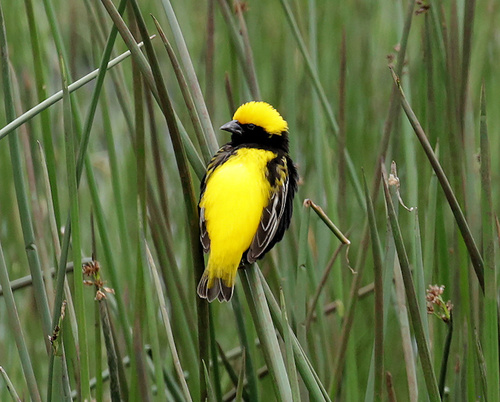 Vescovo dalla corona gialla
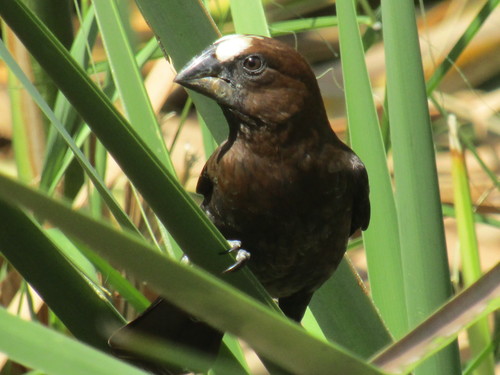 Grosbeak Weaver
In breve
Il segno distintivo più affidabile tra il Vescovo dalla corona gialla e il Grosbeak Weaver è la struttura generale e la dimensione del becco: il Grosbeak Weaver è molto più grande e massiccio, con un becco massiccio e spesso, mentre il Vescovo dalla corona gialla è un uccello piccolo e compatto con un becco corto e conico. Durante la stagione di riproduzione, i vescovi maschi sono sorprendentemente gialli e neri, con una brillante corona gialla, mentre i Grosbeak Weavers non sono mai così vividamente colorati. I vescovi non in riproduzione e le femmine sono marroni striati e possono essere confusi con altri tessitori, ma il Grosbeak Weaver si distingue ancora per la sua dimensione e soprattutto per il suo enorme becco. In volo o posati, il vescovo è notevolmente più piccolo e più delicato, mentre il tessitore è robusto e con un becco pesante.
Consigli di identificazione
- Bill size and shape: Grosbeak Weaver ha un becco massiccio e spesso, simile a quello di un fringillide, molto più grande e pesante rispetto al becco corto e conico del Vescovo dalla corona gialla. Questo è il segno più affidabile in tutte le livree e le età.
- Body size and structure: Il vescovo è un uccello piccolo e compatto (circa 14,5 g), mentre il tessitore è molto più massiccio e lungo. Se vedi entrambi insieme, la differenza di dimensioni è ovvia.
- Breeding male plumage: Il maschio del Vescovo dalla corona gialla in stagione di riproduzione è di un giallo brillante con un volto, una gola e una parte inferiore neri, e una vivida corona gialla. Il Grosbeak Weaver non mostra mai questa combinazione di colori o intensità.
- Crown color: Solo il vescovo (maschio in riproduzione) ha una brillante corona gialla; il tessitore non mostra mai questa caratteristica.
- Non-breeding/female plumage: Le femmine e i vescovi non in riproduzione sono marroni sopra con striature scure e un sopracciglio chiaro, di colore bianco sporco sotto con striature scure fini. Il Grosbeak Weaver è più semplice, privo di forti striature o di un sopracciglio chiaro, e appare più uniforme.
- Bill color: Il maschio del vescovo in riproduzione ha un becco nero; i vescovi non in riproduzione e le femmine hanno un becco color corno, così come il tessitore. Il colore del becco non è diagnostico tranne che nei vescovi maschi in riproduzione.
- Wing and tail: Il vescovo ha ali e coda marroni, ma queste non sono distintive rispetto al tessitore. Non è descritto alcun modello unico di ala superiore per nessuna delle due specie.
- Behavior: I Grosbeak Weavers spesso aprono e muovono le loro code e usano il loro becco per rompere i semi in modo notevolmente energico. I vescovi sono più propensi a essere visti nutrirsi di semi d'erba o muoversi tra l'erba.
- Habitat: Se visti in canneti densi o paludi, specialmente vicino a nidi distintivi a forma di globo, sospetta il Grosbeak Weaver. In prati aperti, campi infestati o aree agricole, è più probabile vedere il vescovo.
- Flight style: Il vescovo è veloce e agile in volo, mentre il tessitore è più pesante e diretto.
- Vocalizations: Se senti un canto aspro e non musicale, potrebbe essere il Grosbeak Weaver, ma questo non è un segno distintivo primario.
- Sexual dimorphism: Il vescovo è altamente dimorfico sessualmente durante la stagione di riproduzione; il tessitore lo è meno, con entrambi i sessi privi di livree gialle o nere brillanti.
- Plumage confusion: I vescovi non in riproduzione e le femmine possono essere confusi con altri tessitori, ma il grande becco e la massa del tessitore dovrebbero prevenire confusione con i vescovi.
- Context: Se vedi un uccello in una colonia con nidi a forma di globo nei canneti, è probabile che sia un Grosbeak Weaver. I vescovi non costruiscono nidi di questo tipo.
- Pitfalls: I vescovi immaturi e le femmine possono essere scambiati per piccoli tessitori, ma controlla sempre la dimensione del becco e la struttura corporea complessiva: i vescovi sono delicati, i tessitori sono robusti.
Taglia
Il Vescovo dalla corona gialla è un piccolo passeriforme, che pesa circa 14,5 g [wikidata], e misura 95–105 mm di lunghezza [wikipedia]. Al contrario, mentre qui non è fornito un peso preciso per il Grosbeak Weaver, è descritto come un grande tessitore robusto con un becco particolarmente spesso [wikipedia]. Sul campo, il vescovo apparirà molto più piccolo, più leggero e più agile, mentre il tessitore è notevolmente più massiccio e pesante, con una testa e un becco sproporzionatamente grandi.
Piumaggio
I vescovi maschi in riproduzione del Vescovo dalla corona gialla sono inconfondibili: mostrano una brillante corona gialla, fronte e parte posteriore della corona, con un volto inferiore, gola, petto e pancia neri, oltre a un ampio collare nero sulla nuca, un dorso giallo, una macchia sulla spalla e ali e coda marroni [wikipedia]. Le femmine e i maschi non in riproduzione sono di un marrone chiaro sopra con striature più scure, un sopracciglio chiaro e parti inferiori bianche sporche con striature scure fini su petto e fianchi. Al contrario, i Grosbeak Weavers non mostrano alcun modello brillante giallo o nero; la loro livrea è più attenuata e priva del forte contrasto o della corona gialla del vescovo. Non è descritto alcun modello specifico di ala superiore per nessuna delle due specie, quindi la separazione si basa sulla colorazione e sulla struttura complessiva. In tutte le livree, il vescovo è più colorato (nei maschi in riproduzione) o più finemente striato (nelle femmine/non in riproduzione), mentre il tessitore è più semplice e definito dal suo massiccio becco.
Comportamento
I Grosbeak Weavers sono spesso visti mentre aprono e muovono le loro code e sono noti per il loro comportamento robusto di rompere i semi usando le loro forti mandibole [wikipedia]. Costruiscono anche nidi distintivi a forma di globo nei canneti. I Vescovi dalla corona gialla sono più propensi a essere visti muoversi tra i prati o posati su steli, con un uso del becco o un movimento della coda meno evidenti. In volo, i vescovi sono veloci e agili, mentre i tessitori appaiono più pesanti e più deliberati.
Habitat
Il Vescovo dalla corona gialla predilige prati, zone umide e campi agricoli (specialmente grano e sorgo), spesso in vegetazione infestata vicino all'acqua [wikipedia]. Il Grosbeak Weaver è più strettamente legato a zone umide cannetose, paludi e margini forestali, e si trova spesso in canneti dove nidifica in colonie [wikipedia]. Sebbene entrambi possano verificarsi vicino all'acqua, il vescovo è più probabile in aree aperte erbose o agricole, e il tessitore è più strettamente associato a canneti densi e zone umide.
Voce
Il canto del Grosbeak Weaver è descritto come non musicale e aspro [wikipedia], mentre non è fornita alcuna descrizione vocale specifica per il Vescovo dalla corona gialla in queste note. Se sentito, una serie di note aspre e non musicali suggerirebbe il Grosbeak Weaver, ma questo non è un segno distintivo primario per la separazione.
Vescovo dalla corona gialla · Grosbeak Weaver · I miei uccelli difficili