

Luì forestiero vs Two-barred Warbler
Phylloscopus inornatus contro Phylloscopus plumbeitarsus
Fai un quiz con Luì forestiero e Two-barred Warbler
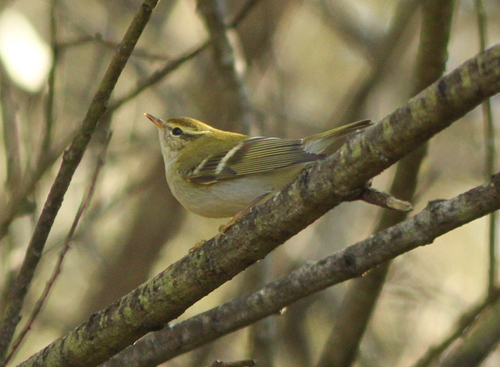 Luì forestiero
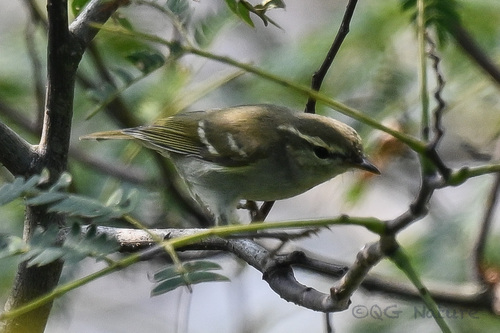 Two-barred Warbler
In breve
Il segno di campo più affidabile tra il Luì forestiero e il Two-barred Warbler è il preciso schema e la prominenza delle barre alari: il Luì forestiero mostra due barre alari giallo-biancastre distinte (una lunga, una corta) e terziali con margini gialli, mentre il Two-barred Warbler è simile ma può differire sottilmente nella forza e nel contrasto di queste barre, specialmente nel piumaggio fresco. Entrambe le specie sono piccoli, attivi luì con parti superiori verdastre e un lungo supercilio giallastro, rendendoli molto simili a un primo sguardo. Gli indizi strutturali e comportamentali sono sottili, quindi è essenziale prestare attenzione al motivo delle ali, ai margini dei terziali e alla lunghezza del supercilio. La voce è un forte separatore se udita, ma non è sempre disponibile sul campo. L'habitat e l'areale si sovrappongono durante la migrazione, quindi non sono diagnostici.
Consigli di identificazione
- Barre alari: Entrambe le specie mostrano due barre alari chiare, ma sul Luì forestiero queste sono tipicamente giallo-biancastre, con una barra lunga sulle copritrici maggiori e una più corta sulle copritrici mediane. Cerca la chiarezza e la lunghezza di queste barre, specialmente nel piumaggio fresco. Questo è il segno di campo più importante, ma fai attenzione che il Two-barred Warbler può apparire molto simile.
- Margini dei terziali: Il Luì forestiero ha terziali con margini gialli, che possono essere un utile segno di supporto se visti bene. Il Two-barred Warbler può anche mostrare margini terziali chiari, quindi usa questo in combinazione con altri segni.
- Supercilio: Entrambe le specie hanno un lungo supercilio giallo, ma sul Luì forestiero è spesso più prominente e si estende bene dietro l'occhio. Se il supercilio appare particolarmente lungo e luminoso, questo supporta il Luì forestiero, ma la differenza è sottile.
- Striscia coronale: Alcuni Luì forestieri mostrano una debole striscia coronale centrale verde chiaro, ma molti non lo fanno. Il Two-barred Warbler non è noto per questa caratteristica. Se presente, è un segno di supporto debole.
- Parti superiori e inferiori: Entrambe le specie hanno parti superiori verdastre e parti inferiori bianche. Questo non è un separatore.
- Colore delle zampe: Le note menzionano che il Luì di Hume (non il Two-barred) ha zampe scure e mandibola inferiore, quindi il colore delle zampe non è utile qui.
- Struttura del becco: Non sono state notate differenze distintive nella forma o nel colore del becco tra queste due specie.
- Viste in volo: Non ci sono schemi distintivi specifici per l'età nelle ali superiori (come una 'W' nera o pannelli unici) per separare gli immaturi in volo. Entrambe le specie mostrano le doppie barre alari in tutti i piumaggi.
- Comportamento: Entrambe sono molto attive e arboricole; il comportamento non è un separatore.
- Voce: Se senti un forte, penetrante e disillabico 'tseeweest', questo è diagnostico per il Luì forestiero. Il richiamo del Two-barred non è descritto, ma è probabile che sia diverso. Usa la voce ogni volta che è possibile.
- Habitat e areale: Entrambe le specie si sovrappongono durante la migrazione e nei terreni invernali; l'habitat non è diagnostico sul campo.
- Dimensioni: Entrambe sono molto simili in dimensioni e peso. Non usare le dimensioni come separatore.
- Stagione e muta: Sia gli adulti che i giovani del Two-barred Warbler mutano prima della migrazione autunnale, quindi gli uccelli freschi possono mostrare più contrasto nelle barre alari. Tuttavia, il modello di base rimane simile a quello del Luì forestiero. Usa cautela con uccelli molto freschi o molto usurati.
- Trappole: Le due specie sono estremamente simili nella maggior parte delle caratteristiche del piumaggio. Concentrati sulla combinazione di prominenza delle barre alari, margini dei terziali e lunghezza del supercilio, e usa la voce se disponibile.
- Quando incerti: Se non riesci a ottenere una visione chiara delle barre alari e dei terziali, o se l'uccello è silenzioso, potrebbe non essere possibile separare queste due specie con fiducia sul campo.
Taglia
Entrambe le specie sono molto simili in dimensioni, con il Luì forestiero che misura 9.5–11 cm di lunghezza e pesa 4–9 g [wikipedia]. Non ci sono prove di una differenza di dimensioni significativa tra le due, e entrambe sono nettamente più piccole di un chiffchaff ma leggermente più grandi del Luì di Pallas. Le dimensioni da sole non sono un separatore affidabile sul campo.
Piumaggio
Per tutte le età, il Luì forestiero mostra due chiare barre alari giallo-biancastre: una lunga sulle copritrici maggiori e una più corta sulle copritrici mediane, oltre a terziali con margini gialli. Il supercilio è lungo e giallo, spesso più colpente rispetto a specie simili. Alcuni individui di Luì forestiero possono mostrare una debole striscia coronale chiara, ma questa non è sempre visibile. Anche il Two-barred Warbler mostra due barre alari, ma la letteratura non fornisce un contrasto dettagliato nella forza o nella nitidezza di queste barre rispetto al Luì forestiero. Sia gli adulti che i giovani del Two-barred Warbler mutano prima della migrazione autunnale, quindi il piumaggio fresco può mostrare più contrasto, ma il modello generale è simile. In entrambe le specie, le parti inferiori sono bianche e le parti superiori sono verdastre. Non c'è menzione di schemi distintivi specifici per l'età nelle ali superiori (come una 'W' nera o pannelli unici) che separerebbero gli immaturi in volo.
Comportamento
Entrambe le specie sono altamente attive, arboricole e quasi costantemente in movimento, rendendo difficili le osservazioni prolungate. Il loro comportamento di foraggiamento e il loro aspetto sono molto simili, e entrambe sono tipicamente viste svolazzare tra il fogliame piuttosto che posarsi in aperto. Nessuna delle due specie è particolarmente timida, ma le loro piccole dimensioni e i movimenti rapidi possono rendere l'osservazione difficile.
Habitat
L'habitat non è un separatore affidabile: entrambe le specie nidificano nelle foreste del Palearctico settentrionale o orientale (il Luì forestiero nel Palearctico orientale, il Two-barred Warbler nel nord della Mongolia, in Manciuria e nel sud della Siberia) e sono fortemente migratorie. In inverno, il Luì forestiero si trova principalmente nel sud e sud-est asiatico tropicale, ma piccoli numeri svernano in Europa occidentale. Entrambe le specie utilizzano foreste di pianura e montane e possono essere trovate in boschi più aperti durante la migrazione. La sovrapposizione nella migrazione e nei terreni invernali significa che l'habitat non è diagnostico.
Voce
Le vocalizzazioni sono un forte separatore se udite. Il Luì forestiero emette un richiamo penetrante, spesso disillabico 'tseeweest', che è sorprendentemente forte per le sue dimensioni. Il suo canto è un medley di fischi ad alta tonalità. Non c'è una descrizione specifica del richiamo o del canto del Two-barred Warbler nelle note fornite, ma per analogia con specie correlate, potrebbe differire sottilmente. In pratica, il richiamo del Luì forestiero è distintivo e, se udito, può confermare l'identificazione.
Luì forestiero · Two-barred Warbler · I miei uccelli difficili