

Tottavilla vs Thekla's Lark
Lullula arborea contro Galerida theklae
Fai un quiz con Tottavilla e Thekla's Lark
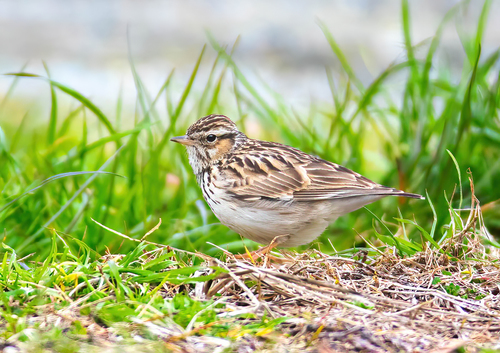 Tottavilla
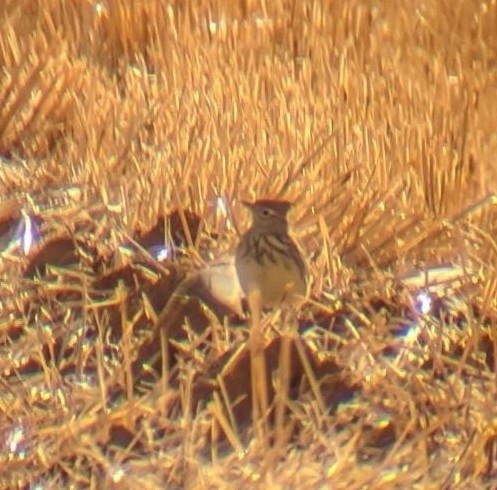 Thekla's Lark
In breve
Il segno di campo più affidabile per separare la Tottavilla dalla Thekla's Lark è il distintivo supercilium bianco della Tottavilla che si incontra alla nuca, formando una pallida 'fascia per le sopracciglia'—una caratteristica che la Thekla's Lark non mostra mai. In volo, la Tottavilla ha una coda visibilmente corta con una punta bianca, ma manca di bianco lungo i lati della coda o il bordo posteriore dell'ala, mentre la Thekla's Lark non mostra bianco nella coda o nelle ali. Strutturalmente, la Tottavilla è compatta con una coda corta e una piccola cresta, spesso poco appariscente, mentre la Thekla's Lark ha una coda più lunga con una cresta prominente e spigolosa. Entrambe sono marroni sopra e chiare sotto, ma la Thekla's Lark è più pesantemente striata sul petto e più grigia nel complesso. L'habitat aiuta anche: la Tottavilla preferisce le brughiere aperte e le radure, mentre la Thekla's Lark favorisce le alture secche e rocciose.
Consigli di identificazione
- Supercilium che incontra alla nuca (solo Tottavilla): Cerca la marcata striscia bianca delle sopracciglia che si unisce alla nuca, formando una pallida 'collana'—unica per la Tottavilla e visibile in tutte le livree.
- Forma e dimensione della cresta: La cresta della Tottavilla è piccola e di solito poco appariscente; la Thekla's Lark ha una lunga cresta spigolosa ed erettile, spesso evidente quando è posata o allerta.
- Forma della coda e modello in volo: La Tottavilla ha una coda corta e quadrata con una punta bianca ma senza bianco sui lati della coda o sul bordo posteriore dell'ala. La Thekla's Lark ha una coda più lunga senza bianco nella coda o nelle ali.
- Struttura complessiva (jizz): La Tottavilla è compatta e tozza con coda e ali corte; la Thekla's Lark ha una coda più lunga e meno compatta, con una postura più eretta quando è allerta.
- Striature sul petto: La Thekla's Lark mostra pesanti striature nere sul petto; la Tottavilla è più chiara sotto con striature meno distinte.
- Colore della parte superiore: La Thekla's Lark è più grigia sopra con striature scure più pronunciate; la Tottavilla è più marrone e meno striata.
- Colore della parte inferiore dell'ala (in volo): La Thekla's Lark ha ali inferiori grigie; il colore delle ali inferiori della Tottavilla non è distintivo, ma la mancanza di rosso o di forte contrasto aiuta a escludere la confusione con la Cappellaccia.
- Becco: La Thekla's Lark ha un becco più corto e tozzo rispetto alla Cappellaccia, ma la forma del becco non è un forte separatore dalla Tottavilla sul campo.
- Canto e display: Il canto della Tottavilla è musicale e flautato, spesso emesso in un volo di canto fluttuante e circolare. Il canto della Thekla's Lark è meno musicale e non è descritto qui.
- Contesto dell'habitat: La Tottavilla si trova in brughiere aperte, radure e piantagioni di pini; la Thekla's Lark preferisce alture secche, rocciose o semi-aride, spesso in quota.
- Comportamento quando spaventata: La Tottavilla di solito si alza con un volo fluttuante e ondulato; la Thekla's Lark vola in modo più diretto e può mostrare la sua cresta quando atterra.
- Stagionalità: La Tottavilla può essere residente o migratoria a seconda della regione, ma entrambe le specie sono presenti tutto l'anno in alcune parti del loro areale; il tempismo non è un forte separatore.
- Sesso e età: Entrambi i sessi sono simili in ciascuna specie; non sono state notate forti differenze legate all'età nei segni di campo per queste due.
- Trappole comuni: Fai attenzione a confondere la Tottavilla con l'Allodola (che ha bordi bianchi sulla coda e una coda più lunga) o la Thekla's Lark con la Cappellaccia (che ha ali inferiori rossastre e un becco più lungo). Per questa coppia, concentrati sul supercilium della nuca e sulla forma della cresta.
- Abbondanza locale: Nell'Europa occidentale, la Tottavilla è più diffusa nelle brughiere e nelle radure, mentre la Thekla's Lark è più localizzata nella Penisola Iberica e in Nord Africa.
Taglia
Entrambe le specie sono più piccole dell'Allodola, ma la Tottavilla è leggermente più corta (13.5–15 cm) e più compatta, con una coda notevolmente corta. La Thekla's Lark è anche di dimensioni ridotte, ma appare un po' più lunga e meno compatta rispetto alla Tottavilla. Non c'è un confronto diretto della massa nelle note, ma entrambe sono simili in dimensioni, con la Tottavilla che è la più minuta e tozza delle due.
Piumaggio
Per tutte le età, la Tottavilla si distingue per il suo audace supercilium bianco che si avvolge per incontrarsi alla nuca, formando una pallida 'collana'—questo è visibile sia posata che in volo. La Thekla's Lark non mostra mai questa caratteristica, avendo invece un volto semplice con una forte cresta spigolosa. In volo, la Tottavilla mostra una coda corta e quadrata con una punta bianca ma senza bianco sui lati della coda o sul bordo posteriore dell'ala, mentre la Thekla's Lark non ha alcun bianco nella coda o nelle ali. La Thekla's Lark è complessivamente più grigia sopra con striature nere più pesanti sul petto, e le sue ali inferiori sono grigie (non rossastre come nella Cappellaccia, né chiare come nella Tottavilla). La Tottavilla è più marrone sopra, più chiara sotto e meno pesantemente striata sul petto. Entrambi i sessi sono simili in ciascuna specie; non sono state notate forti differenze stagionali o legate all'età per questi segni.
Comportamento
La Tottavilla spesso canta in voli di canto fluttuanti e spirali, salendo e circondando a un'altezza abbastanza costante, o canta dal terreno o da un posatoio. Il suo volo è ondulato con ali corte e arrotondate e una coda corta. La Thekla's Lark è più terrestre, di solito vista camminare o correre sul terreno in habitat aperti e rocciosi, ed è meno probabile che esegua voli di canto appariscenti. Quando spaventata, la Thekla's Lark vola con un volo più diretto e saltellante, e la sua lunga cresta spigolosa è spesso sollevata quando è posata.
Habitat
La Tottavilla preferisce habitat aperti con alberi sparsi, come brughiere, radure nelle foreste di pini e aree recentemente piantate con giovani alberi—specialmente nell'Europa occidentale e centrale. È più associata a brughiere sabbiose e radure che a terreni rocciosi o aridi. La Thekla's Lark, al contrario, è un uccello classico di paesaggi aperti e secchi, spesso in quota, ed è particolarmente comune in paesaggi rocciosi, cespugliosi o semi-aridi della Penisola Iberica e del Nord Africa. Evita le foreste dense ed è raramente trovata negli habitat più vegetati e umidi preferiti dalla Tottavilla.
Voce
Il canto della Tottavilla è una serie melodiosa e gorgheggiante spesso descritta come 'lu-lu-lu' o 'toolooeet', emessa in volo o da un posatoio. Il canto della Thekla's Lark non è descritto nelle note, ma è generalmente meno musicale e più graffiante o chiacchierino rispetto a quello della Tottavilla. La Tottavilla inizia a cantare presto nella stagione (da febbraio in Gran Bretagna), e il suo volo di canto è un indizio comportamentale chiave.