

Luì verde vs Luì forestiero
Phylloscopus sibilatrix contro Phylloscopus inornatus
Fai un quiz con Luì verde e Luì forestiero
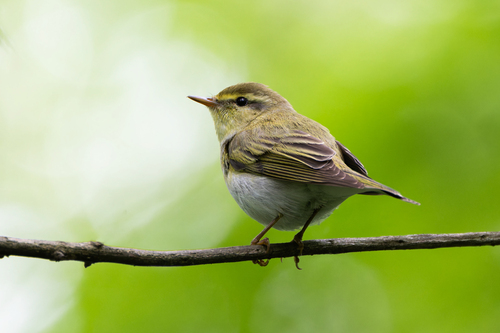 Luì verde
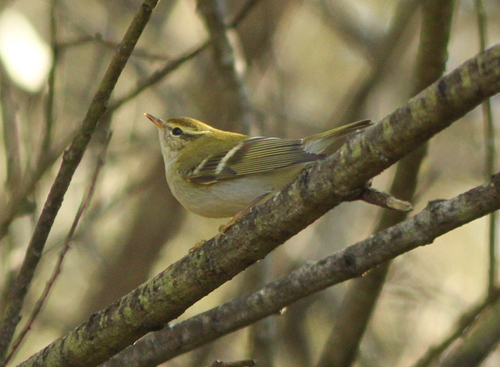 Luì forestiero
In breve
Il modo più affidabile per separare il Luì verde dal Luì forestiero è attraverso la struttura generale e il modello delle ali: il Luì verde è più grande, ha ali più lunghe e manca delle audaci bande alari doppie e del forte sopracciglio giallo del Luì forestiero. In qualsiasi piumaggio, il Luì verde mostra un aspetto più pulito e uniforme con una gola e un petto giallo limone brillante, mentre il Luì forestiero ha sempre due bande alari chiare e un forte sopracciglio giallo. In volo o posato, la proiezione primaria più lunga e la coda più ampia del Luì verde si distinguono rispetto al più compatto, dalla coda corta e attivo Luì forestiero. La voce e l'habitat possono aiutare, ma il piumaggio e la struttura sono solitamente decisivi.
Consigli di identificazione
- Bande alari doppie: Il Luì forestiero ha sempre due bande alari chiare (sulle copritrici maggiori e mediane); il Luì verde non mostra mai bande alari a nessuna età. Questo è il segno più affidabile in qualsiasi vista.
- Sopracciglio: Il Luì forestiero ha un forte e lungo sopracciglio giallo-bianco che si estende bene dietro l'occhio; il sopracciglio del Luì verde è giallo ma meno definito e non contrasta tanto con il viso.
- Bordi delle terziali: Entrambi hanno bordi terziali chiari, ma quelli del Luì forestiero sono bordati di giallo e più evidenti, mentre quelli del Luì verde sono più chiari e meno contrastanti.
- Modello del viso: Il Luì forestiero può mostrare una leggera striscia coronale chiara (non sempre visibile), che aggiunge al suo aspetto decorato. La corona del Luì verde è di un verde uniforme.
- Parte inferiore: Il Luì verde mostra una gola e un petto giallo limone brillante, che sfumano in bianco sotto; il Luì forestiero è bianco sotto con poco o nessun giallo sulla gola o sul petto.
- Parte superiore: Entrambi sono verdastri sopra, ma il Luì verde è di un verde più brillante e pulito, mentre il Luì forestiero può apparire più opaco e più oliva.
- Dimensioni e forma: Il Luì verde è più grande, ha ali più lunghe e una coda più ampia; il Luì forestiero è più piccolo, più compatto e dalla coda corta. Questo è particolarmente evidente in volo o affiancati.
- Proiezione primaria: Il Luì verde ha una proiezione primaria notevolmente lunga (le punte delle ali si estendono ben oltre le terziali), dando un aspetto di ali lunghe; le ali del Luì forestiero sono più corte e arrotondate.
- Forma della coda: La coda del Luì verde è più ampia e più corta rispetto alla lunghezza del corpo; quella del Luì forestiero è più stretta e più squadrata.
- Comportamento: Il Luì forestiero è più irrequieto, saltellando e muovendosi rapidamente attraverso il fogliame; il Luì verde è più deliberato e può cantare da posatoi esposti.
- Voce: Il canto del Luì verde è un trillo metallico o note discendenti; il suo richiamo è una nota singola e morbida. Il richiamo del Luì forestiero è un 'tseeweest' acuto e forte—molto diverso da quello del Luì verde.
- Habitat e stagione: In Europa, il Luì verde è un riproduttore estivo in boschi maturi; il Luì forestiero è un migratore autunnale scarso o un visitatore invernale, spesso in boschi più piccoli, parchi o giardini.
- Trappole: Non confondere il petto giallo del Luì verde con una banda alare in scarsa illuminazione. Cerca sempre le bande alari doppie sul Luì forestiero, che non sono mai presenti nel Luì verde.
- Età e muta: Tutte le classi di età del Luì forestiero mostrano bande alari; il Luì verde non lo fa mai, nemmeno nei giovani o negli immaturi.
- Confronto diretto: Se vedi entrambi insieme, il Luì verde si distinguerà come più grande, con ali più lunghe e molto più semplici, mentre il Luì forestiero apparirà più piccolo, più decorato e più attivo.
Taglia
Il Luì verde è nettamente più grande e più pesante (circa 10g, 11–12.5 cm di lunghezza) rispetto al più piccolo e leggero Luì forestiero (4–9g, 9.5–11 cm). Il Luì verde appare anche con ali più lunghe e più robusto, con una coda più ampia, mentre il Luì forestiero è più minuto e compatto. Queste differenze sono spesso visibili in un confronto diretto o con esperienza, ma possono essere sottili se viste da sole.
Piumaggio
- Giovanile/immaturo e adulto Luì forestiero mostrano sempre due bande alari chiare distinte (sulle copritrici mediane e maggiori), un forte sopracciglio giallo e bordi gialli sulle terziali. Alcuni possono mostrare una leggera striscia coronale chiara. Le parti inferiori sono bianche e le parti superiori sono verdastre. Queste bande alari sono presenti tutto l'anno e sono una caratteristica chiave a tutte le età.
- Luì verde (tutte le età) non ha bande alari, mostrando invece un'ala pulita e senza segni con bordi terziali chiari. Il viso è più semplice, ma il sopracciglio è giallo e meno definito rispetto al Luì forestiero. La gola e il petto sono di un giallo limone brillante, sfumando in bianco sull'addome e sui fianchi, e le parti superiori sono verdi. L'aspetto generale è molto più pulito e meno decorato rispetto al Luì forestiero.
- In volo, le ali del Luì verde sembrano più lunghe e appuntite, senza bande alari, mentre le ali più corte del Luì forestiero mostrano chiaramente le bande alari doppie.
Comportamento
Il Luì forestiero è quasi costantemente in movimento, saltellando tra il fogliame e raramente fermandosi, il che può rendere più difficile vedere i suoi segni distintivi. Il Luì verde è anche attivo ma tende a muoversi in modo più deliberato, spesso fermandosi per cantare da posatoi esposti. In volo, le ali più lunghe e la coda più ampia del Luì verde gli conferiscono un aspetto più elegante e planante, mentre il Luì forestiero appare più veloce e più frenetico.
Habitat
Il Luì verde nidifica in boschi maturi, spesso decidui, in tutta l'Europa settentrionale e temperata, preferendo ampie aree forestali. Il Luì forestiero nidifica molto più a est (est Palearctico) ed è un migratore autunnale regolare o un visitatore invernale nell'Europa occidentale, spesso trovato in una gamma più ampia di habitat boschivi, inclusi parchi, giardini e boschetti più piccoli. In Europa, trovare un Luì forestiero in autunno è notevole e spesso in boschi meno maturi o anche in ambienti urbani, mentre il Luì verde è un riproduttore estivo in boschi più estesi.
Voce
Il Luì verde ha due tipi distintivi di canto: un trillo metallico acuto e accelerato e una serie di note discendenti (piüü-piüü-piüü). Il suo richiamo è una nota singola e morbida. Il canto del Luì forestiero è un medley di fischi acuti, ma in Europa viene più spesso rilevato dal suo forte richiamo disillabico 'tseeweest', che è molto più acuto e penetrante rispetto a qualsiasi nota del Luì verde. I richiami sono abbastanza diversi e possono essere diagnostici se ascoltati bene.