

Uccello delle tempeste di Wilson vs White-faced Storm-Petrel
Oceanites oceanicus contro Pelagodroma marina
Fai un quiz con Uccello delle tempeste di Wilson e White-faced Storm-Petrel
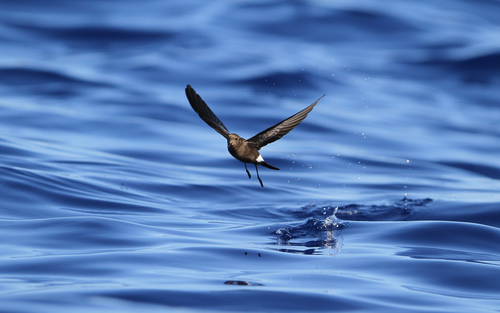 Uccello delle tempeste di Wilson
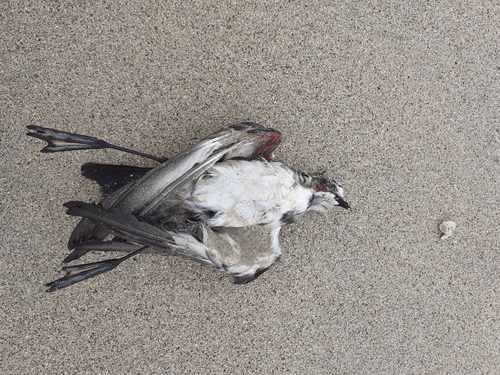 White-faced Storm-Petrel
In breve
Il segno distintivo più affidabile tra l'Uccello delle tempeste di Wilson e il White-faced Storm-Petrel è il sorprendente volto e le parti inferiori bianche del White-faced, che non sono mai mostrati dall'Uccello delle tempeste di Wilson. In volo, l'Uccello delle tempeste di Wilson è uniformemente marrone scuro sopra con un sopracciglio bianco, mentre il White-faced ha un dorso grigio-marrone chiaro e un volto bianco distintivo con una maschera nera sugli occhi. I giovani del White-faced Storm-Petrel possono mostrare frange chiare più estese sopra, ma mantengono sempre il volto bianco. Entrambe le specie battono sull'acqua, ma il White-faced lo fa quasi costantemente e con un passo unico e rimbalzante. La struttura e il comportamento differiscono anche: il White-faced appare con gambe più lunghe e spesso mostra una coda quadrata o biforcuta a seconda della sottospecie, mentre l'Uccello delle tempeste di Wilson ha una coda quadrata e piedi che sporgono appena oltre di essa.
Consigli di identificazione
- Volto e parti inferiori bianche (tutte le età): Solo il White-faced Storm-Petrel mostra un volto bianco brillante con una maschera nera sugli occhi e parti inferiori bianche. L'Uccello delle tempeste di Wilson ha sempre un volto scuro e scuro sotto.
- Schema dell'ala superiore (tutte le età): L'Uccello delle tempeste di Wilson è uniformemente marrone scuro sopra con un sopracciglio bianco e fianchi; il White-faced è più chiaro grigio-marrone sopra, a volte con un sopracciglio bianco o grigio chiaro a seconda della sottospecie.
- Forma della coda: L'Uccello delle tempeste di Wilson ha una coda quadrata; il White-faced può mostrare una coda quadrata o biforcuta a seconda della sottospecie e dell'età (i giovani possono avere una biforcazione meno profonda).
- Proiezione dei piedi: Nell'Uccello delle tempeste di Wilson, i piedi sporgono appena oltre la coda in volo; questo è meno evidente nel White-faced, che ha gambe più lunghe ma non mostra la stessa proiezione.
- Stile di volo: Il White-faced Storm-Petrel rimbalza o 'salta' sull'acqua con ali rigide e frequenti battiti, spesso oscillando da lato a lato. L'Uccello delle tempeste di Wilson ha un volo più diretto e planante e meno battiti esagerati.
- Colore delle parti inferiori: Il White-faced è sempre bianco sotto; l'Uccello delle tempeste di Wilson è sempre scuro sotto tranne che per il sopracciglio e i fianchi bianchi.
- Schema del volto: La maschera nera sugli occhi su un volto bianco è unica per il White-faced; l'Uccello delle tempeste di Wilson ha un volto scuro semplice.
- Colore del sopracciglio: Entrambi possono mostrare un sopracciglio bianco, ma nel White-faced questo può essere bianco puro o grigio chiaro a seconda della sottospecie, mentre nell'Uccello delle tempeste di Wilson è sempre bianco e contrasta nettamente con il dorso scuro.
- Colore delle gambe: Gli uccelli pre-riproduttivi dell'Uccello delle tempeste di Wilson hanno membrane gialle con macchie nere tra le dita (raramente visibili sul campo); il White-faced ha tarsi, dita e artigli scuri.
- Becco: Entrambi hanno becchi scuri; la forma del becco non è un segno distintivo forte in visioni binoculare.
- Dimensioni: Il White-faced è leggermente più grande e pesante, ma questo è sottile e inaffidabile sul campo.
- Segni giovanili: Il giovane White-faced può mostrare frange chiare più estese sopra, ma il volto e le parti inferiori bianche rimangono evidenti; i giovani dell'Uccello delle tempeste di Wilson sono simili agli adulti.
- Vocalizzazioni: Non separabili in modo affidabile in mare; l'Uccello delle tempeste di Wilson può emettere un suono morbido, ma questo è raramente udito e non è diagnostico.
- Contesto: Entrambe le specie sono pelagiche e possono verificarsi insieme, quindi non fare affidamento solo sulla posizione.
- Trappole: Non confondere la barra di copertura dell'ala superiore pallida e diffusa dell'Uccello delle tempeste di Wilson con la fodera bianca dell'ala inferiore dell'European Storm-Petrel; nessuna delle due specie qui mostra quel segno. Controlla sempre il volto bianco e le parti inferiori per il White-faced, e il volto completamente scuro per l'Uccello delle tempeste di Wilson.
Taglia
Il White-faced Storm-Petrel è leggermente più grande e pesante dell'Uccello delle tempeste di Wilson: 40 g contro 34 g in massa corporea [wikidata], e 19–21 cm di lunghezza contro 16–18,5 cm per l'Uccello delle tempeste di Wilson [wikipedia]. L'apertura alare è anche marginalmente maggiore nel White-faced (41–44 cm) rispetto all'Uccello delle tempeste di Wilson (38–42 cm). Sul campo, questa differenza è sottile e spesso mascherata dalla postura e dallo stile di volo, quindi la dimensione da sola è raramente diagnostica.
Piumaggio
-
Giovani e immaturi: I giovani del White-faced Storm-Petrel assomigliano agli adulti ma possono avere frange chiare più grandi e punte delle piume superiori, e una biforcazione della coda meno profonda (nelle sottospecie della Nuova Zelanda). Il volto bianco e le parti inferiori rimangono evidenti a tutte le età. L'Uccello delle tempeste di Wilson è uniformemente marrone scuro sopra con un sopracciglio bianco e fianchi a tutte le età; non ha alcun bianco sul volto o sulle parti inferiori. L'Uccello delle tempeste di Wilson può mostrare una banda pallida diffusa lungo le copritrici dell'ala superiore ma mai la fodera bianca dell'ala inferiore dell'European Storm-Petrel (non rilevante qui).
-
Adulti: Il White-faced Storm-Petrel mostra sempre un volto bianco con una maschera nera sugli occhi, parti inferiori bianche e un dorso e un sopracciglio grigio-marrone chiaro (con alcune variazioni sottospecifiche: alcuni hanno un sopracciglio bianco, altri grigio chiaro). La coda può essere quadrata o biforcuta a seconda della sottospecie. L'Uccello delle tempeste di Wilson è marrone scuro nel complesso con un sopracciglio bianco e fianchi, coda quadrata e nessun bianco sul volto o sulle parti inferiori. I piedi dell'Uccello delle tempeste di Wilson sporgono appena oltre la coda in volo, e gli uccelli pre-riproduttivi mostrano membrane gialle con macchie nere tra le dita (raramente visibili sul campo).
Comportamento
Entrambe le specie usano il volo a battito sull'acqua, ma il White-faced Storm-Petrel lo fa quasi continuamente, usando le sue lunghe gambe per rimbalzare o 'saltare' sulla superficie in un movimento distintivo, da lato a lato, simile a un pendolo. L'Uccello delle tempeste di Wilson batte anch'esso, ma con un volo più diretto e planante e meno rimbalzi esagerati. Il White-faced usa raramente il volo dinamico, mentre l'Uccello delle tempeste di Wilson può planare più frequentemente. Il White-faced tiene spesso le ali rigide ed estese, a volte con una gamba abbassata, mentre si sposta tra i punti di alimentazione. Entrambi sono gregari e possono seguire le navi, ma lo stile di volo del White-faced è più unico e diagnostico.
Habitat
Entrambe le specie sono pelagiche e possono essere viste lontano dalla terra, spesso in associazione con acque oceaniche produttive. L'Uccello delle tempeste di Wilson è uno degli uccelli marini più abbondanti a livello globale ed è diffuso negli oceani meridionali, estendendosi nell'emisfero settentrionale in estate. Il White-faced Storm-Petrel ha un'area di distribuzione altrettanto ampia ma è particolarmente comune intorno all'Australia meridionale, alla Nuova Zelanda e alle isole negli oceani Atlantico e Indiano. L'overlap dell'habitat è possibile in alcune regioni, ma il contesto è raramente diagnostico tra i due.
Voce
L'Uccello delle tempeste di Wilson emette un suono morbido mentre si nutre, ma le vocalizzazioni sono raramente udite in mare e non sono una separazione affidabile sul campo dal White-faced Storm-Petrel, le cui chiamate non sono descritte come distintive nelle note disponibili.
Uccello delle tempeste di Wilson · White-faced Storm-Petrel · I miei uccelli difficili