

Piro piro semipalmato vs Greater Yellowlegs
Tringa semipalmata contro Tringa melanoleuca
Fai un quiz con Piro piro semipalmato e Greater Yellowlegs
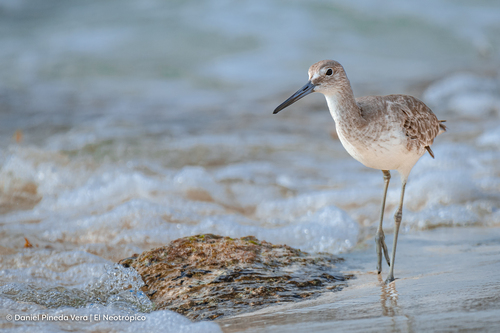 Piro piro semipalmato
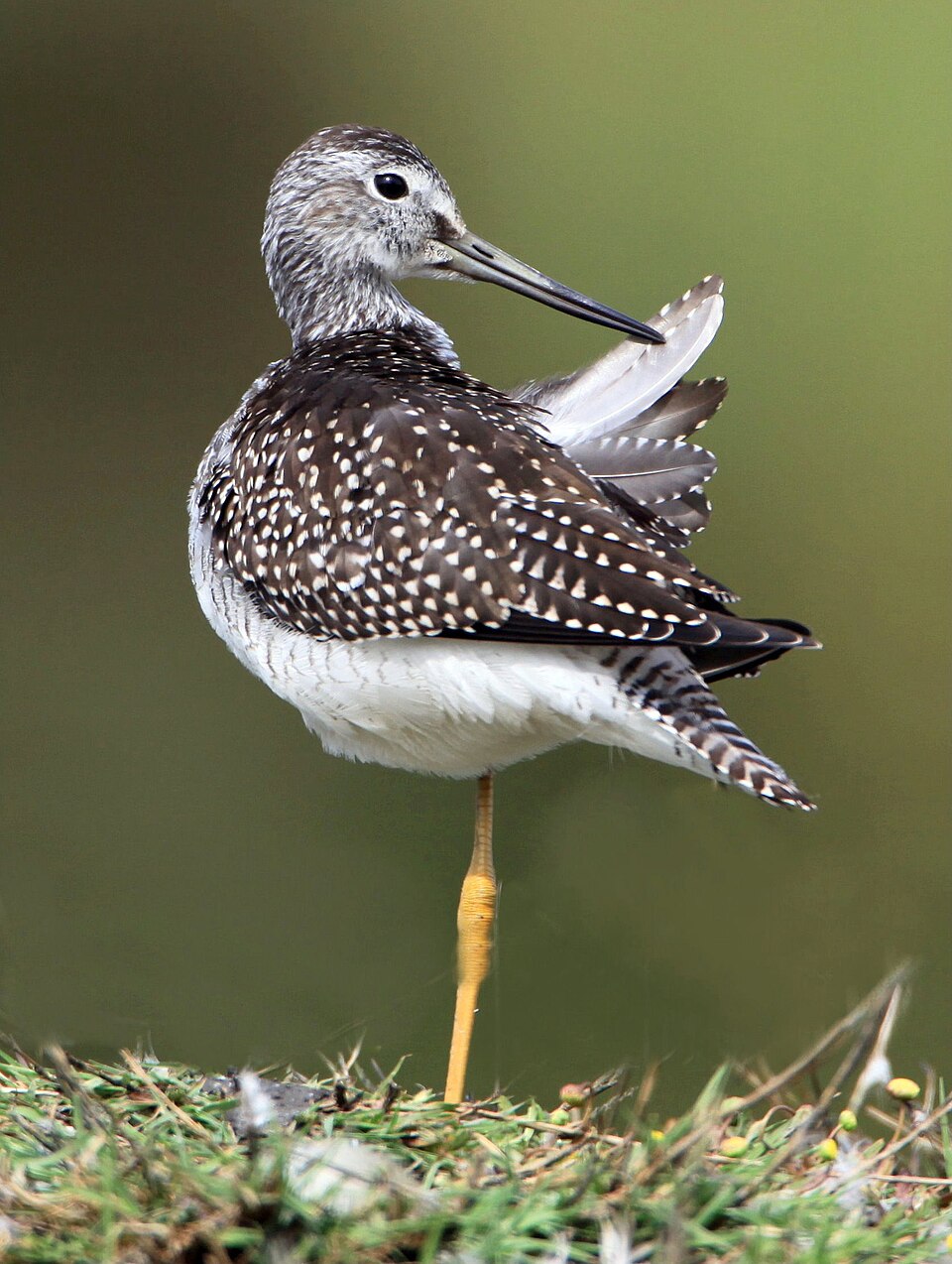 Greater Yellowlegs
In breve
Il segno distintivo più affidabile per separare il Piro piro semipalmato dal Greater Yellowlegs è il bold pattern delle ali in bianco e nero del Piro piro semipalmato in volo, che è assente nel Greater Yellowlegs. I Piro piro semipalmato sono più robusti, con un becco dritto e pesante e gambe grigie, mentre i Greater Yellowlegs sono più snelli, con lunghe gambe gialle brillanti e un becco più lungo e leggermente ricurvo. A terra, i Piro piro semipalmato appaiono grigi uniformi sopra e bianchi sotto, mentre i Greater Yellowlegs mostrano più striature e macchie sul collo e sul petto. Entrambe le specie sono grandi trampolieri del genere Tringa, ma il Piro piro semipalmato è notevolmente più pesante e robusto. Il volo e la struttura sono fondamentali, specialmente per gli immaturi e gli uccelli non in riproduzione.
Consigli di identificazione
- In volo (tutte le età): Cerca il bold pattern delle ali in bianco e nero del Piro piro semipalmato: primarie e copritrici nere, ampia banda bianca e secondarie bianche. Il Greater Yellowlegs non ha alcun pattern alare: le sue ali sono grigio-marroni uniformi sopra.
- Coda e coda: Il Piro piro semipalmato ha una coda bianca con una banda grigia; il Greater Yellowlegs ha una coda bianca senza banda di contrasto.
- Forma del becco: Il becco del Piro piro semipalmato è dritto, spesso e relativamente corto per le sue dimensioni. Il Greater Yellowlegs ha un becco più lungo, più sottile e leggermente ricurvo che è più lungo della testa.
- Colore delle gambe: Il Piro piro semipalmato ha gambe grigie; il Greater Yellowlegs ha gambe gialle brillanti. Questo è affidabile quando gli uccelli sono vicini e la luce è buona.
- Struttura: Il Piro piro semipalmato è più robusto, con un collo spesso, un petto profondo e una corporatura più pesante. Il Greater Yellowlegs è più snello, con gambe più lunghe e una postura più eretta.
- Piumaggio in perching (riproduzione): Il Piro piro semipalmato è grigio uniforme sopra con alcune striature marroni, bianco sotto e un volto pallido con un anello oculare stretto. Il Greater Yellowlegs è grigio-marrone sopra con pesanti striature scure e macchie sul collo e sul petto.
- Piumaggio in perching (non riproduzione/immaturi): Il Piro piro semipalmato diventa più semplice, ma manca ancora delle striature sul collo e sul petto del Greater Yellowlegs. Il Greater Yellowlegs appare sempre più decorato.
- Pattern del volto: Il Piro piro semipalmato mostra un'area bianca sopra le lore e un anello oculare biancastro stretto, dando un aspetto 'con occhiali'. Il Greater Yellowlegs manca di questa caratteristica.
- Lunghezza delle gambe: Anche quando è in piedi, le gambe del Greater Yellowlegs sembrano più lunghe in proporzione alla dimensione del corpo.
- Comportamento alimentare: I Piro piro semipalmato camminano spesso in modo costante e possono guadare profondamente; il Greater Yellowlegs è più attivo, spesso mescolando l'acqua con il suo becco.
- Vocalizzazioni: Il Greater Yellowlegs emette un fischio forte e chiaro a tre note in volo; il richiamo del Piro piro semipalmato è meno acuto e più risonante.
- Dimensione del gruppo: I Piro piro semipalmato possono formare gruppi sciolti, specialmente in inverno; il Greater Yellowlegs è più spesso solitario o in piccoli stormi.
- Contesto dell'habitat: I Piro piro semipalmato sono più probabili nelle paludi salmastre e nelle pianure costiere; i Greater Yellowlegs sono comuni in habitat d'acqua dolce e salmastra, ma questo non è diagnostico dove le aree si sovrappongono.
- Impressione di dimensione: Se entrambe le specie sono insieme, la maggiore massa e la struttura più pesante del Piro piro semipalmato sono evidenti. Altrimenti, usa la struttura e il piumaggio, non la lunghezza, per l'identificazione.
- Trappole comuni: I Piro piro semipalmato immaturi e non in riproduzione possono apparire semplici e possono essere scambiati per yellowlegs se il pattern alare non è visibile. Prova sempre a vedere gli uccelli in volo per conferma.
Taglia
Il Piro piro semipalmato è significativamente più pesante e più robusto del Greater Yellowlegs (massa media del Piro piro semipalmato: 287 g; Greater Yellowlegs: 170 g [wikidata]). I Piro piro semipalmato appaiono tozzi e con collo spesso, con un becco più corto e pesante e gambe più corte in proporzione alla dimensione del corpo. I Greater Yellowlegs sono più snelli, con gambe più lunghe e una postura più aggraziata e eretta. Entrambe le specie sono simili in lunghezza (Piro piro semipalmato: 31–41 cm; Greater Yellowlegs: 29–40 cm), ma la massa del Piro piro semipalmato è evidente in un confronto diretto.
Piumaggio
-
In volo (tutte le età): Il Piro piro semipalmato mostra un striking pattern delle ali in bianco e nero: primarie e copritrici nere, ampia banda bianca, secondarie bianche, coda bianca e una banda grigia sulla coda. Questo forte contrasto è visibile in tutti i piumaggi ed è unico tra gli uccelli costieri nordamericani. Il Greater Yellowlegs non ha alcun pattern alare; le sue ali sono grigio-marroni uniformi sopra senza banda bianca o pannelli neri, e la coda è bianca ma non è messa in risalto da segni di contrasto sulla coda o sulle ali.
-
In perching (adulti, riproduzione): Il Piro piro semipalmato è grigio uniforme sopra con striature marroni in piumaggio di riproduzione, bianco sotto e un anello oculare biancastro stretto. Il Greater Yellowlegs è grigio-marrone sopra con pesanti striature scure e macchie sul collo e sul petto, e una pancia bianca. Entrambi hanno coda bianca, ma solo il Piro piro semipalmato ha una banda grigia sulla coda.
-
Non riproduzione/immaturi: Il Piro piro semipalmato diventa più semplice, perdendo la maggior parte delle striature, ma appare ancora grigio e bianco con un volto pallido. Il Greater Yellowlegs mantiene alcune striature ed è sempre più decorato sul collo e sul petto. Non è stato notato alcun pattern distintivo delle ali superiori giovanili per nessuna delle due specie oltre alla banda alare simile all'adulto del Piro piro semipalmato.
Comportamento
I Piro piro semipalmato sono più robusti e spesso si nutrono camminando costantemente e beccando o sondando, a volte guadando fino alla pancia. Possono essere vigili e spesso si posano su rocce, pali o alberi. Il Greater Yellowlegs si nutre anche guadando e a volte mescola l'acqua con il suo becco, ma appare più attivo e aggraziato, spesso muovendosi rapidamente attraverso le acque poco profonde. I Piro piro semipalmato tendono a formare gruppi sciolti, mentre il Greater Yellowlegs è spesso visto singolarmente o in piccoli stormi.
Habitat
Entrambe le specie utilizzano habitat umidi simili, ma i Piro piro semipalmato si trovano più spesso in paludi salmastre, fanghi costieri e spiagge, specialmente a est, mentre i Greater Yellowlegs sono più diffusi in habitat d'acqua dolce e salmastra, comprese le paludi interne, stagni e campi allagati. La sovrapposizione è comune durante la migrazione e nei terreni invernali, quindi l'habitat da solo non è diagnostico.
Voce
Il Greater Yellowlegs emette un fischio forte e chiaro a tre sillabe in volo, con la terza nota più bassa in tono. Il richiamo del Piro piro semipalmato non è descritto in dettaglio qui, ma è generalmente meno acuto e più risonante. La voce può aiutare, ma è meno affidabile dei segni visivi per queste due specie.
Piro piro semipalmato · Greater Yellowlegs · I miei uccelli difficili