

Playero Aliblanco vs Archibebe Patigualdo Grande
Tringa semipalmata frente a Tringa melanoleuca
Juega un quiz con Playero Aliblanco y Archibebe Patigualdo Grande
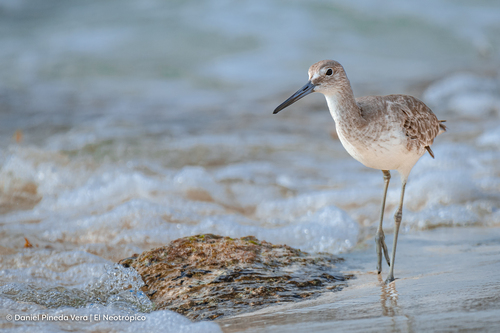 Playero Aliblanco
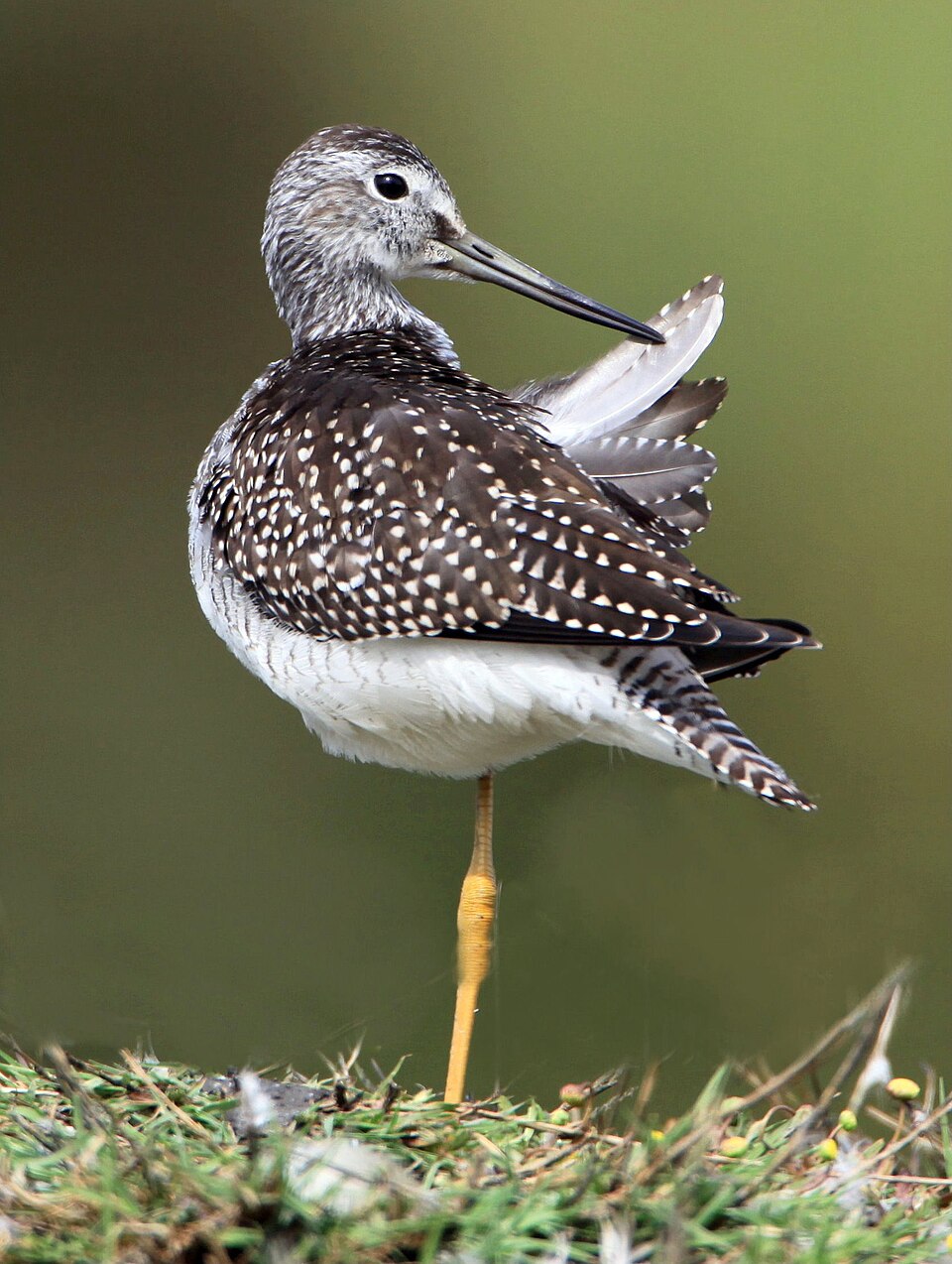 Archibebe Patigualdo Grande
En breve
La marca de campo más confiable para separar el Playero Aliblanco del Archibebe Patigualdo Grande es el audaz patrón de alas en blanco y negro del Playero Aliblanco en vuelo, que está ausente en el Archibebe Patigualdo Grande. Los Playeros Aliblancos son más robustos, con un pico recto y pesado y patas grises, mientras que los Archibebes Patigualdos Grandes son más delgados, con patas largas y brillantes de color amarillo y un pico más largo y ligeramente curvado hacia arriba. En el suelo, los Playeros Aliblancos parecen de un gris liso por encima y blanco por debajo, mientras que los Archibebes Patigualdos Grandes muestran más estrías y manchas en el cuello y el pecho. Ambas especies son grandes playeros Tringa, pero el Playero Aliblanco es notablemente más pesado y robusto. El vuelo y la estructura son clave, especialmente para los inmaduros y las aves no reproductivas.
Consejos de identificación
- En vuelo (todas las edades): Busca el audaz patrón de alas en blanco y negro del Playero Aliblanco: primarias y cobertoras negras, banda blanca ancha y secundarias blancas. El Archibebe Patigualdo Grande carece de cualquier patrón de alas: sus alas son de un gris marrón liso por encima.
- Rabadilla y cola: El Playero Aliblanco tiene una rabadilla blanca con una banda de cola gris; el Archibebe Patigualdo Grande tiene una rabadilla blanca sin banda de cola contrastante.
- Forma del pico: El pico del Playero Aliblanco es recto, grueso y relativamente corto para su tamaño. El Archibebe Patigualdo Grande tiene un pico más largo, más delgado y ligeramente curvado hacia arriba que es más largo que la cabeza.
- Color de las patas: El Playero Aliblanco tiene patas grises; el Archibebe Patigualdo Grande tiene patas de un brillante color amarillo. Esto es confiable cuando las aves están cerca y la iluminación es buena.
- Estructura: El Playero Aliblanco es más robusto, con un cuello grueso, pecho profundo y una construcción más pesada. El Archibebe Patigualdo Grande es más delgado, con patas más largas y una postura más erguida.
- Plumaje posado (reproducción): El Playero Aliblanco es de un gris liso por encima con algunas franjas marrones, blanco por debajo y una cara pálida con un estrecho anillo ocular. El Archibebe Patigualdo Grande es de un gris marrón por encima con estrías y manchas oscuras pesadas y nítidas en el cuello y el pecho.
- Plumaje posado (no reproductivo/inmaduro): El Playero Aliblanco se vuelve más simple, pero aún carece de las estrías en el cuello y el pecho del Archibebe Patigualdo Grande. El Archibebe Patigualdo Grande siempre parece más patrón.
- Patrón facial: El Playero Aliblanco muestra un área blanca sobre los lóbulos y un estrecho anillo ocular blanquecino, dando un aspecto 'de gafas'. El Archibebe Patigualdo Grande carece de esta característica.
- Longitud de las patas: Incluso cuando está de pie, las patas del Archibebe Patigualdo Grande parecen más largas en proporción al tamaño del cuerpo.
- Comportamiento alimenticio: Los Playeros Aliblancos a menudo caminan de manera constante y pueden vadear profundamente; el Archibebe Patigualdo Grande es más activo, a menudo agitando el agua con su pico.
- Vocalizaciones: El Archibebe Patigualdo Grande emite un fuerte y claro silbido de tres notas en vuelo; el llamado del Playero Aliblanco es menos agudo y más resonante.
- Tamaño del grupo: Los Playeros Aliblancos pueden formar grupos sueltos, especialmente en invierno; el Archibebe Patigualdo Grande es más a menudo solitario o en pequeños grupos.
- Contexto de hábitat: Los Playeros Aliblancos son más propensos a estar en marismas salinas y llanuras costeras; el Archibebe Patigualdo Grande es común en hábitats de agua dulce y salobre, pero esto no es diagnóstico donde los rangos se superponen.
- Impresión de tamaño: Si ambas especies están juntas, la mayor masa y estructura más pesada del Playero Aliblanco son obvias. De lo contrario, usa la estructura y el plumaje, no la longitud, para la identificación.
- Trampas comunes: Los Playeros Aliblancos inmaduros y no reproductivos pueden parecer simples y pueden ser confundidos con los Archibebes Patigualdos Grandes si no se ve el patrón de alas. Siempre intenta ver las aves en vuelo para confirmación.
Tamaño
El Playero Aliblanco es significativamente más pesado y robusto que el Archibebe Patigualdo Grande (masa promedio del Playero Aliblanco: 287 g; Archibebe Patigualdo Grande: 170 g [wikidata]). Los Playeros Aliblancos parecen robustos y con cuello grueso, con un pico más corto y pesado y patas más cortas en proporción al tamaño del cuerpo. Los Archibebes Patigualdos Grandes son más delgados, con patas más largas y tienen una postura más elegante y erguida. Ambas especies son similares en longitud (Playero Aliblanco: 31–41 cm; Archibebe Patigualdo Grande: 29–40 cm), pero la masa del Playero Aliblanco es obvia en comparación directa.
Plumaje
-
En vuelo (todas las edades): El Playero Aliblanco muestra un llamativo patrón de alas en blanco y negro: primarias y cobertoras negras, banda blanca ancha, secundarias blancas, rabadilla blanca y una banda de cola gris. Este fuerte contraste es visible en todos los plumajes y es único entre las aves playeras de América del Norte. El Archibebe Patigualdo Grande carece de tal patrón de alas; sus alas son de un gris marrón liso por encima sin banda blanca o paneles negros, y la rabadilla es blanca pero no está separada por marcas contrastantes en la cola o las alas.
-
Posado (adultos, reproducción): El Playero Aliblanco es de un gris liso por encima con franjas marrones en plumaje de reproducción, blanco por debajo y un estrecho anillo ocular blanquecino. El Archibebe Patigualdo Grande es de un gris marrón por encima con estrías y manchas oscuras pesadas y nítidas en el cuello y el pecho, y un vientre blanco. Ambos tienen rabadillas blancas, pero solo el Playero Aliblanco tiene una banda de cola gris.
-
No reproductivo/inmaduro: El Playero Aliblanco se vuelve más simple, perdiendo la mayor parte de las franjas, pero aún aparece gris y blanco con una cara pálida. El Archibebe Patigualdo Grande retiene algunas estrías y siempre es más patrón en el cuello y el pecho. No se nota ningún patrón distintivo de ala superior juvenil para ninguna de las especies más allá de la banda de ala similar a la del adulto del Playero Aliblanco.
Comportamiento
Los Playeros Aliblancos son más robustos y a menudo se alimentan caminando de manera constante y picoteando o sondeando, a veces vadear hasta sus barrigas. Pueden ser vigilantes y a menudo se posan en rocas, postes o árboles. El Archibebe Patigualdo Grande también busca alimento vadear y a veces agita el agua con su pico, pero parece más activo y elegante, a menudo moviéndose rápidamente a través de aguas poco profundas. Los Playeros Aliblancos tienden a formar grupos sueltos, mientras que el Archibebe Patigualdo Grande se ve a menudo solo o en pequeños grupos.
Hábitat
Ambas especies utilizan hábitats de humedales similares, pero los Playeros Aliblancos se encuentran más a menudo en marismas salinas, llanuras de barro costeras y playas, especialmente en el este, mientras que los Archibebes Patigualdos Grandes son más comunes en hábitats de agua dulce y salobre, incluidos marismas interiores, estanques y campos inundados. La superposición es común en las rutas migratorias y en los terrenos de invernada, por lo que el hábitat por sí solo no es diagnóstico.
Voz
El Archibebe Patigualdo Grande emite un fuerte y claro silbido de tres sílabas en vuelo, con la tercera nota más baja en tono. El llamado del Playero Aliblanco no se describe en detalle aquí, pero generalmente es menos agudo y más resonante. La voz puede ayudar, pero es menos confiable que las marcas visuales para estos dos.
Playero Aliblanco · Archibebe Patigualdo Grande · Mis aves difíciles