

Gambecchio di Bonaparte vs Gambecchio americano
Calidris fuscicollis contro Calidris minutilla
Fai un quiz con Gambecchio di Bonaparte e Gambecchio americano
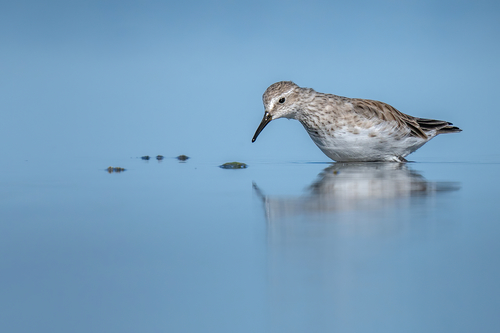 Gambecchio di Bonaparte
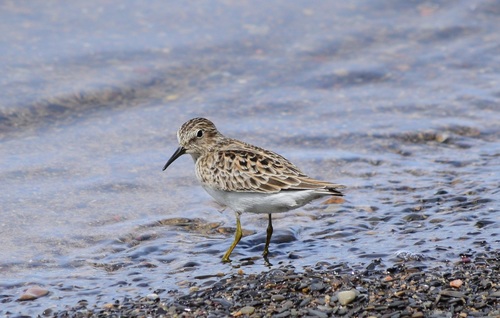 Gambecchio americano
In breve
Il modo più affidabile per separare il Gambecchio di Bonaparte dal Gambecchio americano è individuare il caratteristico sopracciglio bianco del Gambecchio di Bonaparte in volo, una caratteristica che il Gambecchio americano non mostra mai. A terra, il Gambecchio di Bonaparte ha ali più lunghe e zampe più scure, mentre il Gambecchio americano è più piccolo, con zampe giallastre e un becco più corto e fine. I giovani di entrambi possono essere confusi, ma i giovani del Gambecchio di Bonaparte mostrano una distintiva 'V' bianca sulla schiena e più contrasto nelle copritrici delle ali, mentre i giovani del Gambecchio americano sono più luminosi sopra con toni rugginosi e strisce bianche sul mantello. Entrambe le specie sono piccoli 'peeps', ma il Gambecchio di Bonaparte è visibilmente più grande e massiccio. Un attento esame del colore delle zampe, della proiezione delle ali e del motivo del sopracciglio è fondamentale, specialmente in stormi misti.
Consigli di identificazione
- Sopracciglio bianco in volo: Solo il Gambecchio di Bonaparte mostra un sopracciglio bianco brillante e copritrici superiori in volo. Il Gambecchio americano ha un sopracciglio marrone uniforme. Questo è il segno di campo più affidabile per tutte le età e stagioni.
- Colore delle zampe: Il Gambecchio di Bonaparte ha zampe nere o molto scure; il Gambecchio americano ha zampe giallo-verdi. Questo è visibile quando gli uccelli sono in piedi o camminano, ma attenzione alle zampe macchiate di fango nel Gambecchio americano.
- Struttura del becco: Il becco del Gambecchio di Bonaparte è di lunghezza media, sottile e scuro; il becco del Gambecchio americano è più corto, più fine e anch'esso scuro. La lunghezza del becco è meglio giudicata in confronto diretto.
- Proiezione delle ali: Il Gambecchio di Bonaparte ha ali molto lunghe che si estendono ben oltre la coda quando è posato; le ali del Gambecchio americano sono corte e raggiungono a malapena o appena toccano la punta della coda. Questo è particolarmente utile quando gli uccelli si riposano o si puliscono.
- Dimensioni e aspetto: Il Gambecchio di Bonaparte è visibilmente più grande, con un corpo più lungo e massiccio rispetto al Gambecchio americano, che è il 'peep' più piccolo e appare compatto e con collo corto.
- Parte superiore dei giovani: Il giovane Gambecchio di Bonaparte mostra una 'V' bianca sulla schiena e più contrasto nelle copritrici delle ali, con basi nere e bordi marroni/bianchi. Il giovane Gambecchio americano è più luminoso sopra con toni rugginosi e strisce bianche sul mantello, privo della 'V' bianca.
- Motivo del petto: Entrambi possono mostrare petti striati, ma il Gambecchio di Bonaparte spesso ha striature più fini e più estese sui fianchi; le striature del Gambecchio americano sono solitamente limitate alla parte superiore del petto.
- Sopracciglio (sopracciglio): Entrambi hanno un sopracciglio pallido, ma quello del Gambecchio di Bonaparte è solitamente più ampio e più bianco, specialmente in inverno. Quello del Gambecchio americano è più sottile e meno contrastante.
- Corona e faccia: Il Gambecchio di Bonaparte ha una corona e una faccia marrone in abito nuziale, con una faccia chiara; il Gambecchio americano ha una corona più scura e una linea chiara sopra l'occhio.
- Lunghezza delle zampe e postura: Il Gambecchio di Bonaparte appare con zampe più lunghe e sta più eretto; il Gambecchio americano è più vicino al suolo e spesso accovacciato.
- Contesto dell'habitat: Se visto nel sud del Sud America in inverno, è quasi certamente un Gambecchio di Bonaparte; il Gambecchio americano raramente sverna così a sud. In Nord America, entrambi possono verificarsi insieme, quindi fare affidamento su segni strutturali e di piumaggio.
- Composizione del gruppo: Il Gambecchio di Bonaparte spesso si associa ad altri uccelli costieri di dimensioni medie; il Gambecchio americano è più probabile trovarlo in stormi puri di 'peep'.
- Abito invernale: Entrambi diventano più grigi sopra, ma il Gambecchio di Bonaparte rimane più scuro e più contrastante, con un sopracciglio bianco e una corona/linea oculare scura. Il Gambecchio americano è semplicemente grigio sopra.
- Voce: Non diagnostica dalle note fornite.
- Trappole: Il fango può offuscare il colore delle zampe nel Gambecchio americano. Il giovane Gambecchio di Bonaparte può apparire luminoso sopra, ma controlla sempre il sopracciglio bianco in volo e le ali più lunghe a riposo.
Taglia
Il Gambecchio di Bonaparte è significativamente più grande e più pesante del Gambecchio americano. Il Gambecchio di Bonaparte pesa in media circa 42,75 g e misura 15–18 cm di lunghezza con un'apertura alare di 36–38 cm [wikidata, wikipedia], mentre il Gambecchio americano è il più piccolo uccello costiero nordamericano a 19–30 g, 13–15 cm di lunghezza e un'apertura alare di 27–28 cm [wikidata, wikipedia]. Sul campo, il Gambecchio di Bonaparte appare con un corpo più lungo e ali più lunghe, mentre il Gambecchio americano appare compatto e delicato.
Piumaggio
I piumaggi giovanili e immaturi sono spesso fonte di confusione:
- Giovane Gambecchio di Bonaparte: Mostra piume con base nera sulla schiena e copritrici delle ali, con bordi marroni verso le scapole e bordi più bianchi verso le copritrici delle ali. Il petto è finemente striato e una 'V' bianca è visibile sulla schiena. Le parti inferiori e il sopracciglio sono bianchi, la corona è marrone e la faccia è chiara. In volo, il sopracciglio bianco è ovvio.
-
Giovane Gambecchio americano: Presenta un motivo brillante sopra con toni rugginosi e strisce bianche sul mantello. Le parti superiori sono più colorate e meno striate rispetto al Gambecchio di Bonaparte, privo della 'V' bianca sulla schiena. Nessun sopracciglio bianco in volo.
-
Adulto in riproduzione Gambecchio di Bonaparte: Grigio-marrone opaco sopra con un sopracciglio chiaro, petto e fianchi striati e parti inferiori bianche. La corona e la faccia hanno una sfumatura marrone, e le copritrici delle ali hanno bordi grigi. Ali lunghe si estendono oltre la coda. In volo, il sopracciglio bianco è diagnostico.
-
Adulto in riproduzione Gambecchio americano: Marrone sopra con striature scure, bianco sotto, linea chiara sopra l'occhio e corona scura. Le zampe sono giallo-verdi, il becco è corto e sottile. Nessun sopracciglio bianco in volo.
-
Piumaggi non riproduttivi (invernali): Entrambi diventano più grigi sopra, ma il Gambecchio di Bonaparte rimane più scuro nel complesso con un sopracciglio bianco e una corona/linea oculare scura. Il Gambecchio americano è semplicemente grigio sopra con meno contrasto. Il colore delle zampe rimane una differenza chiave (scuro nel Gambecchio di Bonaparte, giallastro nel Gambecchio americano).
Comportamento
Entrambe le specie si nutrono su fanghi e terreni umidi, cercando invertebrati. Il Gambecchio di Bonaparte appare spesso più deliberato e con zampe più lunghe, a volte guadando più in profondità rispetto al Gambecchio americano. Il Gambecchio americano tende a muoversi rapidamente ed è più probabile vederlo mentre cerca lungo il bordo dell'acqua o su fango più asciutto. In volo, le ali più lunghe e il sopracciglio bianco del Gambecchio di Bonaparte sono evidenti, mentre il Gambecchio americano appare compatto e privo di bianco sul sopracciglio.
Habitat
Entrambi nidificano nel nord del Nord America, spesso in tundra o aree paludose vicino all'acqua. Durante la migrazione e in inverno, entrambi utilizzano fanghi, coste e prati umidi. Il Gambecchio di Bonaparte è un migratore a lungo raggio più estremo, svernando più a sud (Patagonia, sud del Sud America), mentre il Gambecchio americano sverna dal sud degli Stati Uniti al nord del Sud America. In Nord America, entrambi possono verificarsi insieme durante la migrazione, ma il Gambecchio di Bonaparte è generalmente più raro e più probabile trovarlo in stormi di altri 'peeps'.
Gambecchio di Bonaparte · Gambecchio americano · I miei uccelli difficili