

White-breasted Wood-Wren vs Gray-breasted Wood-Wren
Henicorhina leucosticta contro Henicorhina leucophrys
Fai un quiz con White-breasted Wood-Wren e Gray-breasted Wood-Wren
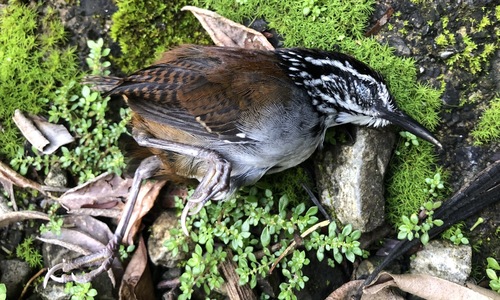 White-breasted Wood-Wren
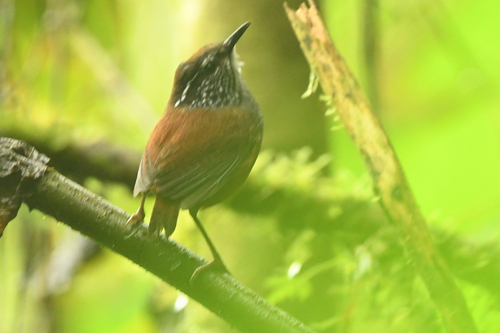 Gray-breasted Wood-Wren
In breve
Il segno di campo più affidabile per separare il White-breasted Wood-Wren e il Gray-breasted Wood-Wren è il colore e l'estensione delle parti inferiori: il White-breasted mostra parti inferiori bianche nette (che diventano color crema sulla pancia inferiore), mentre il Grey-breasted ha un petto e una pancia uniformemente grigi con solo il mento e la gola più chiari. Entrambi sono piccoli, con code corte e hanno una struttura simile e aree di sovrapposizione, quindi prestare attenzione al motivo della testa e al colore delle parti inferiori è fondamentale. I giovani di entrambi sono più opachi, ma il contrasto delle parti inferiori rimane utile. In vista perpendicolare o fugace, concentrati sul supercilio e sul colore del petto e della pancia. Entrambe le specie possono essere trovate in habitat simili, quindi gli indizi visivi sono cruciali per un'identificazione sicura.
Consigli di identificazione
- Il colore delle parti inferiori è il segno di campo migliore: Il White-breasted Wood-Wren ha parti inferiori bianche nette (che diventano color crema sulla pancia inferiore), mentre il Gray-breasted Wood-Wren è grigio dal petto alla pancia, con solo il mento e la gola più chiari. Questo funziona per gli adulti ed è ancora utile nei giovani, anche se entrambi sono più opachi da giovani.
- Differenze nel motivo della testa: Il Grey-breasted ha un lungo supercilio grigio-bianco, una larga striscia nera dietro l'occhio e guance nere striate di grigio chiaro, dando un aspetto più contrastante e 'mascherato'. Il White-breasted ha un supercilio chiaro e striature bianche e nere sui lati della testa e del collo, ma l'effetto è più sottile.
- Colorazione delle parti superiori: Entrambe le specie hanno parti superiori di colore marrone castagna e code barrate, ma la corona del Grey-breasted è di un nero opaco con punte marrone scuro, e il suo nape e le spalle sono di un marrone oliva scuro, creando una transizione leggermente più contrastante tra il mantello e la schiena rispetto alle parti superiori più uniformemente castanee del White-breasted.
- Barratura della coda e delle ali: Entrambi mostrano barrature nere sulle ali e una coda molto corta, quindi questo non è un separatore. In volo, nessuno mostra pannelli unici sulle ali o bordi posteriori, quindi concentrati sul colore delle parti inferiori se intravedi la pancia o la parte inferiore della coda.
- Confusione nei giovani: Il giovane White-breasted Wood-Wren ha parti inferiori grigie, potenzialmente somigliando al Grey-breasted, ma il grigio di quest'ultimo è più esteso e uniforme, mentre i giovani White-breasted possono ancora mostrare un accenno di bianco o crema sulla pancia inferiore. Controlla sempre l'area più luminosa delle parti inferiori.
- Lunghezza e audacia del supercilio: Il supercilio del Grey-breasted è più lungo e più definito, spesso si estende bene dietro l'occhio, mentre quello del White-breasted è più chiaro e meno esteso.
- Striature facciali: Le striature bianche e nere sui lati della testa e del collo sono più prominenti nel White-breasted, ma le guance nere del Grey-breasted con striature grigie chiare possono apparire più 'mascherate'.
- Contesto comportamentale: Se vedi un wood-wren seguire un branco di formiche soldato, è più probabile che sia un Grey-breasted, ma non esclusivo. Entrambe le specie foraggiano in basso e si muovono rapidamente con brevi scatti di coda.
- Sovrapposizione degli habitat: Non fare affidamento solo sull'habitat; entrambe le specie si trovano in tipi di foresta simili e altitudini all'interno delle loro aree sovrapposte.
- Dimensioni e struttura: Entrambi sono quasi identici in dimensioni e forma; non usare la dimensione complessiva o la lunghezza della coda come separatore.
- Differenze stagionali e sessuali: Non sono state notate forti differenze di piumaggio stagionali o basate sul sesso per nessuna delle due specie; le principali differenze sono tra le classi di età (adulto vs. giovane).
- Trappole in scarsa illuminazione: Nella vegetazione ombrosa, le parti inferiori bianche del White-breasted possono apparire più opache, e il grigio del Grey-breasted può sembrare più chiaro. Cerca sempre di ottenere una vista chiara e ben illuminata della pancia e del petto.
- Fagotti misti: Entrambi possono unirsi a fagotti di specie miste, quindi non presumere che solo una specie sia presente in base alla composizione del fagotto.
- Sovrapposizione dell'areale: Entrambi si trovano dal Messico attraverso l'America Centrale e fino all'America del Sud; non usare l'areale da solo per l'identificazione nelle zone di sovrapposizione.
- Suggerimento riassuntivo: Quando hai dei dubbi, dai priorità al colore delle parti inferiori e al motivo della testa: questi sono i segni di campo più affidabili in tutte le età e stagioni.
Taglia
Entrambe le specie sono molto simili in dimensioni e massa, con il White-breasted Wood-Wren che misura in media circa 10 cm di lunghezza e 16 g di peso, e il Gray-breasted Wood-Wren che varia da 10 a 11,5 cm e da 13,5 a 17,7 g. Sul campo, la dimensione non è un separatore affidabile tra questi due; entrambi appaiono come piccoli wrens compatti con code corte e corpi arrotondati. Qualsiasi differenza percepita è probabilmente dovuta alla postura o all'angolo di visione piuttosto che alla vera dimensione.
Piumaggio
Gli uccelli giovani e immaturi di entrambe le specie sono più opachi degli adulti, ma la differenza chiave è nelle parti inferiori: i giovani White-breasted Wood-Wren hanno parti inferiori grigie, mentre gli adulti sono bianchi sotto (diventando color crema sulla pancia inferiore). Il Gray-breasted Wood-Wren, anche da adulto, ha parti inferiori grigie in tutto, con solo il mento e la gola più chiari. Per tutte le età, controlla l'estensione e la purezza del bianco sulle parti inferiori: il White-breasted è molto più pulito e luminoso sotto. Entrambe le specie hanno parti superiori di colore marrone castagna e code barrate di nero, ma il Grey-breasted mostra un motivo della testa più complesso con un lungo supercilio grigio-bianco, una larga striscia nera post-oculare e guance nere striate di grigio chiaro. Il White-breasted ha un supercilio chiaro e lati della testa e del collo striati di bianco e nero, ma l'effetto è meno audace rispetto al Grey-breasted. In volo, entrambi mostrano ali e code barrate, ma non ci sono segni unici di pannelli sulle ali o bordi posteriori per separarli. I giovani di entrambi sono più opachi, ma il contrasto del colore delle parti inferiori si applica ancora.
Comportamento
Entrambe le specie foraggiano in basso in vegetazione densa, spesso vicino al suolo. Il Gray-breasted Wood-Wren è noto per seguire i branchi di formiche soldato in alcune regioni, a volte in piccoli gruppi, mentre il White-breasted è più spesso visto singolarmente o in coppie. Entrambi sono riservati e si muovono rapidamente, spesso flickando le loro code corte. Il comportamento da solo non è un forte separatore, ma se osservi un uccello che segue da vicino i branchi di formiche, è più probabile che sia un Grey-breasted (anche se non esclusivo).
Habitat
La sovrapposizione degli habitat è significativa: entrambe le specie si trovano in foreste umide dal Messico attraverso l'America Centrale e fino all'America del Sud. L'abbondanza locale può variare, ma entrambe possono essere trovate in habitat simili nel sottobosco, spesso vicino all'acqua o in folti cespugli. L'habitat non è un segno di campo affidabile per separare queste due specie.
White-breasted Wood-Wren · Gray-breasted Wood-Wren · I miei uccelli difficili